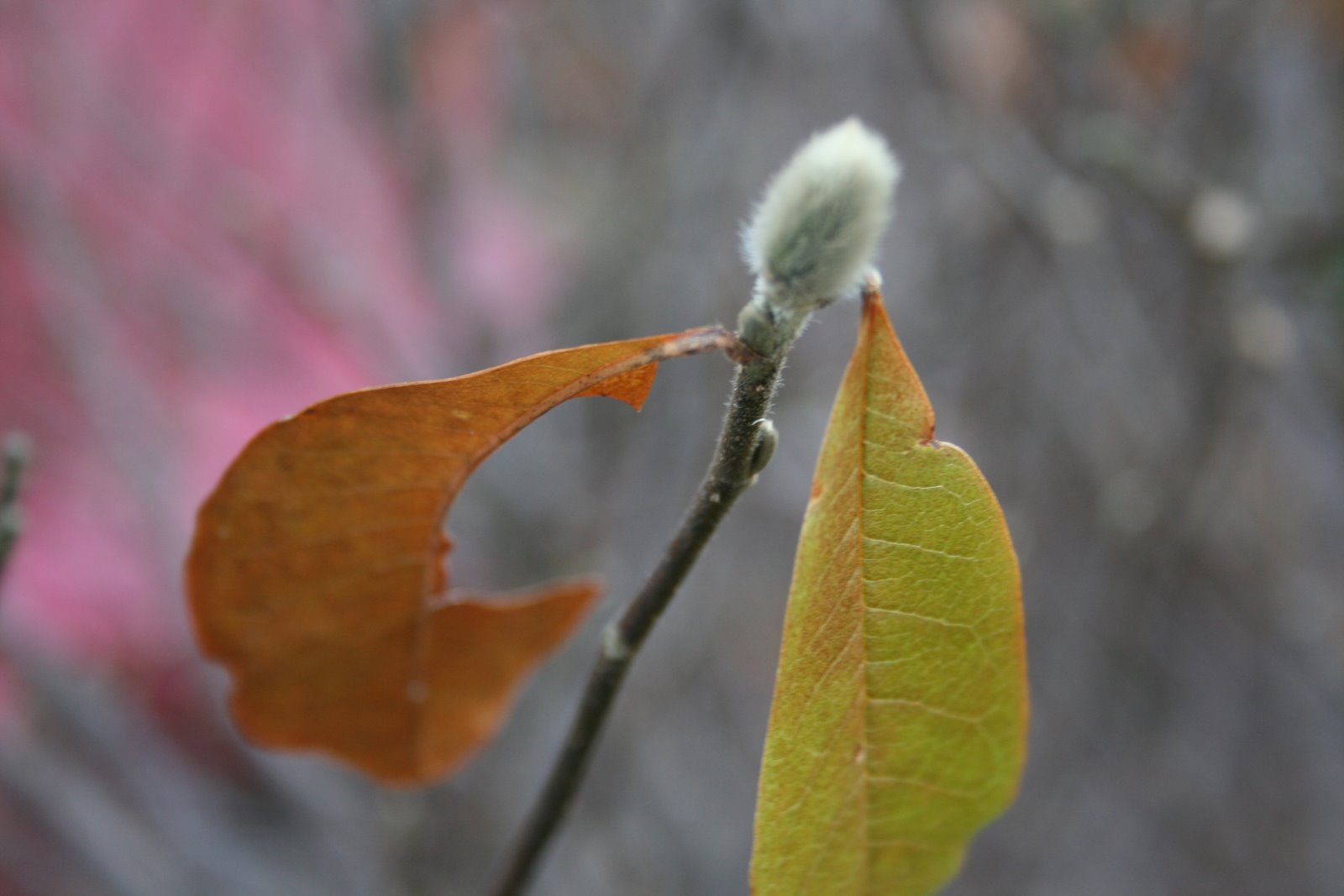

Well, I still thankfully have yet to experience my first frost of the season, so my zone 6b garden has more blooms than I would normally expect for this time of year. Given my prior bloom days posts for September featuring dahlias and October featuring roses, I’m going to focus on other blooms–annuals, perennials and one flowering tree–though both dahlias and roses are also continuing to bloom. Check out what is blooming in other bloggers‘ gardens over at May Dreams Gardens.
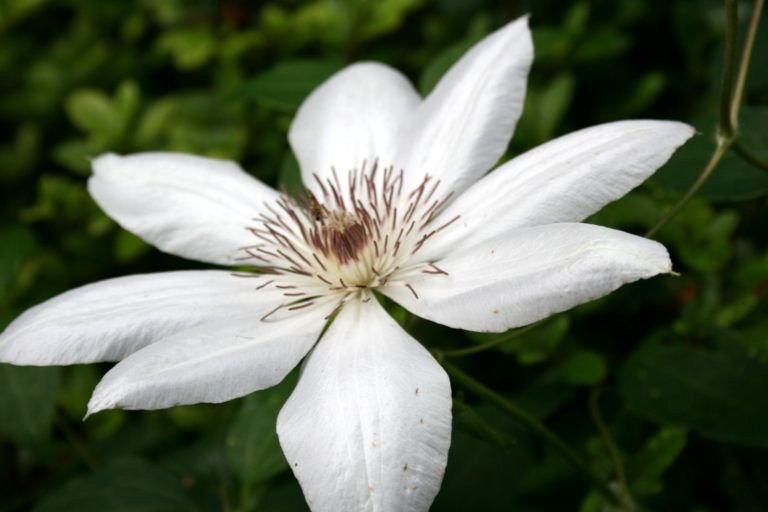
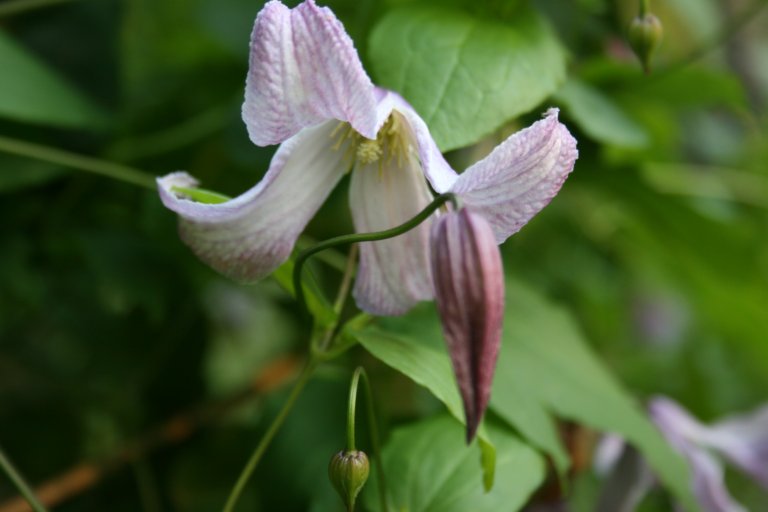
~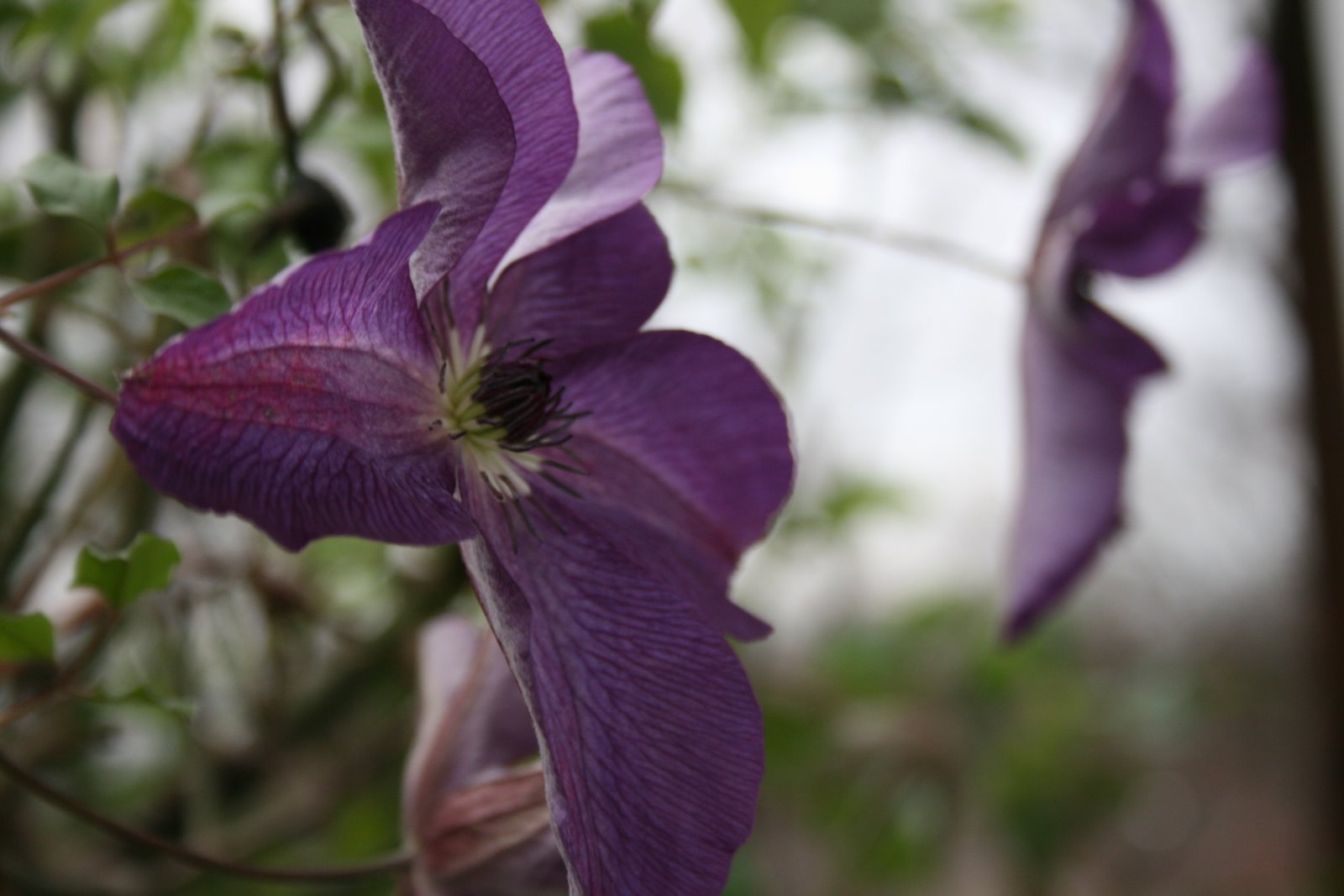 One of my favorite clematis, ‘Venusa Violacea‘ in the Cutting Garden.
 Nicotiana in the entrance to the Bird Garden.
 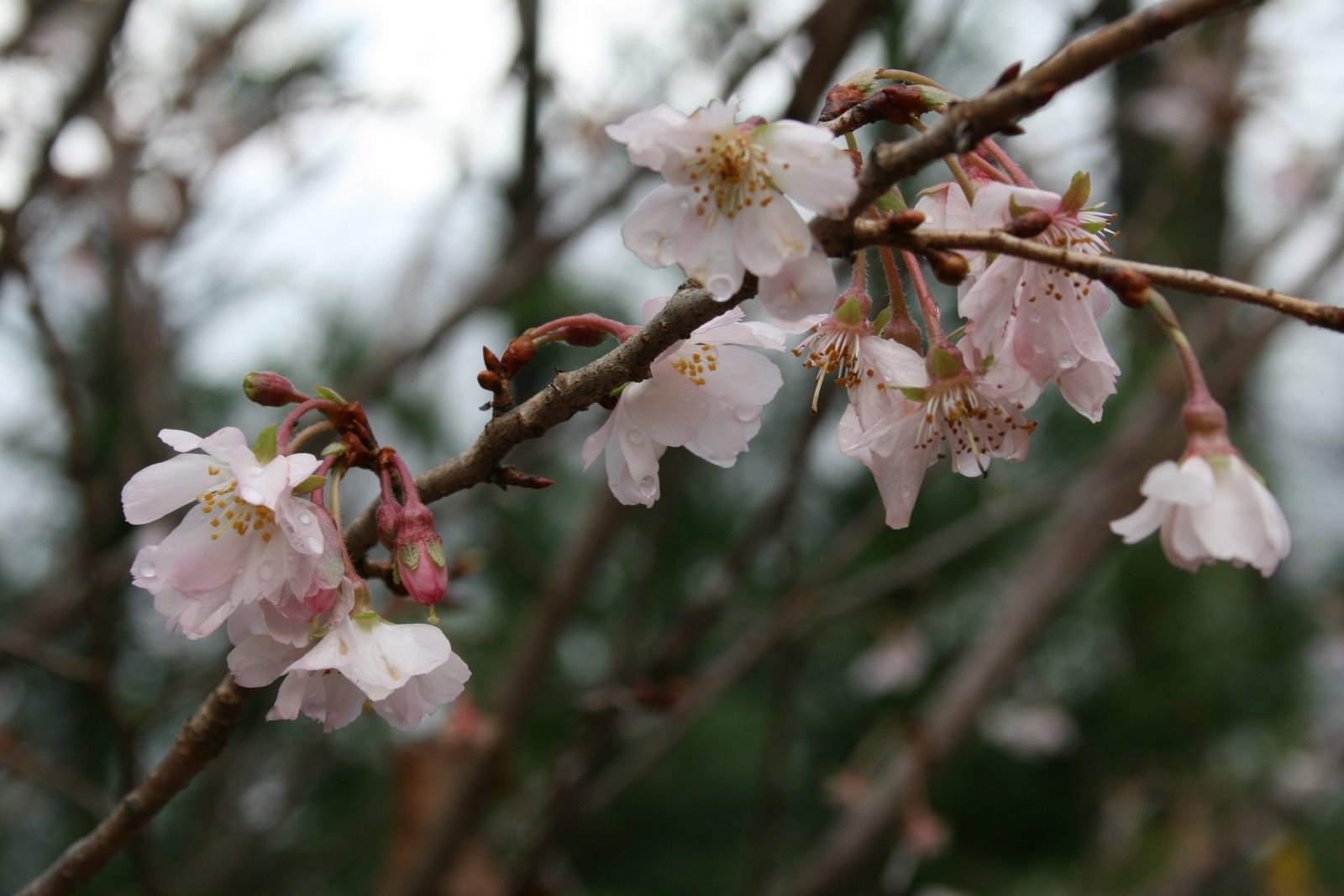 Autumn Cherry in the Walled Garden (more pictures and information here).
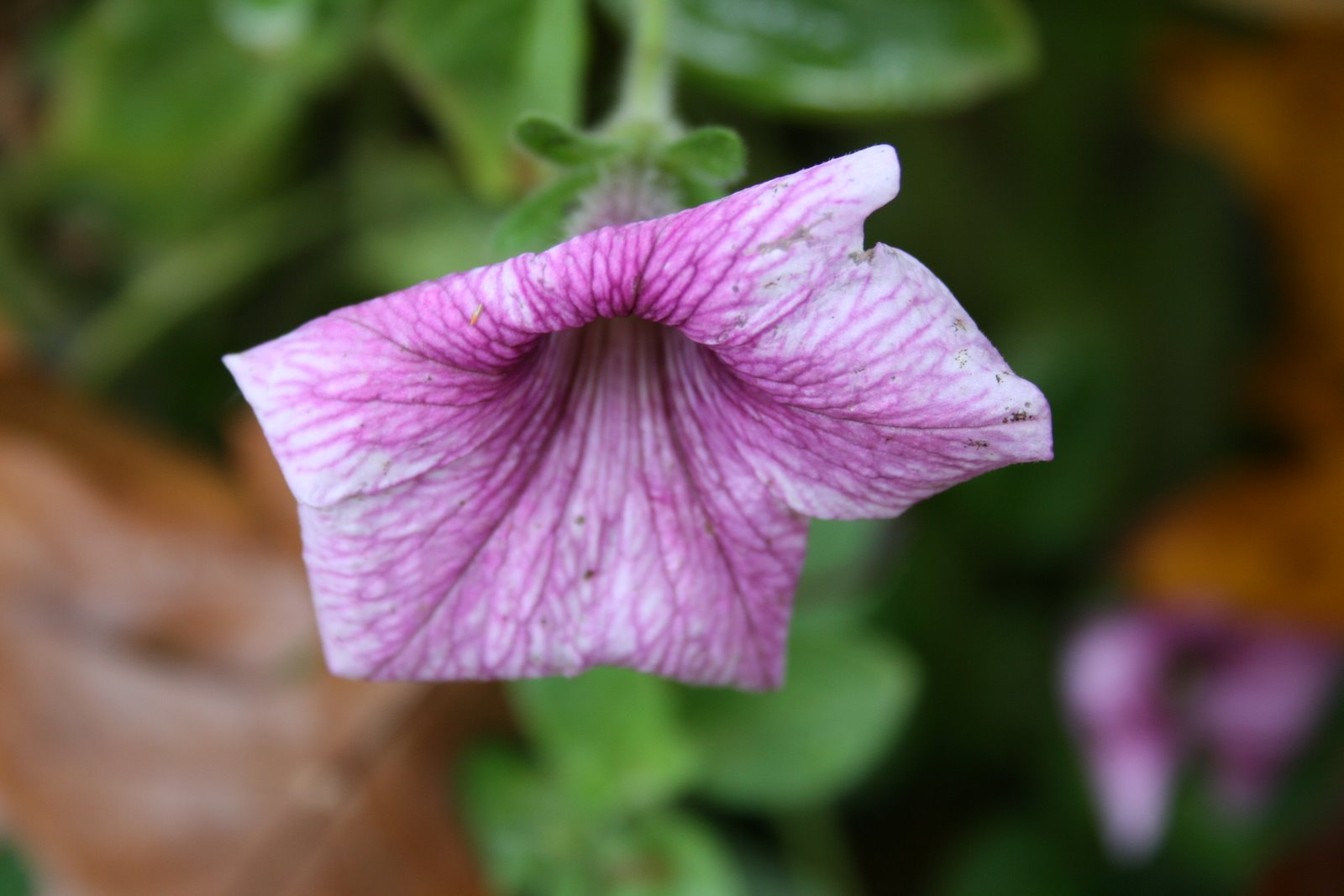 Petunia in a container in the Bird Garden.
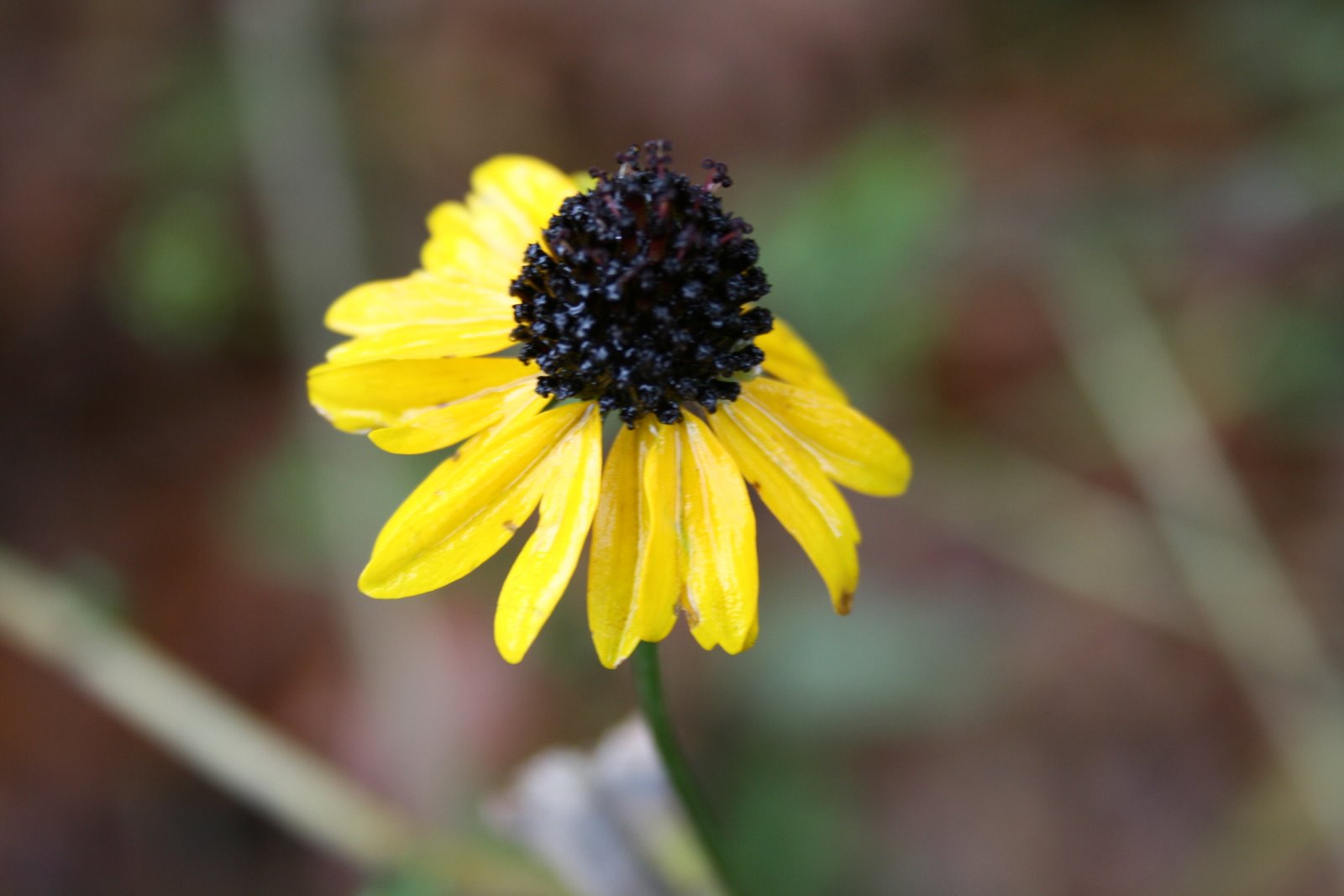 Brown Eyed Susans continue to bloom from August until the frost in the Front Border. As a cut flower, it lasts for over a week in a vase.
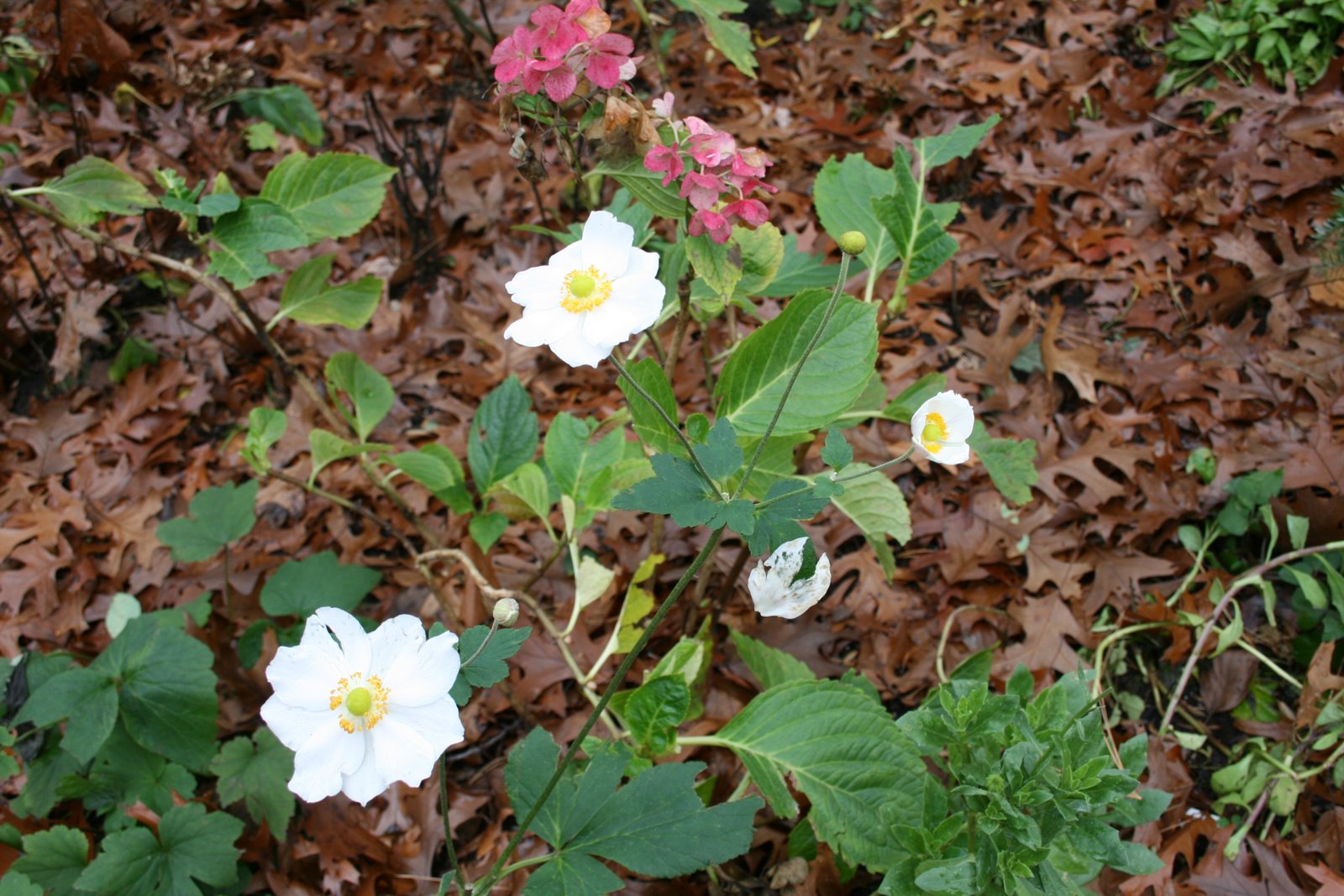
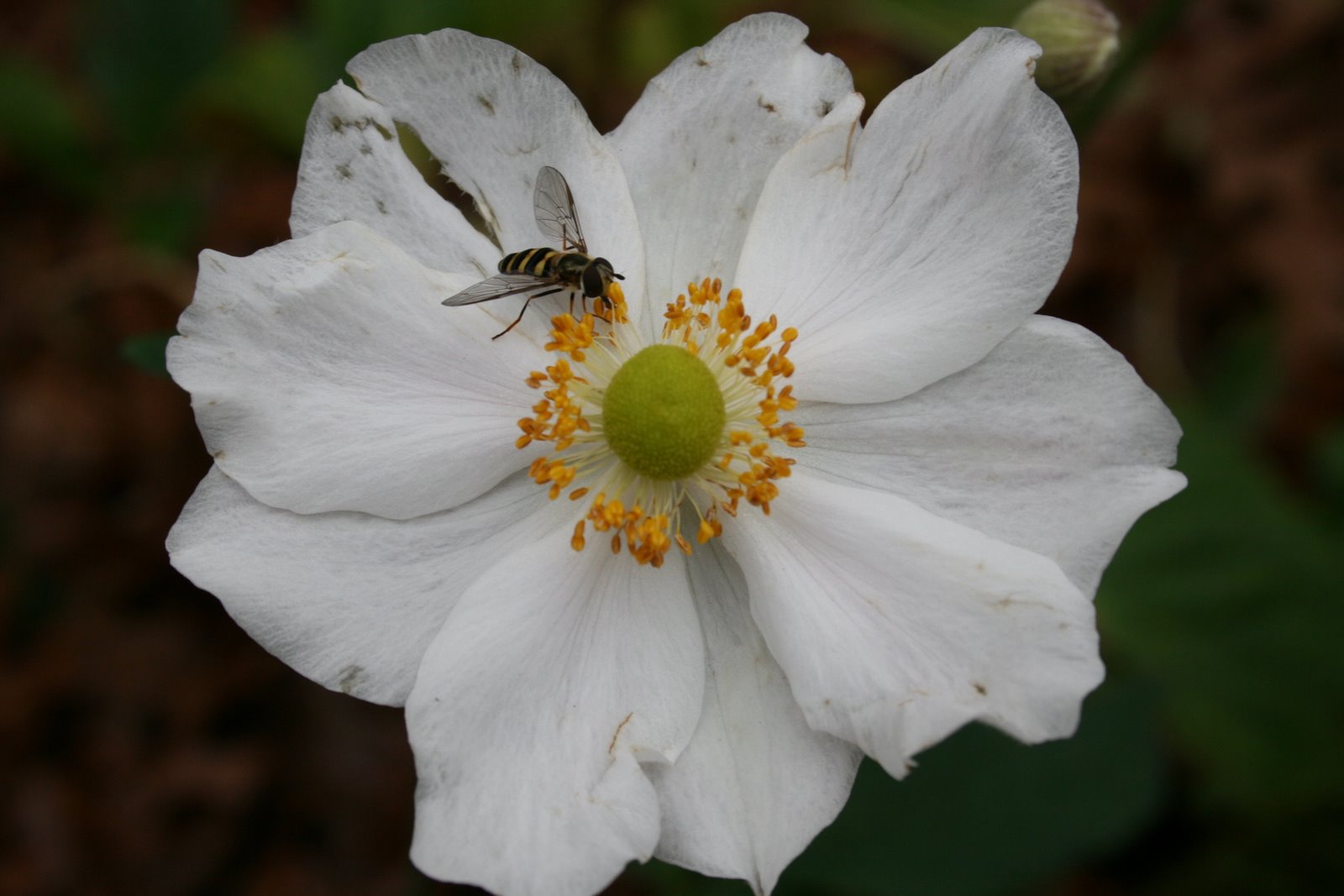 Japanese Anemone in the Front Border. The white was so bright it took me several attempts to get this picture.
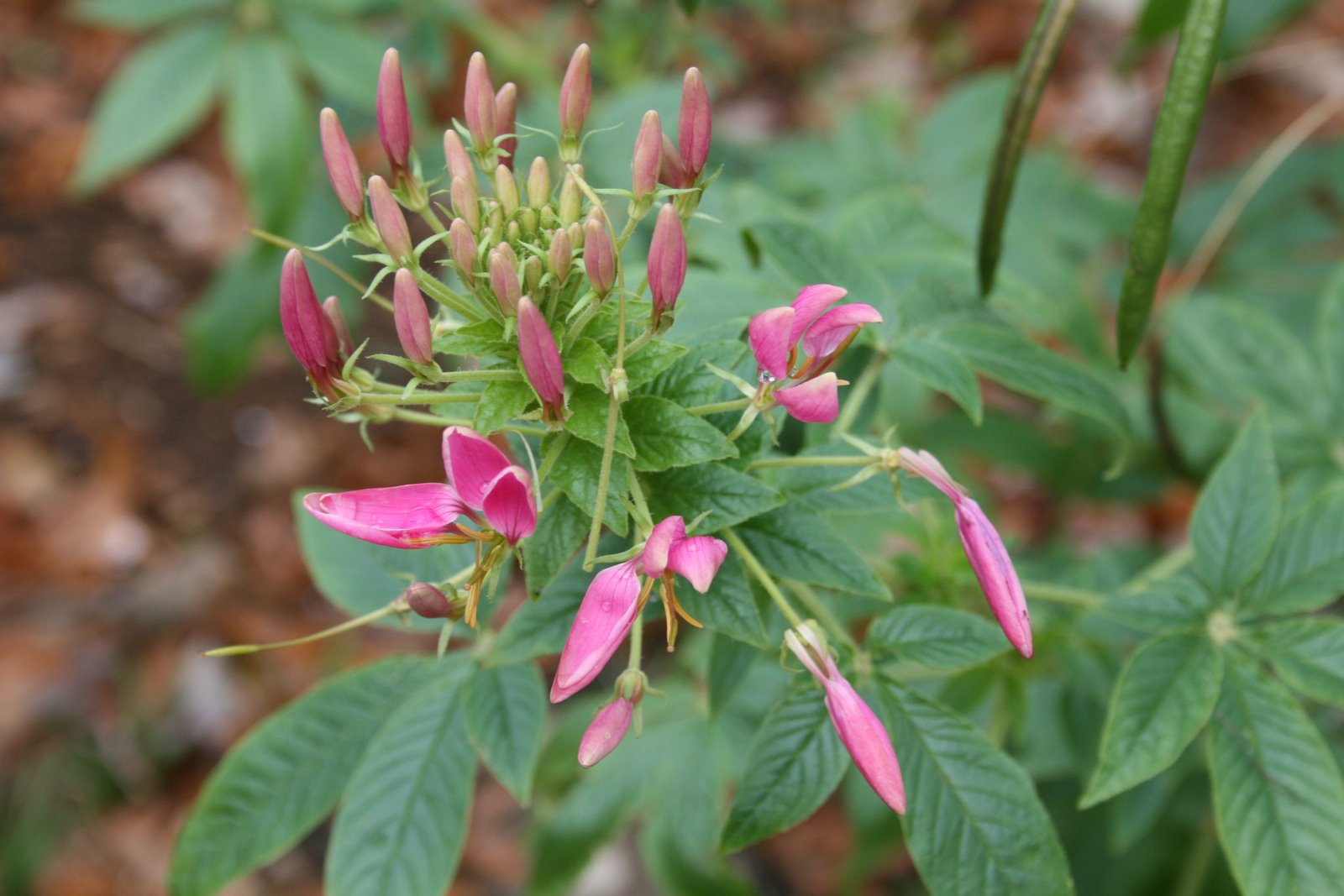 Self seeding Cleome or Spider Flower are all over the garden. This one is in the Walled Garden.
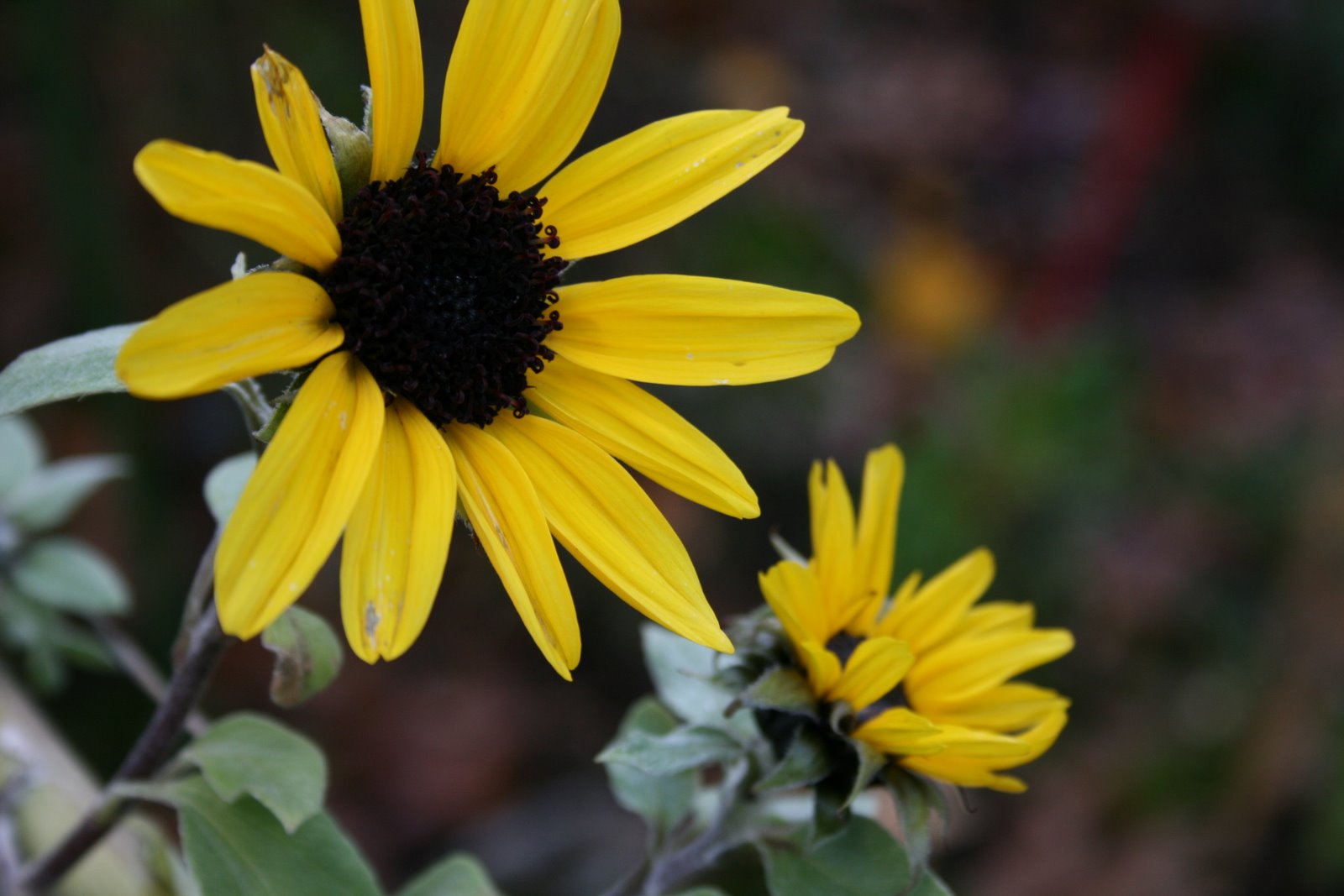
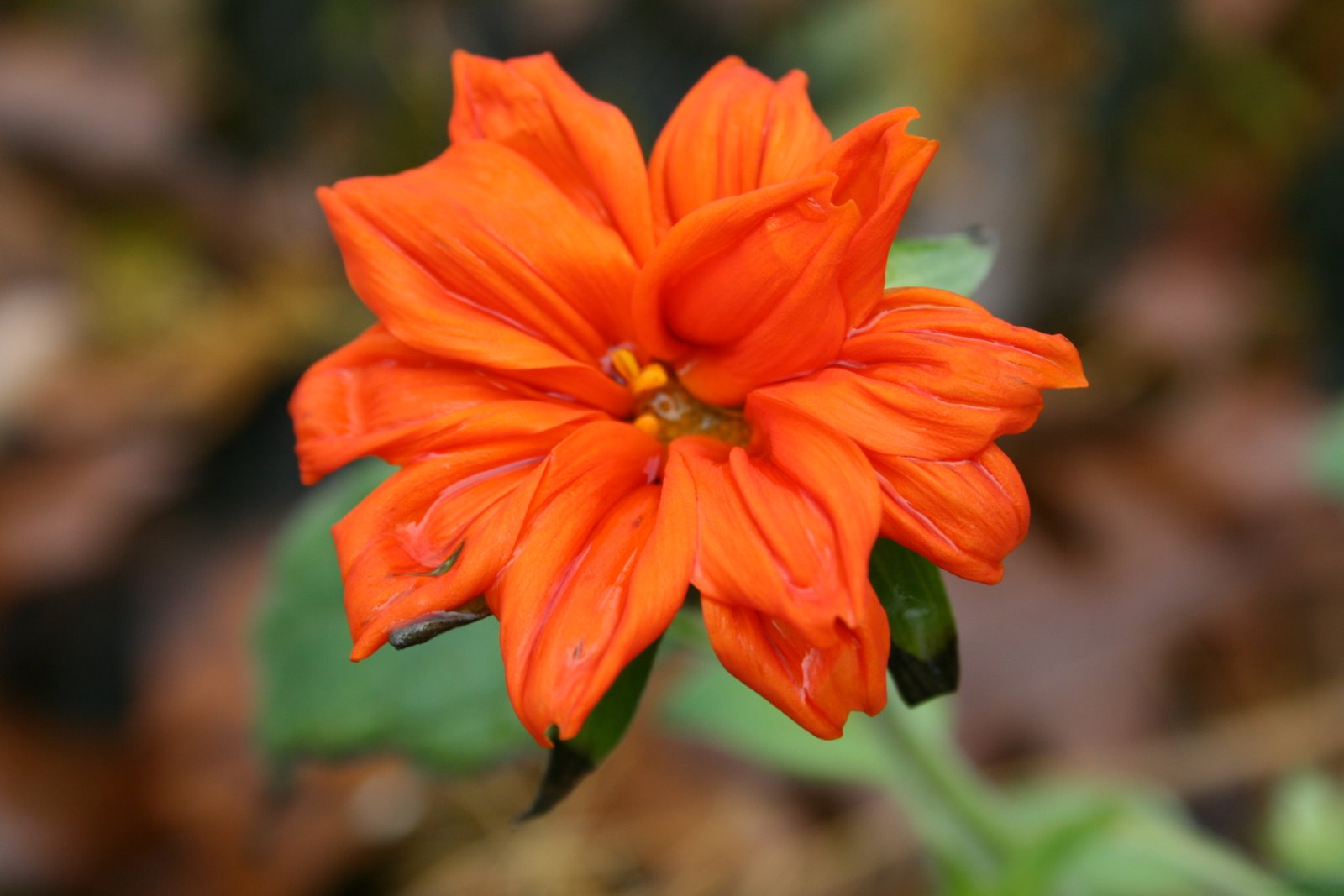 Mexican Sunflower in the Children’s Garden.
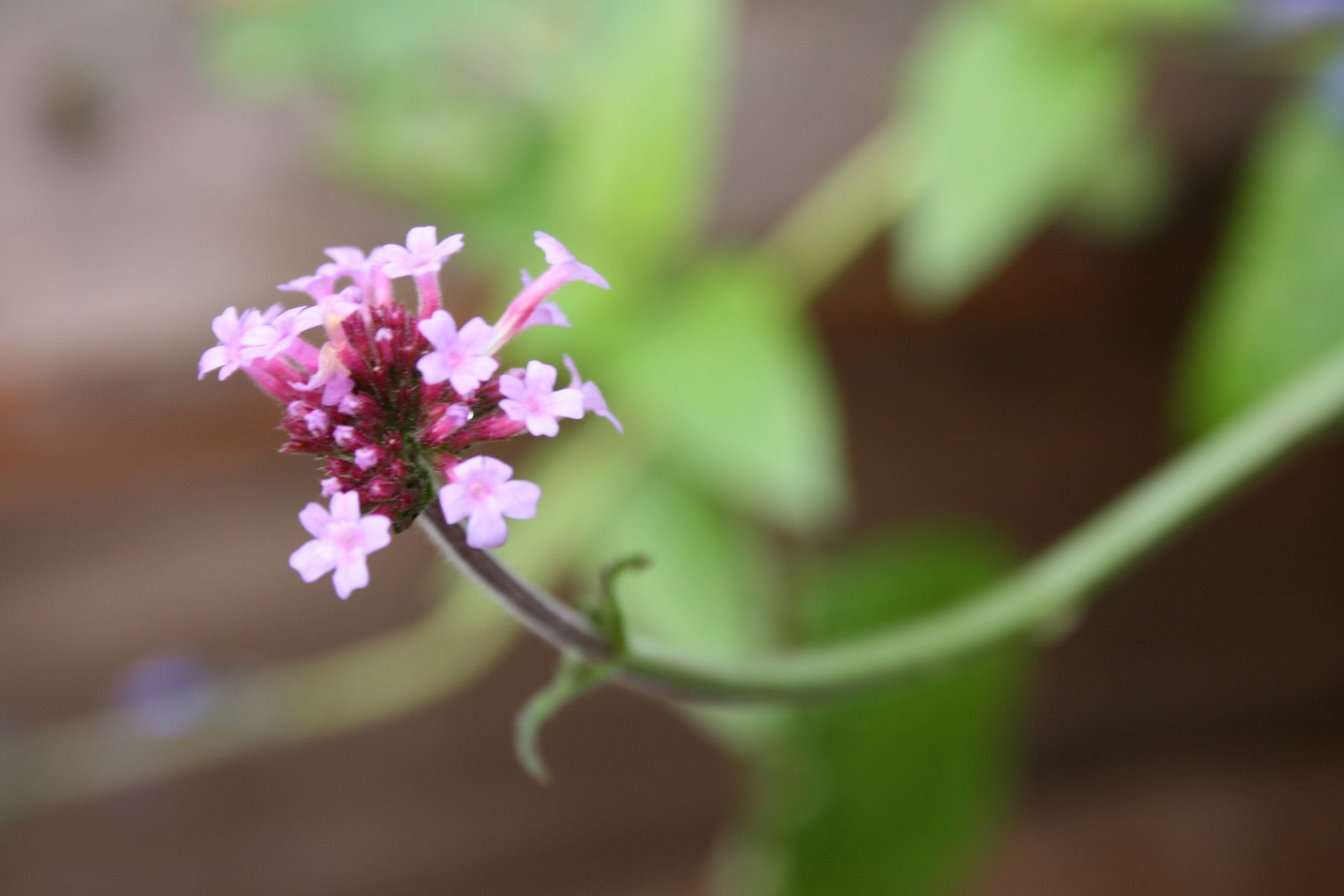 Verbena bonariensis in the raised vegetable beds in the Children’s Garden.
 Globe Thistle on Lilac Hill.
 Mexican Bush Sage – Salvia leucantha outside the Children’s Garden.
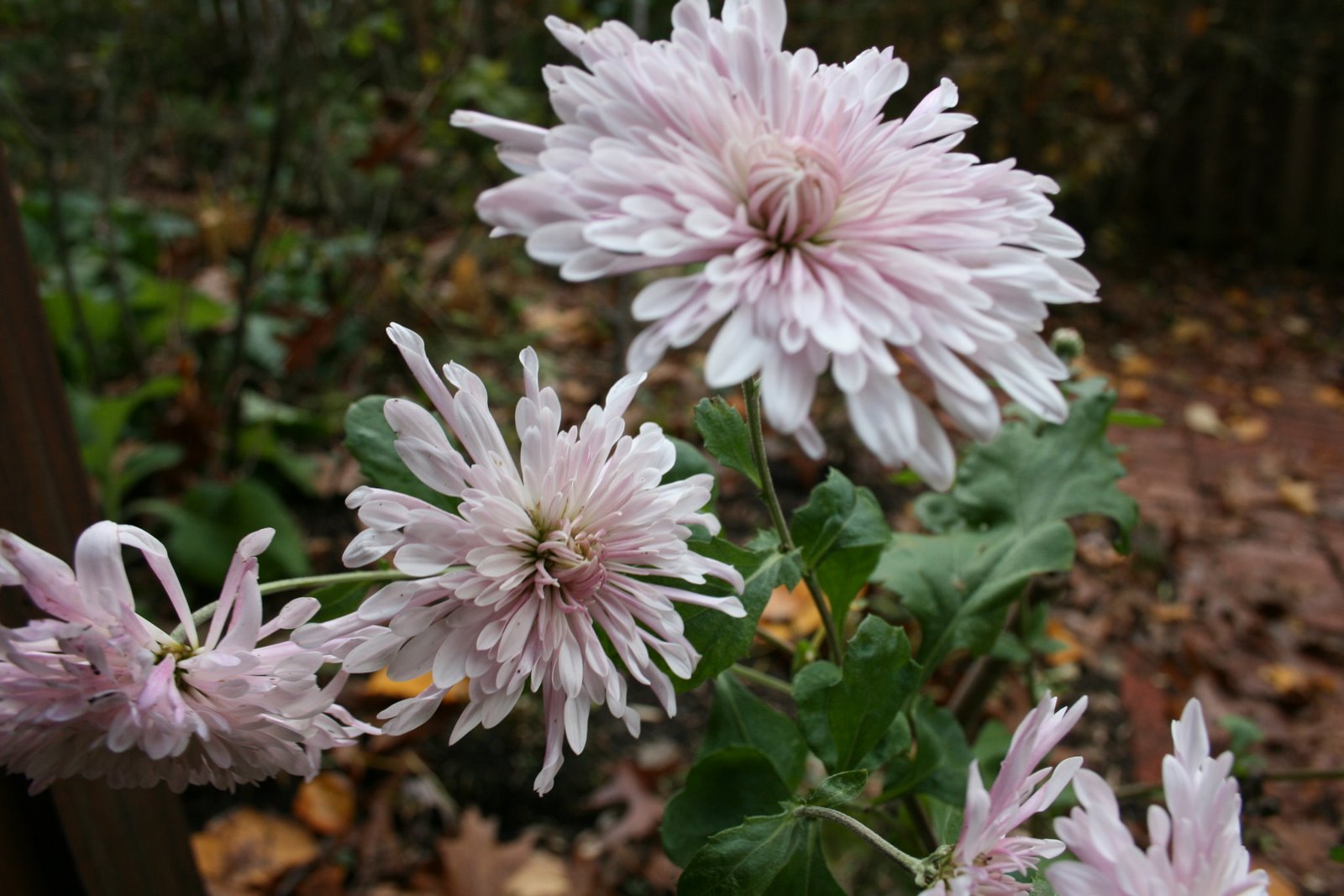
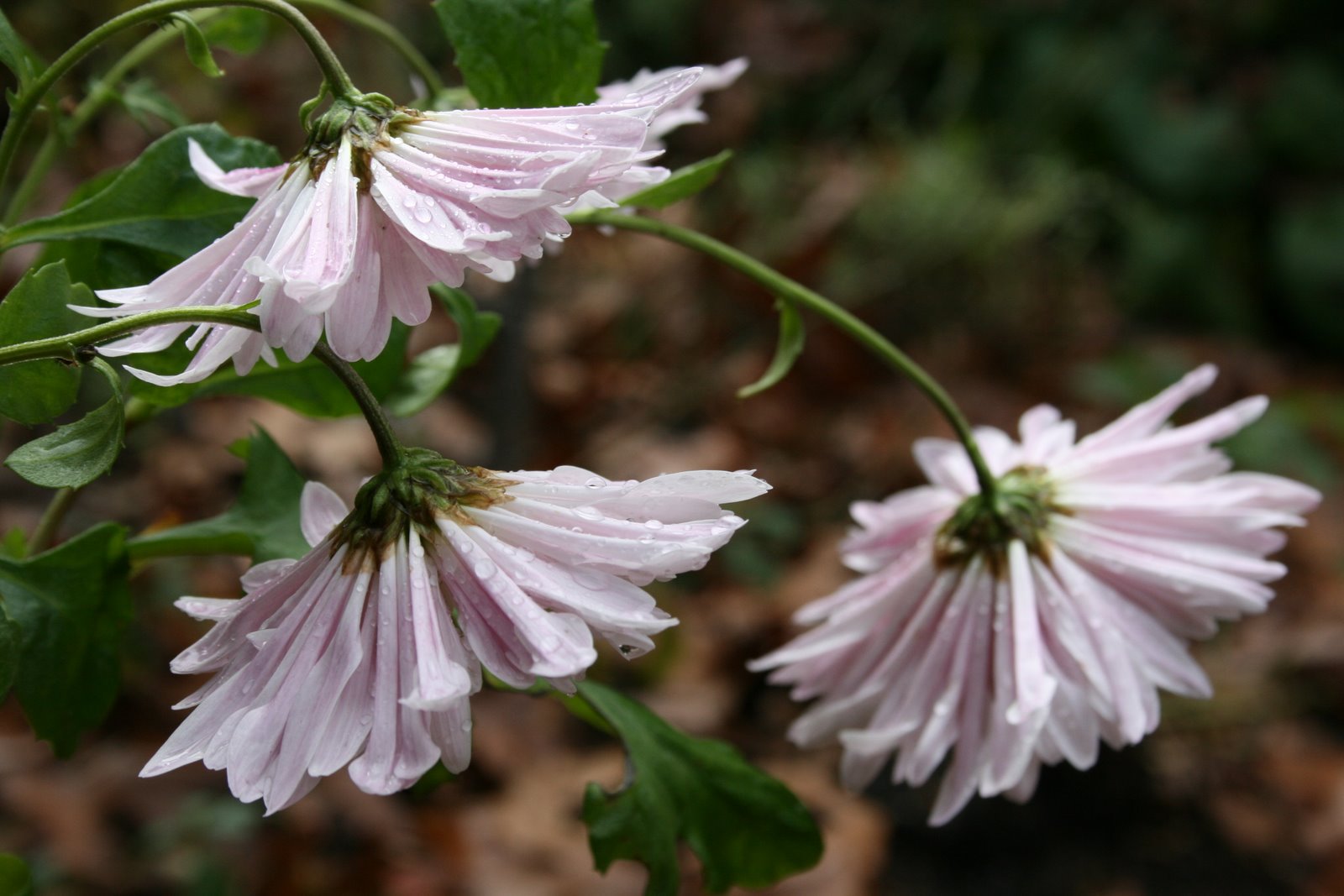 Chrysanthemum on the edge of the Rose Garden.
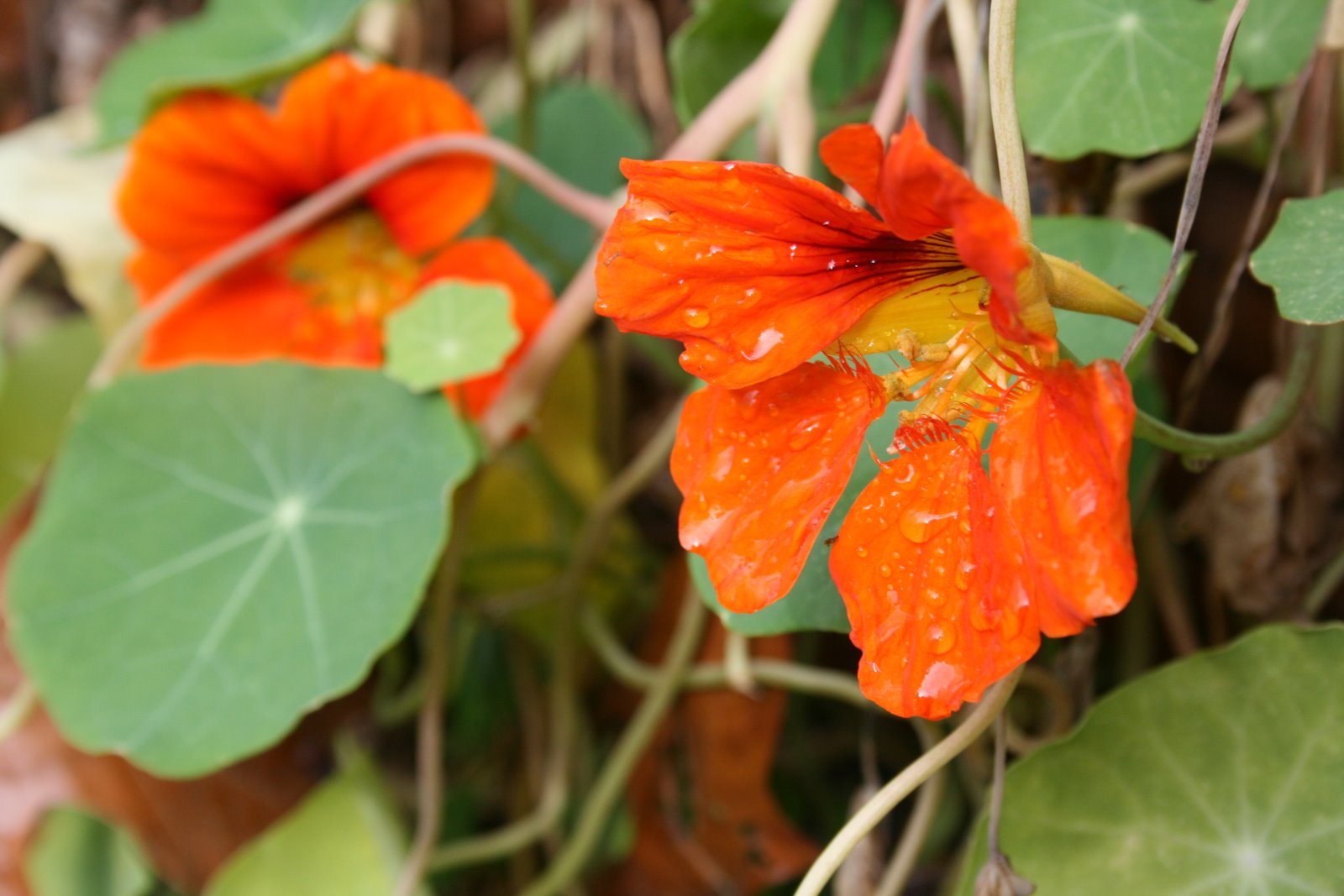 Nasturtium trailing from a container on the deck.
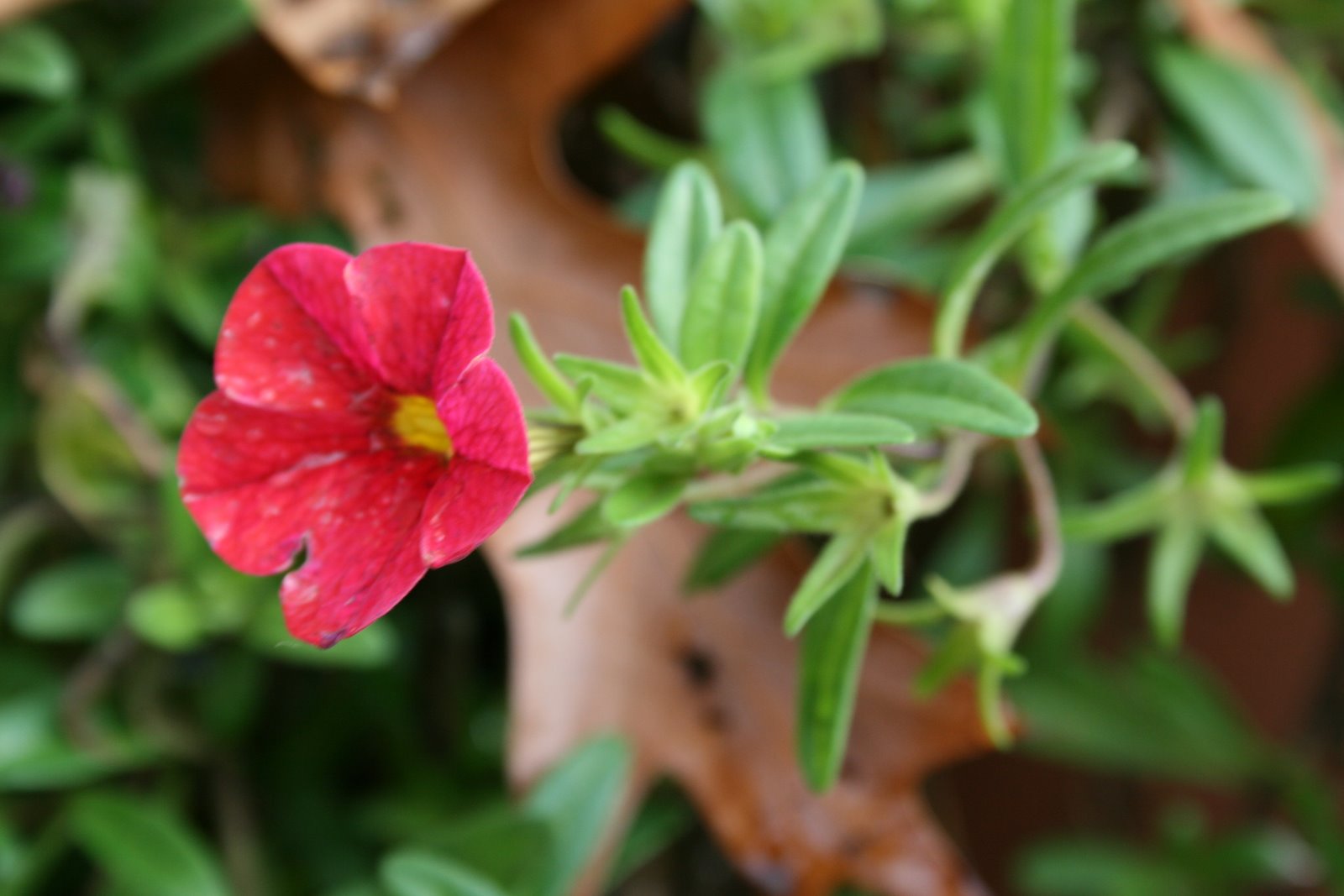 Petunia in a container on the deck.
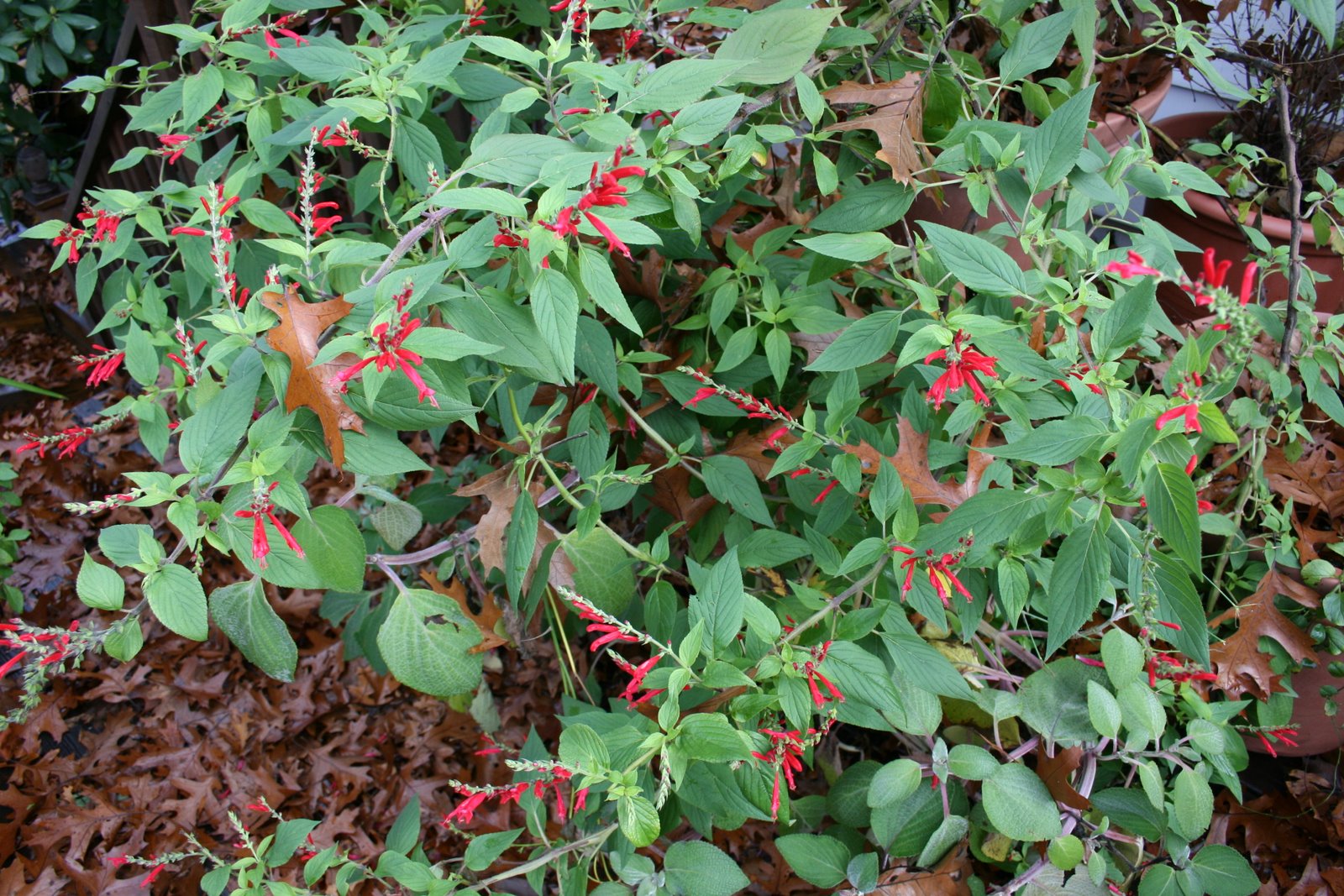 Salvia elegans in a large pot on the deck.
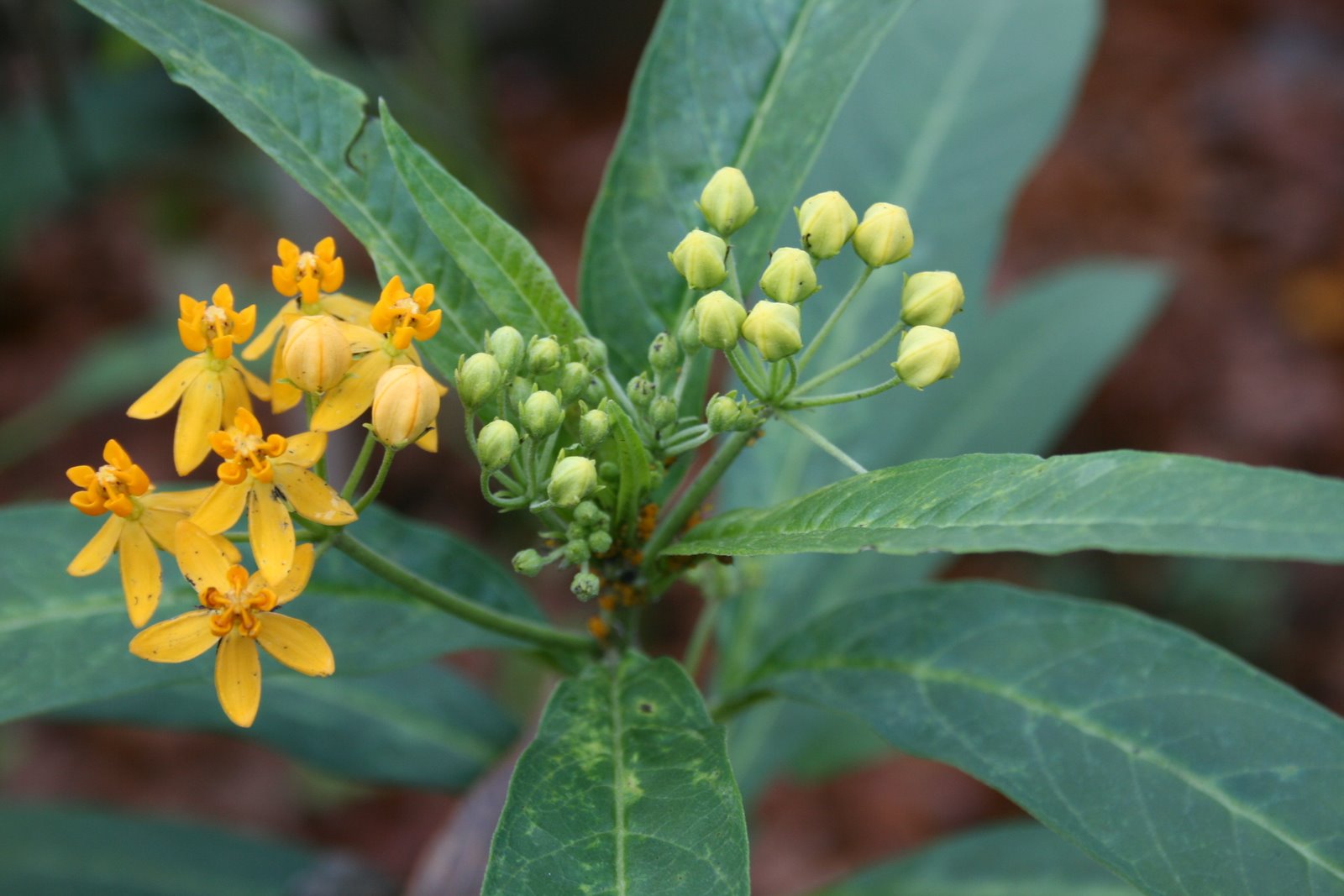 Asclepias curassavica–annual Butterfly Weed–at the entrance to the Bird Garden.
 Salvia farinacea outside the Bird Garden.
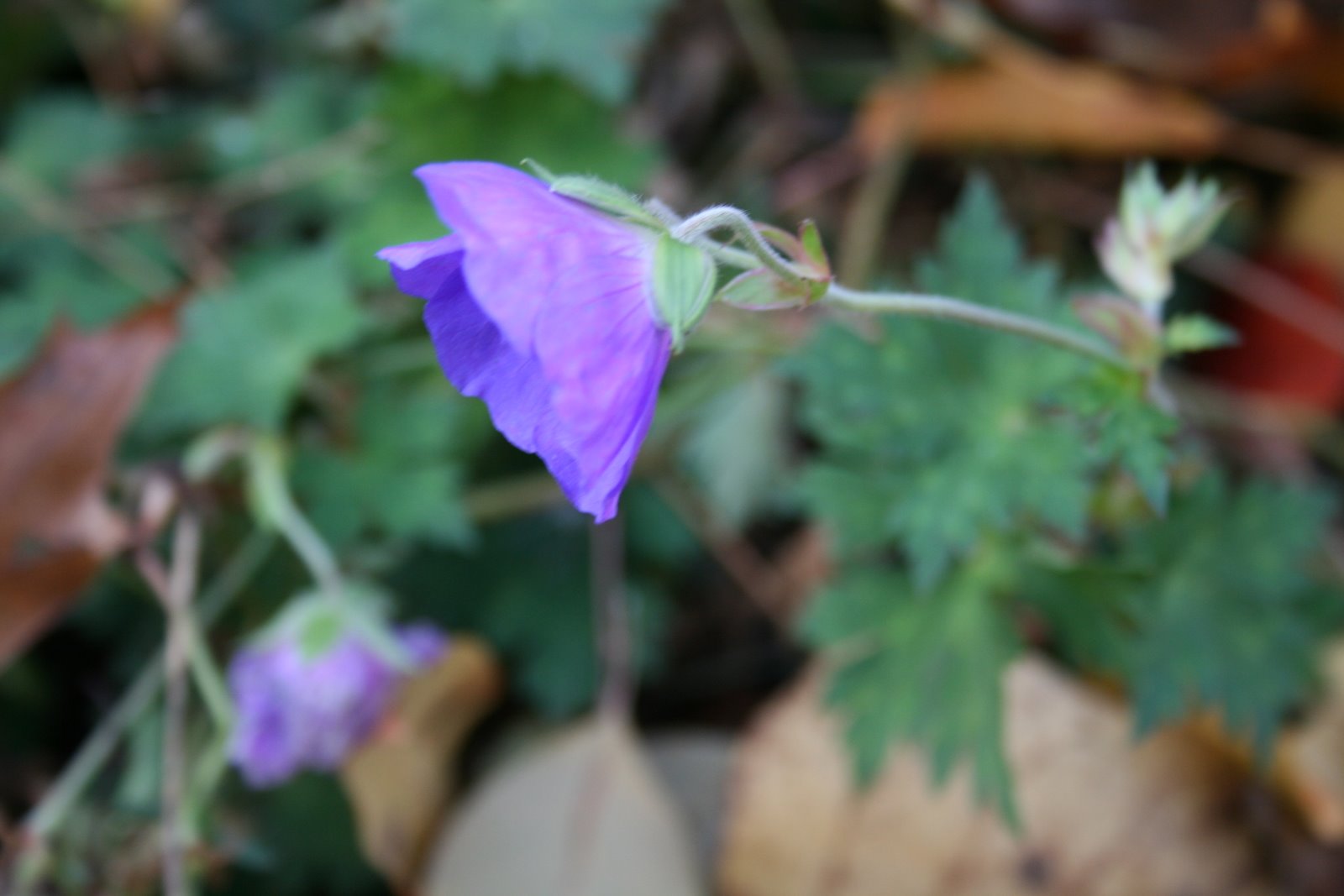 Geranium ‘Roxanne’ is everywhere in the garden. It’s one of the most useful edging plants I know. This one is in the Long Border.
 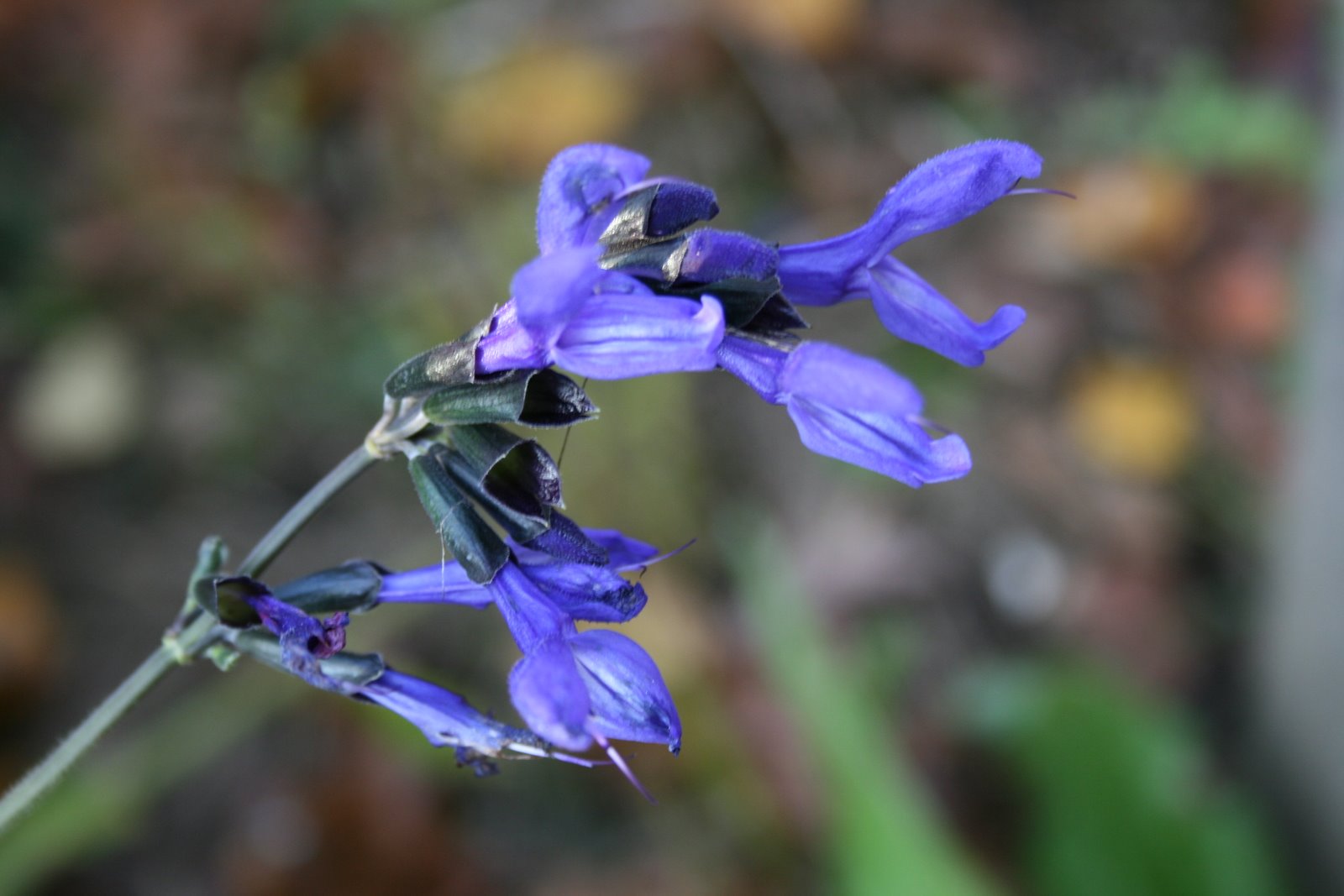 Salvia guaranitica grows in many places. It acts like a screen in the Egg Garden and elsewhere it’s a wonderful hummingbird attractant. This one is in the Children’s Garden.
 As a relatively new blogger, I’m still learning about all of the different blogging tools available. On Google Analytics, I’ve just figured out how to look at the keywords and web pages that visitors to my blog have been searching and reading.
~
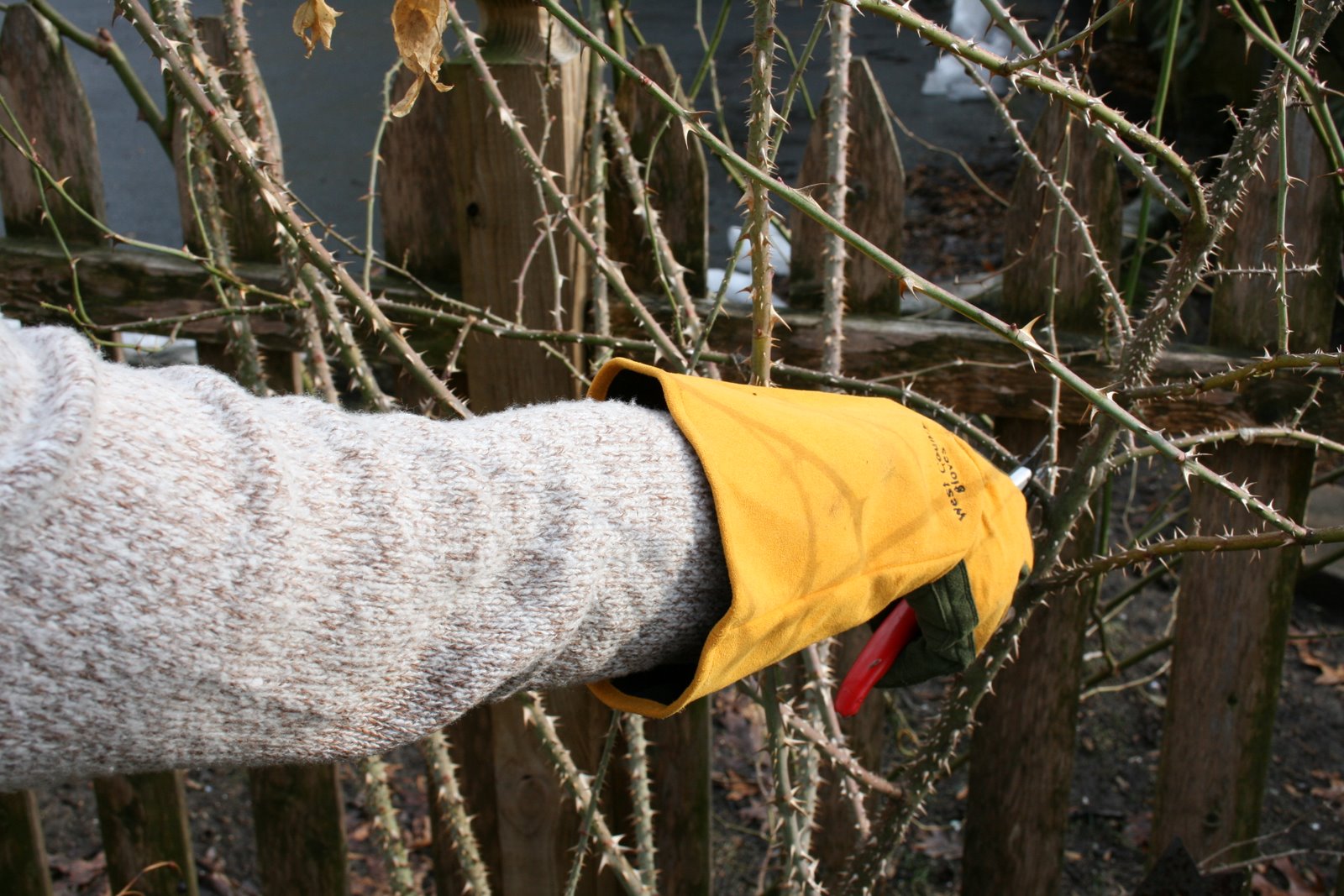
Much to my surprise, I’ve recently attracted a lot of traffic to my prior posts on pruning roses and hydrangeas. My advice? Wait until late winter/early spring. I do absolutely no pruning of hydrangeas at this time of year and the only pruning of roses that I do is either of completely dead wood or canes that have grown so tall that they are likely to break in the winter winds and damage the rest of the plant. For more information, click below:
~
Hydrangeas: Why and How to Prune
How to Prune Roses, Part I: An Introduction
How to Prune Roses, Part II: Old Rose Pruning Secrets
How to Prune Roses, Part III: Why Prune?
There was a time when I didn’t think I liked grasses in the garden. Then, I visited the Cutler Botanical Garden in Binghamton, New York, and I was taken by the beautiful display grasses that they have there. Now, I have grasses in grasses in most of my mixed borders, and they are particularly lovely in autumn with their plumes, as you can see below. These pictures were taken about ten days ago and the grasses are now turning color from summer green to winter straw. I’ll leave the grasses up for the next couple of months to provide some winter interest before cutting them down at the end of the winter/beginning of spring before the new growth begins.
~
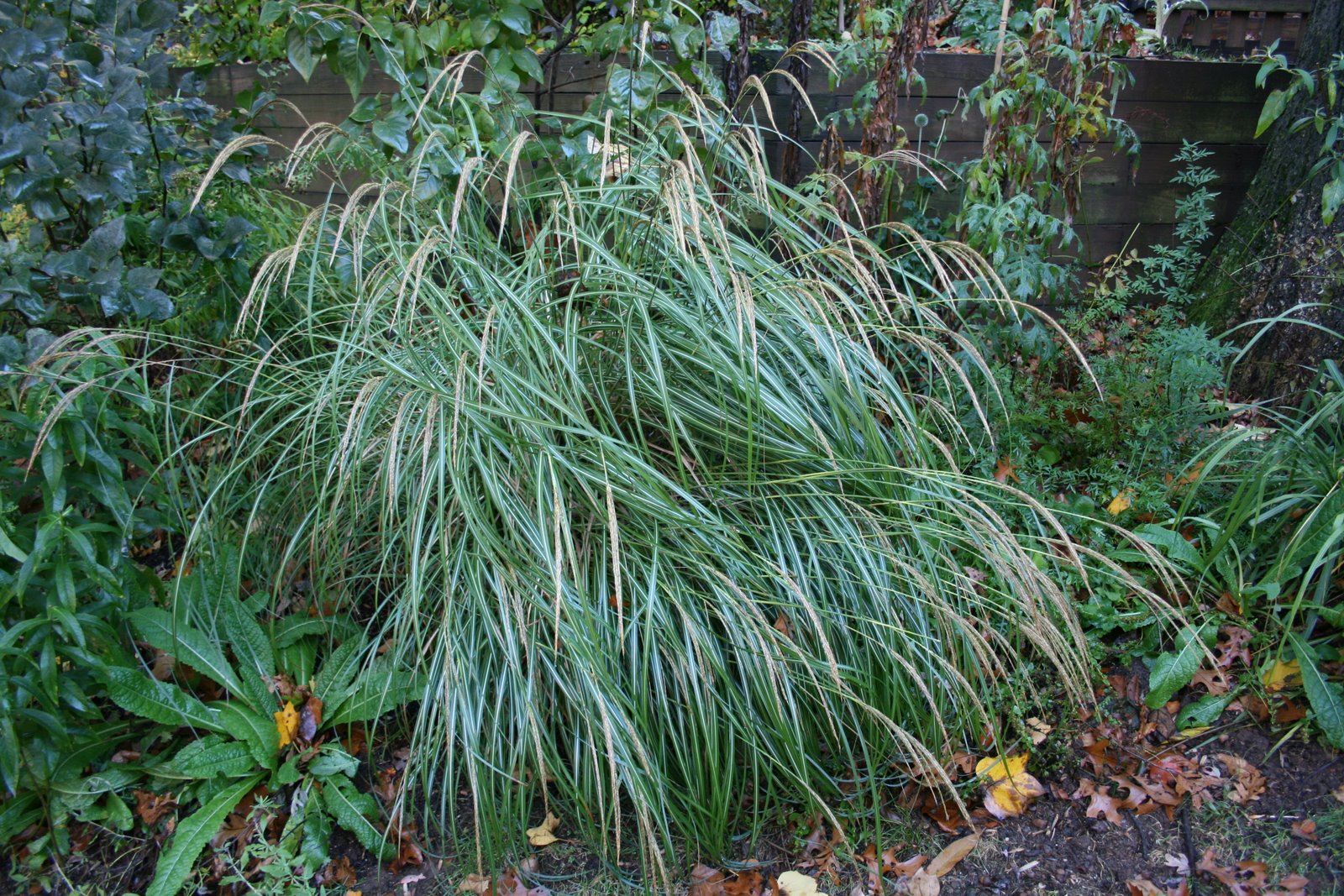 Lilac Hill
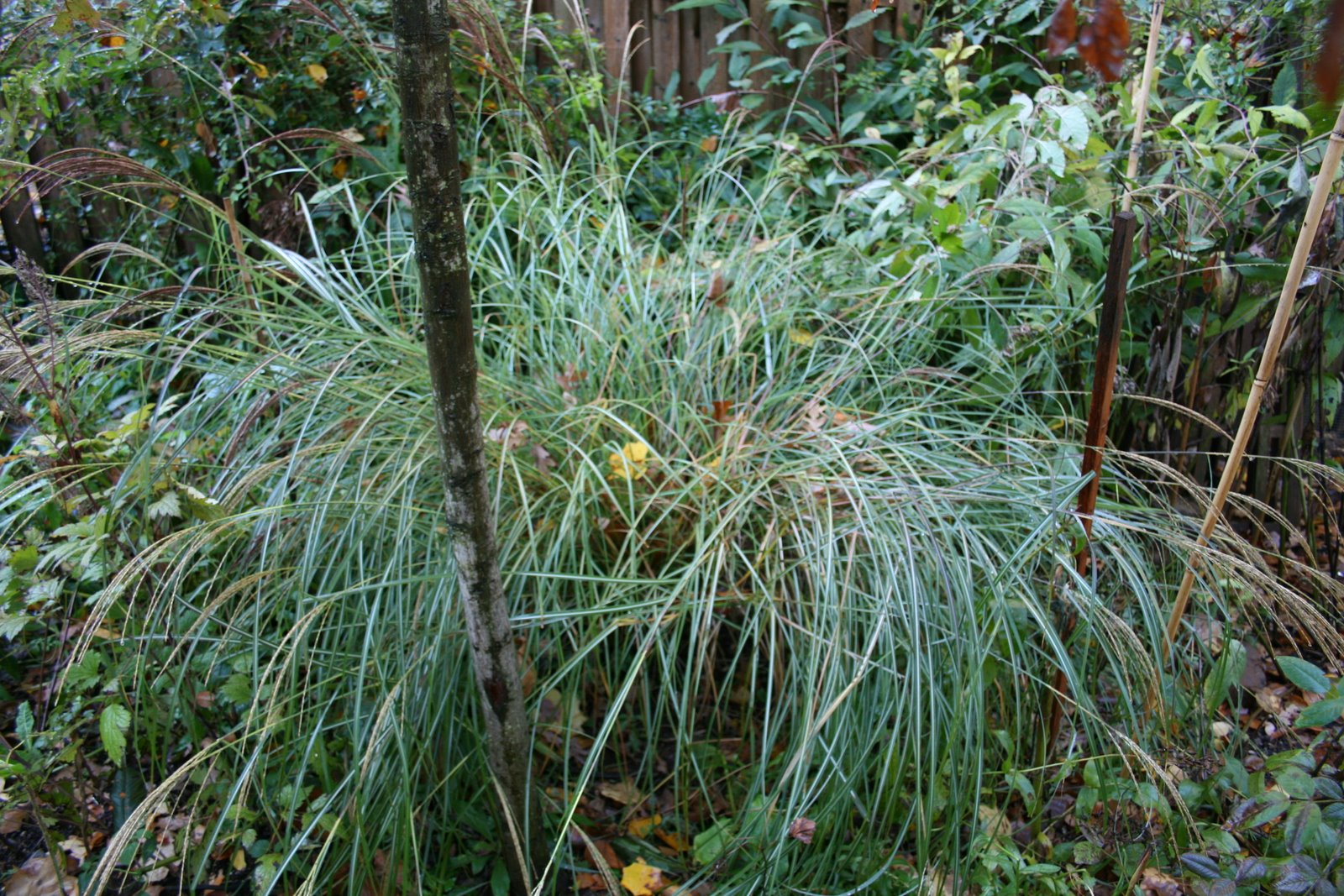 The Long Border.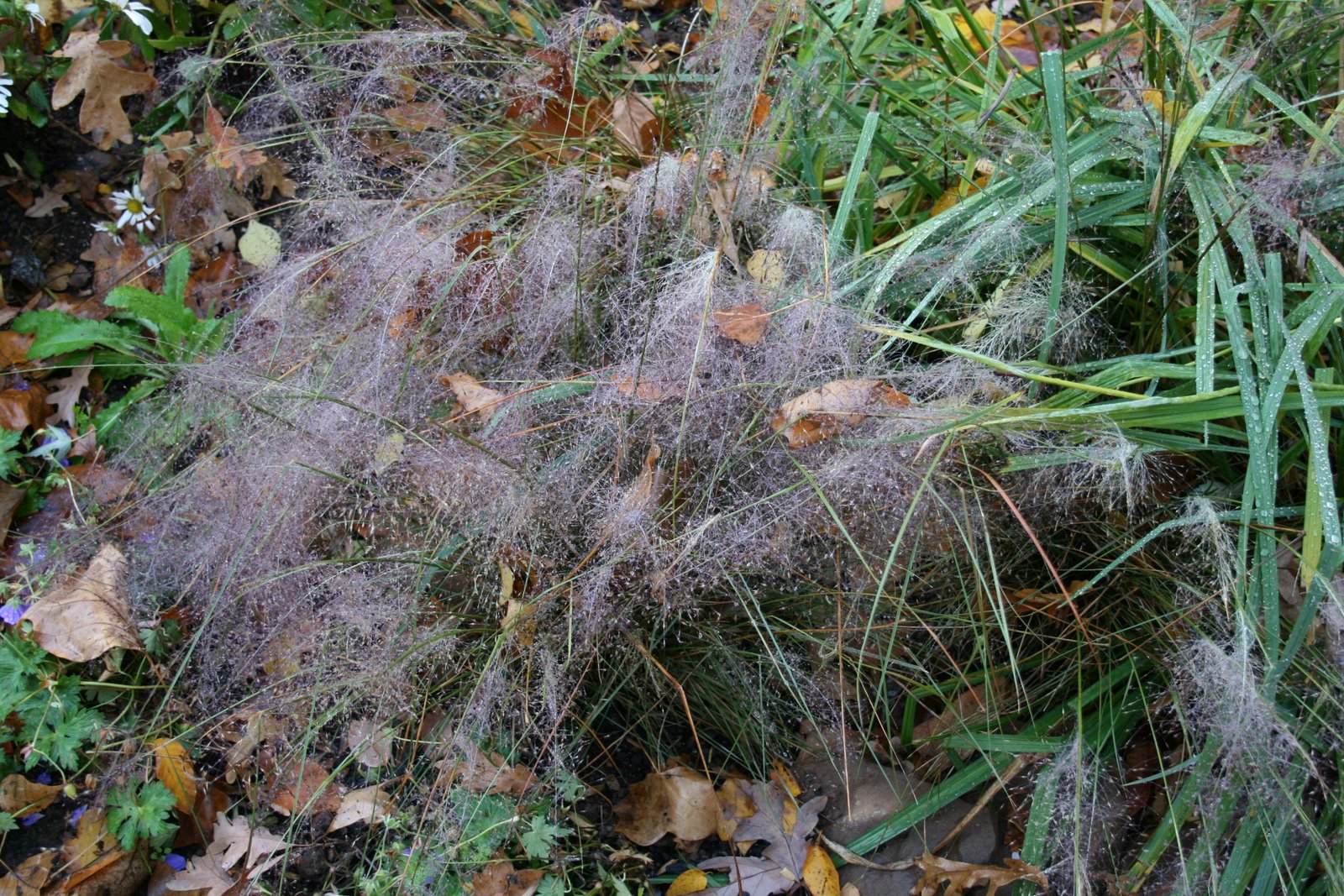
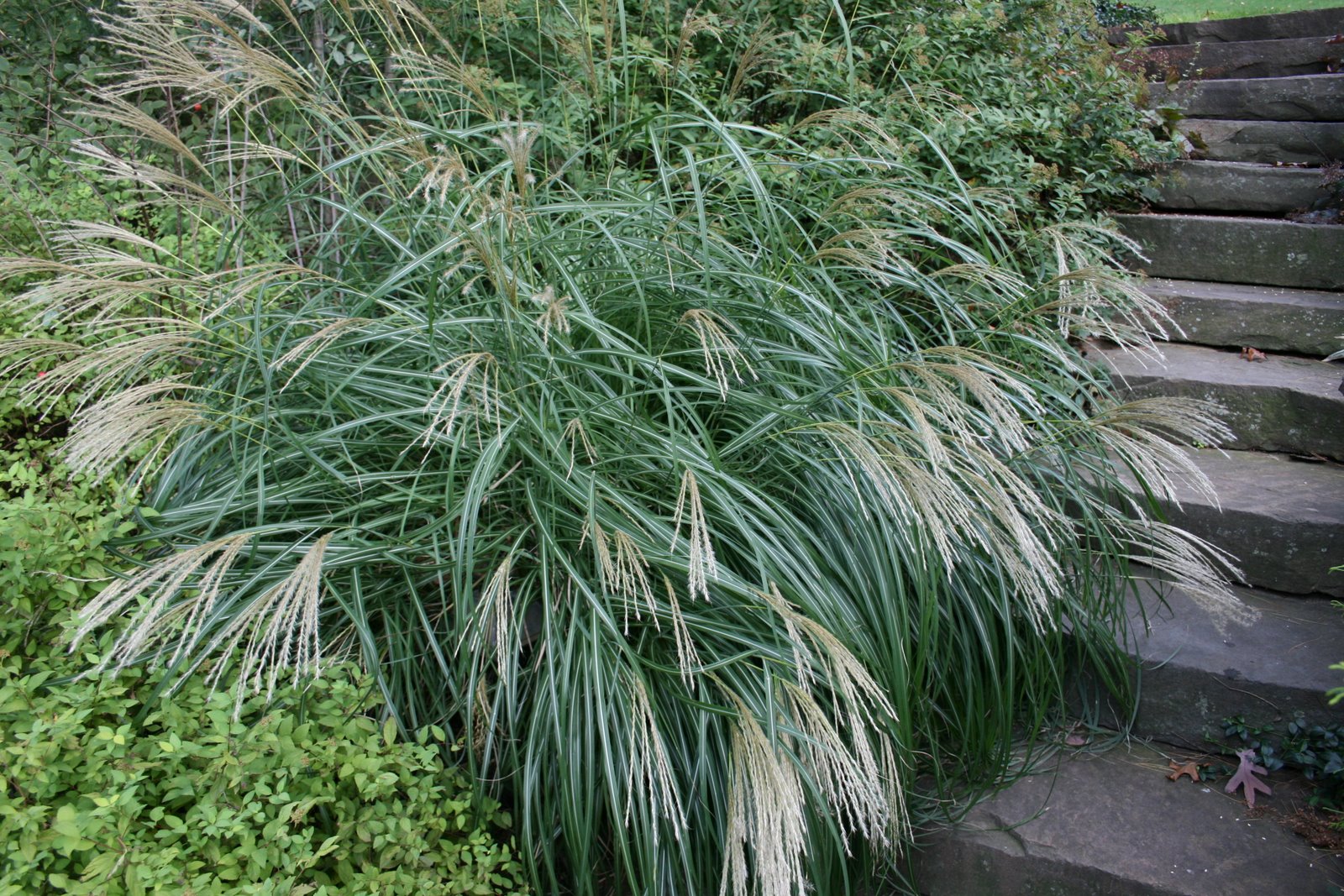 Goldberry Hill.
 The Egg Garden.
 In the Rose Garden.
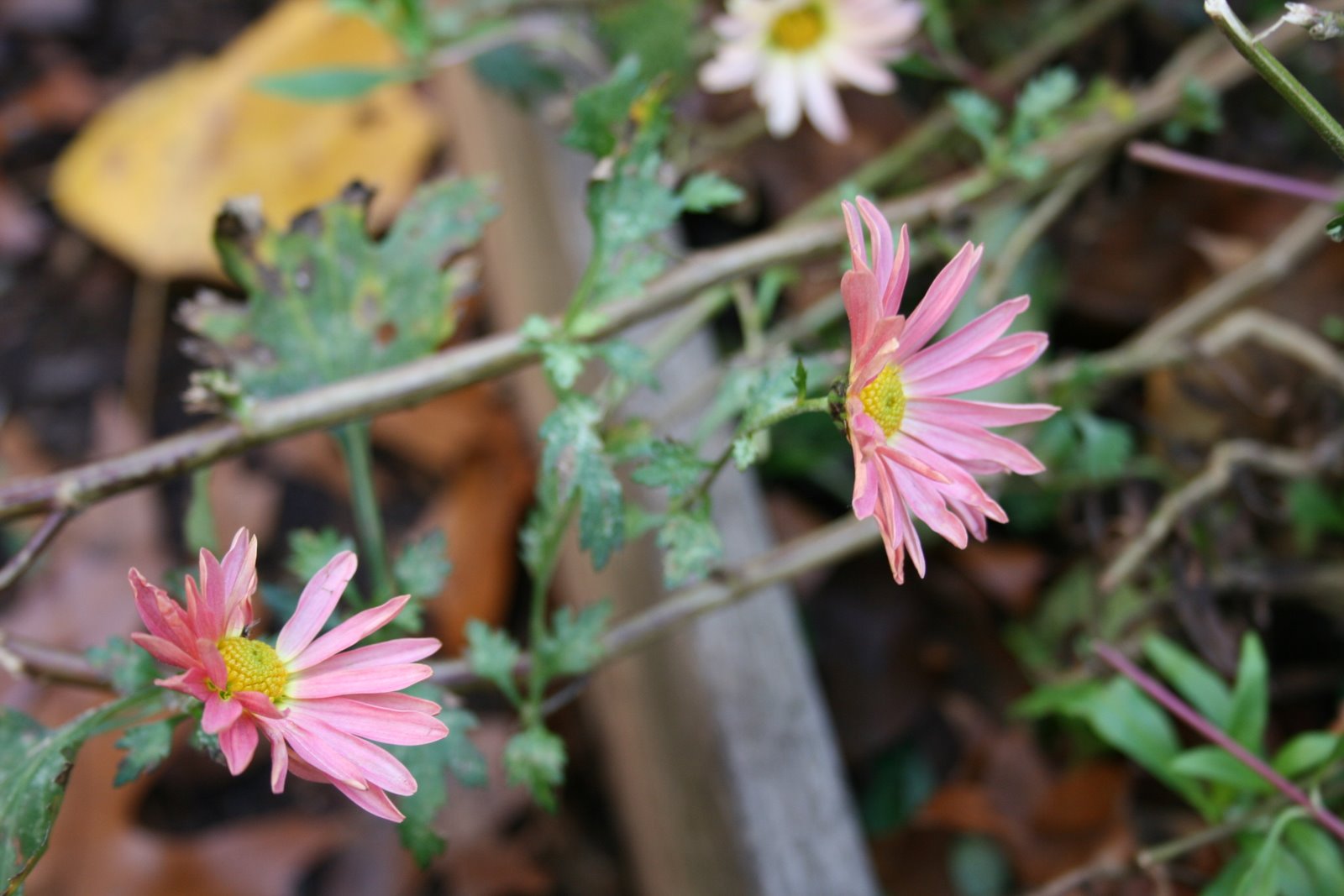 In the Cutting Garden.
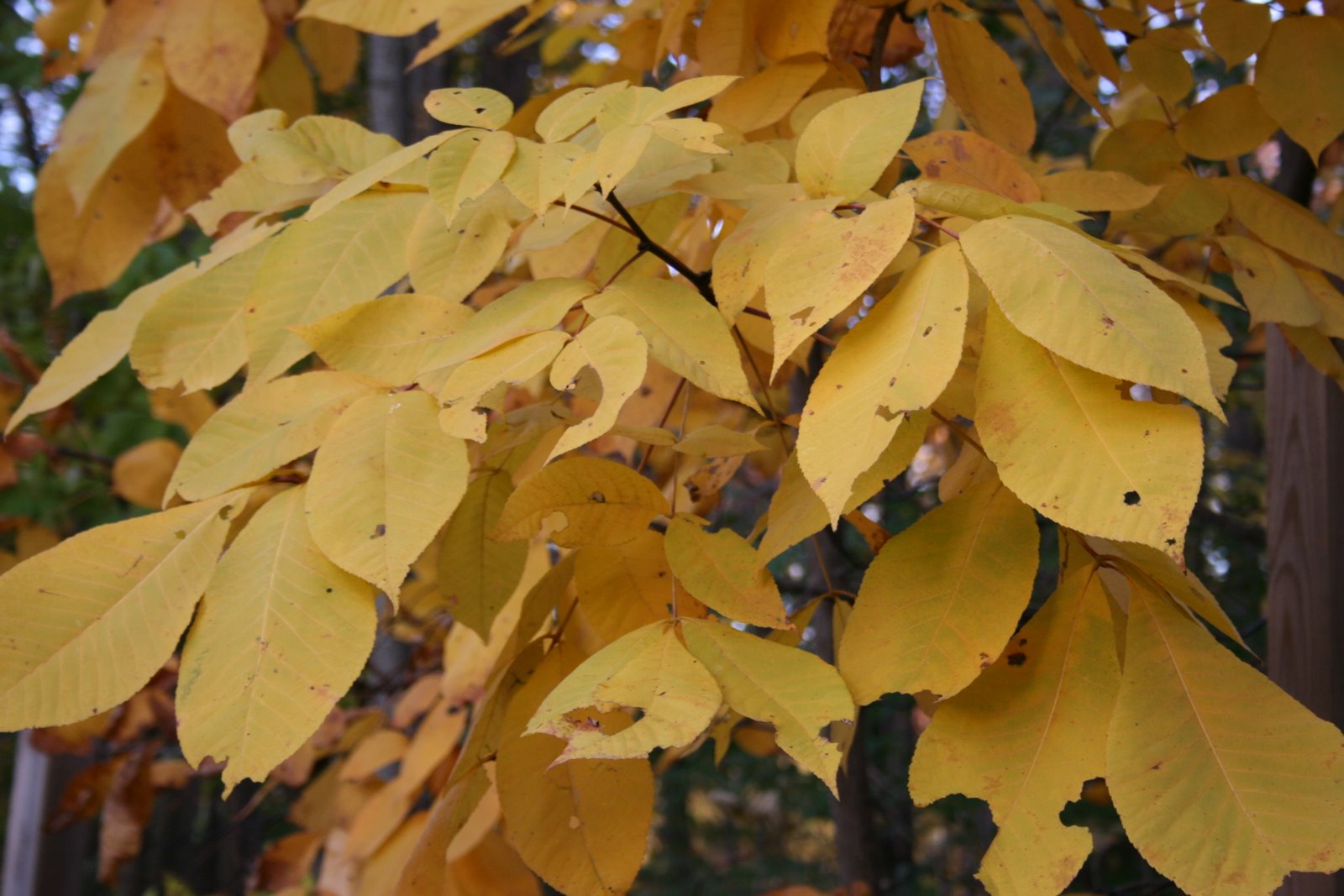
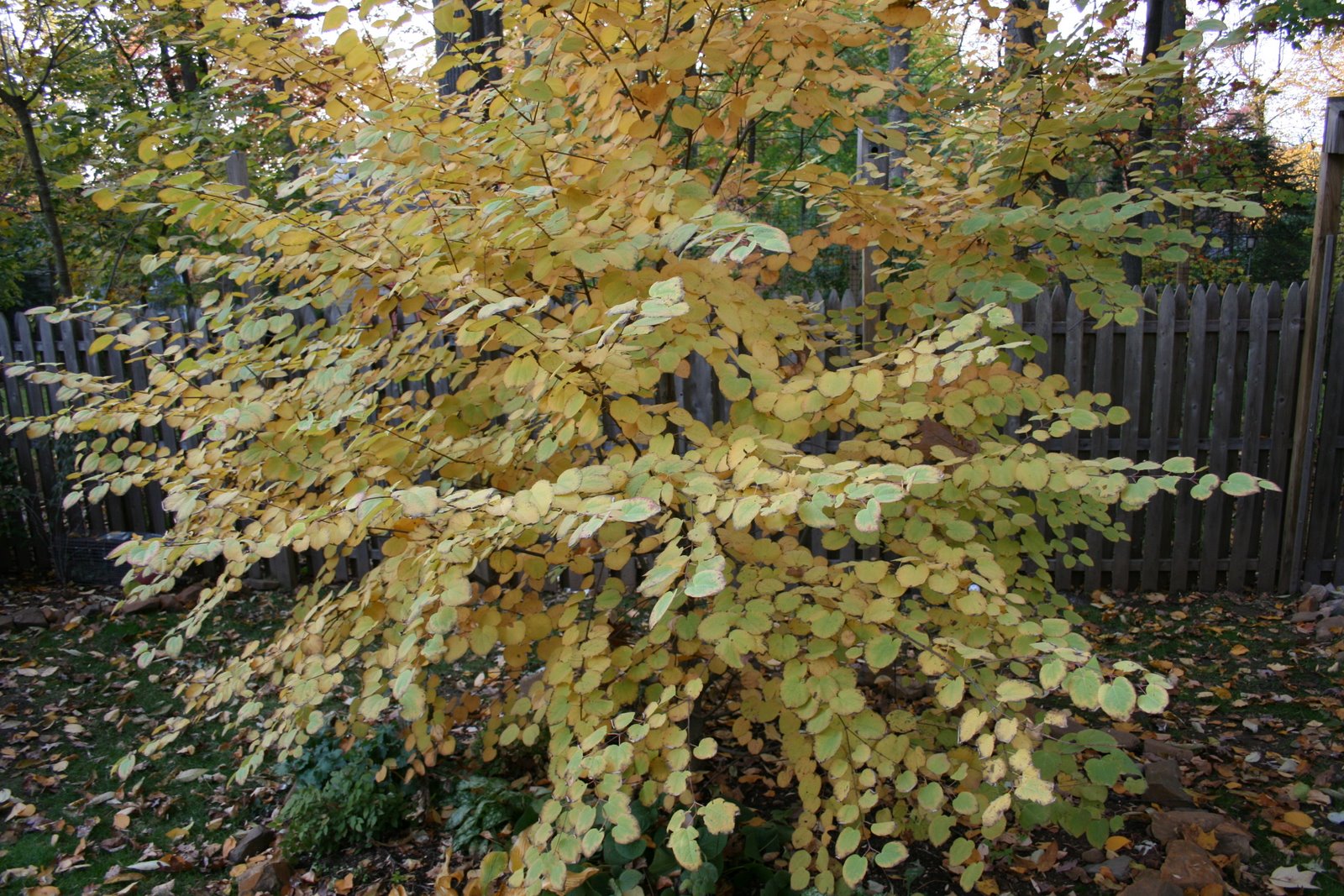 Purchased five years ago at a benefit for the Reeves Reed Arboretum in Summit, New Jersey, this Katsura tree, Cercidiphyllum japonicum, has grown from two feet to about twenty feet tall. Because of its beautiful form (it will be great to climb in about fifty years) and leaves (now yellow), it is one of my favorite trees in the garden. In addition, its most unique feature is its caramel-like fragrance that you experience in the fall. It is planted in the backyard next to the fort and in front of the deer fence.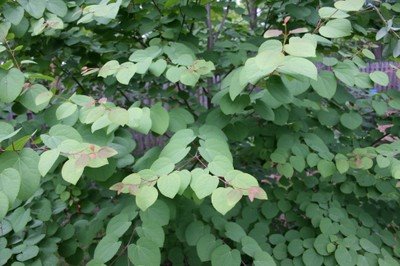
Update: as requested, here is an additional picture which displays what the leaves of the Katsura tree look like during the spring and summer.


 Heirloom Gardener