A Flowering Tree for Spring and Fall: Autumn Cherry Blossoms

Despite temperatures forecast to dip below freezing, another week has gone by and I have thankfully not yet experienced my first frost. The weather is supposed to be in the forties to sixties this week, so it will be a perfect autumn week in the garden.

*****

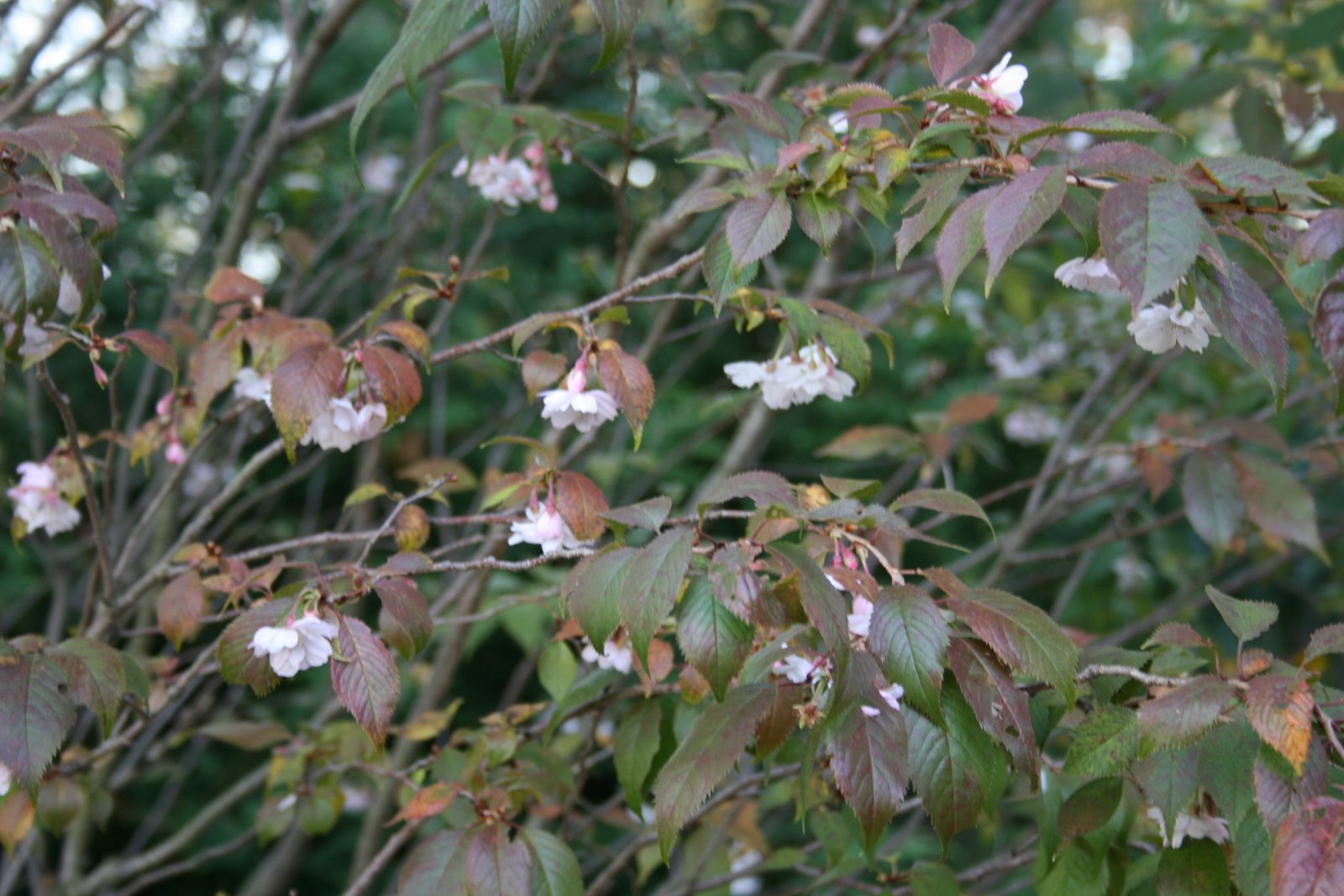
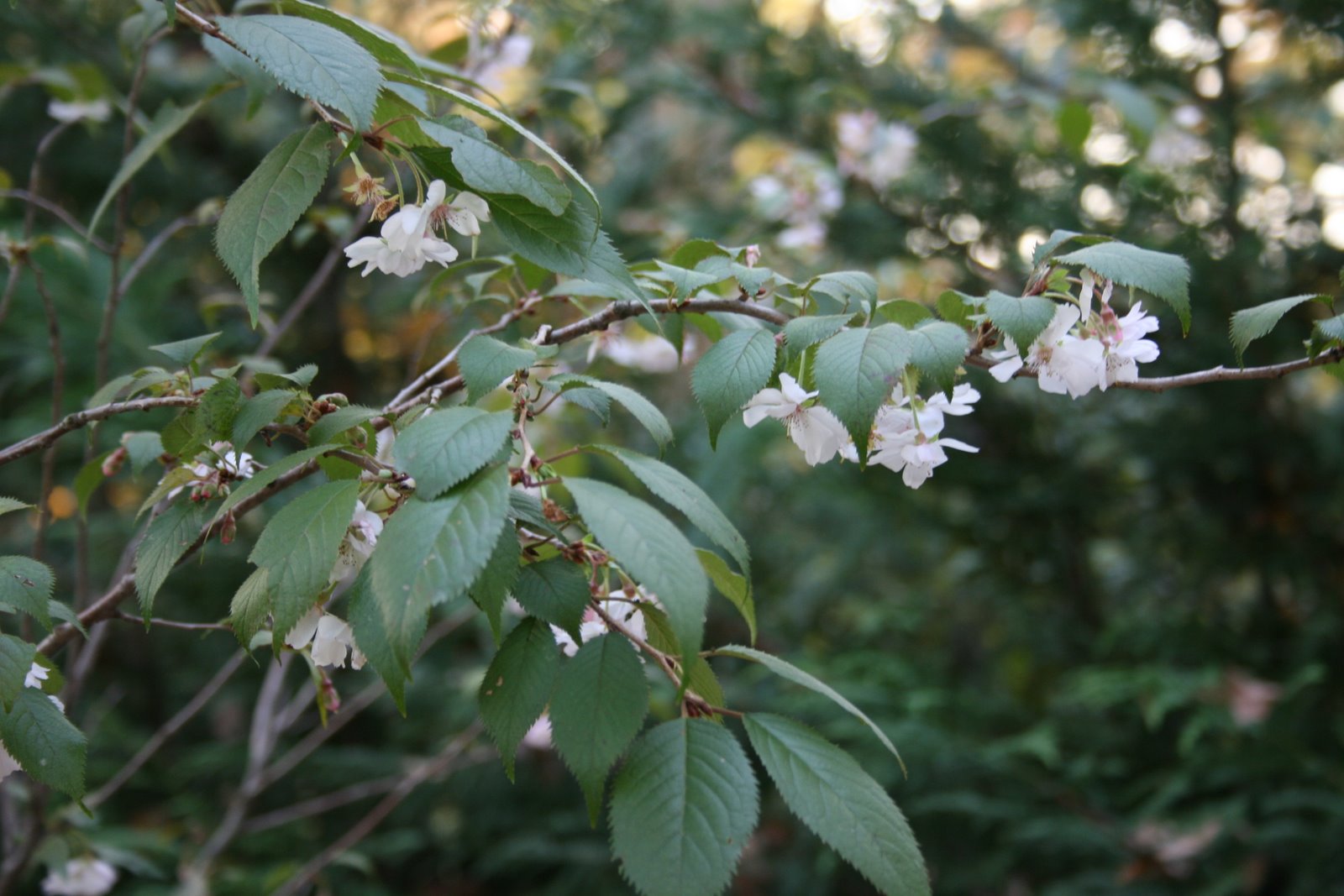
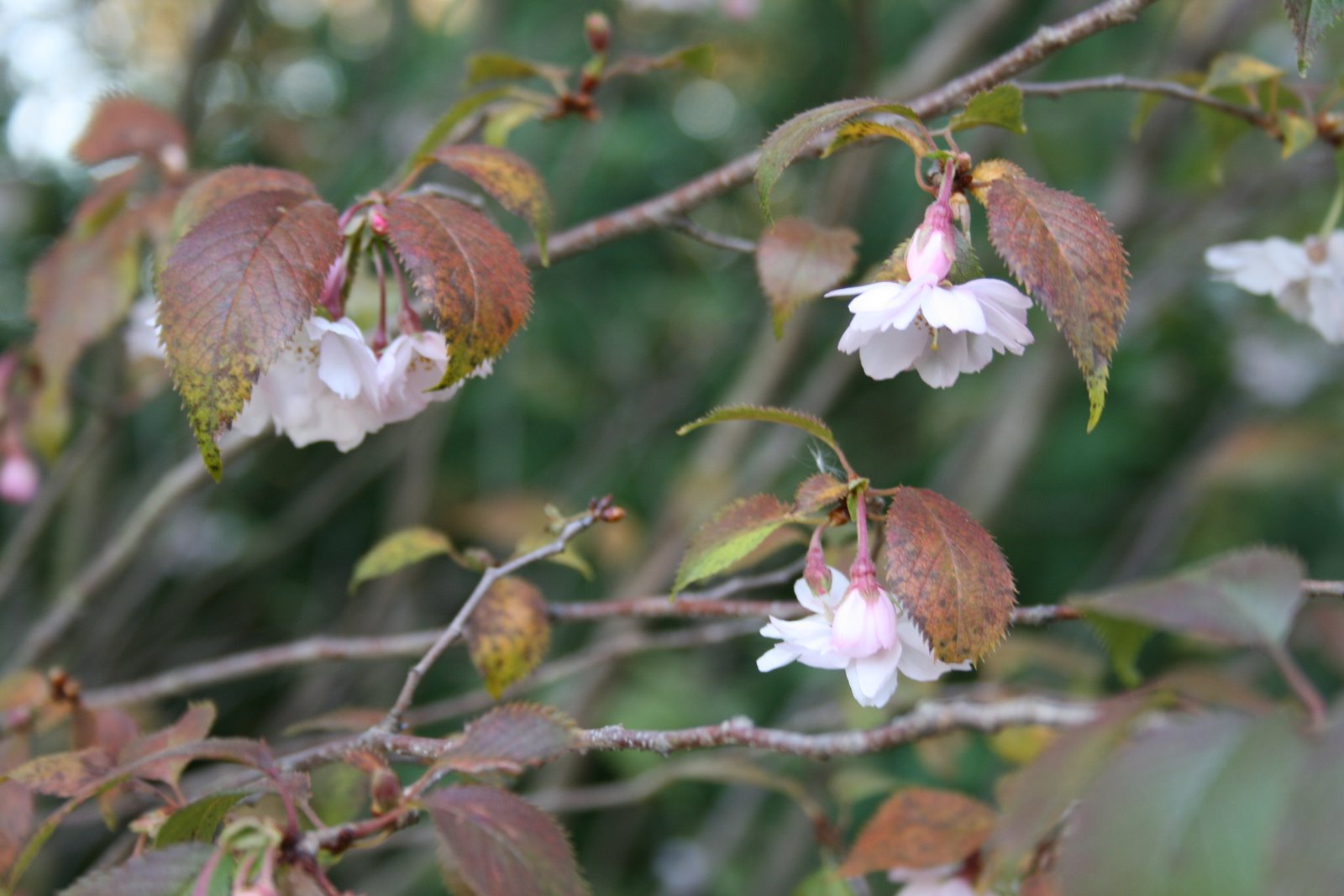
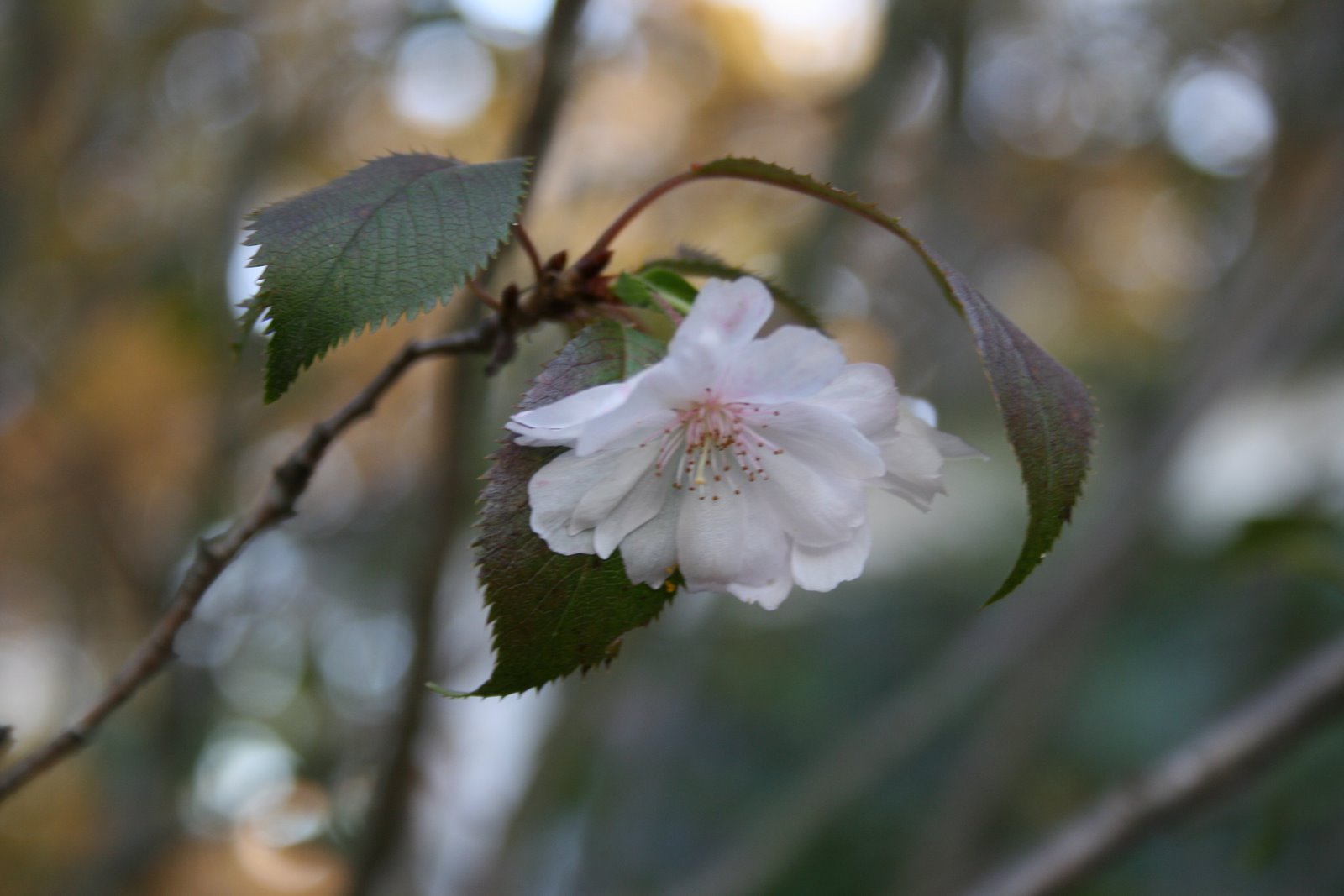
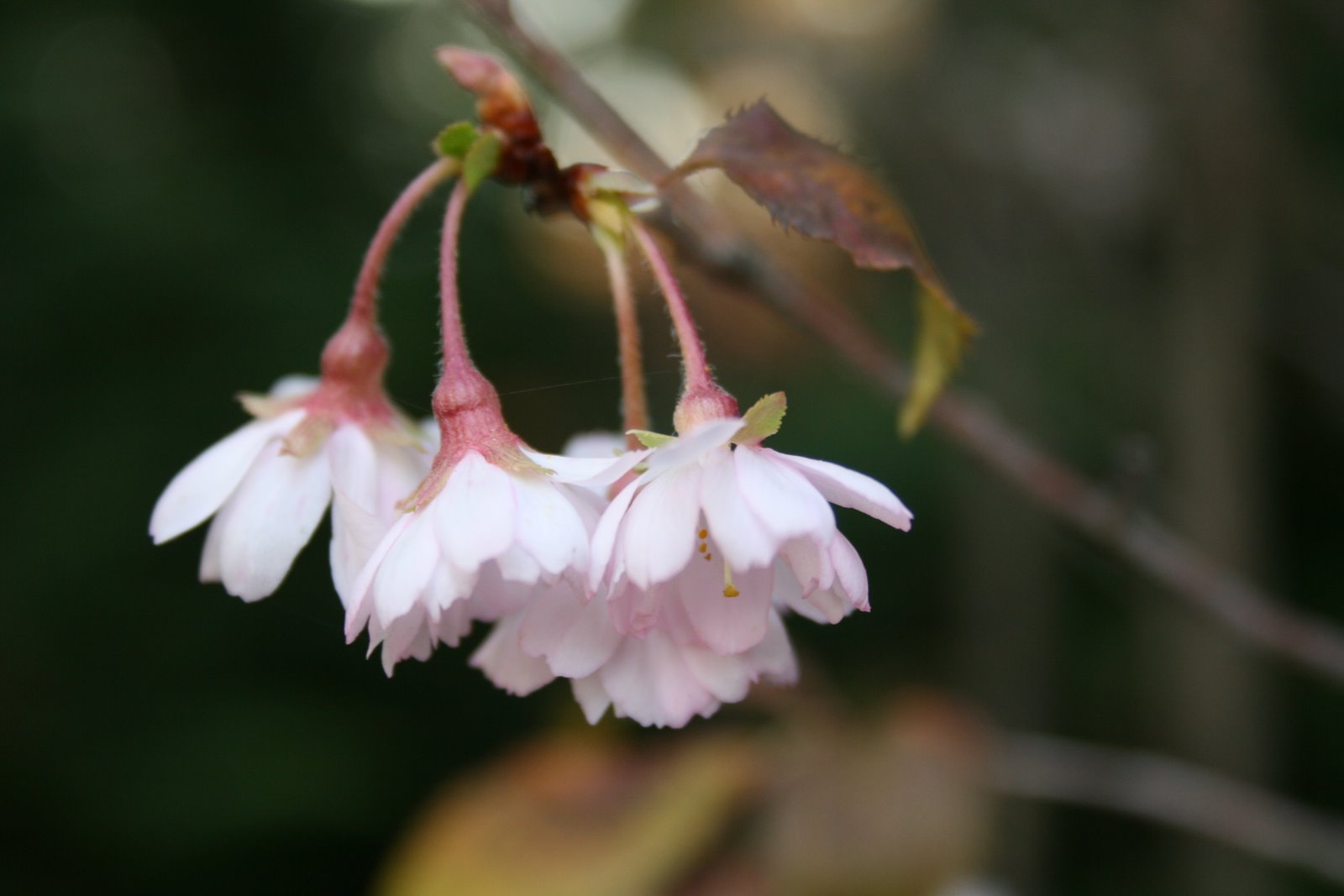
As I have previously written, I love flowering trees. I love them so much that I seek out varieties that blossom at various times of the year, not just the spring. For example, my new autumn cherry, prunus subhirtella autumnalis (pictured below), which I planted this spring in the Walled Garden, blossoms in both the spring and the fall. The autumn blooms, offset by the leaves which have already started to change from green to red, started showing themselves in October and are continuing into November.
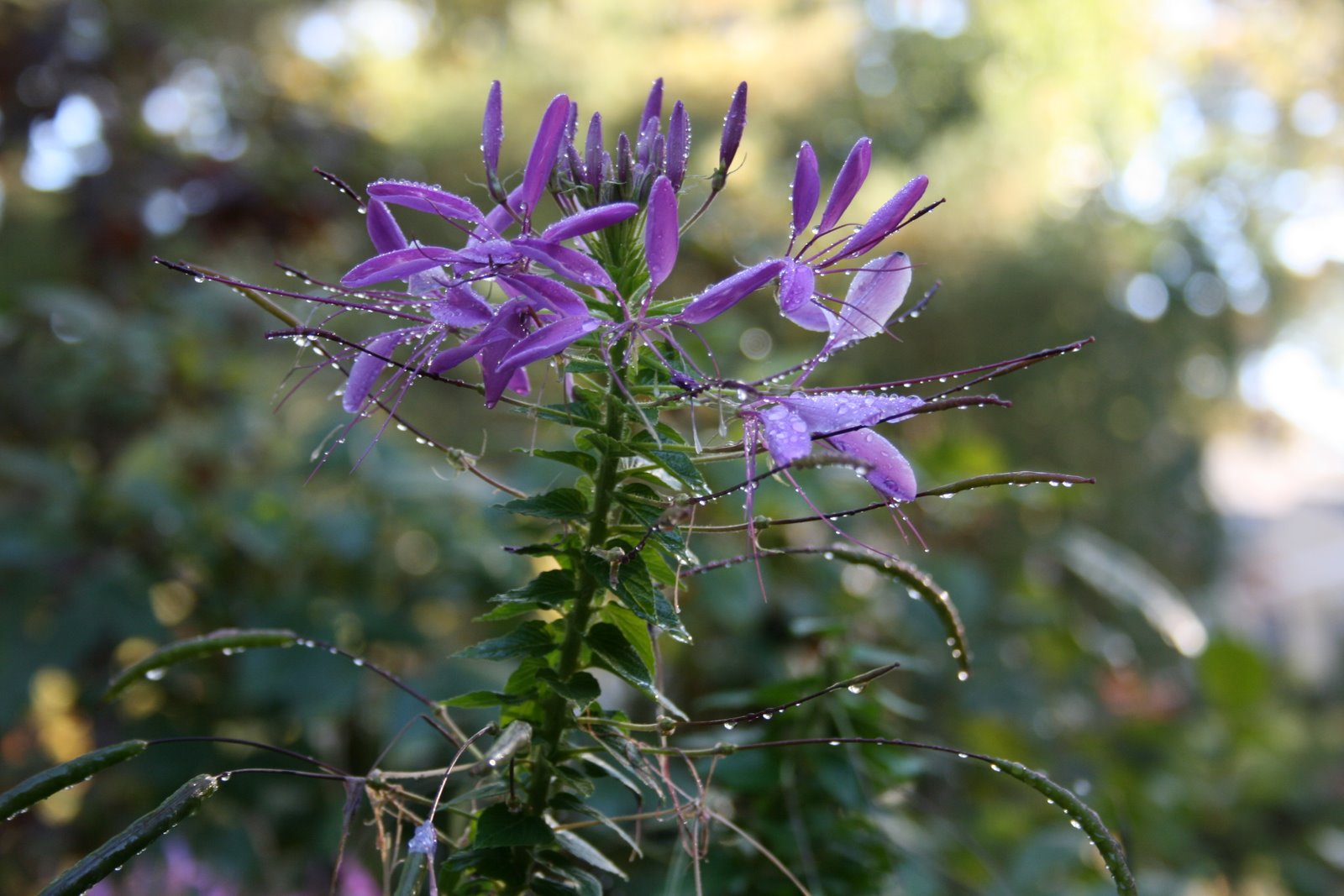
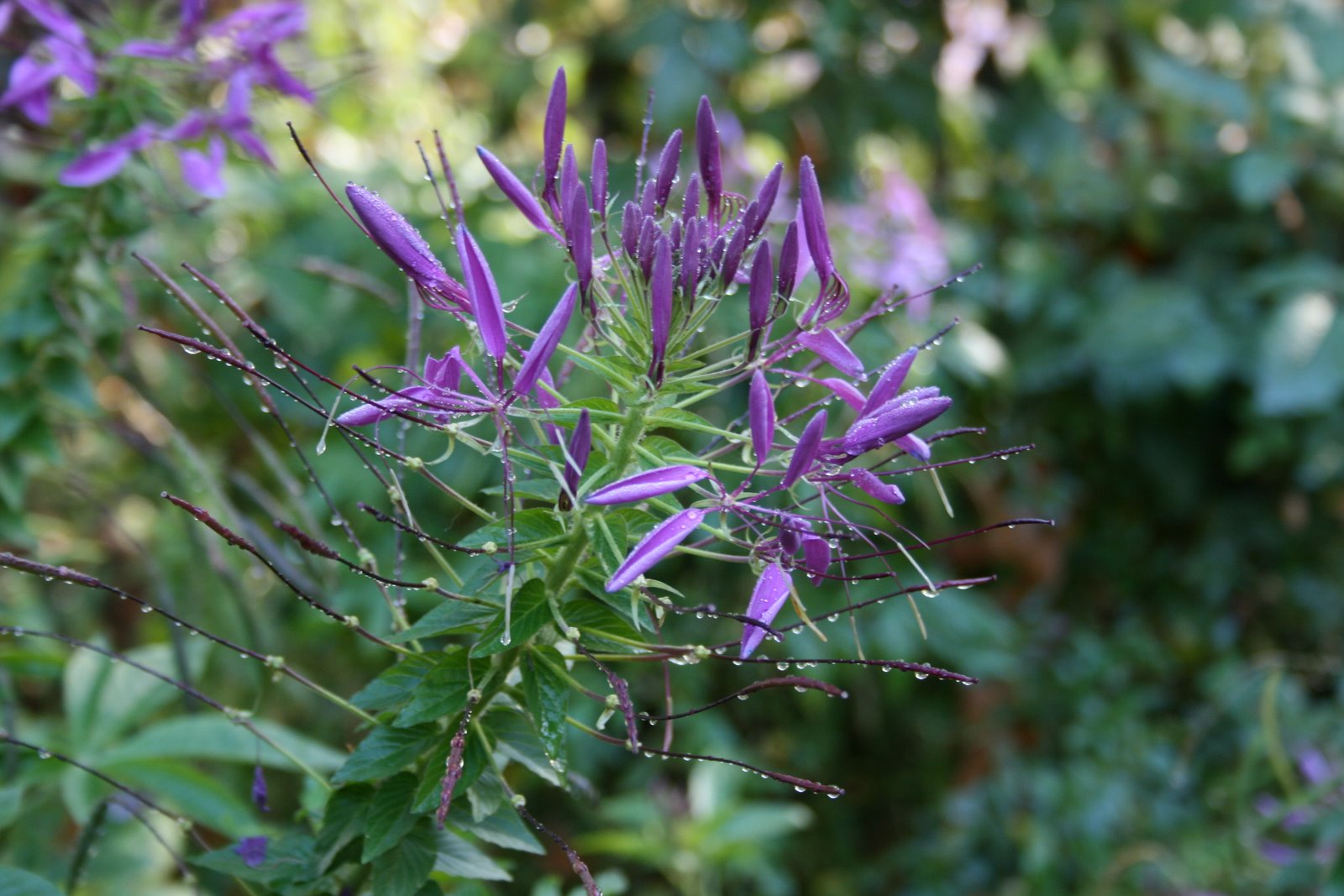
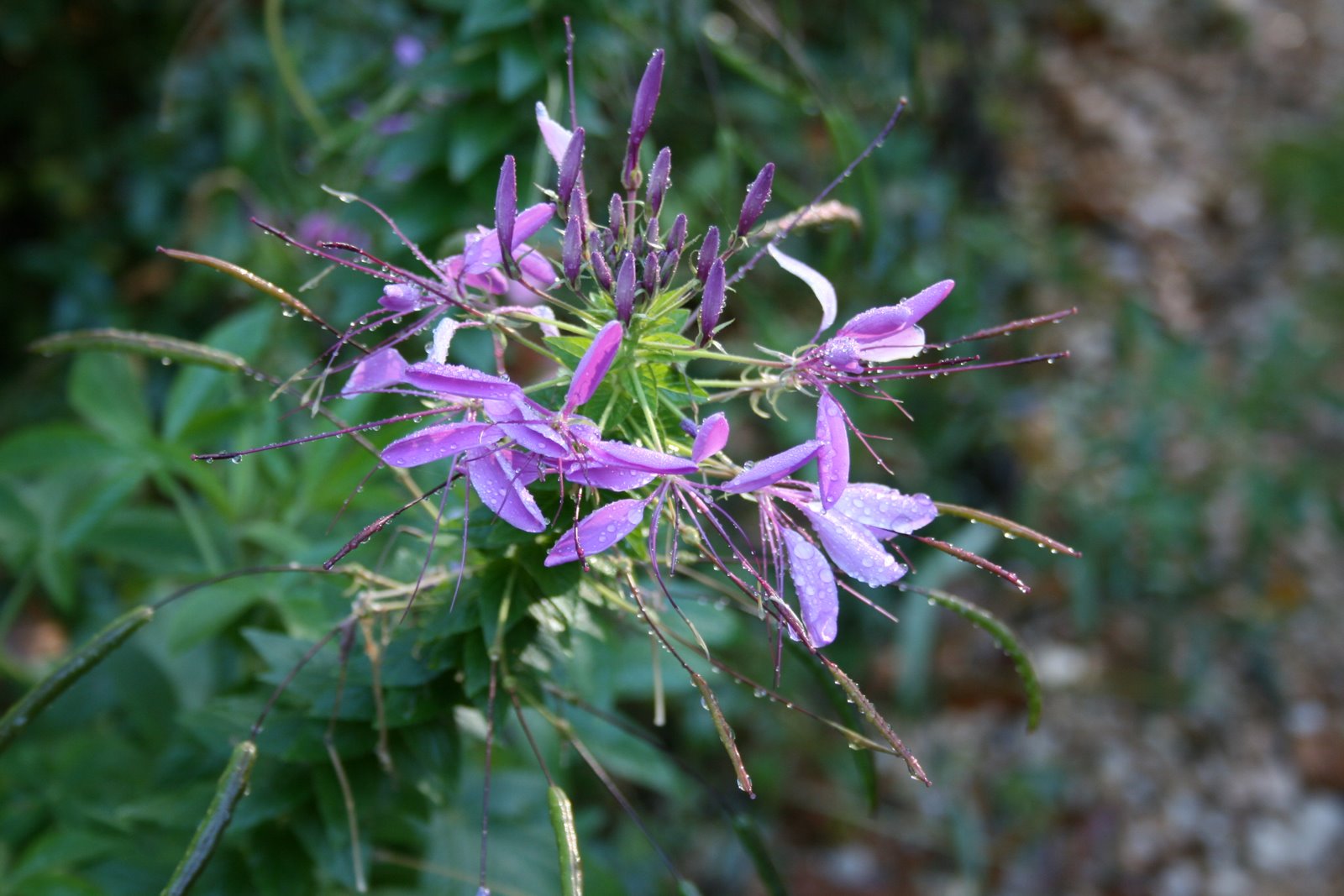
Spider Flowers (Cleome) in the Morning Sun after the Rain

The frost came to some parts of Chatham, New Jersey earlier this week, but my garden has so far been spared. In these last days before the frost, I have been taking my time to appreciate and photograph the beauty of the flowers that remain.

For example, I recently posted about Spider Flowers (Cleome), but couldn’t resist sharing these additional photographs that I took this morning. Along the pebble path of the Egg Garden, the morning sun glistened off of the raindrops captured in the delicate structure of the spider flowers.

Knowing that their days are numbered, I have also been liberally cutting my flowers so my home is now filled with arrangements, including roses, dahlias, sunflowers, salvias, and cleome.

Autumn Beauty: Japanese Beautyberry

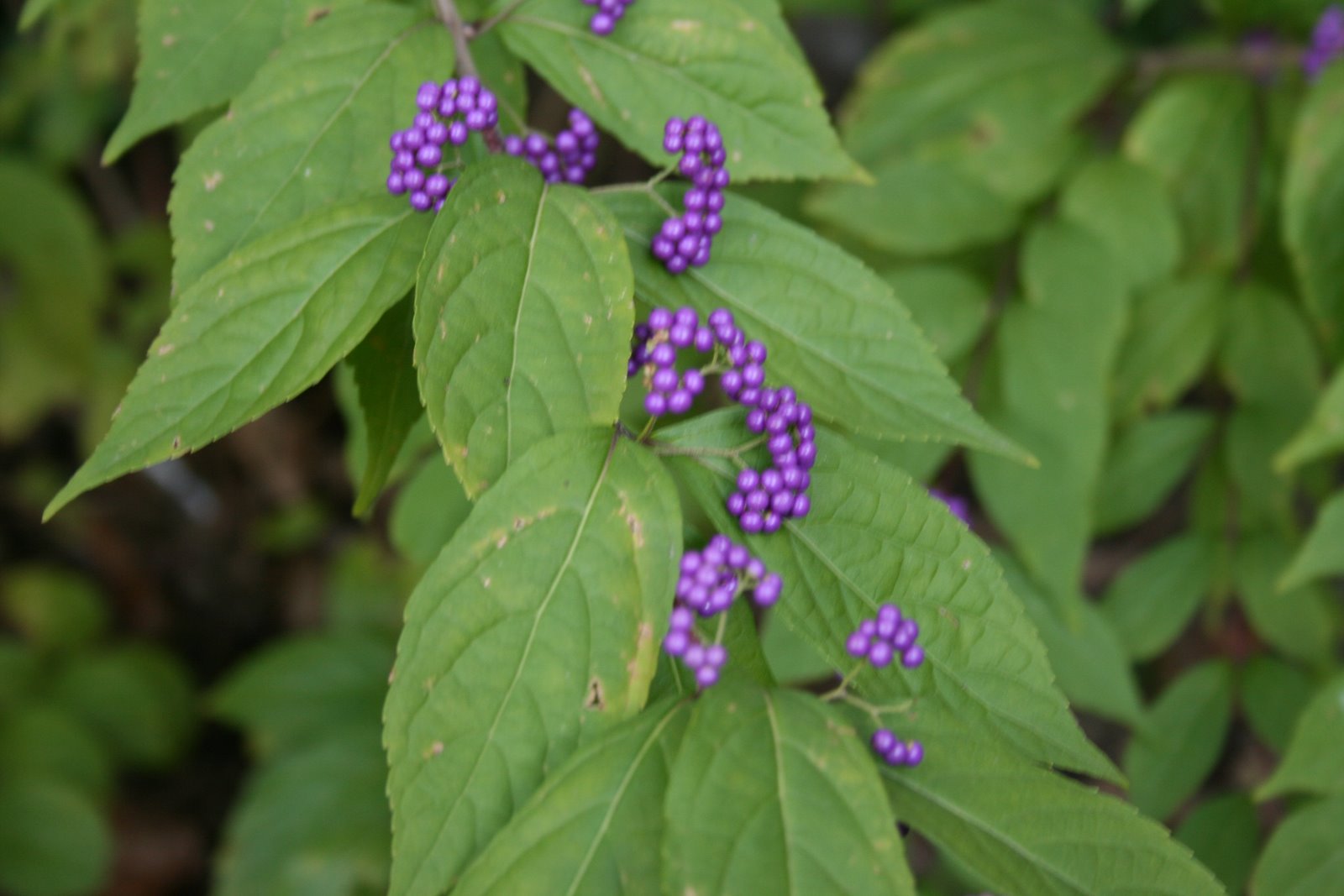
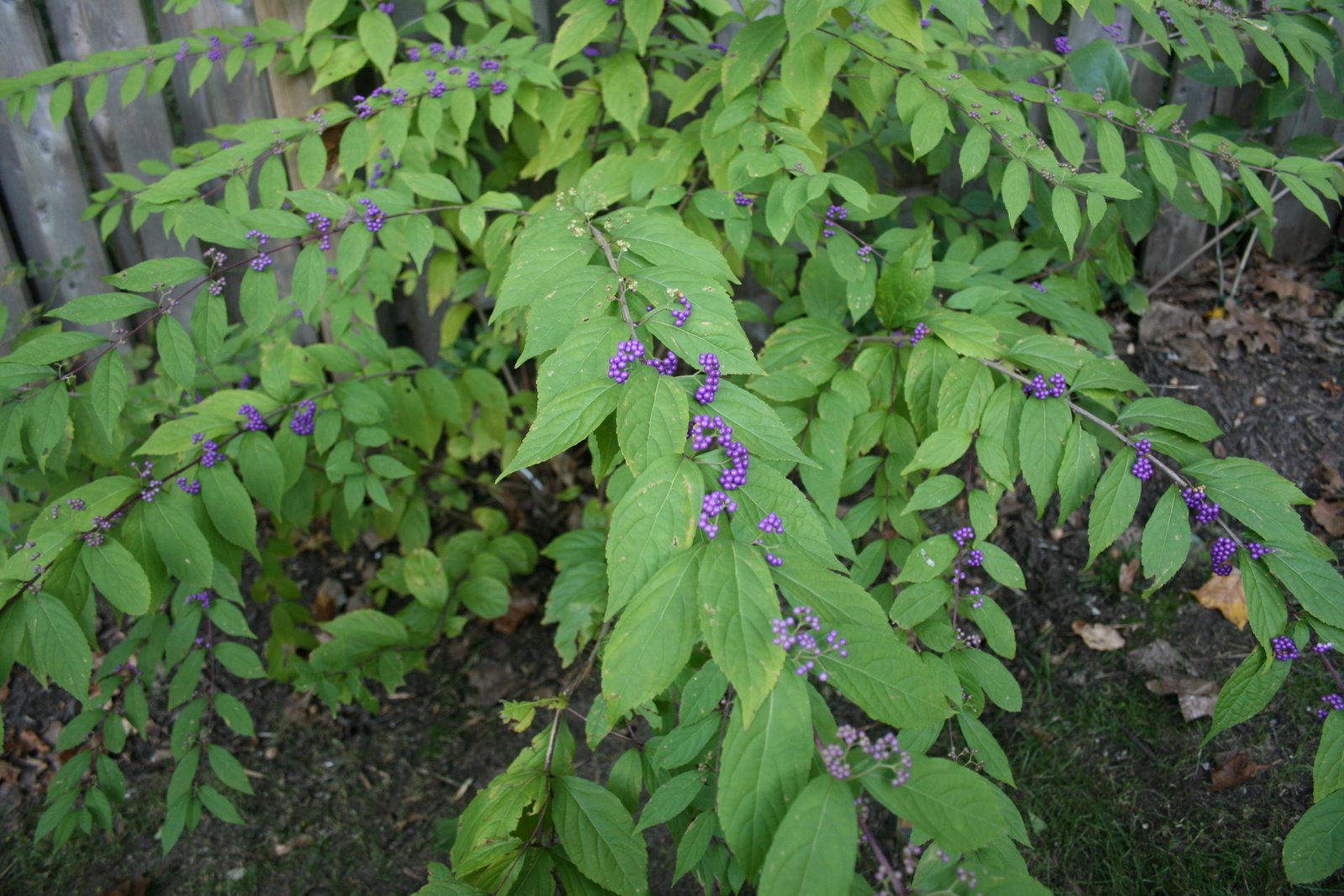
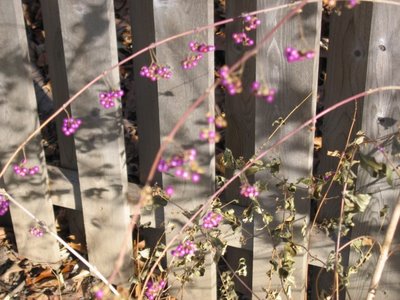
As a supplement to last year’s pictures of my Japanese Beautyberry (Callicarpa japonica) in summer and winter, here are two autumn pictures with the berries and leaves. In the winter, the shrub will be left with just the berries.

“They are healthy and vigorous plants. I purchased very small plants and they grew quickly in the first year…For fall and winter arrangements, you can cut the branches with the Beautyberries. If you do so when they still have leaves, I recommend that you remove the leaves because they droop immediately after being cut.”

For an additional post on propagation, click here.

Pee Gee Hydrangea: Four Seasons of Beauty

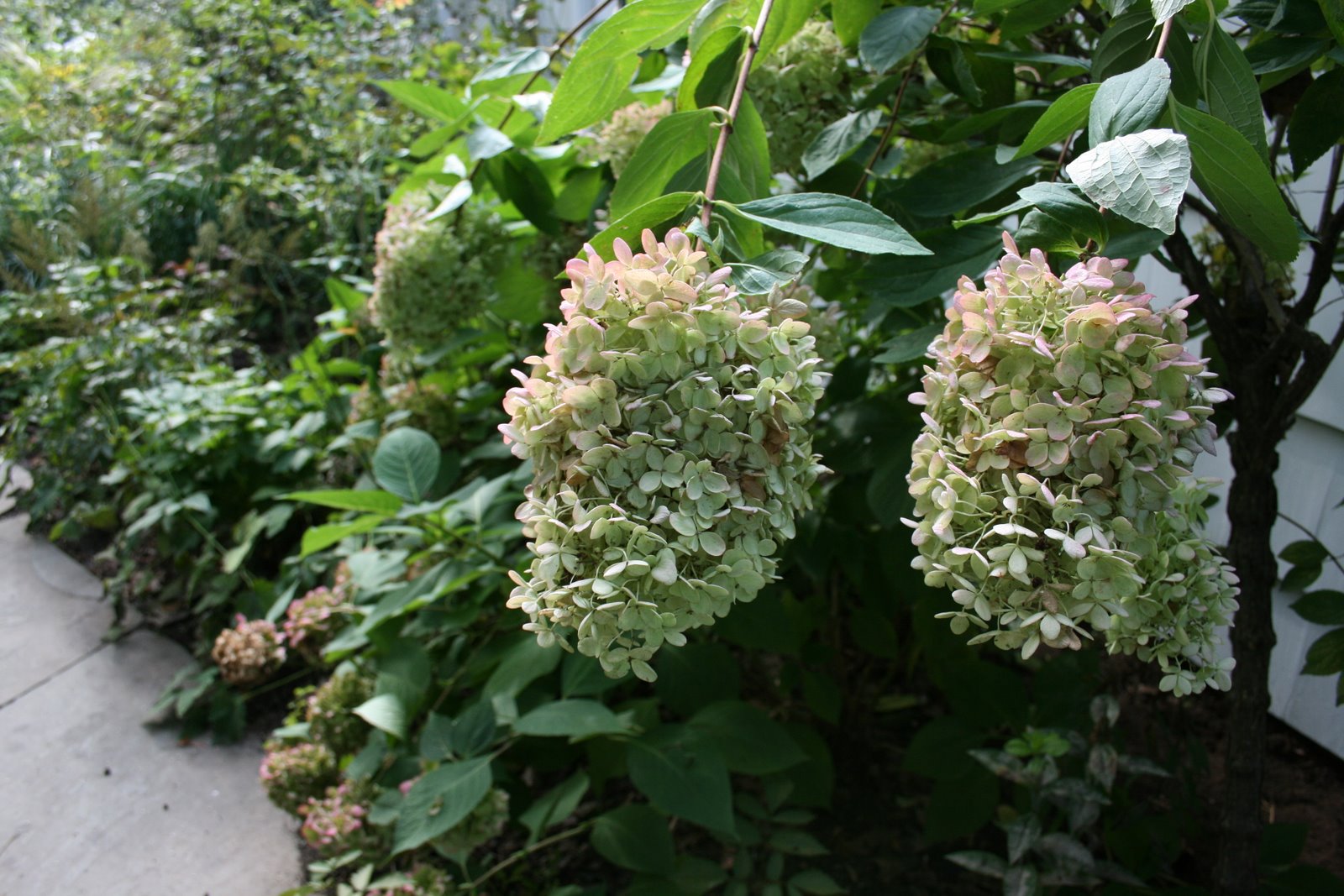
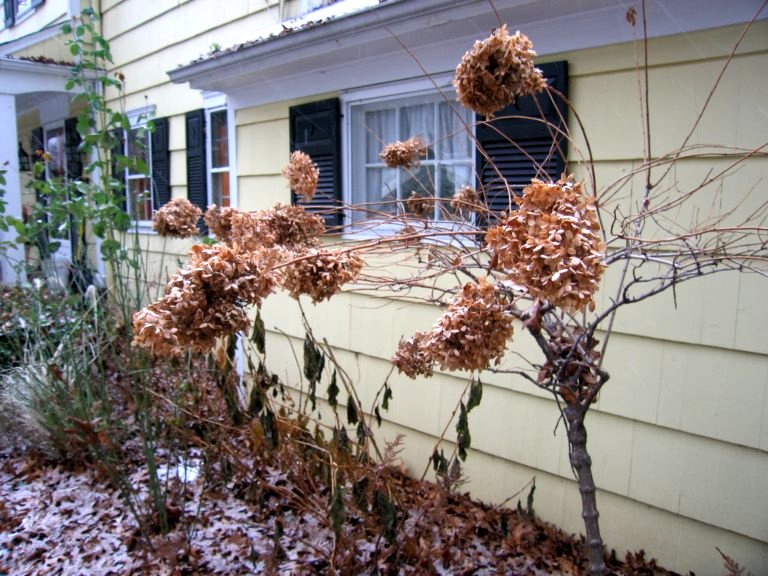
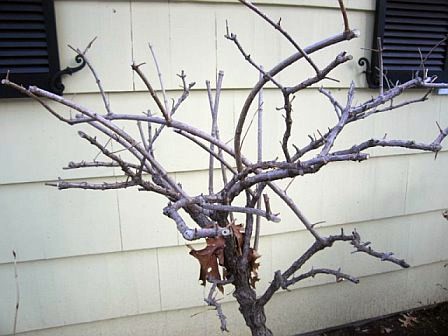
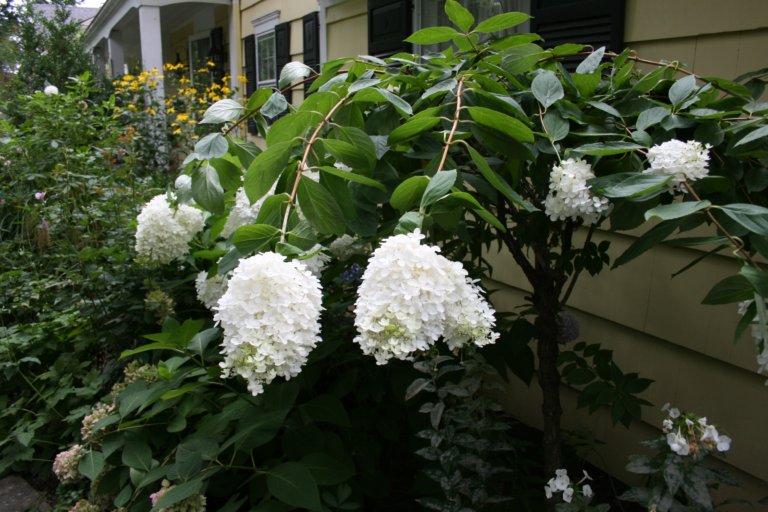
One of the many reasons I love hydrangeas is that they look good year-round (for a related post on year-round color, click here). Right now, their autumn colors are a highlight. See below some pictures of the pee gee hydrangea (Hydrangea paniculata) in the Front Border during all four seasons.

Autumn blooms turn pale green and pink.
Winter blooms turn light brown.
Spring after pruning (for a prior post about pruning pee gee hydrangeas, click here).
Summer blooms of brilliant white.

Autumn Beauty: Metamorphosis of the Blackberry Lily from Blooms to Seedheads

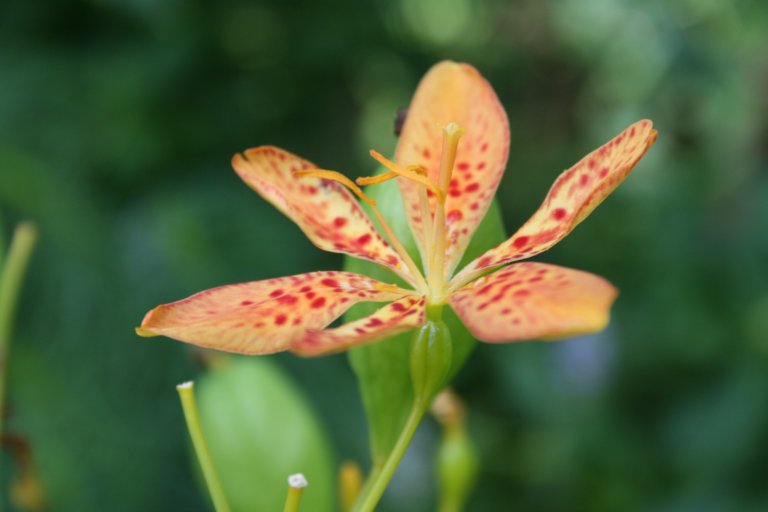
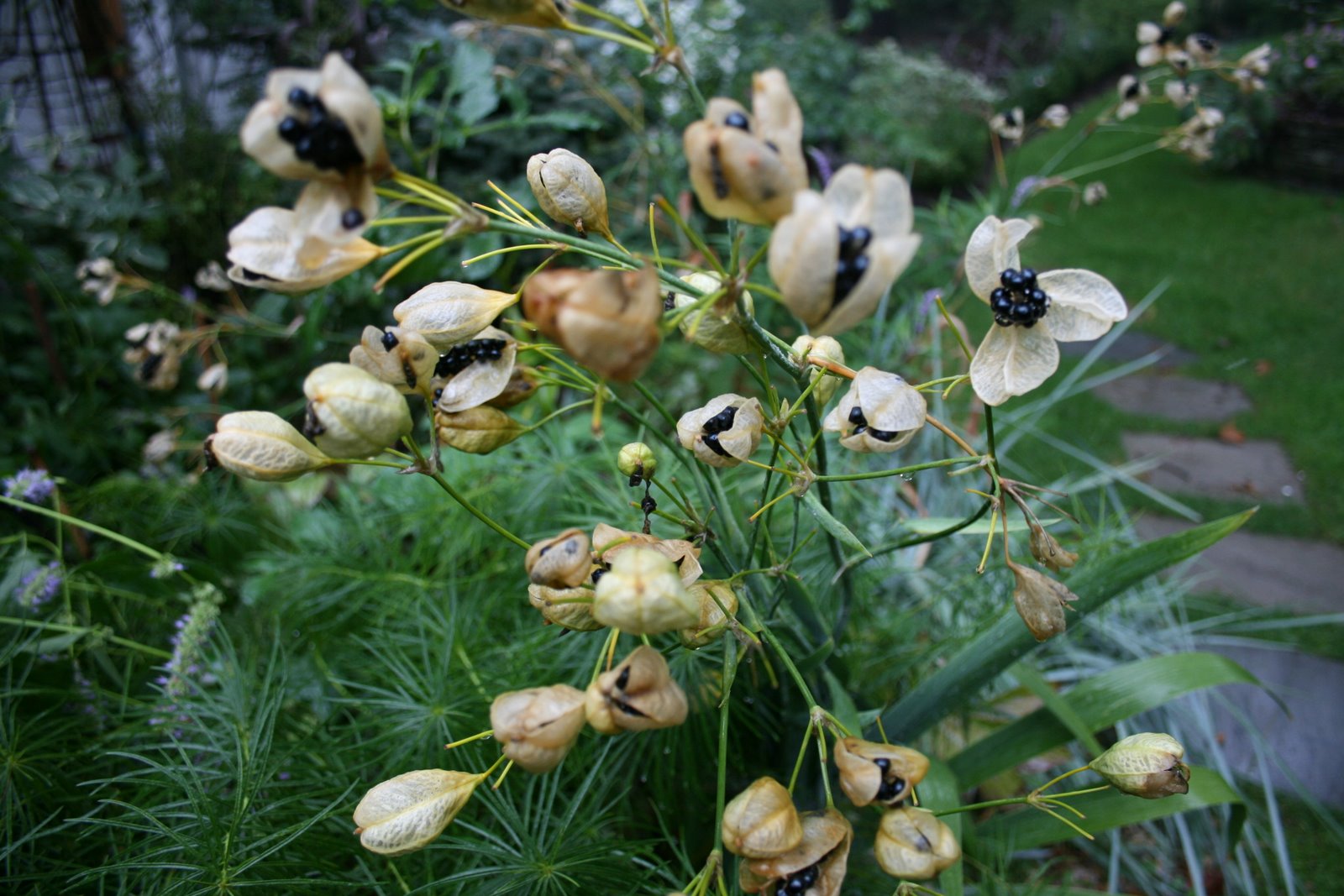
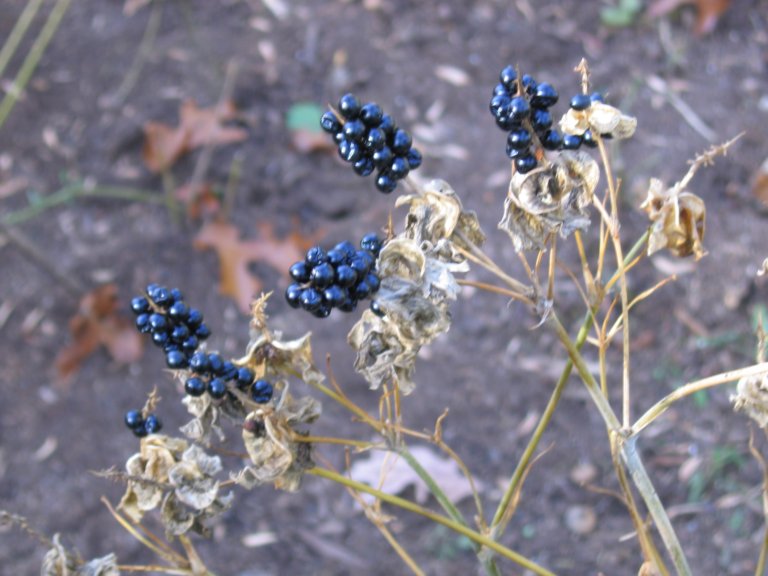
As a follow-up to last year’s post on the Blackberry Lily (Belamcanda chinensis), I made sure to capture the delicate flowers this year in addition to the attractive seedpods and seedheads:
“The blackberry lily blooms at the end of July over several weeks. The flowers and seed heads make great cut flowers for arrangements. These lovely seedheads develop in autumn.” The first picture shows a close-up of the bloom.
The second picture shows the plant in between the blooms and the immature green seedpods.
The third picture shows the plant shedding the now brown and papery seedpods to reveal the black seedheads from which they derive their name.

“Resist temptation: do not eat them. The seedheads persist into winter. They will drop and produce more plants the following spring. Although it does self seed, it is not prolific and gives a more natural look to the garden. The seedling take one to two years to reach blooming size. Note: they are deer resistant.”

Garden Bloggers’ Bloom Day: Autumn Blooming Roses in New Jersey

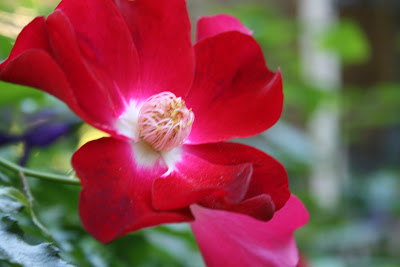
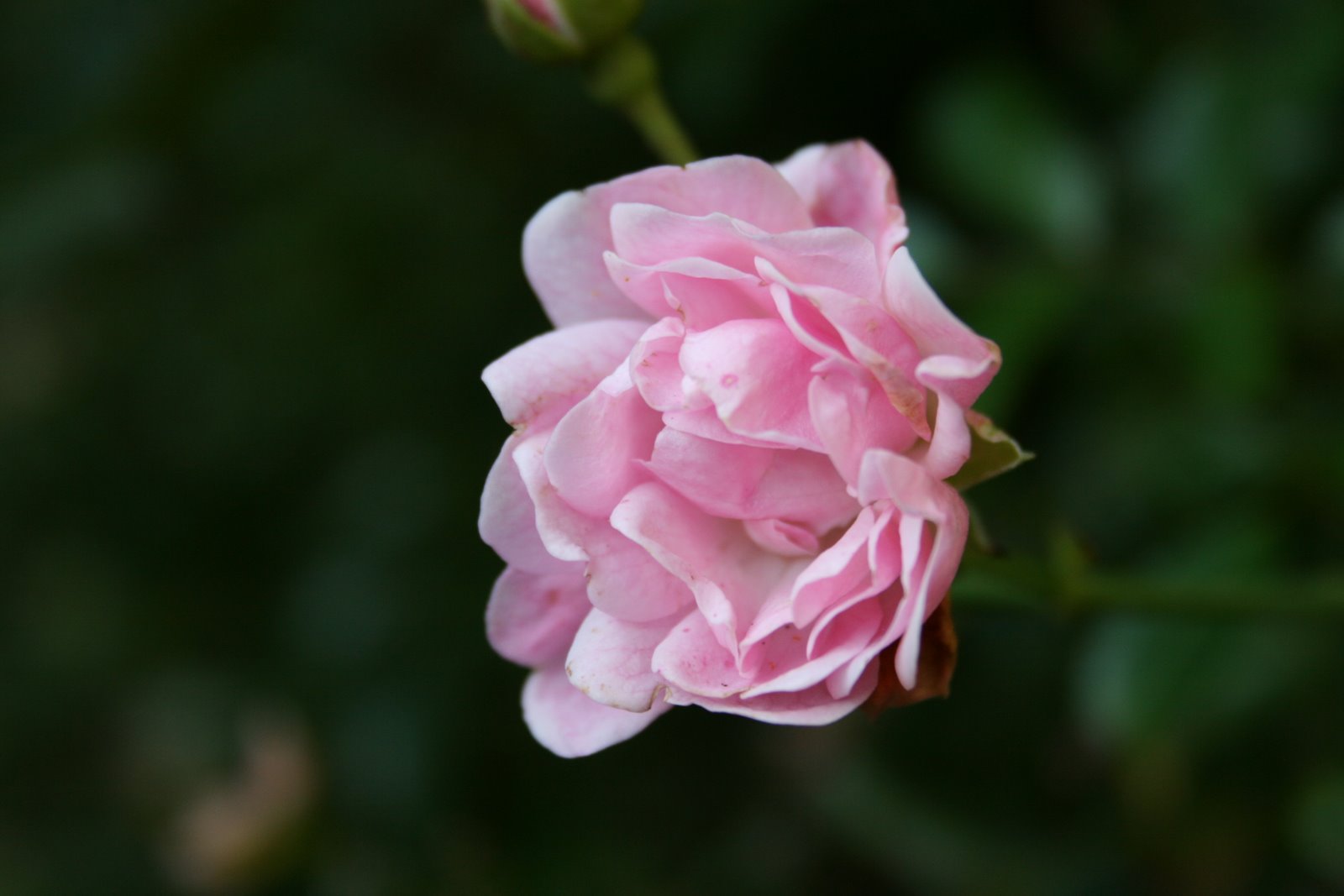
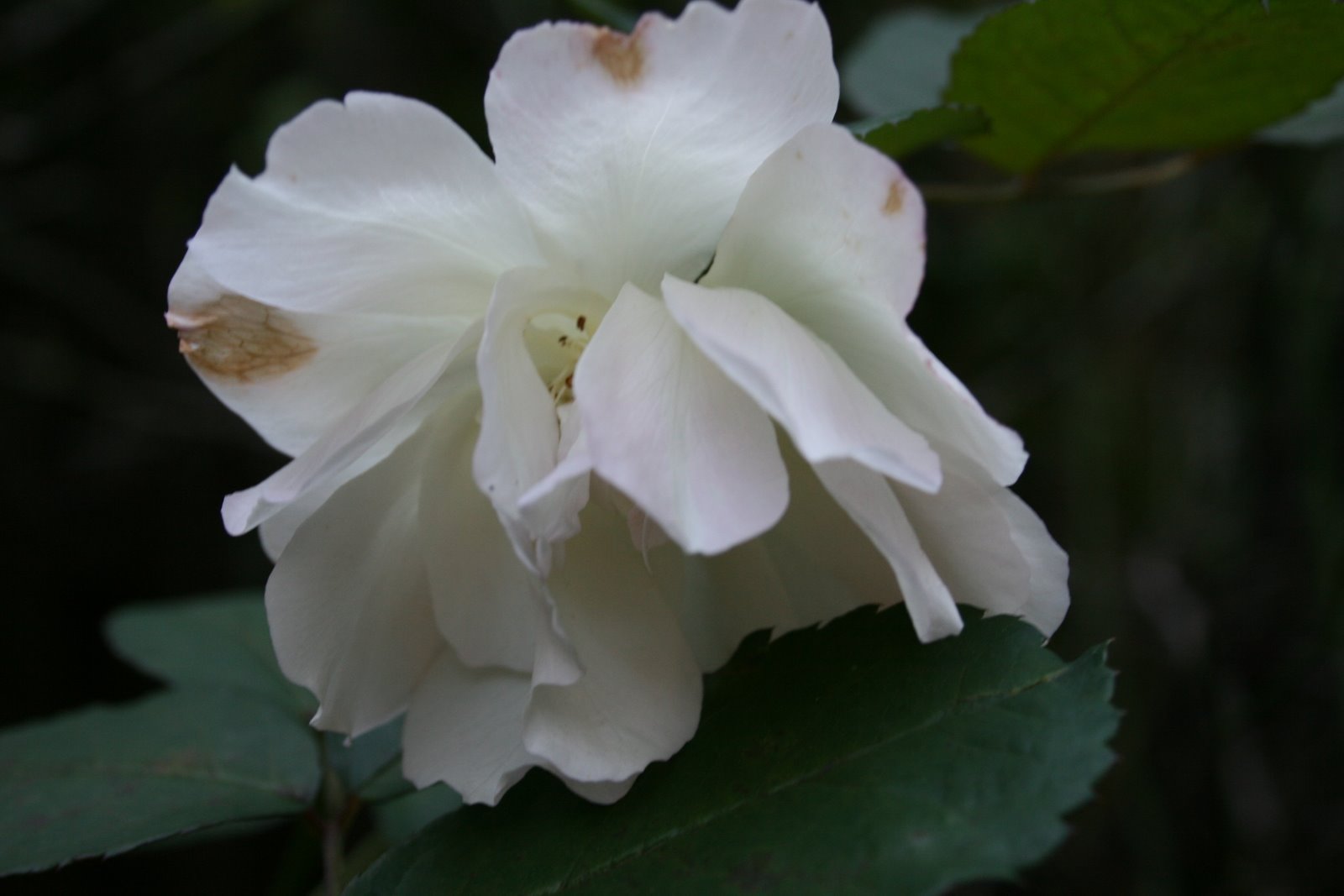
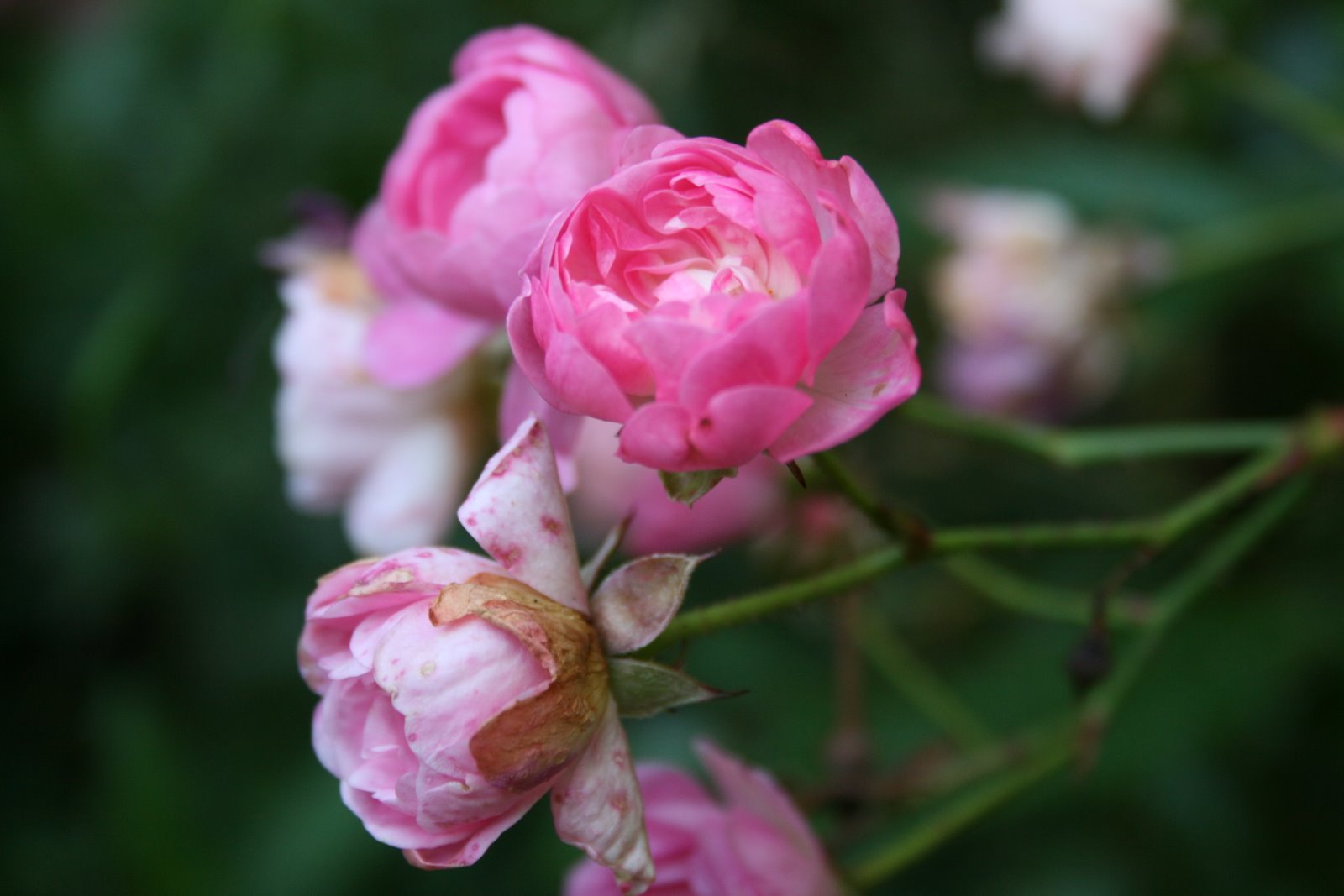
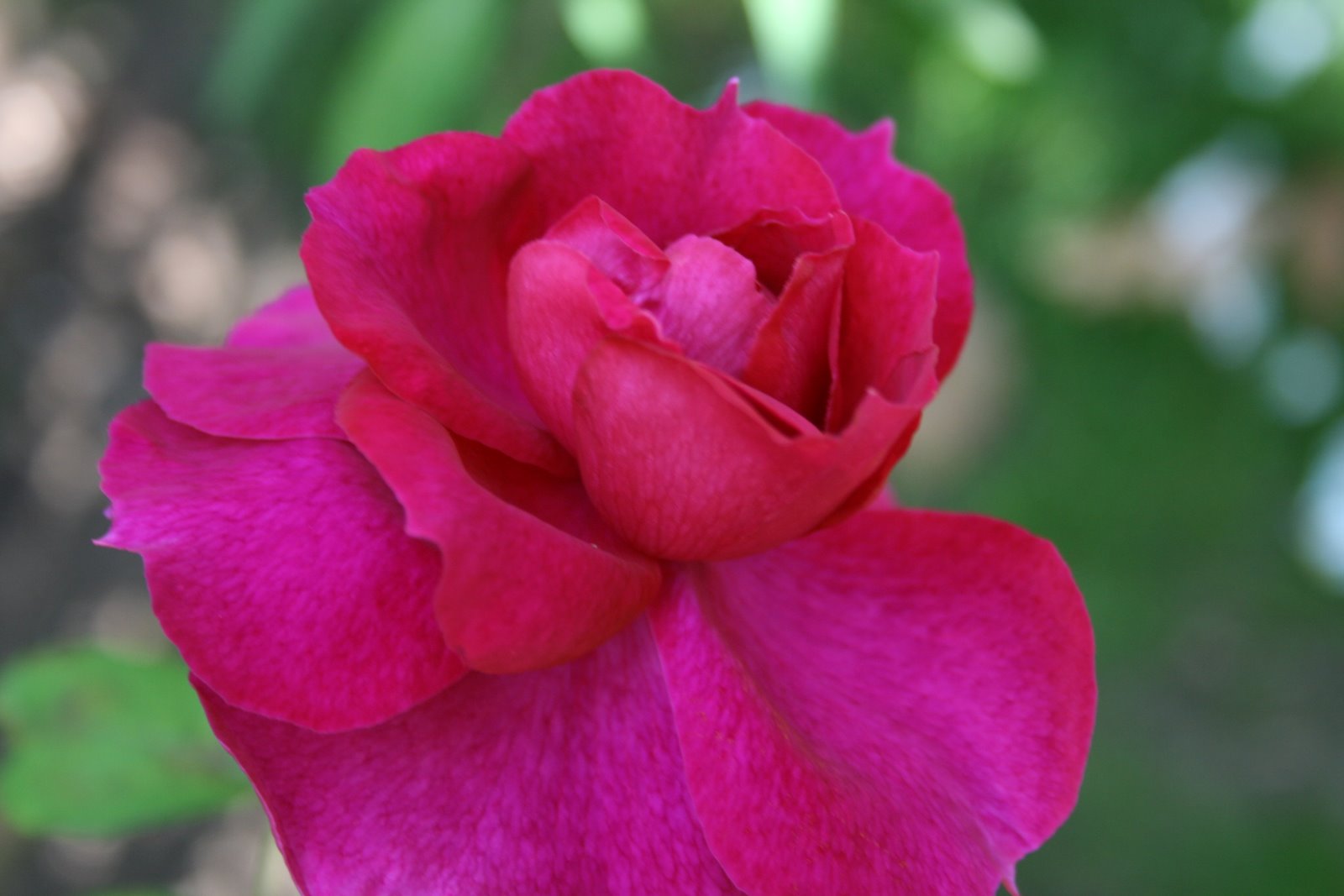
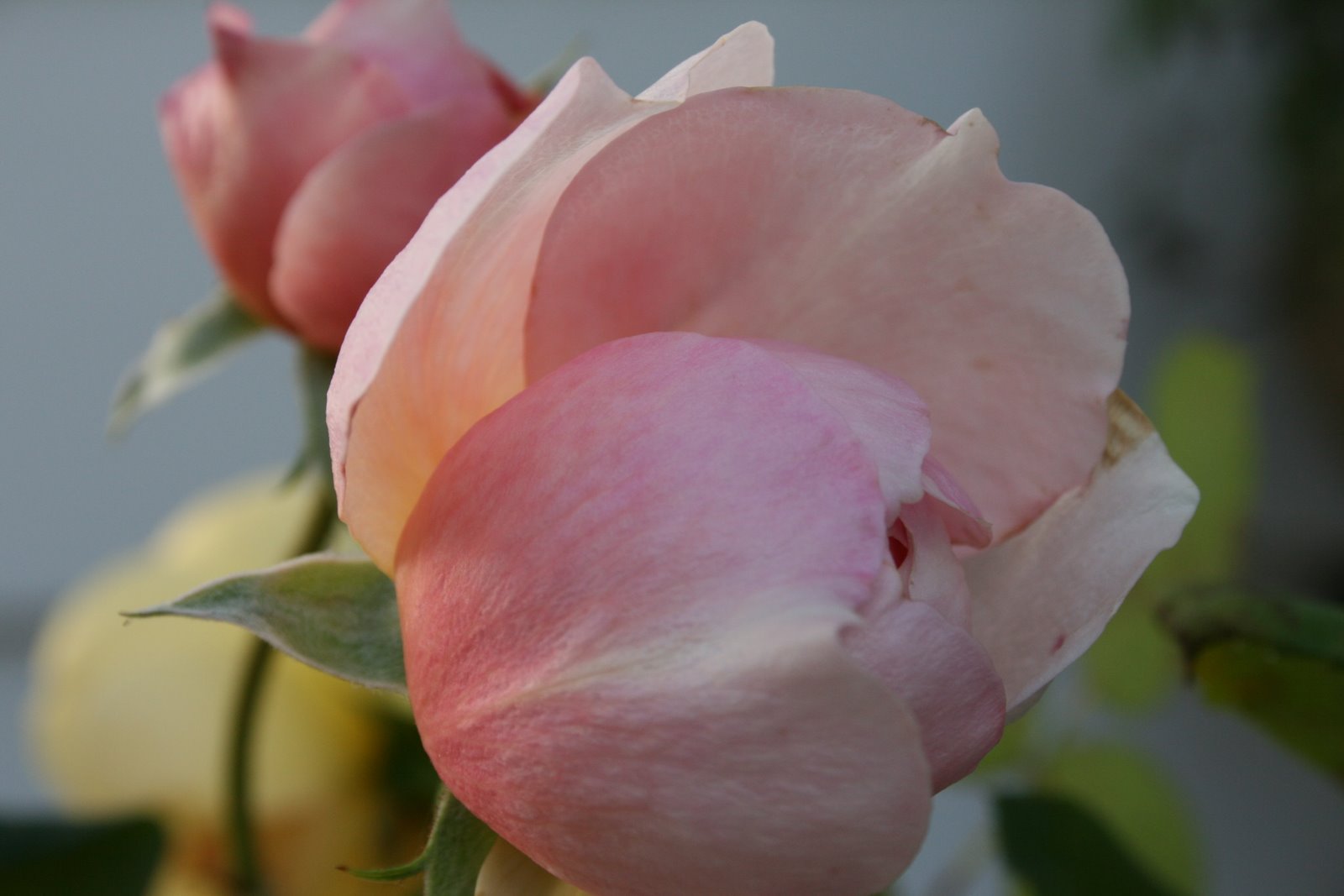
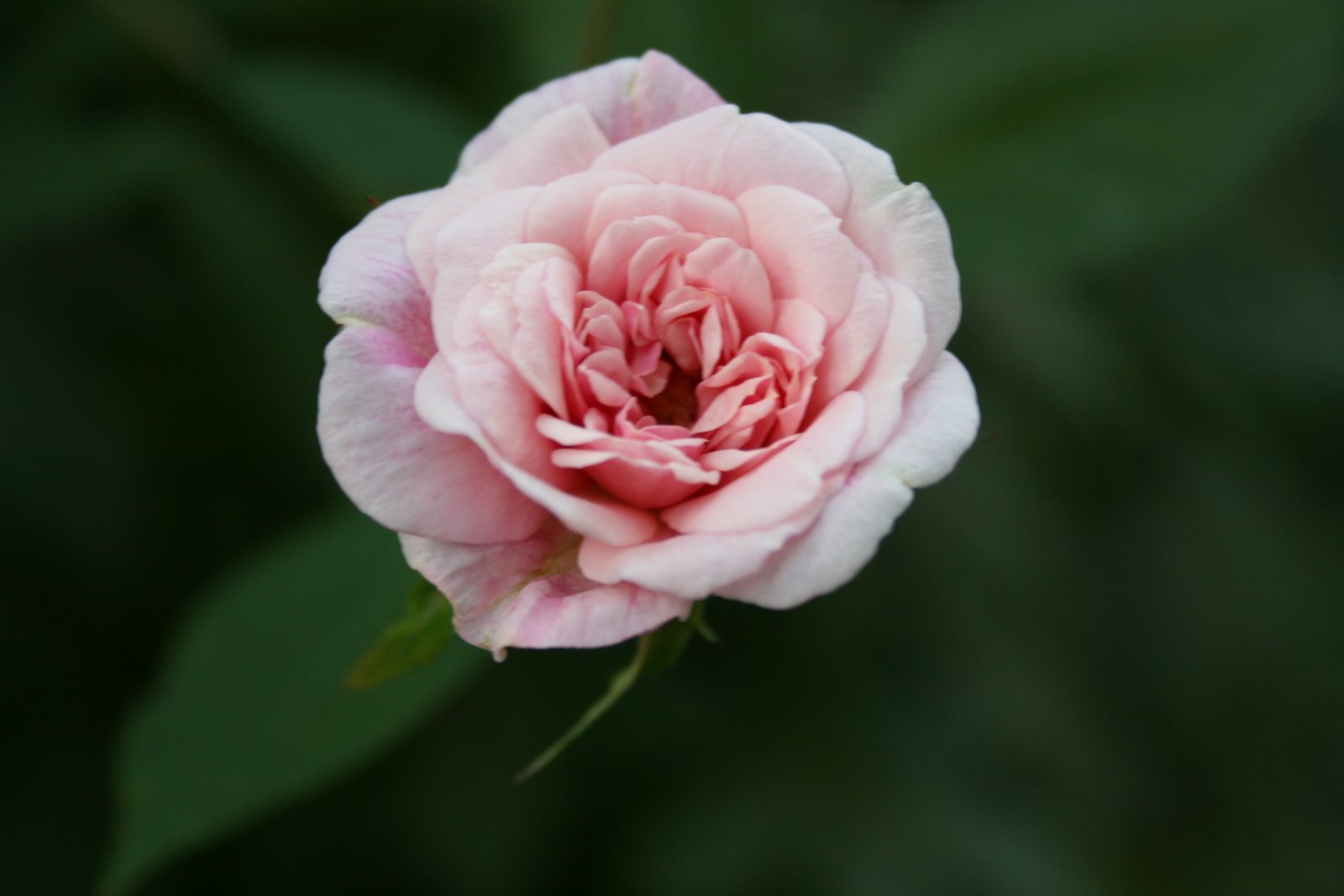
It’s time again for Garden Bloggers’ Bloom Day at May Dreams Gardens: yes, it’s October and spring bulb planting and autumn cleanup has begun, but some of the roses are still blooming. While less numerous than the blooms of May-June, the autumn roses are especially welcome for their deeper colors that come from the cooler weather.

Dortmund on the arbor in the Cutting Garden
Roulette in the Egg Garden
Penelope in the Rose Garden
Fairy in the Egg Garden
Thomas Affleck in the Children’s Garden
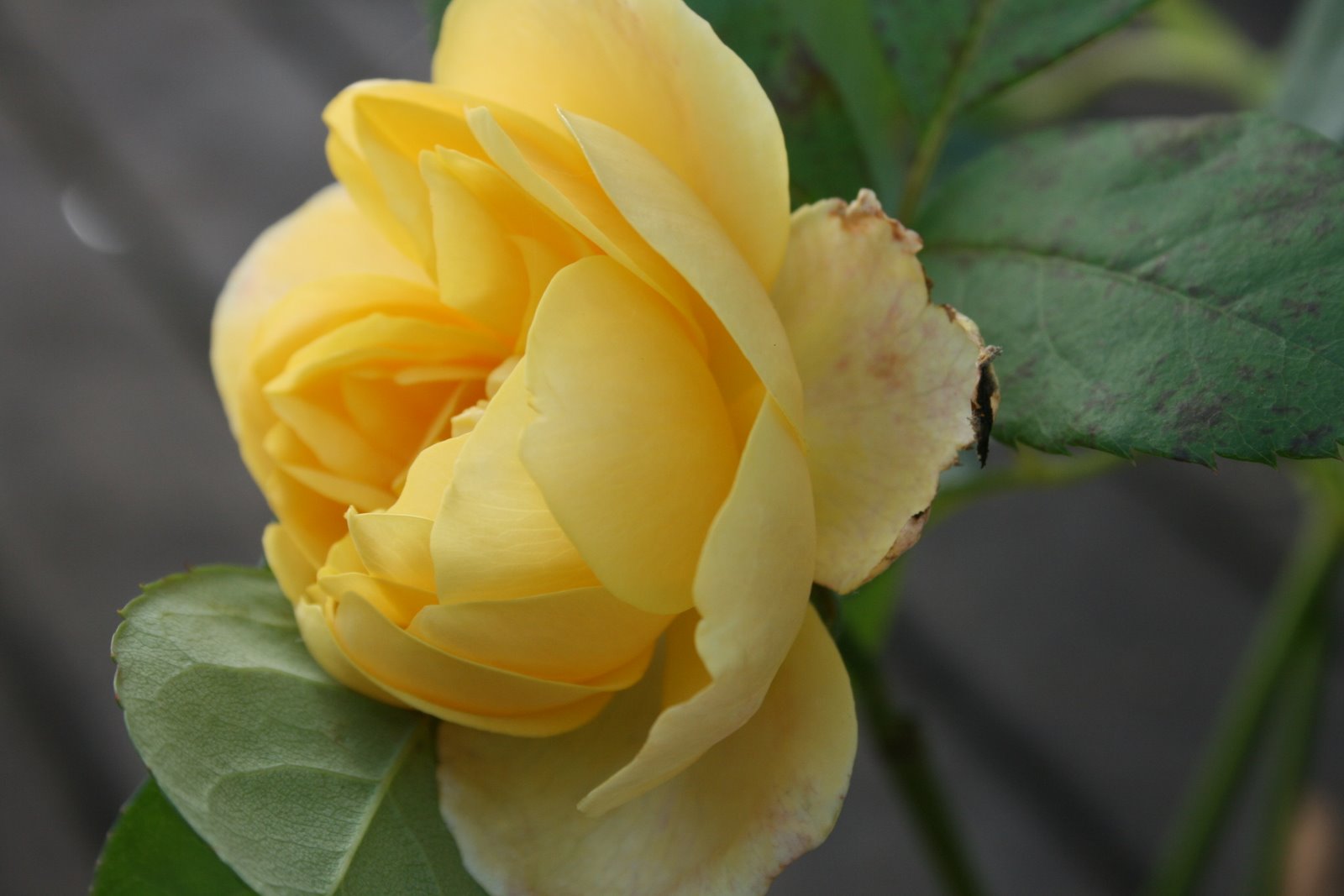
Graham Thomas in the Cutting Garden
Heritage in the Children’s Garden
Cecil Brunner on Goldberry Hill

Container Gardening: Autumn Container (and some Pumpkins and Gourds)

In a prior post on container gardening, I discussed my efforts to change the containers in the front border with the seasons.

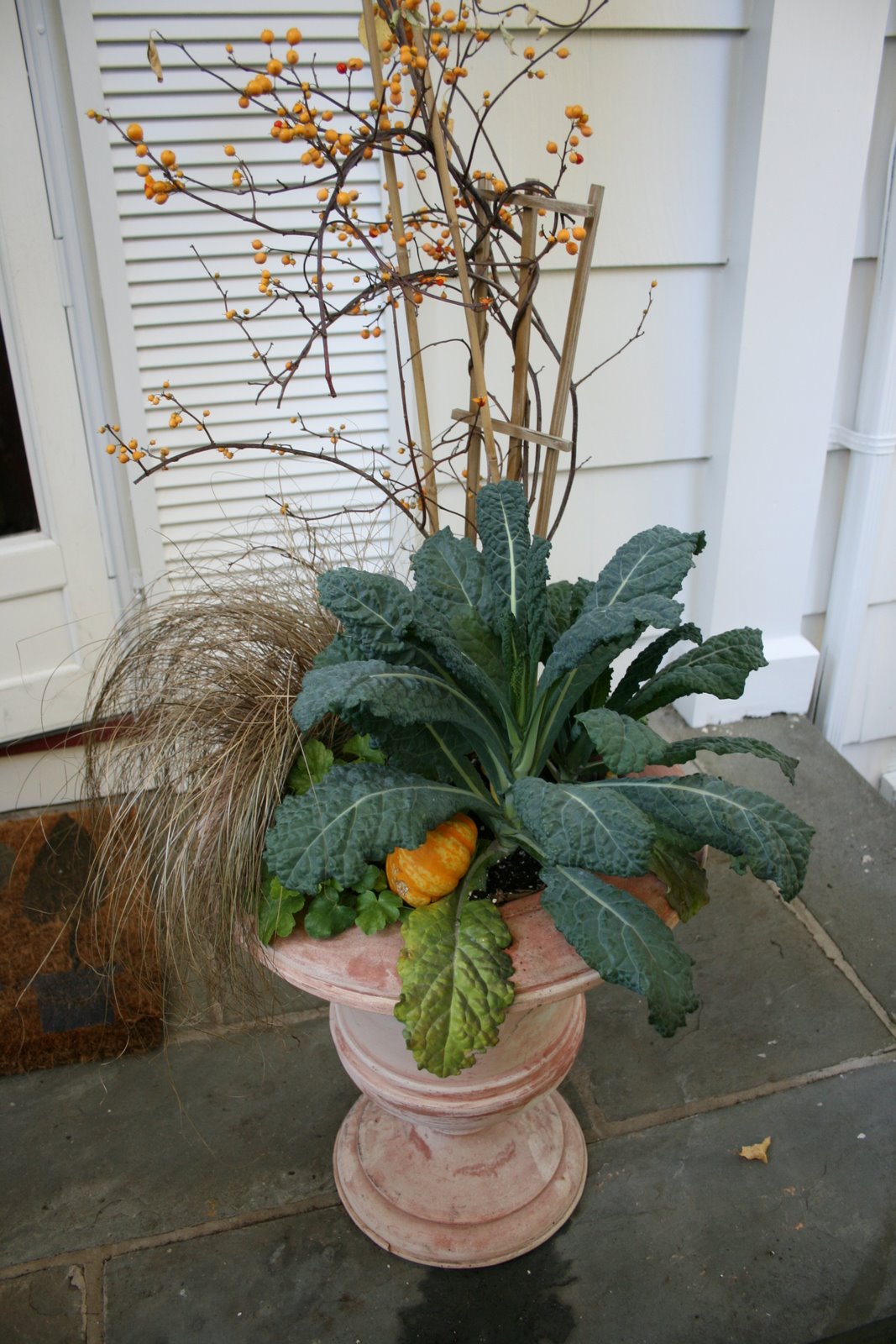
For the container by my front door, I’ve just replaced the summer display of elephant ears with kale, American bittersweet vine, bronze carex, and a miniature gourd. This arrangement will last until the winter containers in December.


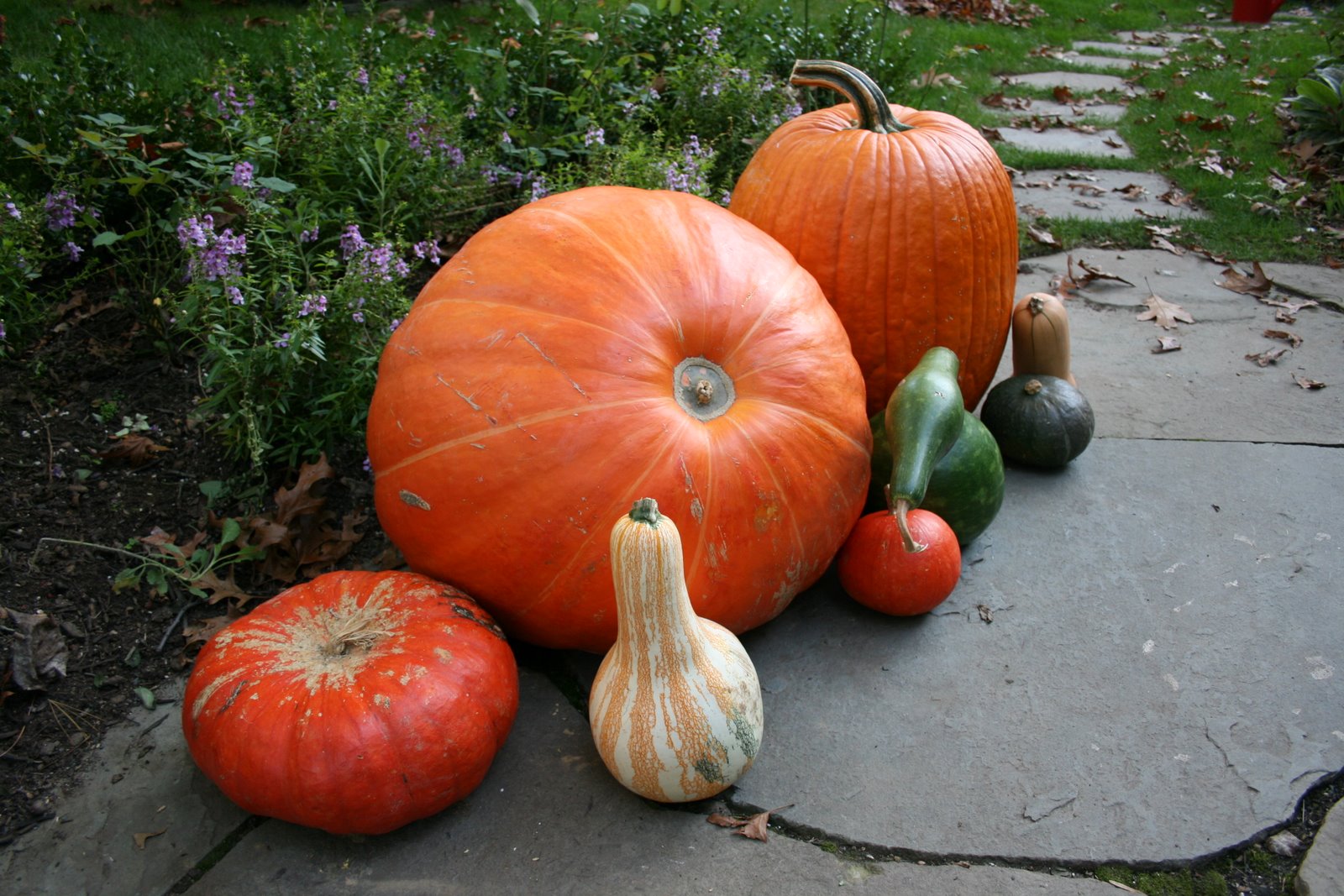
In front of the house, the children picked out a selection of pumpkins and gourds from the farmers’ market and the local nursery.

Plants for Fall Color: Planning Improvements for Next Year’s Long Border

One of my goals as a gardener is to have year-round color. I’m editing the Long Border for fall color now. I originally conceived of this border being at its peak in the fall, but not without interest during the rest of the year.

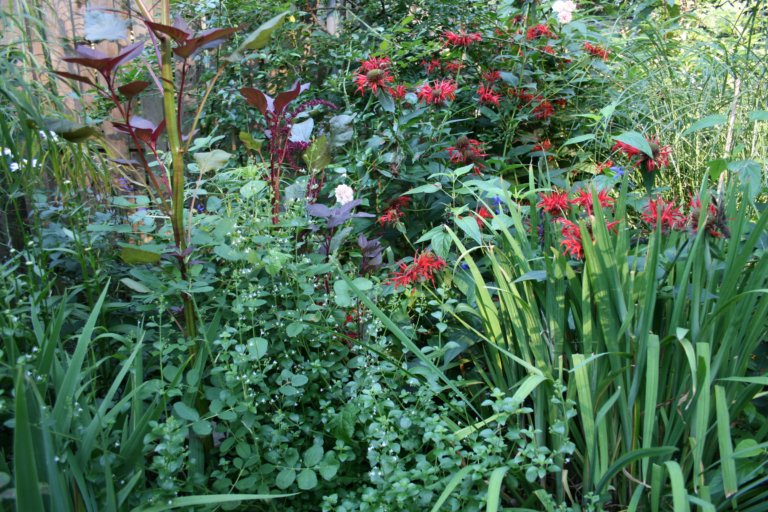
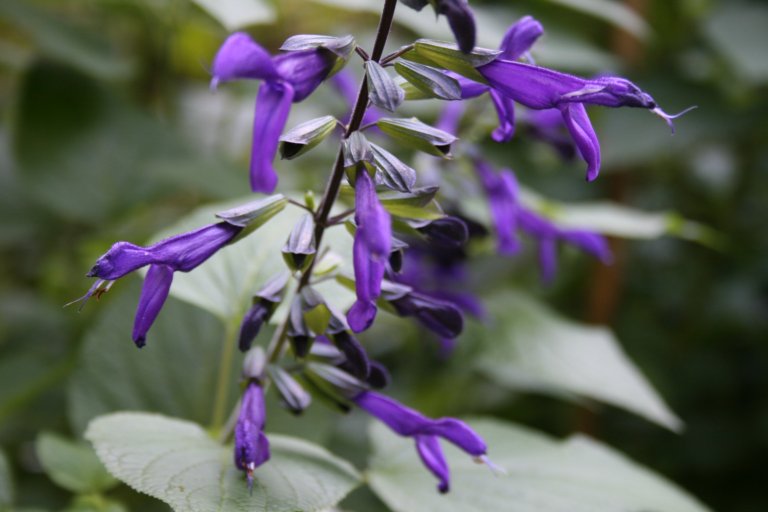
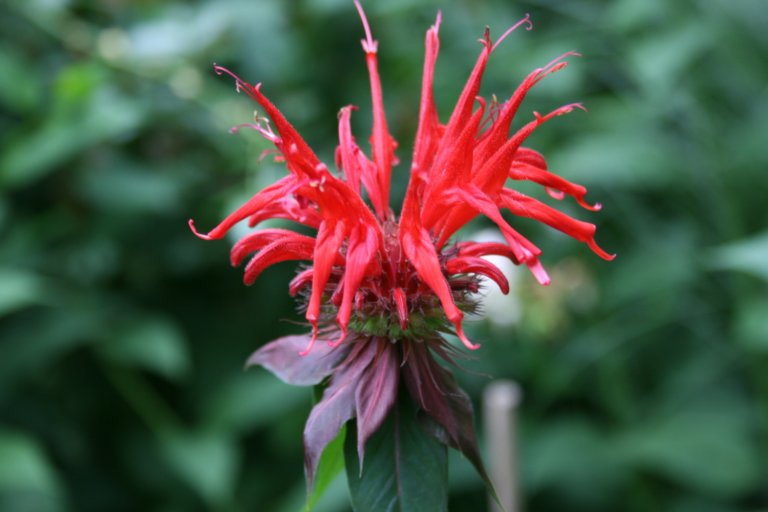
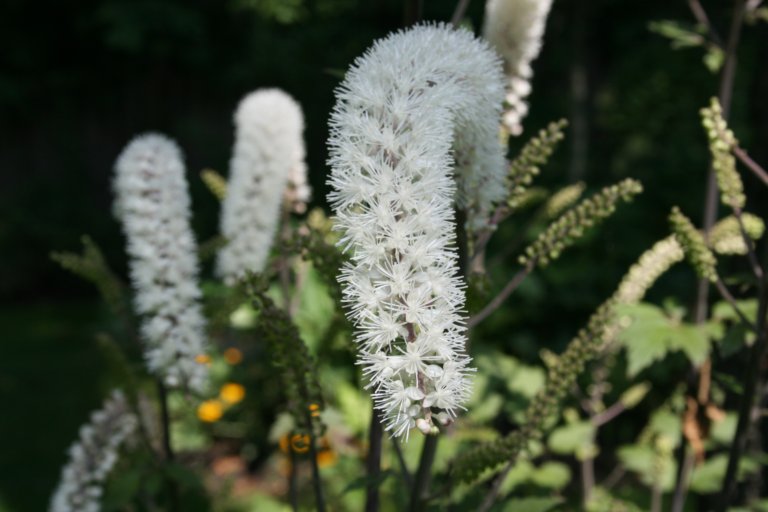
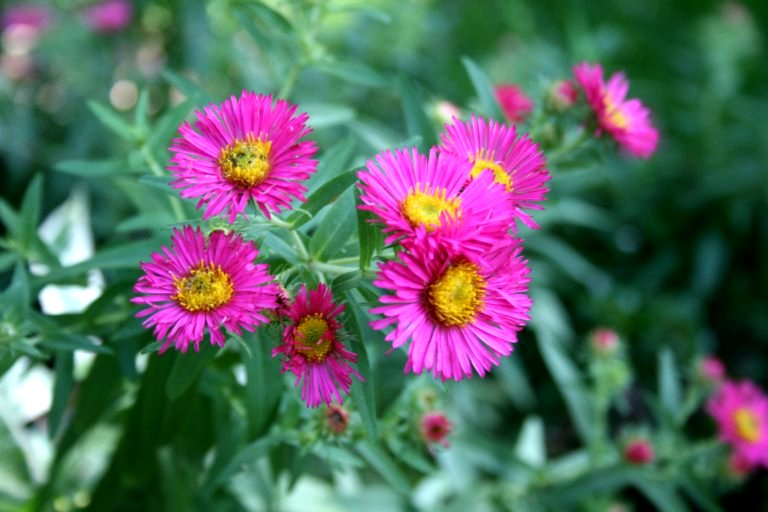
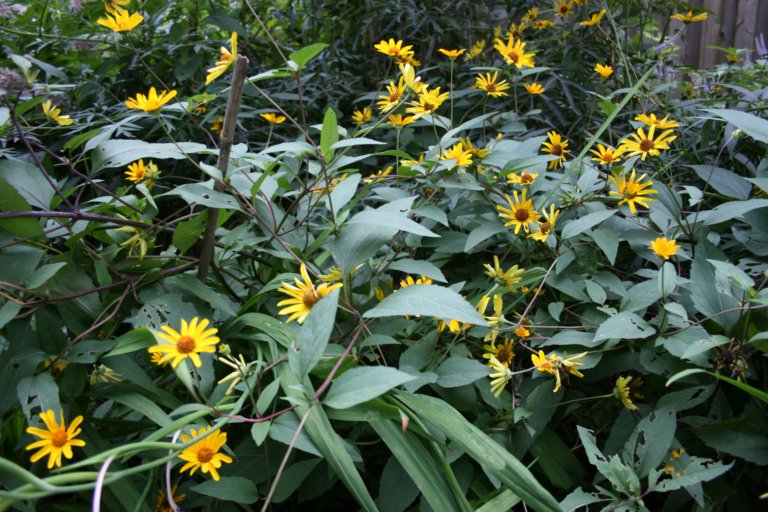
The first half of the Long Border looks great: the miscanthus grass provides movement; Salvia Black and Blue is weaving itself in and out; willow leaf sunflower, monarda, cimifuga, calamintha nepeta, and asters are all working. The second half is limping by: the false sunflower, two vitex, and an unremarkable grass all have to go.

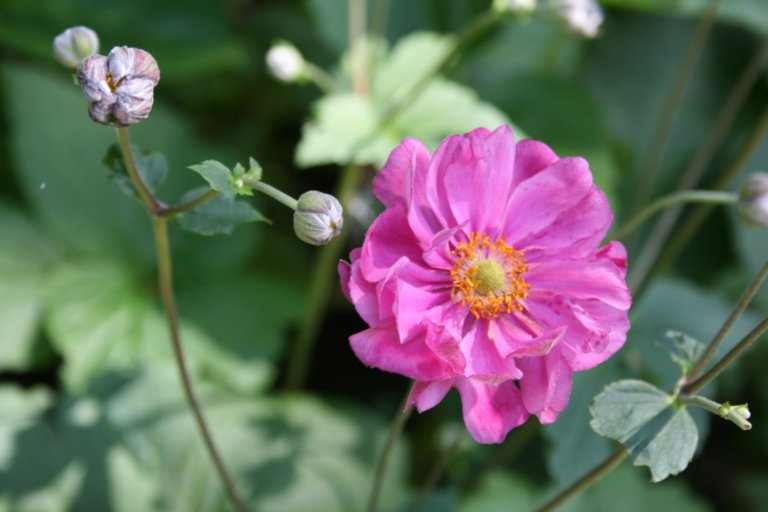
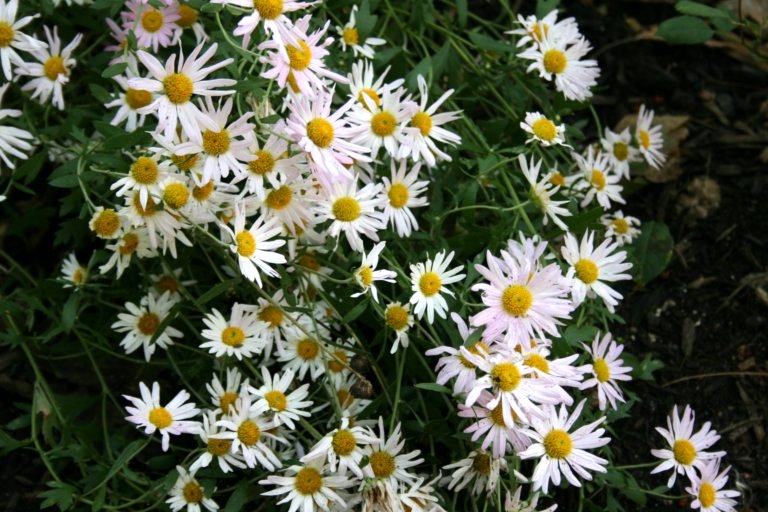
For next fall, here are some plants that look great right now either in other parts of my garden or in others’ gardens that I admire: Japanese anemone; turtlehead chelone; aster tataricus “Jindai” (can spread aggresively recommended that it’s divided every three years); perovskia; boltonia; viburnum nudum; toadlily; monkshood; tall annual salvias (blooming now until the frost, including salvia ‘Phyllis Fancy’ and salvia splendens ‘Van Houttie’); Geranium ‘Roxanne’; red hot pokers; hardy chrysanthemums; clematis tibetana; Nippon daisy (is wonderful, but needs to be cut back hard so as to not flop before they flower); and/or hydrangeas (two with beautiful fall color are ‘Preziosa’ and ‘Lady in Red’).

Keeping In: Salvia Black and Blue.
Keeping In: Monarda.
Keeping In: Cimifuga.
Keeping In: Asters.
Taking Out: False Sunflower.

Maybe Next Year: Japanese Anemone (currently in the Front Border).
Maybe Next Year: Hardy Chrysanthemums (currently in the Egg Garden).

Twelve Months of Garden Color in New Jersey (Zone 6b)

As it relates to color in the garden, one of my goals is to create year-round interest. Looking through my pictures, the year starts with whites and yellows; the middle months have a full range of of bright colors; and the year ends with the deep colors of berries. Here is a brief overview of these colors with one picture for each month of the year.

This post was inspired by the “Garden Bloggers’ Design Workshop – Colors in the Garden” at one of my favorite gardening blogs, Gardening Gone Wild: http://www.gardeninggonewild.com/?p=698

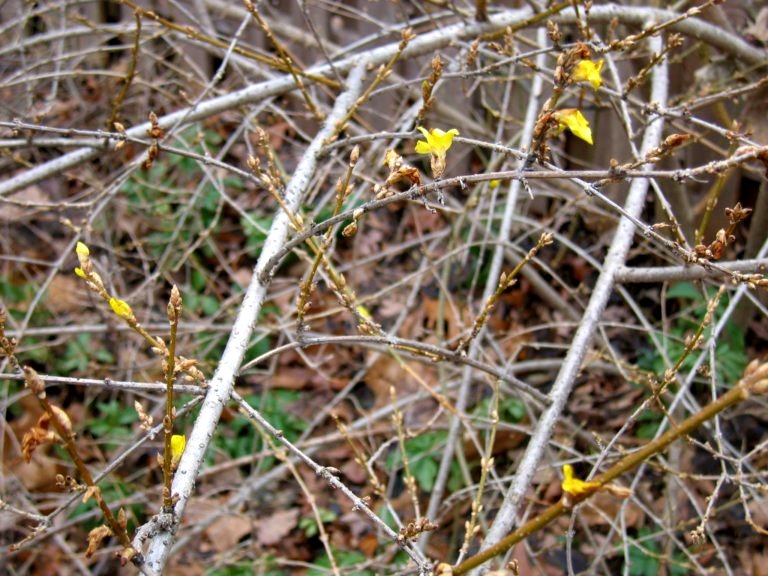
January in northern New Jersey (zone 6b) is a hard month to find any color in the garden. Fortunately, whenever the weather warms up into the forties, the forsythia start to show off some of their blooms. Of course, when it gets cold again, they hide themselves away until it warms up in earnest. This is the time when I start to cut the branches off and bring them indoors to force–my favorite thing to do with forsythia.

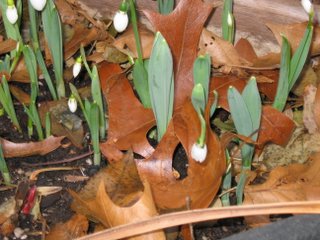
February is the month for snowdrops. I have snowdrops in the Cutting Garden and, last fall, planted more in the Walled Garden. These small flowers are so cute and the first real sign that spring is coming. Given their size, you really can’t plant too many of them–think hundreds. Since I like to plant a lot, I buy my snowdrops wholesale from Van Engelen. Once they come up, I cut small bunches for vases. Pests do not eat these bulbs.

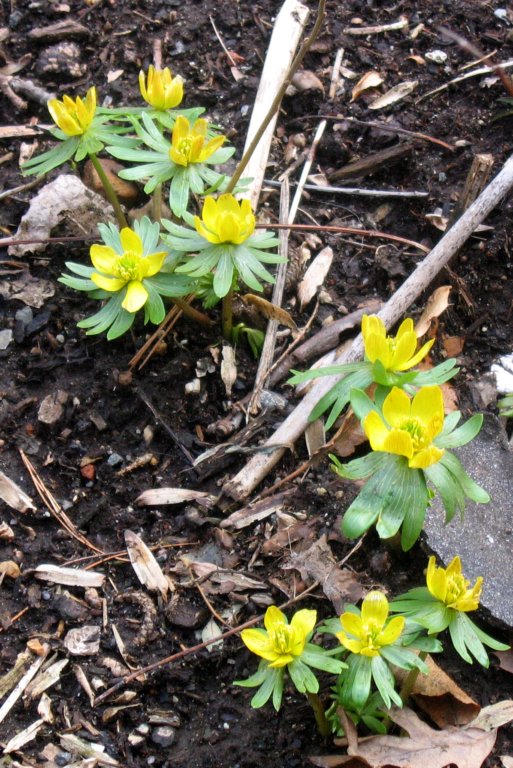
The March bulb show begins with winter aconite. It is another small bulb that I planted under Prunus ‘Forest Pansy’ in my front border. It took me a couple of years for me to get these established. I was most successful with bulbs from Old House Gardens. I think the difference was that these bulbs dry out very easily and Old House Gardens coats the bulbs in a horticultural wax to prevent this. If you know someone with an established clump, it’s best to beg a few in the green and replant them immediately in your garden. Pests do not eat these bulbs.

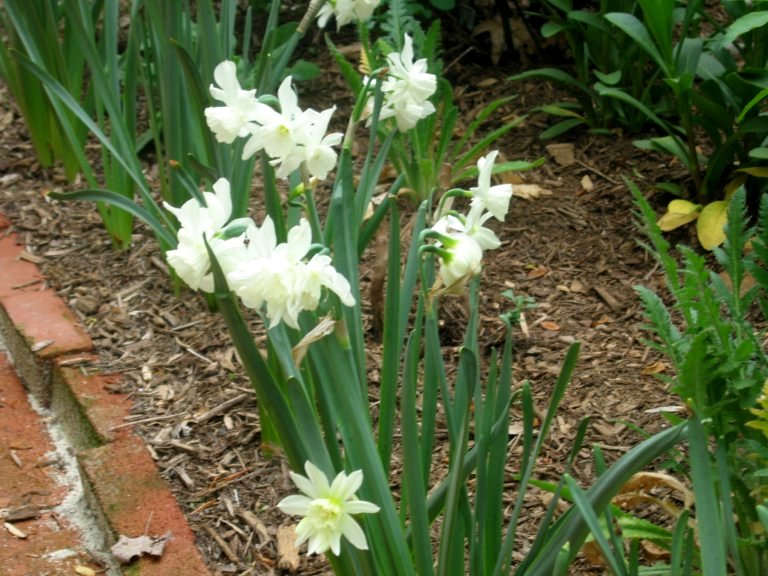
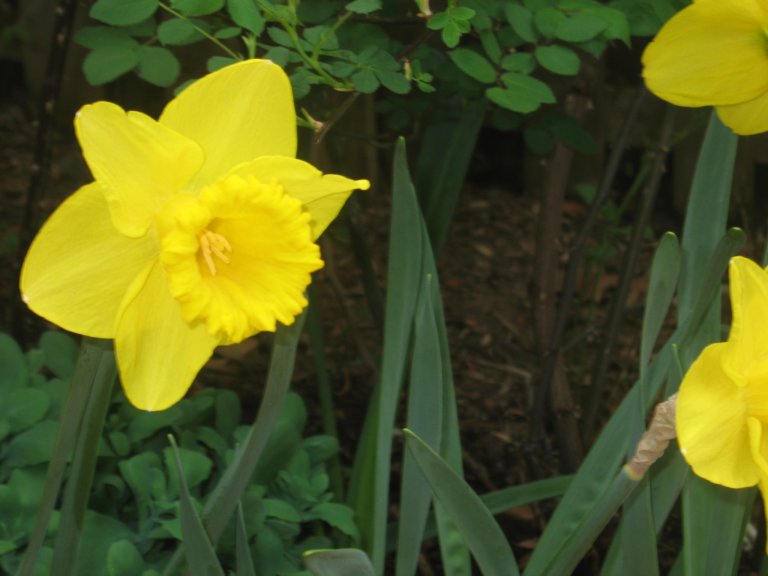
April, of course, is the month for daffodils. I plant hundreds of daffodils all over the garden. I plant all sizes and colors, but am particularly fond of the white daffodils. The earliest actually start to bloom at the end of March and they last through April into May. Pictured here is an old heirloom Thalia.

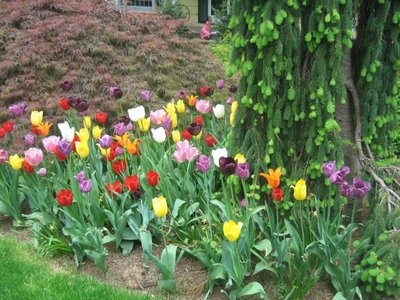
May is one of my favorite months in the garden as tulips explode everywhere. Last year, my combination was inspired by the Granny’s Garden collection from Old House Gardens. I planted a mix of the following tulips, most of which are older varieties: Cum Laude, Glowing Pink, Kingsblood, Maureen, Queen of the Night, Dillenborg, Mrs. John Scheepers, Colour Cardinal, Princess Irene, and Ballerina.

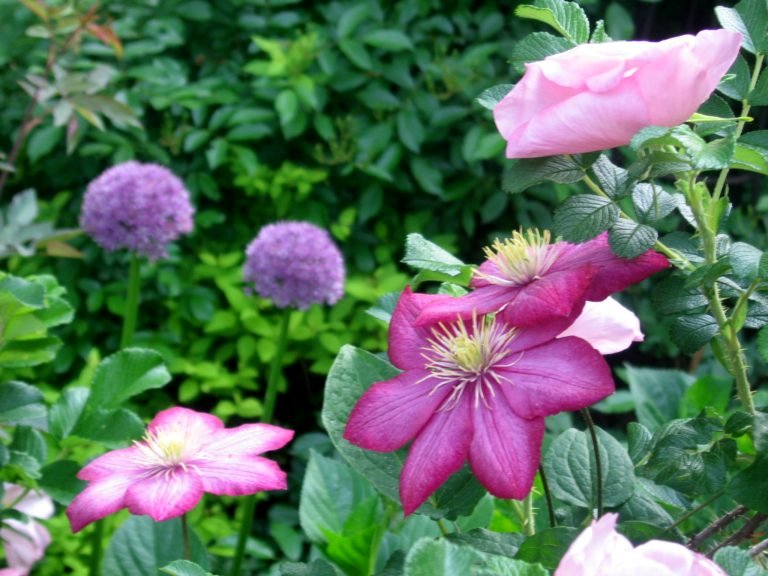
June is the most colorful month in my garden. As the spring bulbs wind down, the garden bursts into bloom with roses, clematis, alliums, peonies, poppies, and many more. In the picture is one of my favorite rugosa roses Frau Dagmar Hastrup. Frau Dagmar is small for a rugosa reaching only about 3 feet tall and about as wide. It begins blooming in May and continures until November. The leaves are a beautiful, quilted, dark green. Frau Dagmar also sets many hips when I stop deadheading. The fragrance of Frau Dagmar is magnificent.

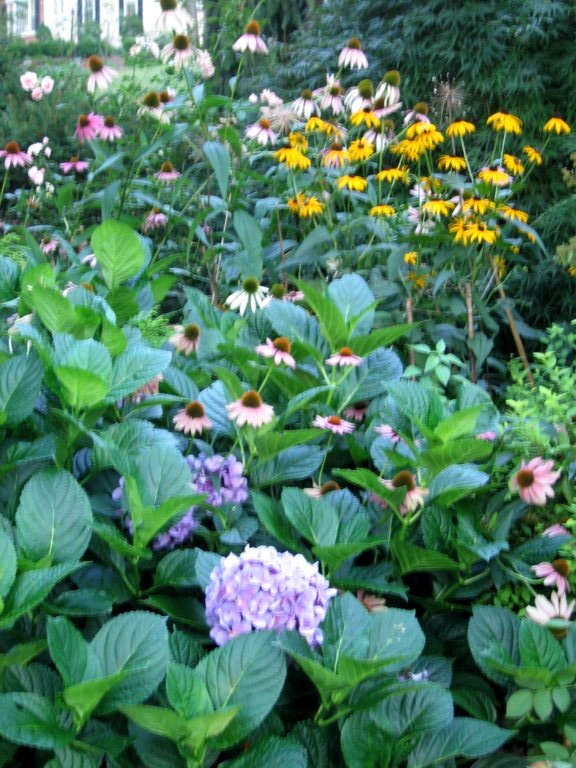
July is when the plants from and reminescent of the American prairie take over. Purple coneflower, the many rudbeckias, joe pye weed, heleniums, helianthus, phlox, milkweed, monarda, erygium, echinops, and shasta daisies all begin their bloom. These plants, despite the heat and humidity of summer, keep going and going while attracting many birds, hummers, and butterflies to the garden. By mixing these with grasses, you have color, movement, and beauty that will carry you well into September.
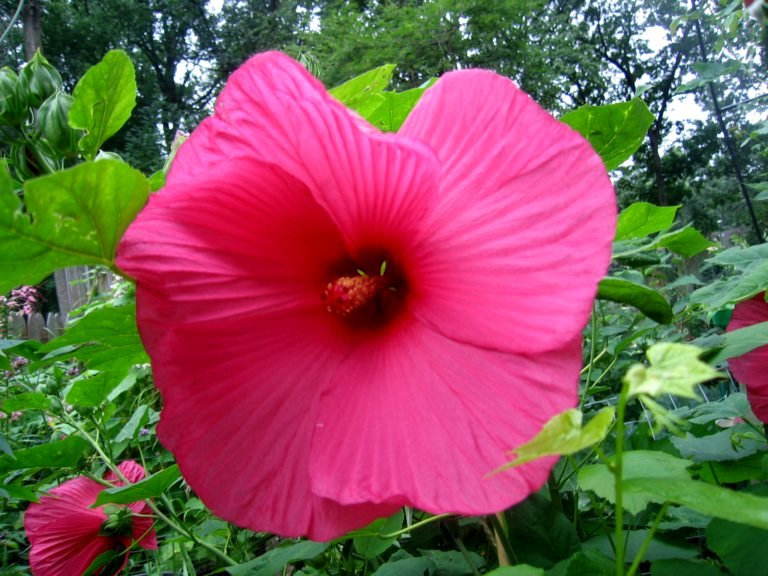
One of my daughters is in love with hibiscus and has been reminding me I haven’t put a picture of her hibiscus on my blog yet. In August, the huge tropical looking flowers garner lots of attention. The flowers are great floated in a vase and keep coming over a long period of time. Also, the seed pods of the hibiscus are quite beautiful afterward.

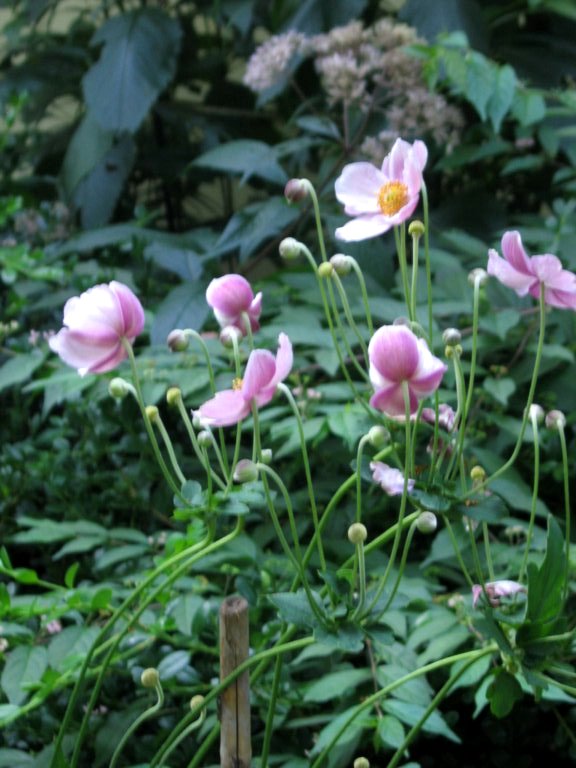
September is part of summer in my book. The garden is still in full swing with no sign of winding down. By the end of the month, however, the Japanese anemone ‘Queen Charlotte’ is beginning to bloom, signaling the very beginning of fall.

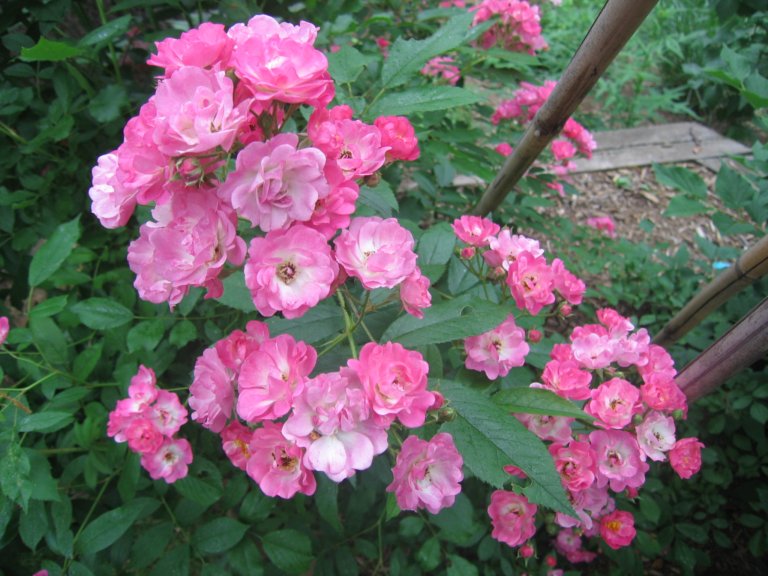
October is the month of rose rebloom. In our garden, any rose that is going to rebloom, puts on a very generous display in the autumn even if it hadn’t bloomed since June. The cooler temperatures in September helps to restart the roses after the heat of August. Pictured here is Belinda, an heirloom hybrid musk rose, purchased from Antique Rose Emporium. I deadheaded this rose throughout the summer and was rewarded in the fall with a very generous flush of roses in addition to the many others throught the summer.
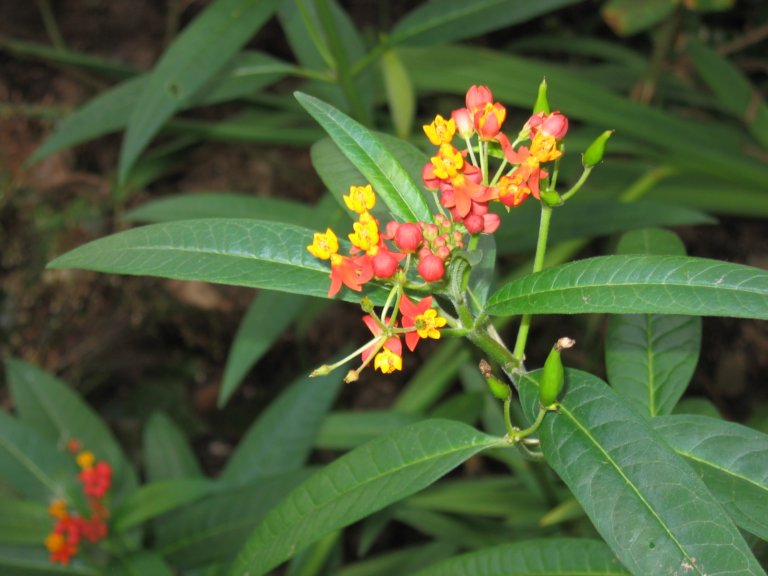
The butterfly weed pictured here was a welcome volunteer from a clump of Mexican milkweed I planted in 2006. I did not expect it to reseed for me given that its grown mainly in zone 8 and warmer. But the seedling did come and were enjoyed by many monarch catepillars. The plants came into bloom very late in the season. They, however, made it through many light frosts and only died well into November when we had a hard frost.

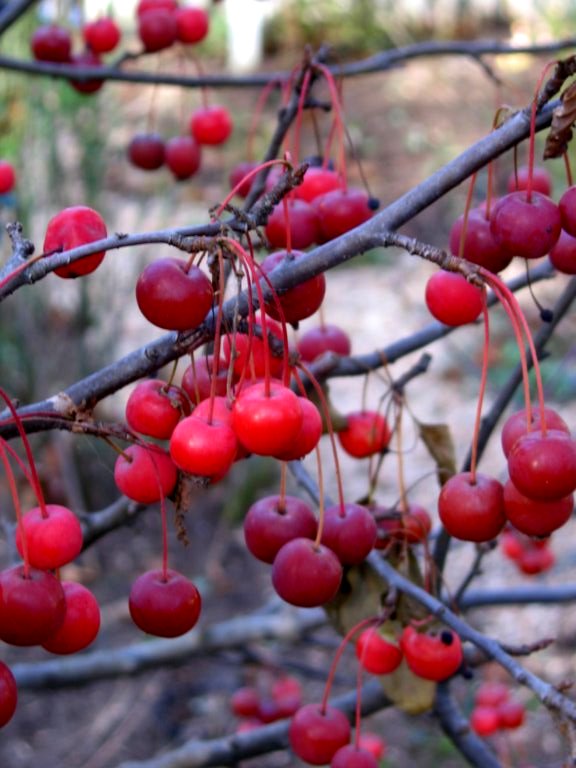
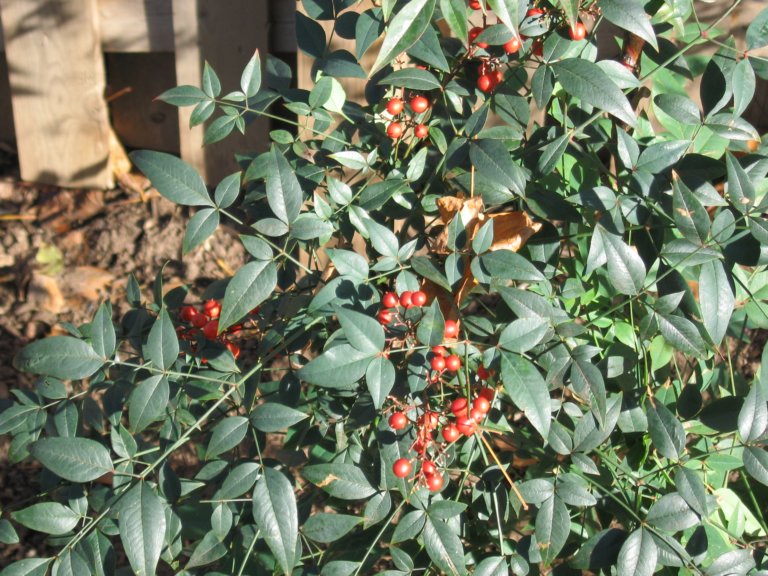
December leaves me with the scarlet crabapples in the Egg Garden and many other berries from roses, nandina, Japanese beautyberry and winterberry.