
As I wrote in my Ten Tips for Planning a Children’s Garden, one of the ways to enable your children to enjoy and appreciate the garden is to encourage them to participate in the gardening activity. Each of my children has a small plot that I let them plant. Last year, my now eight year old planted primarily annuals, but in the fall decided to follow mom’s example and densely plant daffodils and tulips. What do yo think? I think she might have out-planted mom!
. The first picture is from about two weeks ago with mostly daffodils and a few tulips beginning to bloom.
.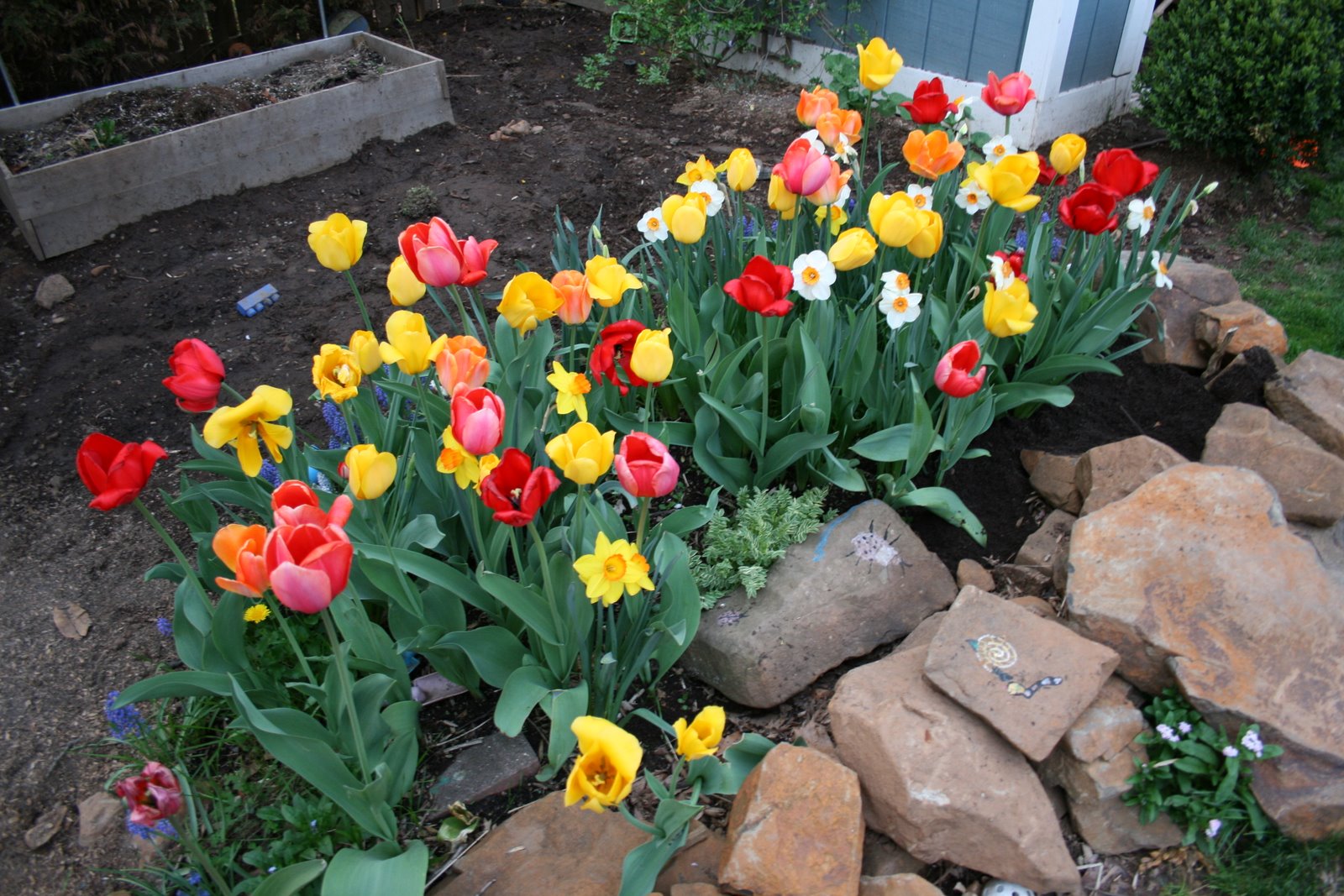 The second picture is from this past weekend when the tulips were in full bloom.
Category: Bulbs and Tubers
Daffodils: an Easy way to add Beauty and Variety to the Spring Garden
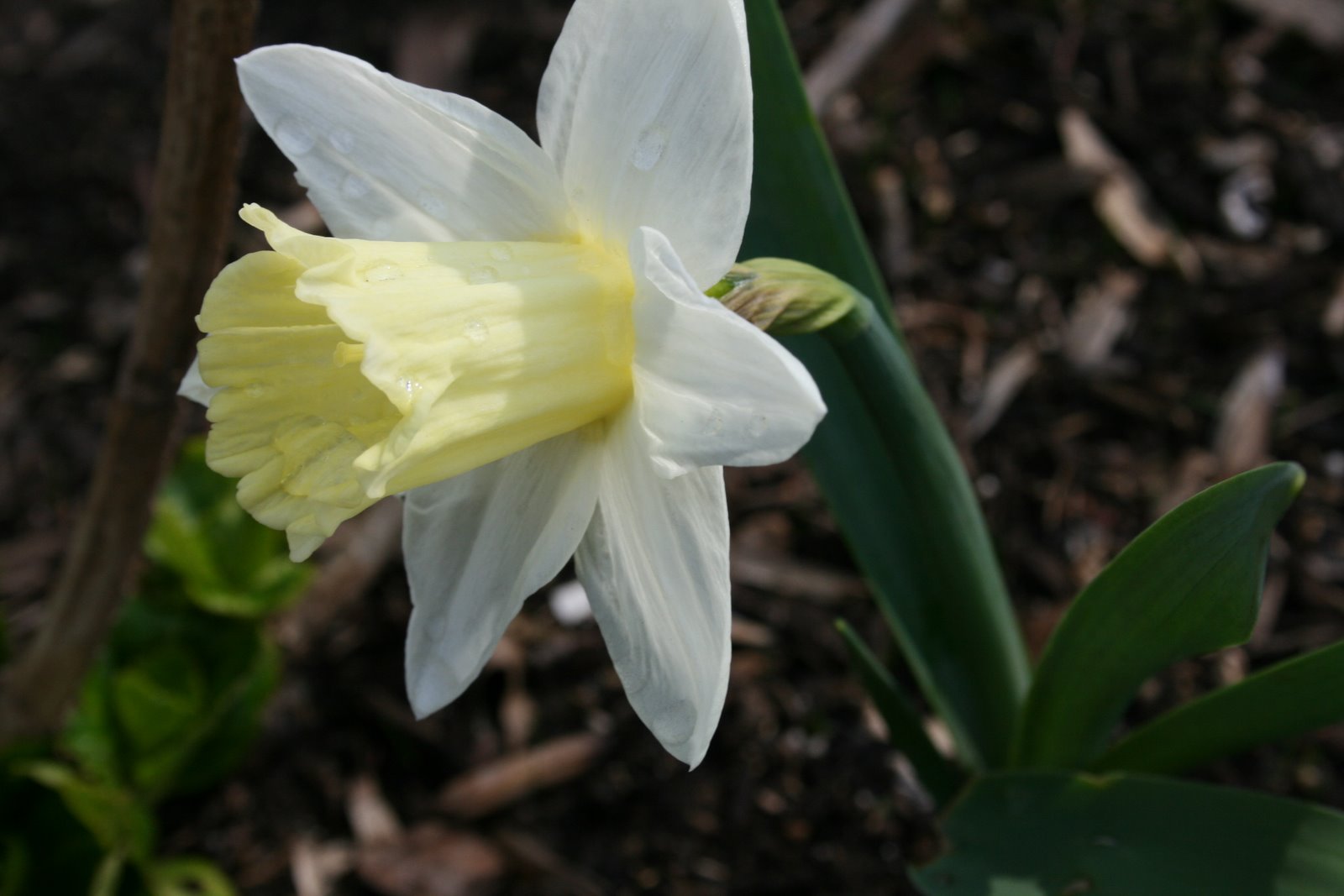
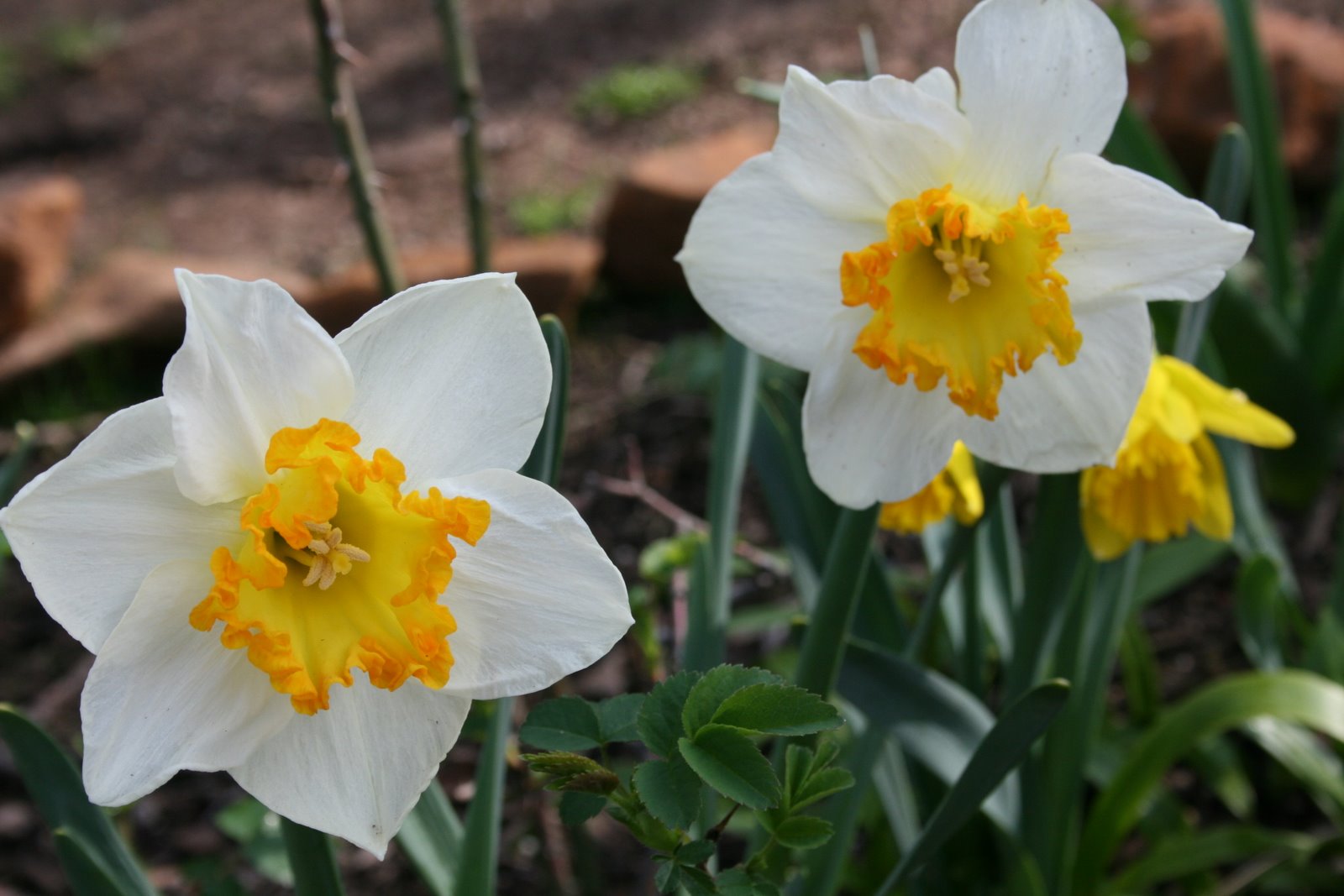
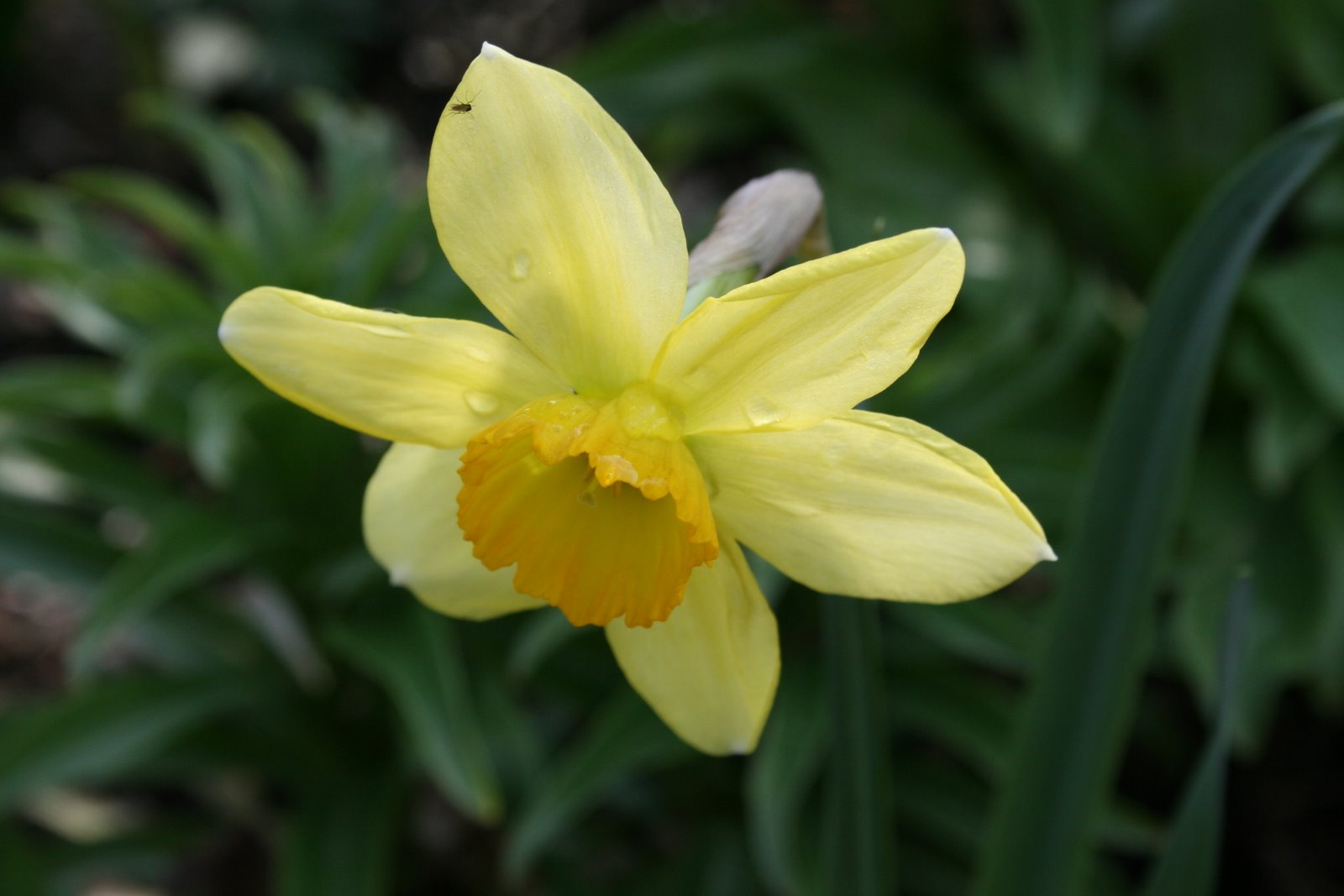
In addition to the daffodils I posted for the April 2009 Garden Bloggers’ Bloom Day, here are some additional ones blooming throughout the garden. Daffodils are one of the easiest ways to brighten up your garden: endless variety, varying bloom times that can make daffodil season last for over a month (April-May in zone 6b) while the rest of your garden wakes up, and pest proof (given that the bulbs and leaves are poisonous to deer, squirrel, chipmunks, etc.).
.
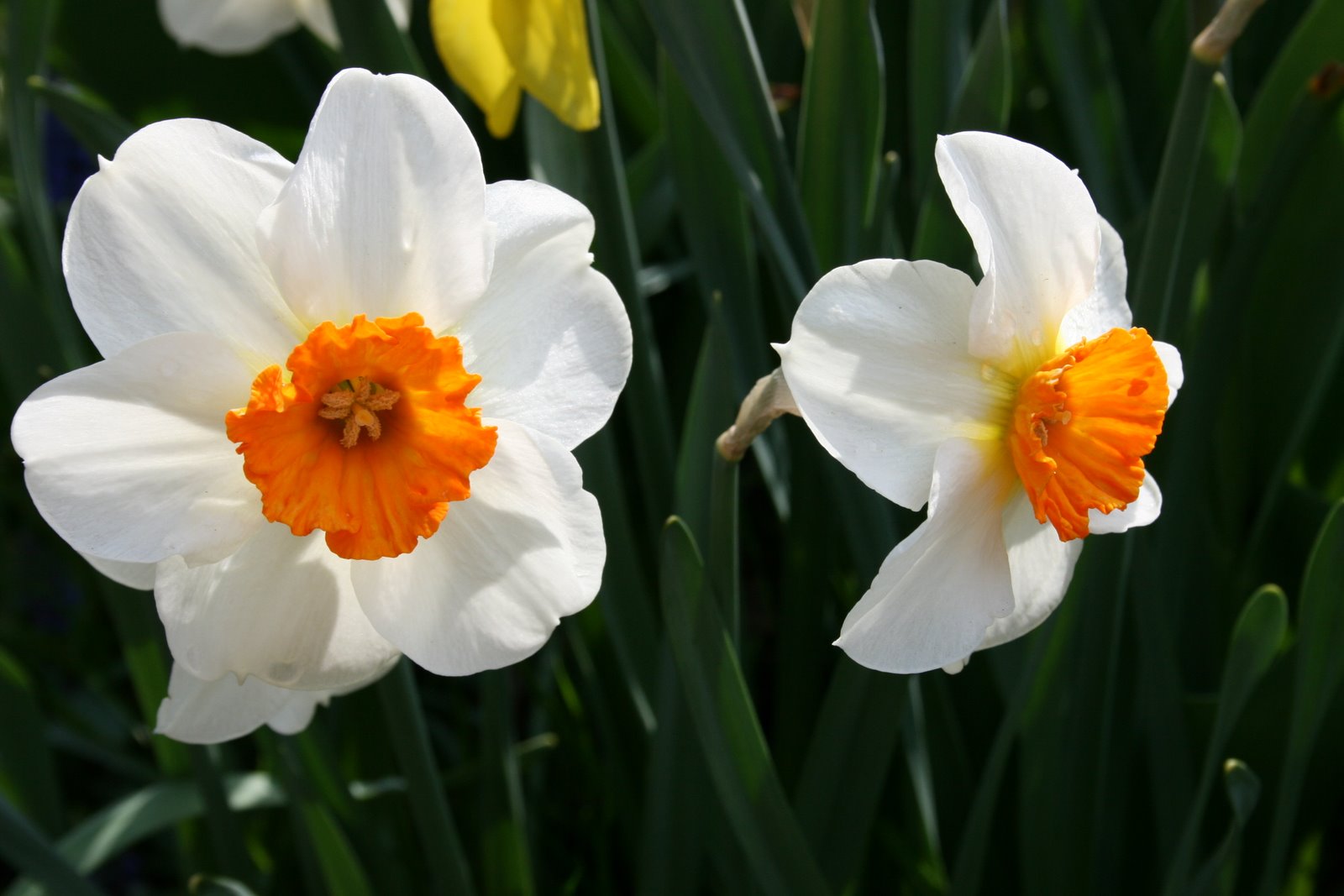
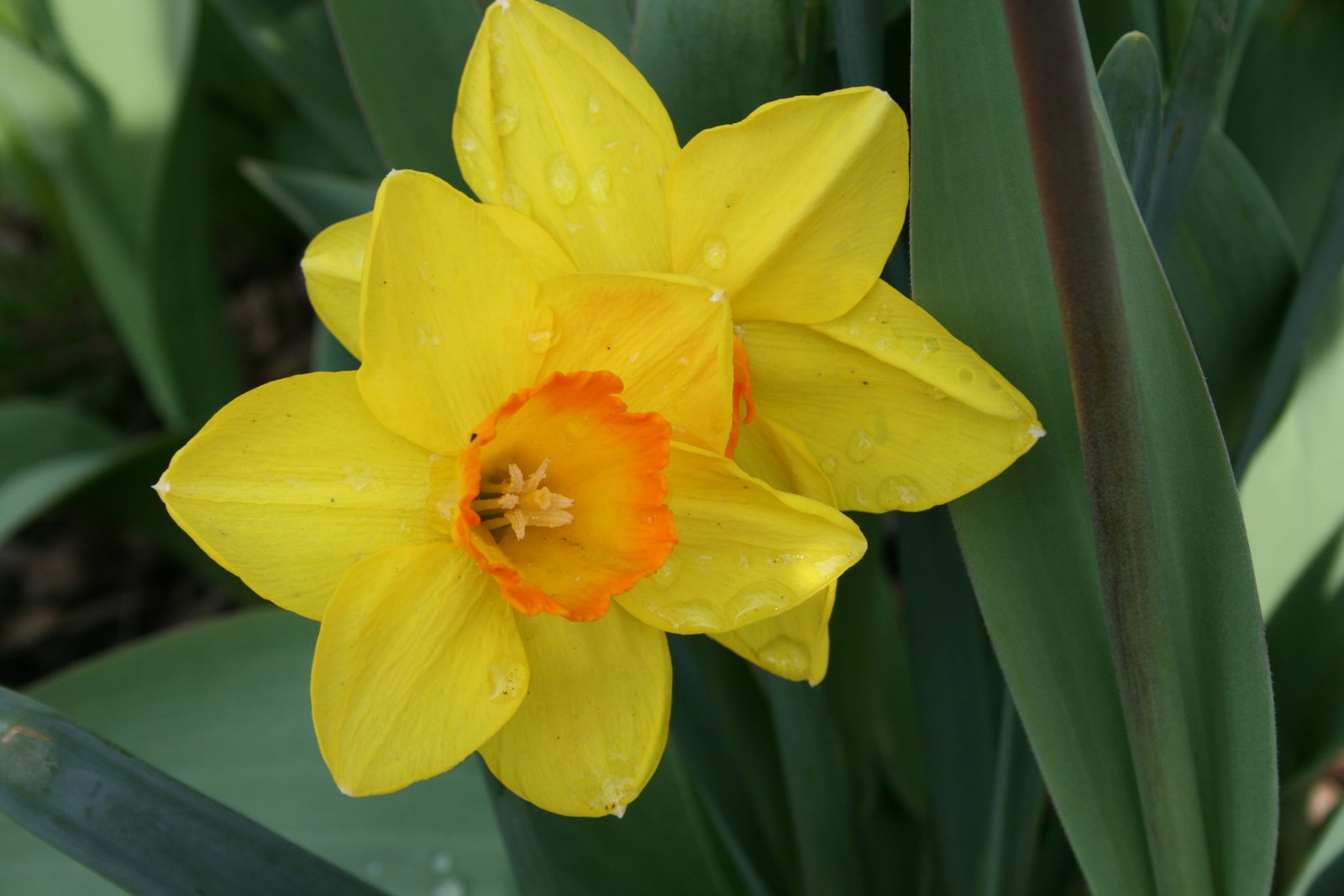
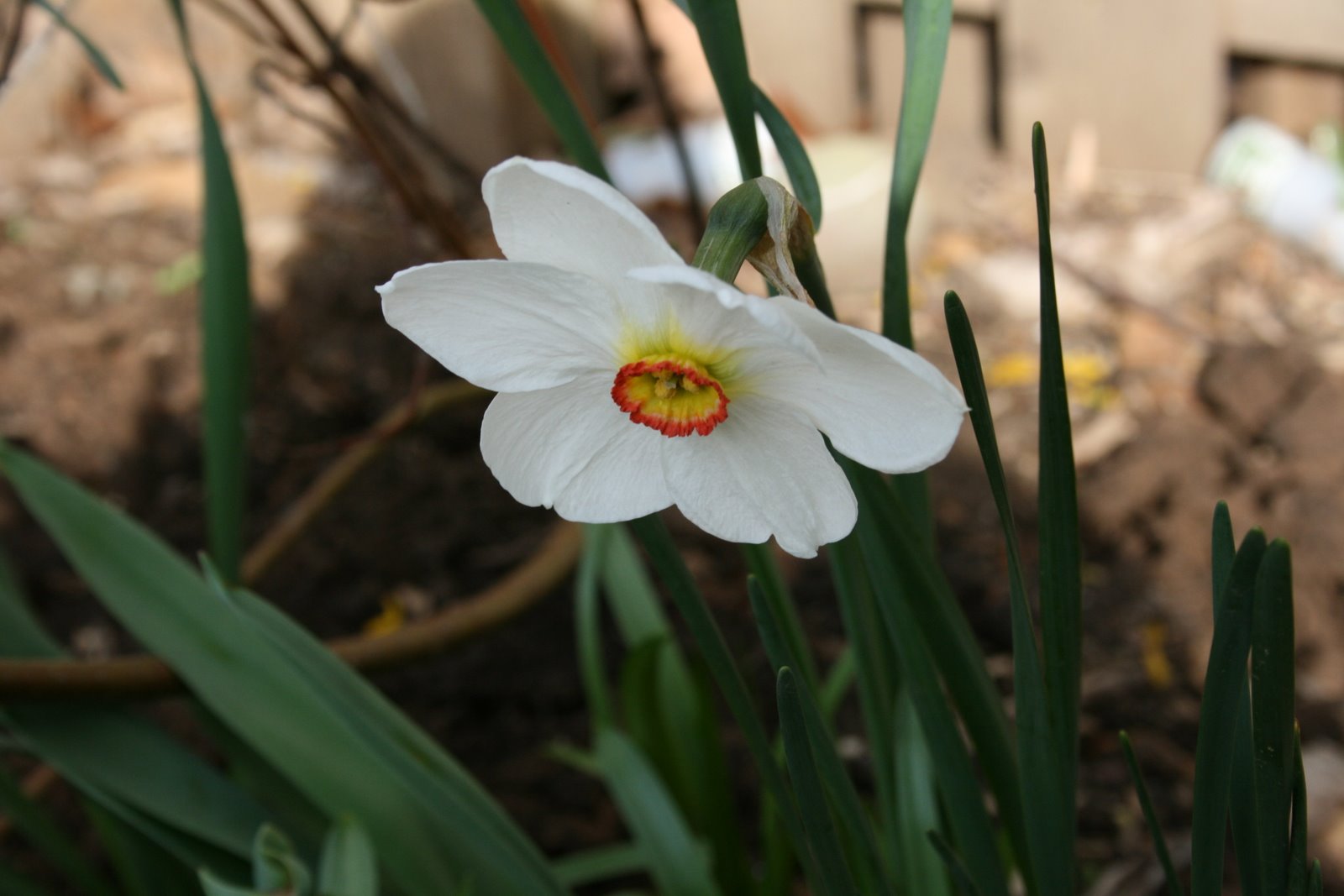
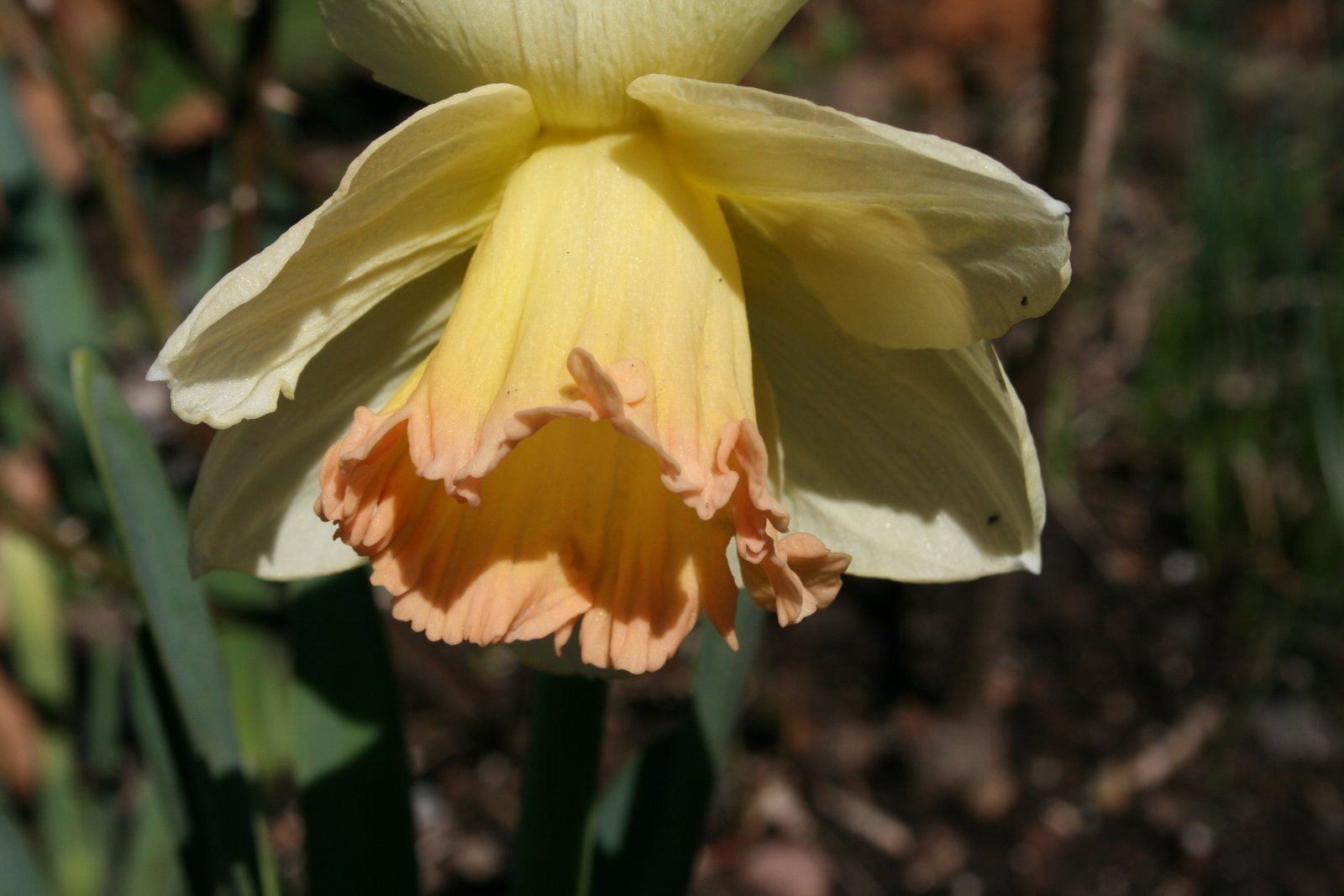
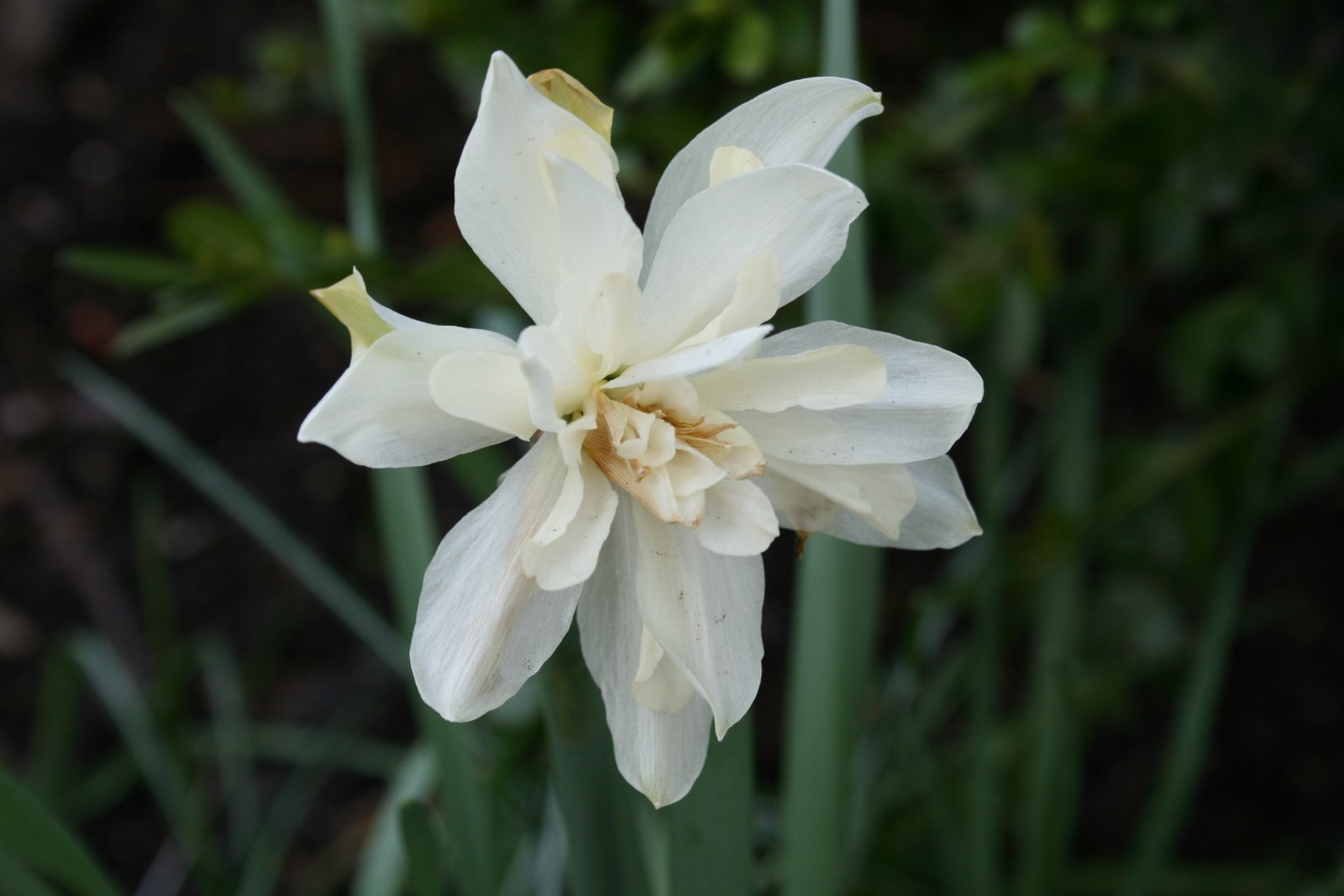
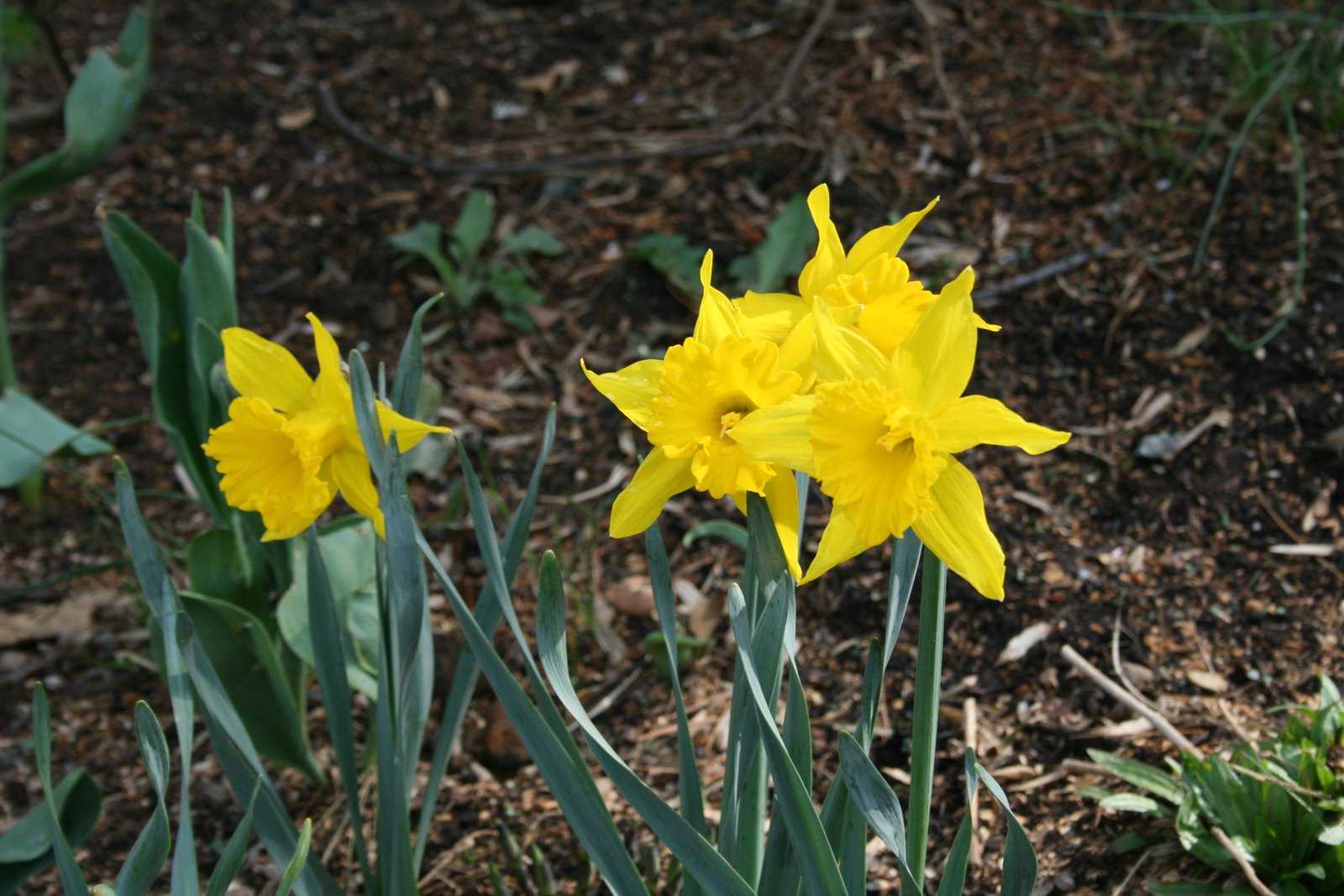
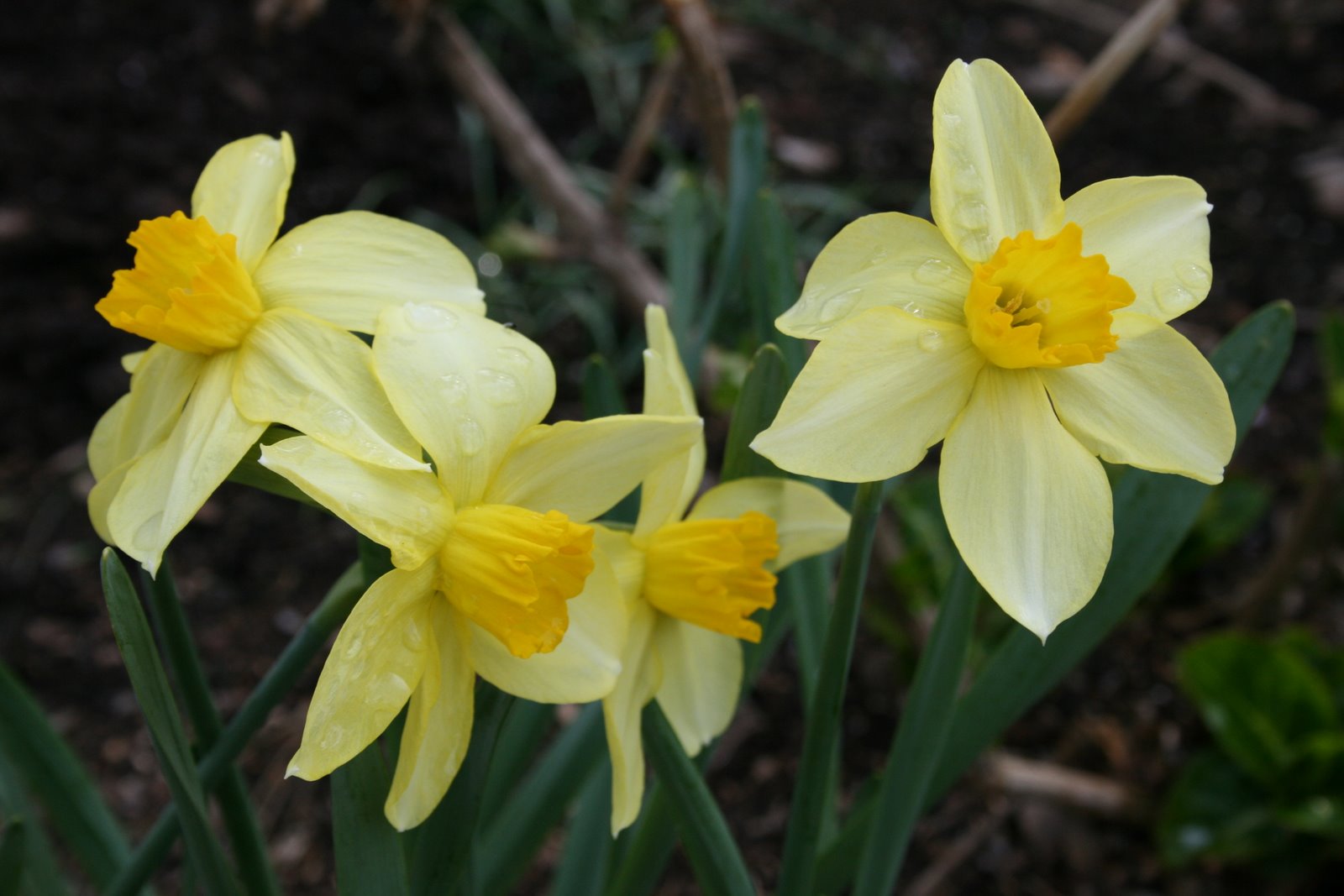
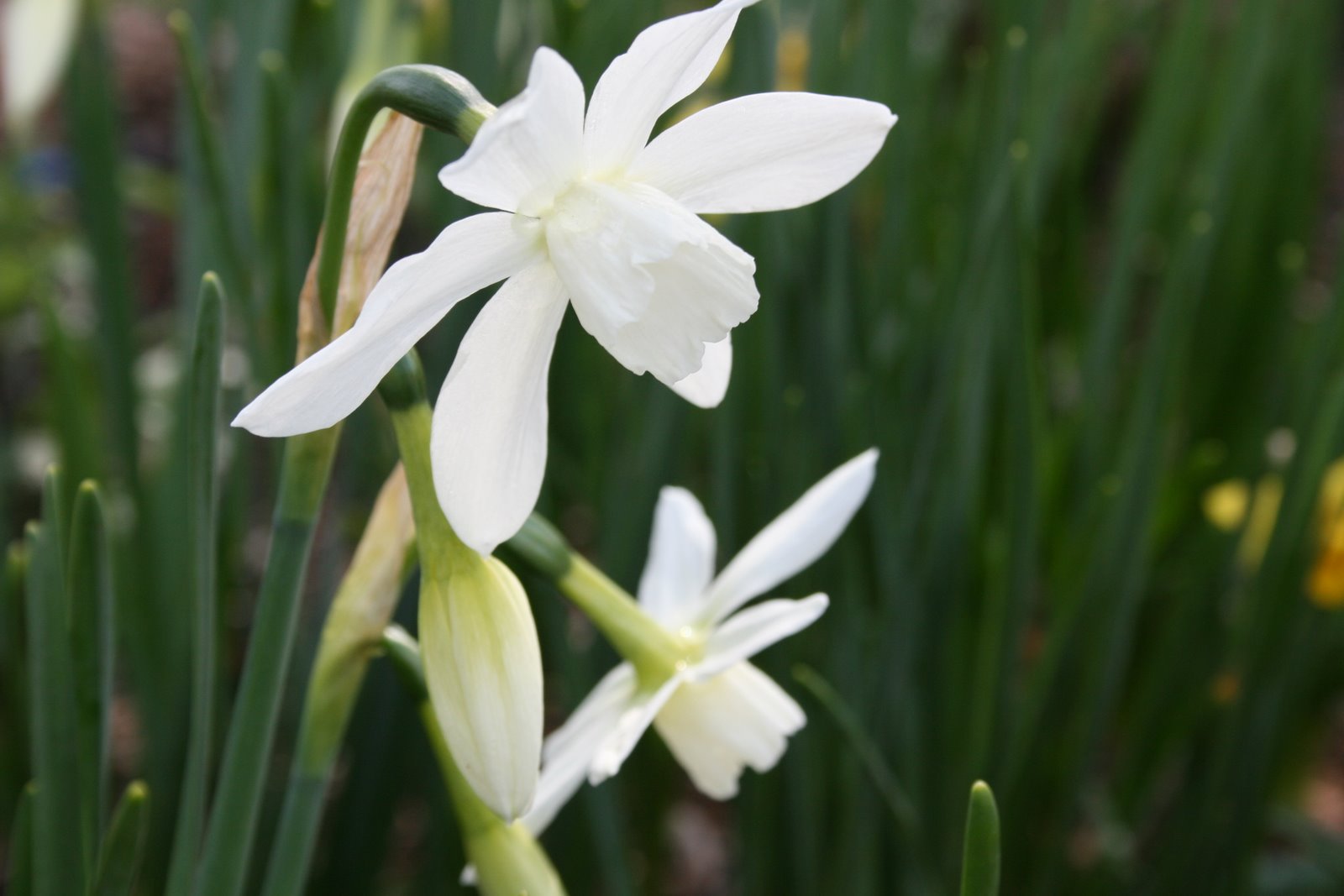
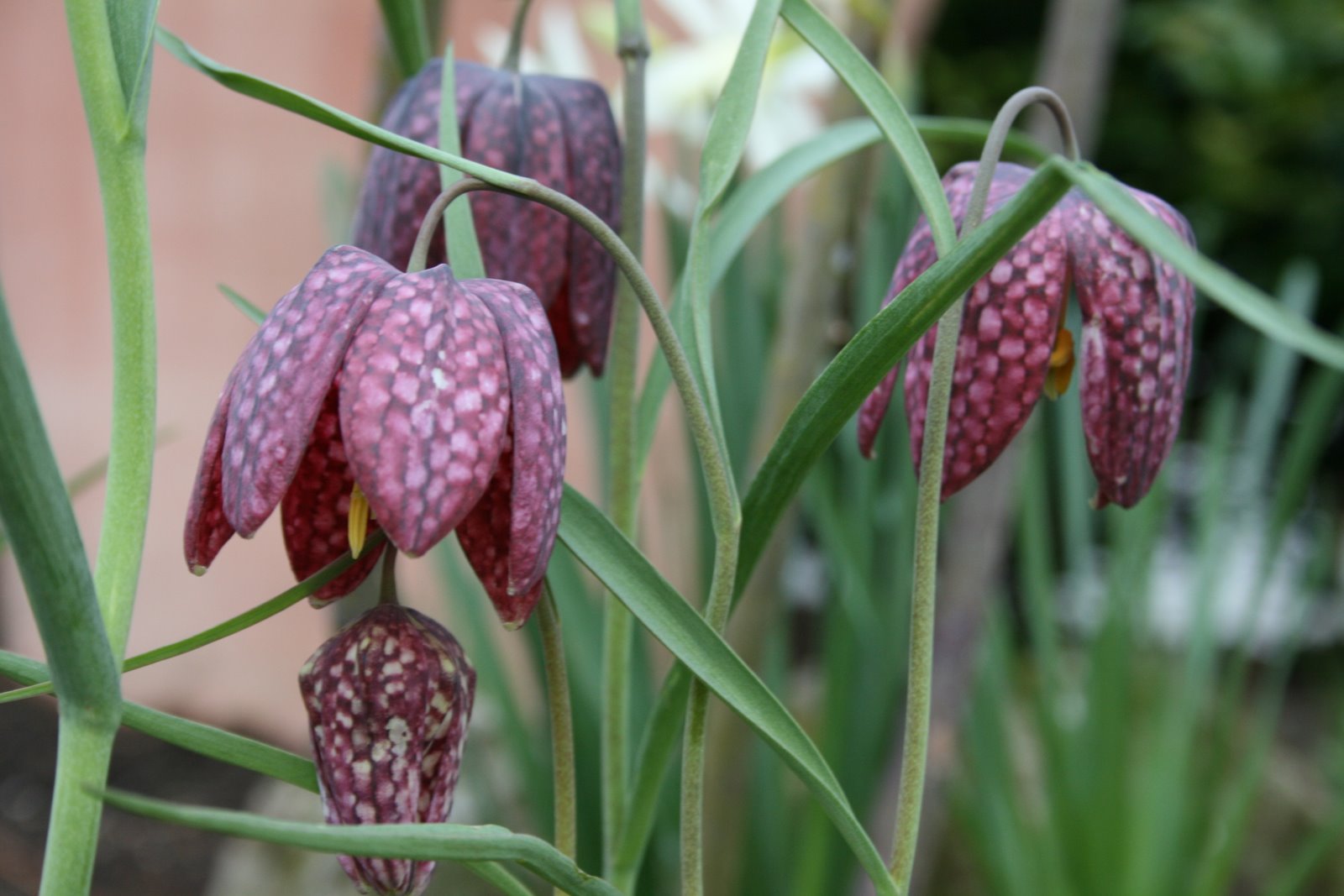
Snake’s Head Fritillary (Fritillaria meleagris)
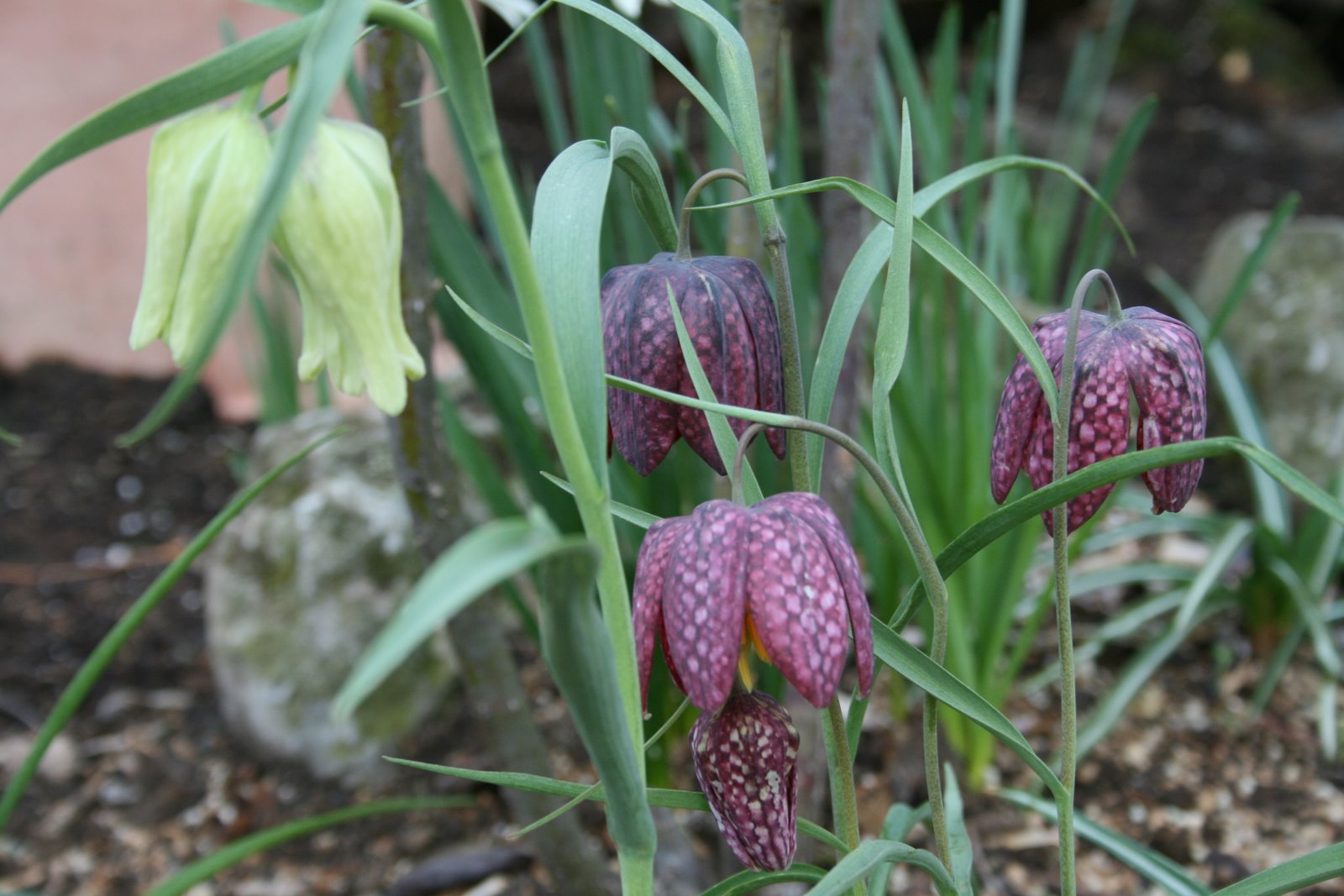 Here are some pictures of my Snake’s Head Fritillary (Fritillaria meleagris), which are blooming in April in New Jersey (Zone 6b).
.
I love these little flowers, but they have been finicky about their conditions. Many of the bulbs haven’t survived for more than a year. I haven’t figured out exactly why they are working in some moist places, but not others. The pictures are from two of my mixed borders.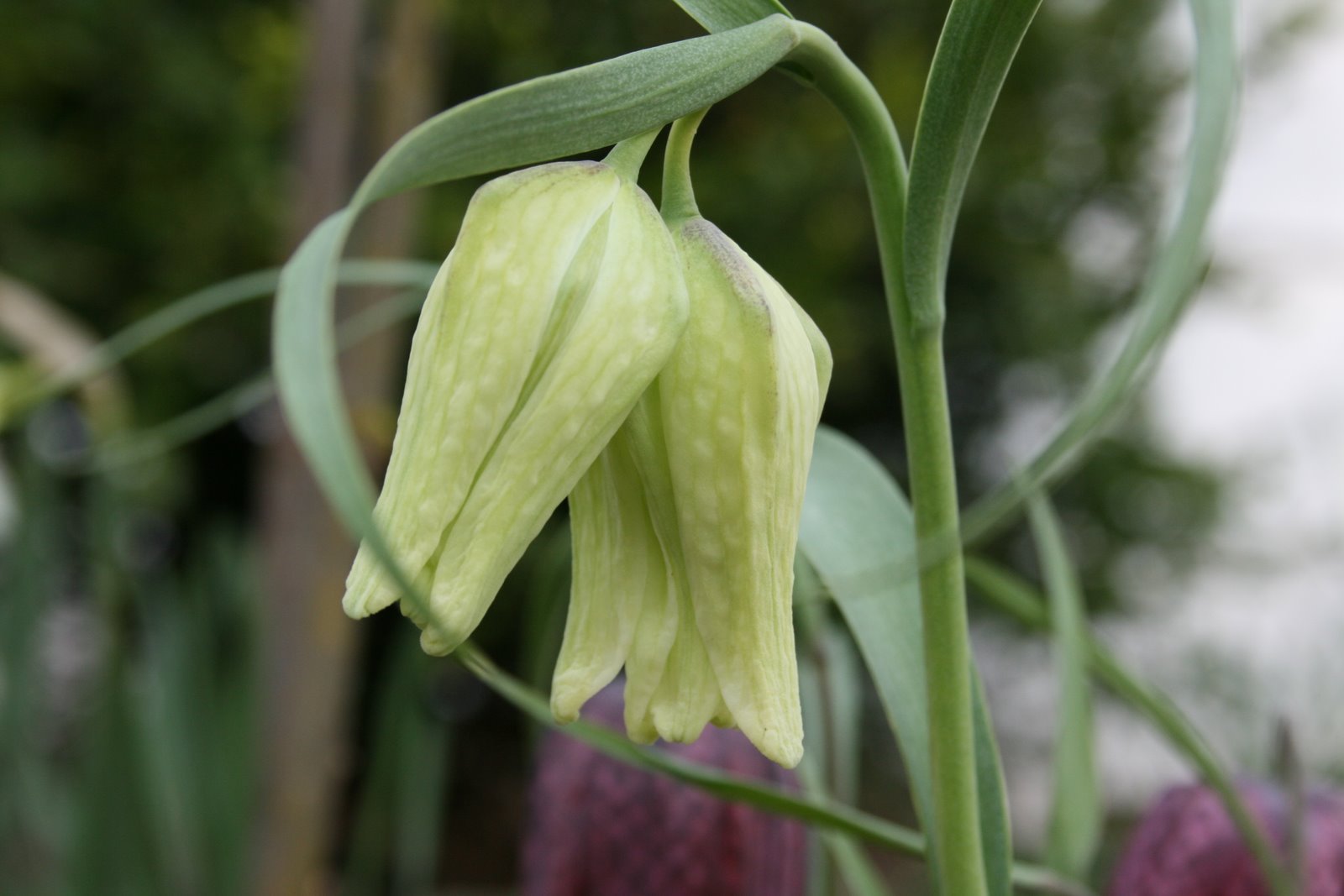

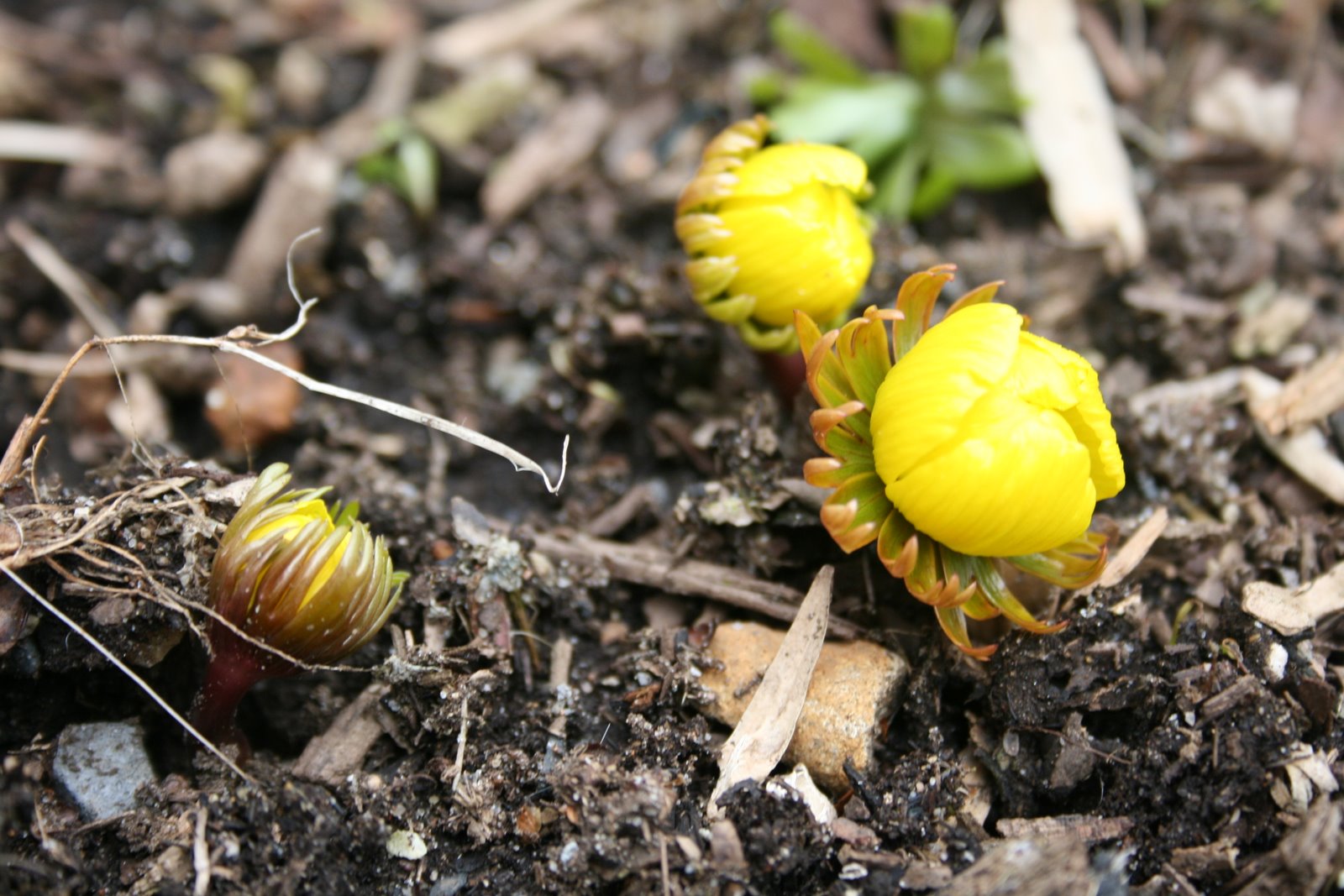
The Winter Aconite Continue to Self Seed
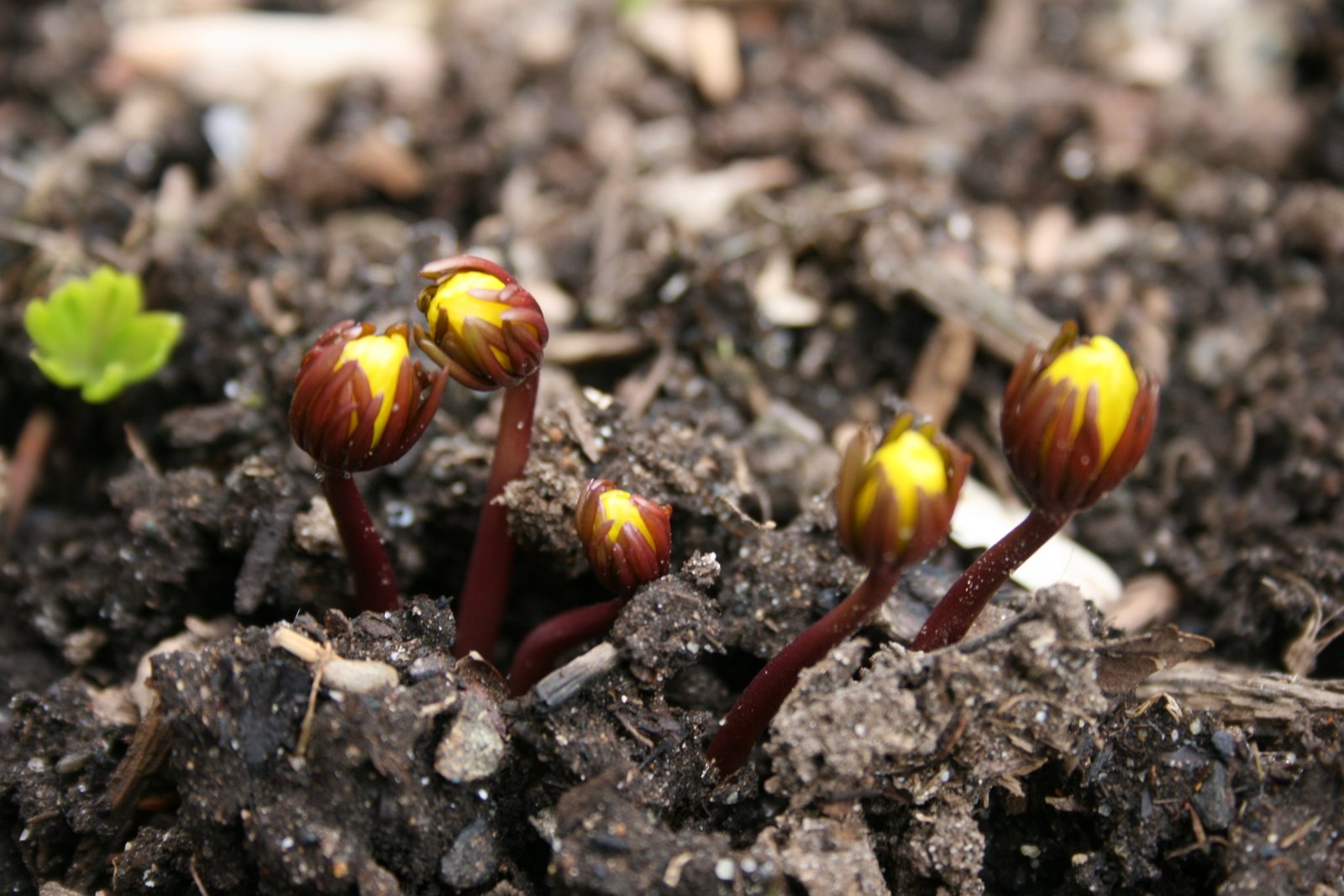 Four years ago, I planted about ten winter aconite in my Front Border. Each year, the patch has slowly grown through self-seeding. Pictured are some of the newest that are just starting to come up. I’d guess the total number in the patch is now somewhere around thirty. Aren’t they cute?
Snowdrops (Galanthus elwesii) Blooming in Late February in New Jersey (Zone 6b)
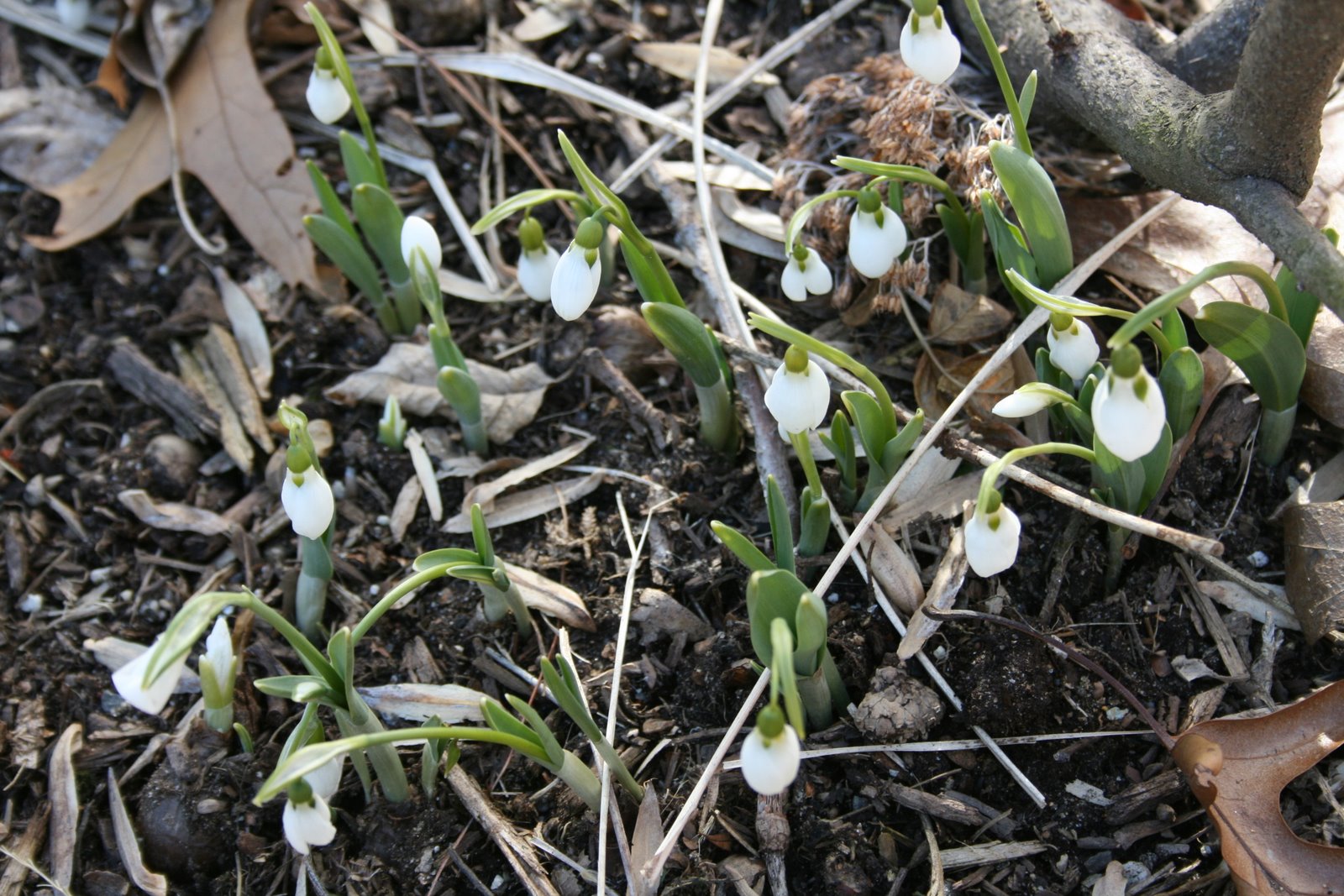 Is February over yet? Only three days left until March when the garden really starts coming back to life. Now that the snow has melted from the beds, you can see the snowdrops blooming in earnest.
Garden Bloggers’ Bloom Day, January 2009: Snowdrops in the Snow!
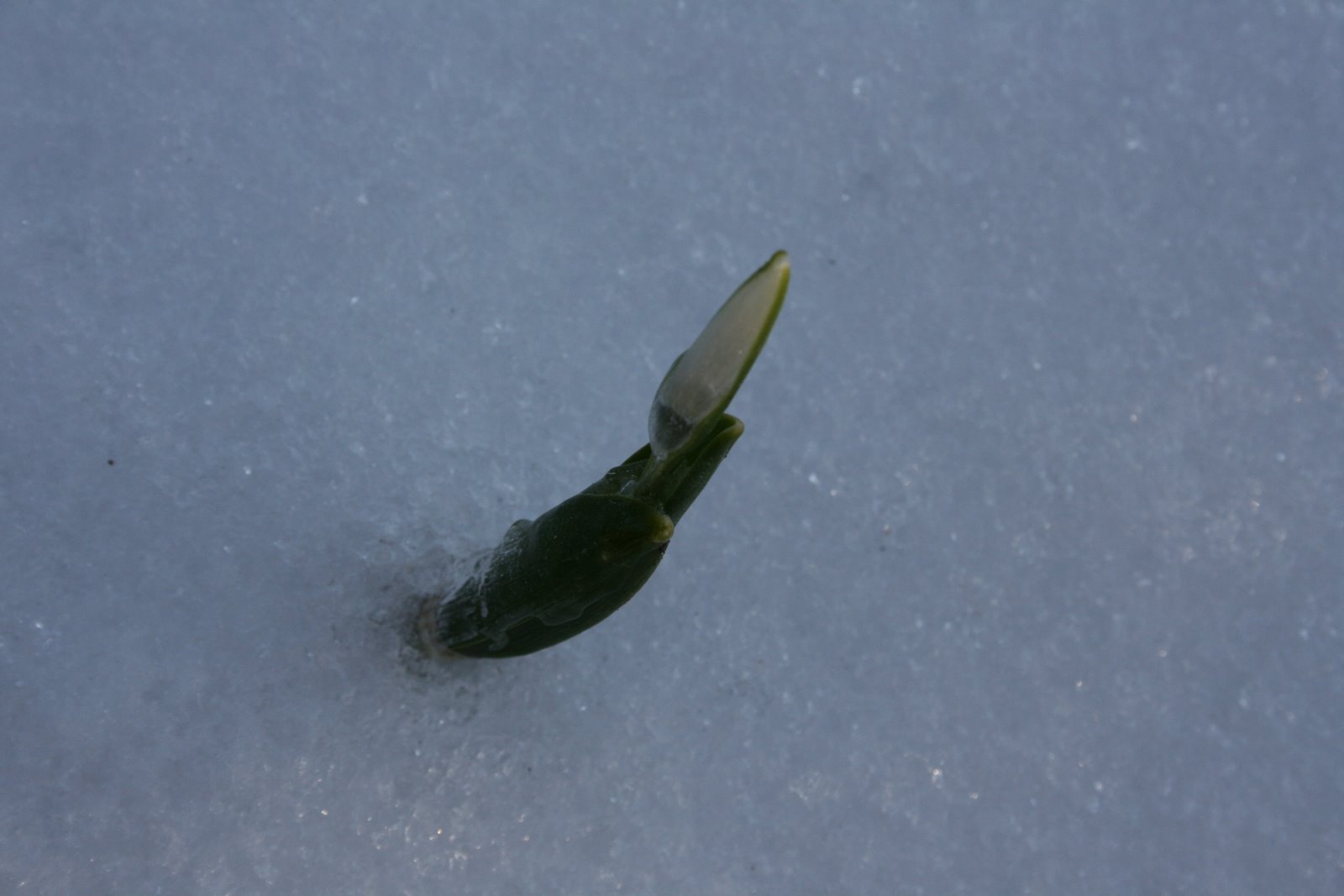 This may be the most challenging month for my contribution to Garden Bloggers‘ Bloom Day at May Dreams Gardens. My garden is buried beneath snow and ice, but I was fortunate enough to find at least one resilient snowdrop bloom in the Front Border to share with you. There were actually a few more, but the children picked them to make a small vase. Inside, I have some amaryllis blooming, which you can see here (white) and here (red).
Second Amaryllis in Bloom (White)
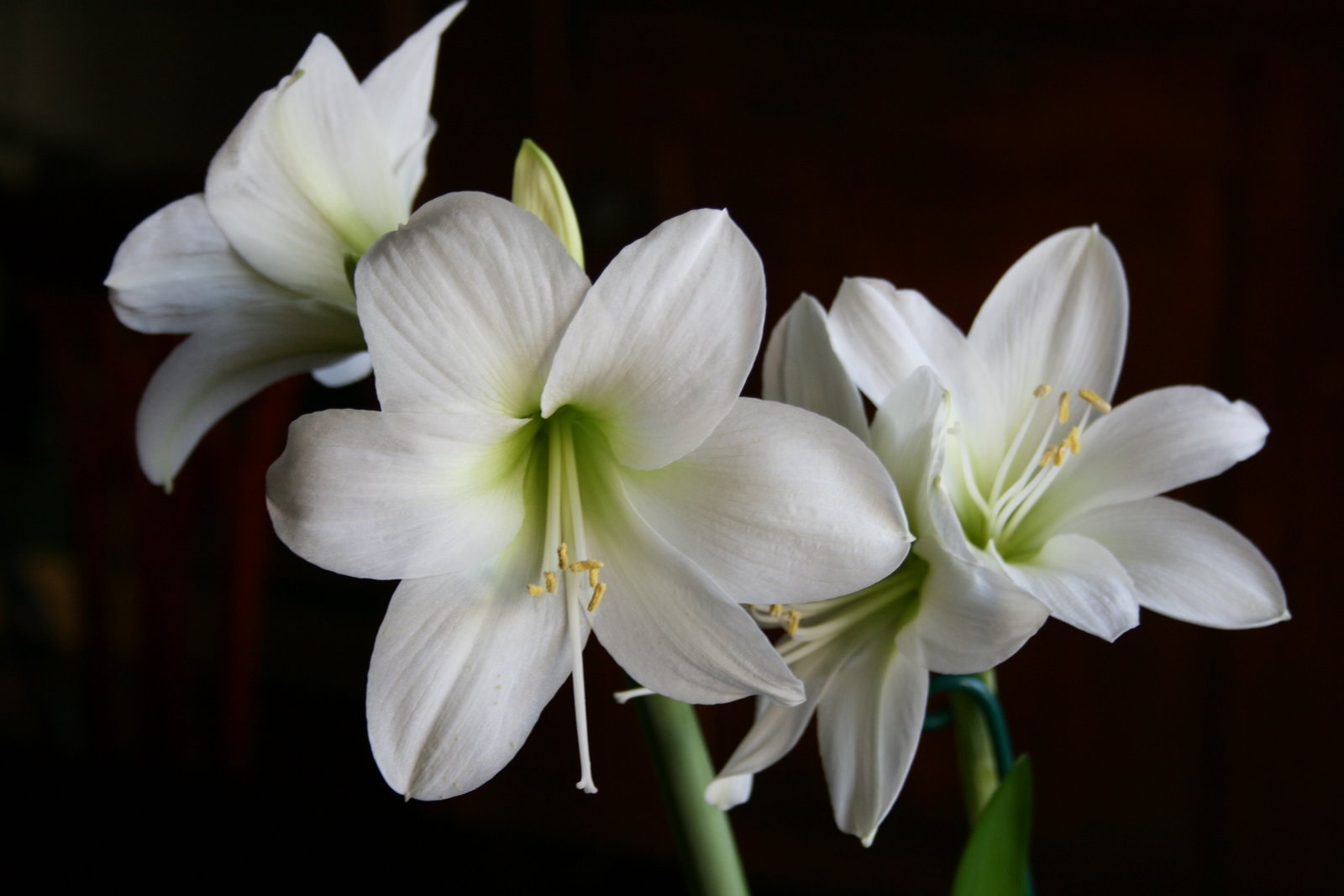 For a picture of my first amaryllis in bloom, click here.
First Amaryllis in Bloom (Red)
 Remember those amaryllis I planted after Thanksgiving?
Beyond Daffodils and Tulips: Seven Minor Bulbs To Plant for Spring
Over the last week, we’ve had a wonderful stint of warm weather. In preparation, I cleared my schedule for a fall planting holiday. This year I tried to concentrate on the minor bulbs that often get overlooked in the mad rush to plant tulips and daffodils — I did do a bit of that too, but we’ll save that for later.
~
The minor bulbs like snowdrops, winter aconite, and bluebells are so wonderful because they can easily be tucked under deciduous shrubs and around perennials which are rarely divided like peonies and oriental poppies. Also, many of them are the first late winter flowers to appear. In zone 6, I begin getting snowdrops in early February.
~ 1. Snowdrops. I planted three varieties of snowdrops: Galanthus elwesii, Galanthus ikariae, and Galanthus nivalis flore pleno. Elwesii is the largest and first to bloom and the others follow extending the flowering from February well into April. I usually order from Van Engelen so that I can get large quantities inexpensively. Snowdrops are best planted in groups of no less than ten bulbs. Seeing that they bloom when nothing else is and that they are rodent proof, you can’t have to many of them.
~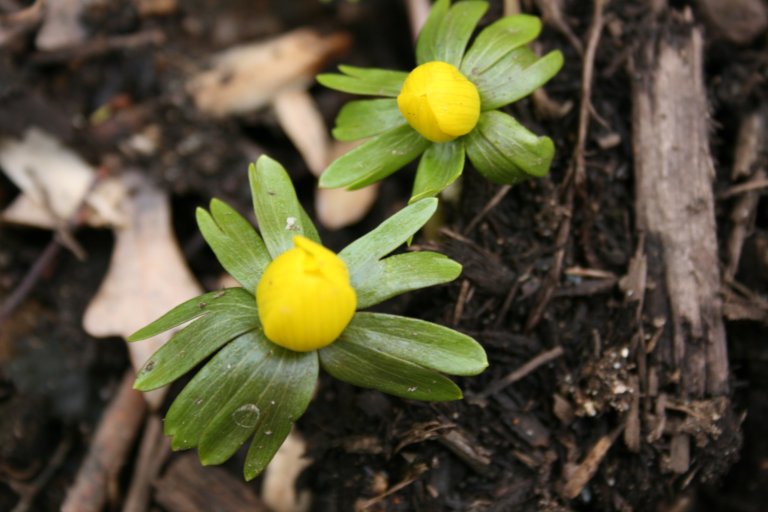 2. Winter Aconite. Winter aconite starts blooming once the snowdrops have began. I find that they more quickly naturalize than snowdrops so I planted about a third fewer of them. I soak my bulbs for a few hours before planting because the bulbs have a tendency to dry out. I also buy from Old House Gardens whose bulbs are dipped in agricultural wax alleviating the problem of the bulbs drying out. These I scatter about in areas of the garden that have humusy soil and I know do not go dry during the summer as they like consistent moisture throughout the year.
~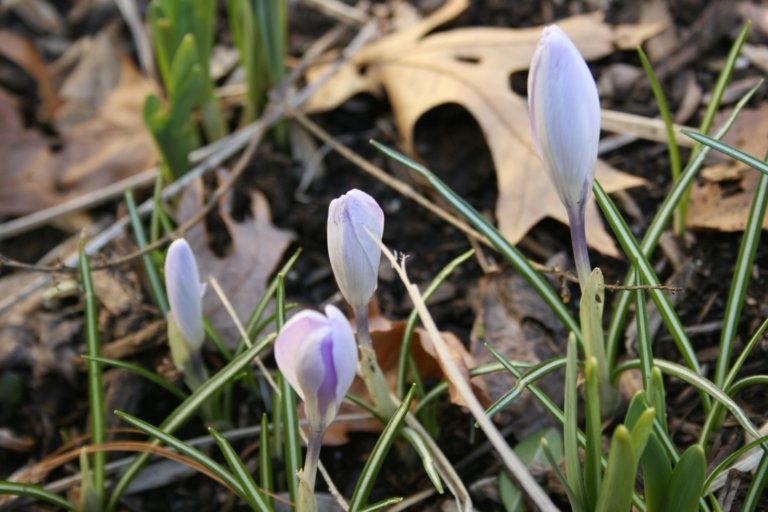 3. Tommies. On the heels of the aconite, are the tommies. Crocus tommasinianus bloom before Crocus vernus and are less frequently eaten by squirrels and chipmunks. I planted a beautiful lavender form called Roseus. These can go everywhere, but I like them along the front walk so during the cold days of early spring I don’t have to venture far to take a look at them or cut them. Again, I planted in groups of ten.
~
4. Glory of the Snow. Also in March, the Glory of the Snow blooms. These flowers are such an iridescent blue that they shout spring is here. I love these at the base of Magnolias which bloom around the same time.
~
5. Crocuses. By mid-April, Crocus vernus comes into bloom. The first year I planted these they appeared and flowered beautifully, only to be dug up and eaten by chipmunks immediately afterward. I think they did not dig them in the fall because I soaked them in deer repellent before planting. To avoid them from being dug up in the spring, I laid deer netting over the area for a few weeks. The chipmunks seem to forget they’re there after a while and leave them alone.
~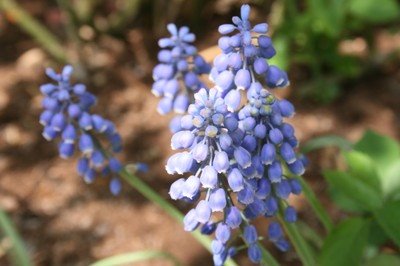 6. Muscari. At the end of April, muscari comes into bloom. Muscari is wonderful with late blooming daffodils and early tulips. Also, they’re useful to use as a marker for where other bulbs are planted. They sprout and flower in the spring, have a typical summer dormancy, but in the fall muscari sprouts leaves again. If planted among other bulbs, it can serve as a fall marker so that the other bulbs are not accidentally displaced during the fall planting season. Although, no one bothers the muscari bulb, deer have browsed the foliage of mine.
~
7. English Bluebells. English bluebells bloom in mid May along with late daffodils and tulips. English bluebells are dainty, sweet smelling flowers that are avoided by animals.
 Heirloom Gardener