
 In February, I am always overwhelmed with winter and overwrought by the desire to garden again. This is when forcing branches and bulbs comes to the rescue. Forcing forsythia is easily done. All you need to do is cut several branches showing lots of flower buds, put them in a vase with water, place the vase in a sunny indoor location, and wait about 7 to 14 days for flowers to open. The flowers last for a good time and, if the water is frequently changed so it remains clean, leaves will follow the flowers.
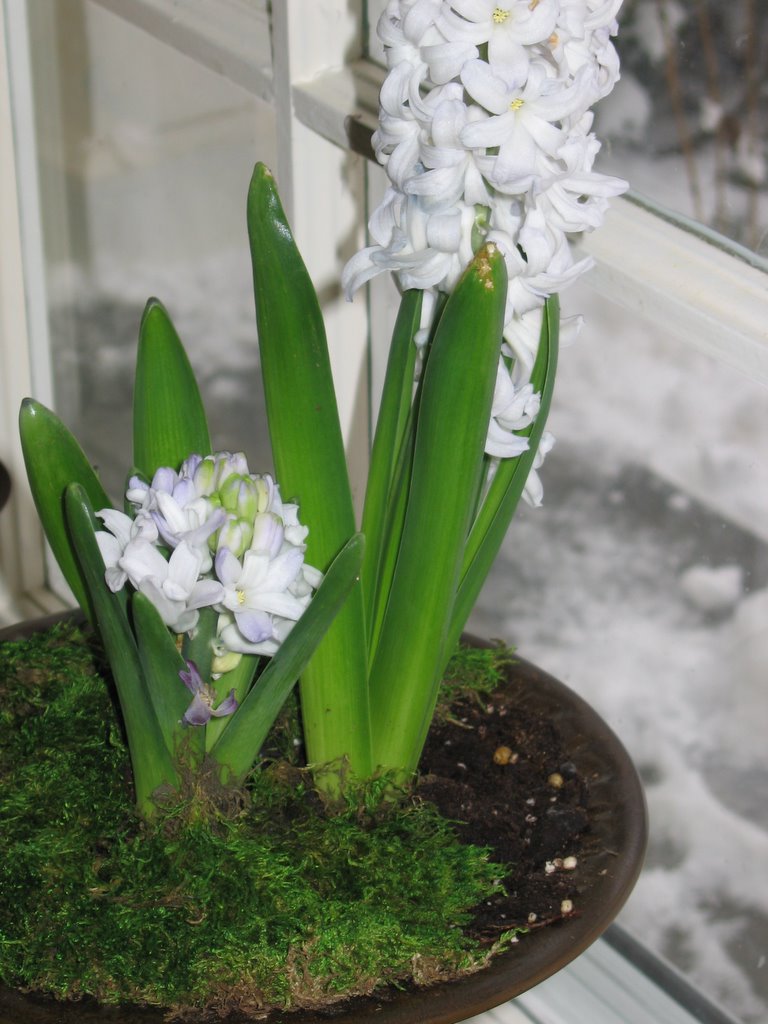 The hardest step in forcing bulbs is planning ahead by buying and preparing the bulbs. Last October, I tucked away several extra bags of hyacinth, tulips, daffodils, muscari, and crocus for forcing. I have found that bulbs will force by chilling them in the refrigerator away from fruit for a minimum of ten weeks. After which they can be potted up inside as I need them. I also force bulbs by planting them in pots in the fall and, then, storing these pots in the garage for at least ten weeks. After the chill time, I bring the pots inside, water them, and they will grow and bloom in a matter of weeks.
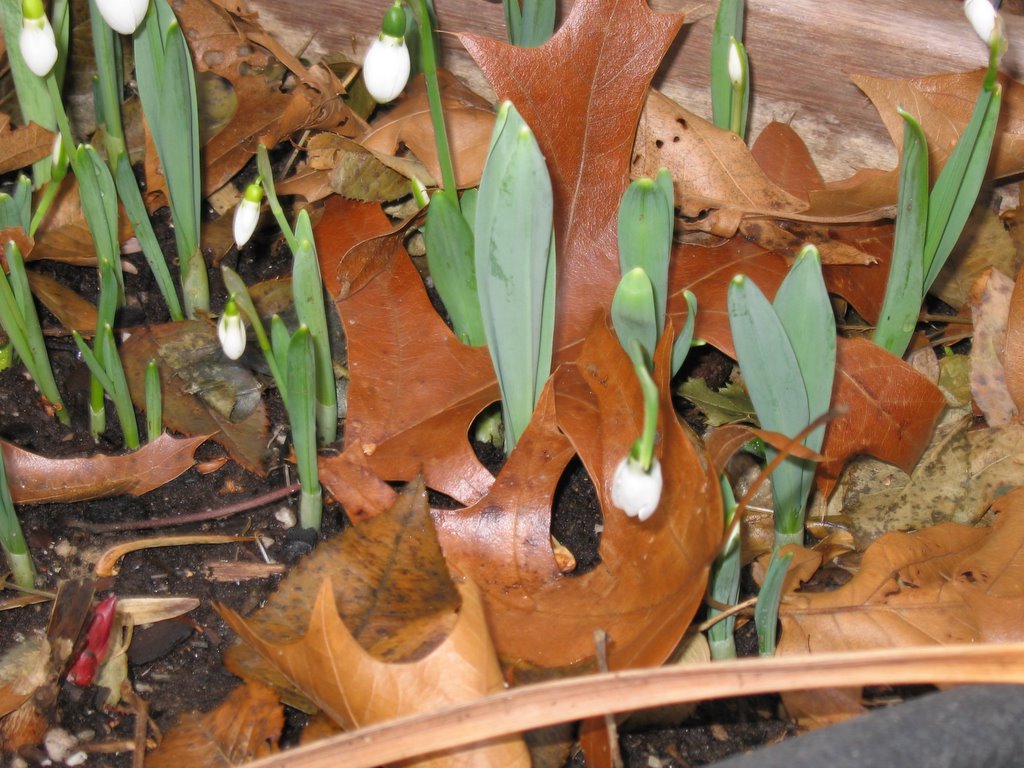
 Usually, after the middle of January I will bring in a pot or pot up one each week. This combined with forsythia branches, snowdrops, and amaryllis will keep my home full of flowers until the first crocus appears.
 Heirloom Gardener