More Pictures of This Year’s Beautiful Hydrangeas

I’m really enjoying the hydrangeas in my garden this year. Hydrangeas are great because they take so little work and get better year after year. The blooms on hydrangeas are fascinating to watch as their colors mature and change as the blooms age. Below are some pictures of some of the hydrangea in my garden that were not in my Garden Bloggers’ Bloom Day post for July.

The first two pictures are of an unnamed lace cap hydrangea at the top of Goldberry Hill. Two winters ago this hydrangea was completely killed to the ground. Last summer it grew beautifully, but did not bloom. This year, its unbelievable–loaded with blossoms from head to toe. [Related post: the same lace cap hydrangea in the dead of winter.]

This annabelle hydrangea has been in bloom since June. The blossoms started green, turned white, and recently began turning back to green again. [Related posts: in the winter when it was brown and two weeks ago when it was white.]
This beautiful variegated hydrangea was a new addition to my Front Border last summer. I bought it out of flower for the leaves. I wasn’t expecting much out of the flowers and actually thought they would take away from the leaves. But, I was wrong. I love the flowers too.

The pee gee hydrangea, which I posted about pruning back in late winter, is now just starting to bloom, though it is still a week or so away from its peak.

Roses Blooming: Pictures of Rouletti, Louis Odier, Dortmund, Theresa Bugnet

To think before I became a gardener, I always was bewildered as to what time was good to go to the local botanical garden to see the roses. Now I cannot wait for the glorious roses that bloom in May and June. Here are some pictures of some of the roses blooming now.
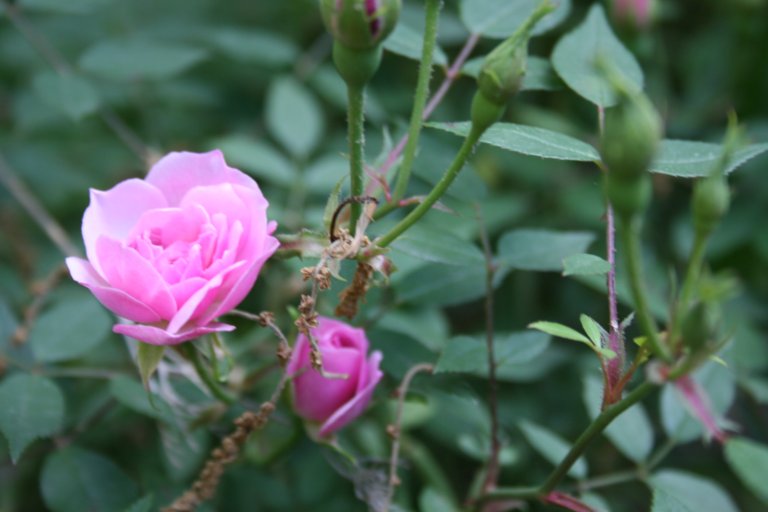
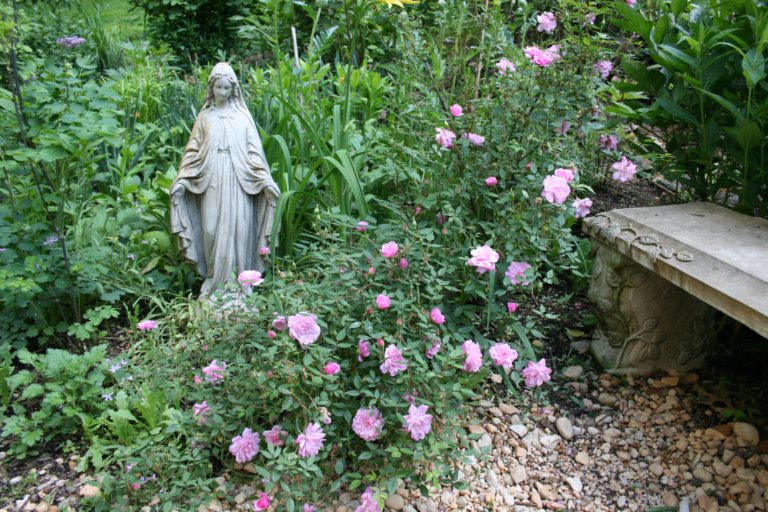
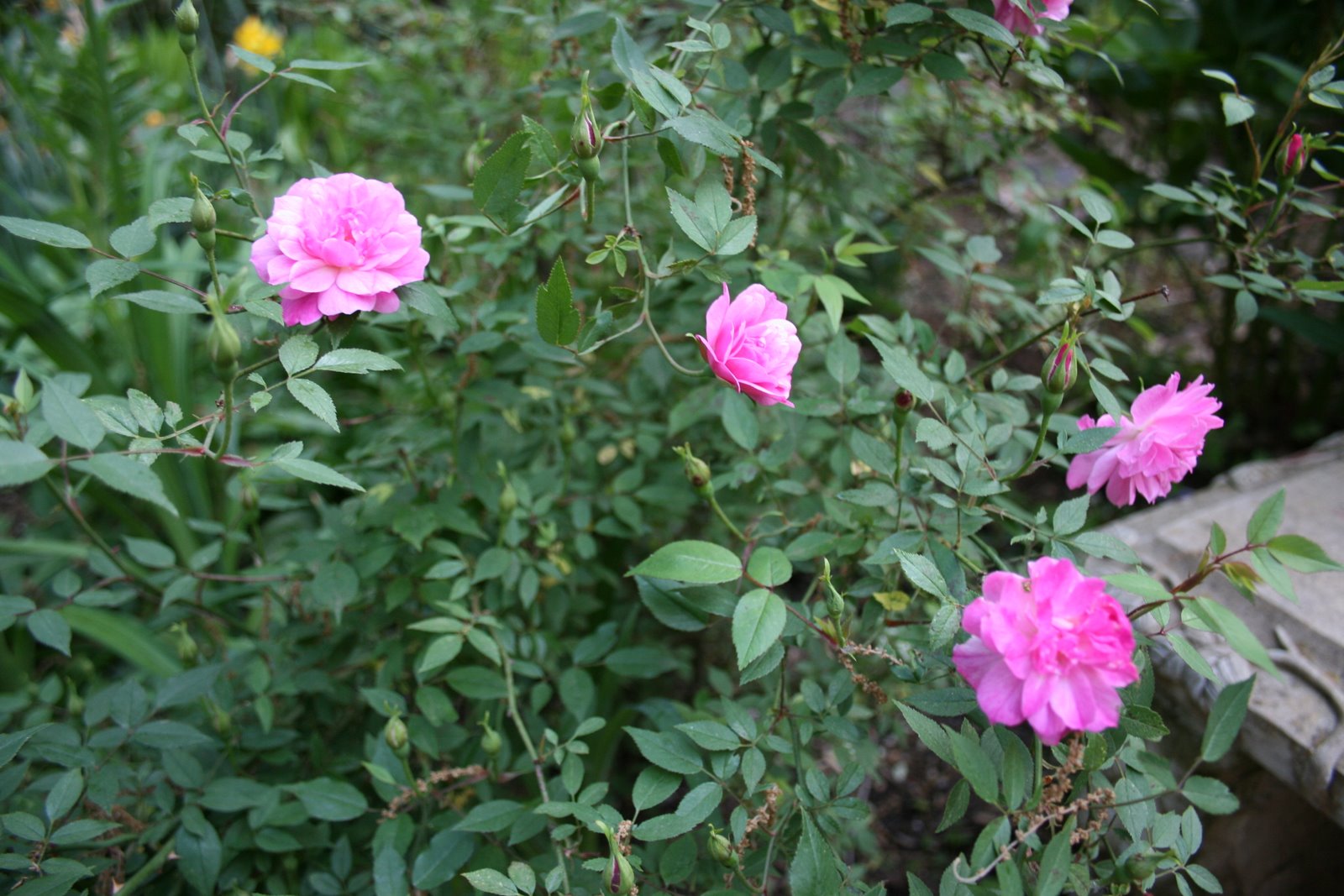
Rouletti is a small China rose that is always the first to bloom. It covers itself with soft pink slightly fragrant roses each spring and repeats strongly throughout the season. The leaves of Rouletti are very small giving the whole shrub a rather delicate appearance. I find Rouletti has to get good, continuous water or it will instantly begin to drop leaves. If it does, it is also quick to re sprout new ones after it gets more water. I usually trim it back at that point so it looks neater as it recovers.

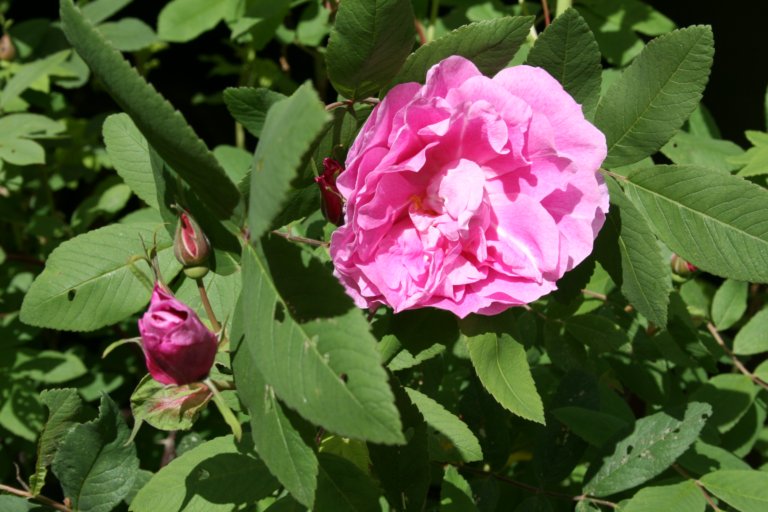
Louis Odier grows along the fence of the Cutting Garden. It is a repeat blooming Portland that has big, extremely fragrant blossoms. The pink of its flowers is indescribably deep and rich. The spring bloom of Louis Odier is the best. But every year, its repeat bloom gets stronger and stronger. One of my Louis Odier roses is growing with a perennial sweet pea. The performance of that one is spectacular, probably due to the nitrogen fixing ability of the sweet pea. [Click here for a follow-up post with more information and a picture of the sweet pea.]

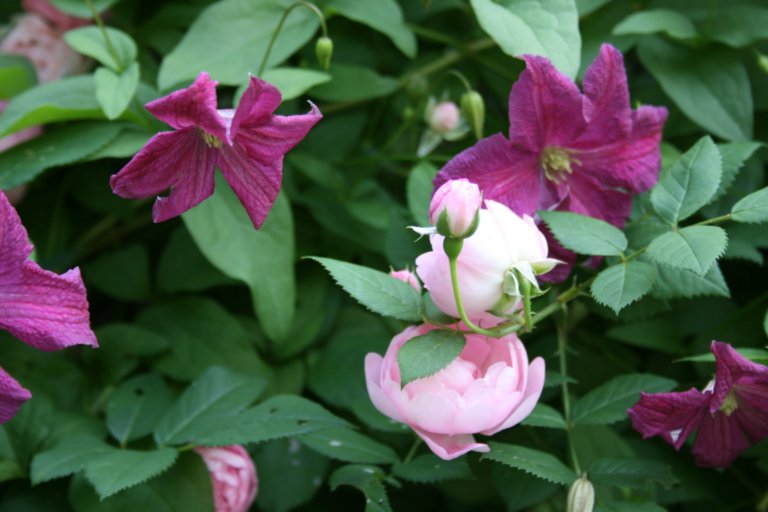
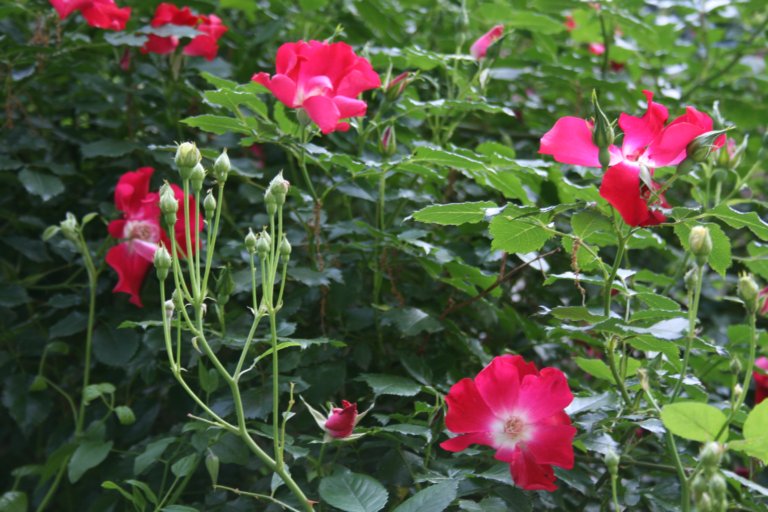
Dortmund is on the arbor to the Cutting Garden. It repeats strongly throughout the summer, the foliage is shiny and very resistant to fungal disease. It grows with two clematis: Betty Corning and Julie Correvon. On the picture you see the yellow buds of Danea, a hybrid musk, which has woven itself into Dortmund. Dortmund has wonderful sprays of roses which can by themselves create a vase of flowers. The only drawback to Dortmund is that it has big, hooked thorns which makes it unpleasant to prune.

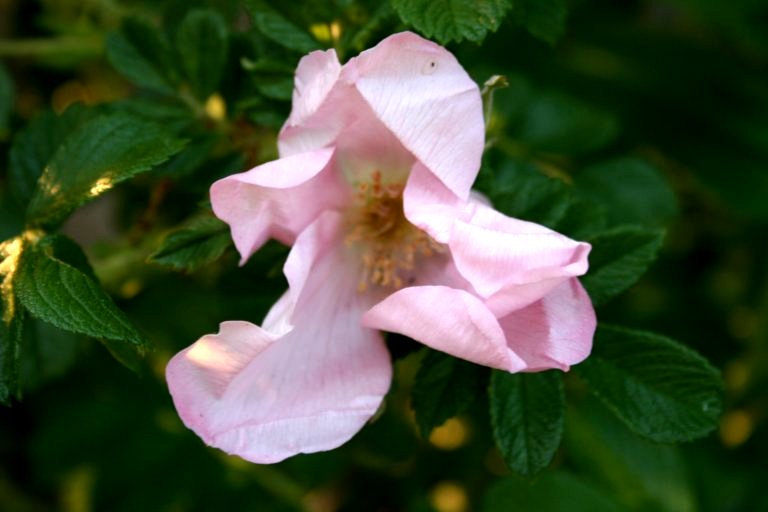
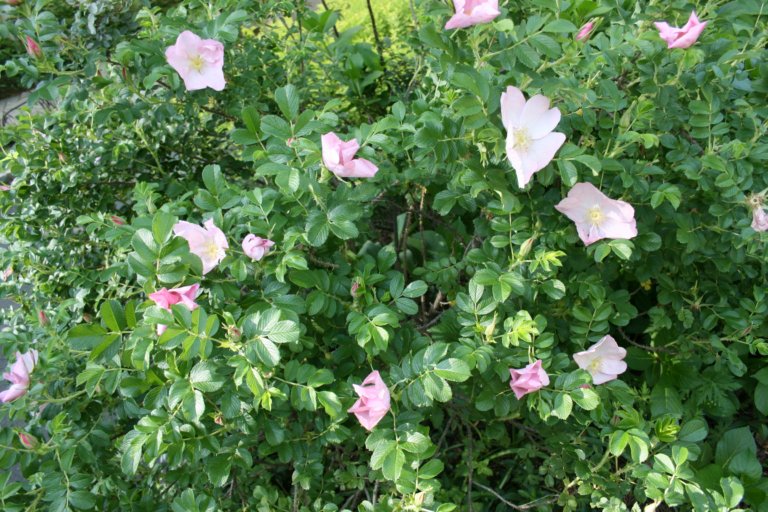
Theresa Bugnet is usually one of the first to bloom. Its a rugosa rose. Each year I appreciate the rugosas more and more. They are great repeaters, strongly fragrant, and very healthy. With prompt deadheading and lots of water, Theresa Bugnet will bloom her heart out until the late fall when her leaves turn yellow and begin to drop.

Garden Bloggers’ Bloom Day – May 2008: Roses, Daffodils, Peonies, Lilacs, Irises, Alliums, and Mountain Bluet in New Jersey (zone 6b)

May and June are probably my favorite garden months. I love how they hint at the abundance to come in late summer, not to mention the old fashioned roses are blooming then. Here are just some of the highlights for May’s bloom day (double click on any image for the full picture).

~
Frau Dagmar Hastrup, and then Rouletti, are my first roses of the season. Frau Dagmar is wonderful for its heavy scent and continuous bloom.
~
Rouletti has a light scent, but it is just as generous with its bloom.

~

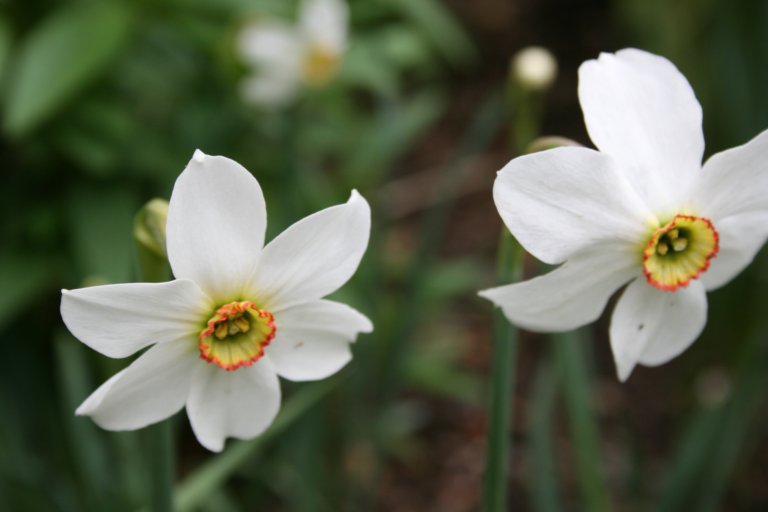
My last daffodils to open are the Peasant Eye. Sadly, they signal the end of daffodil season. These too are fragrant.
~
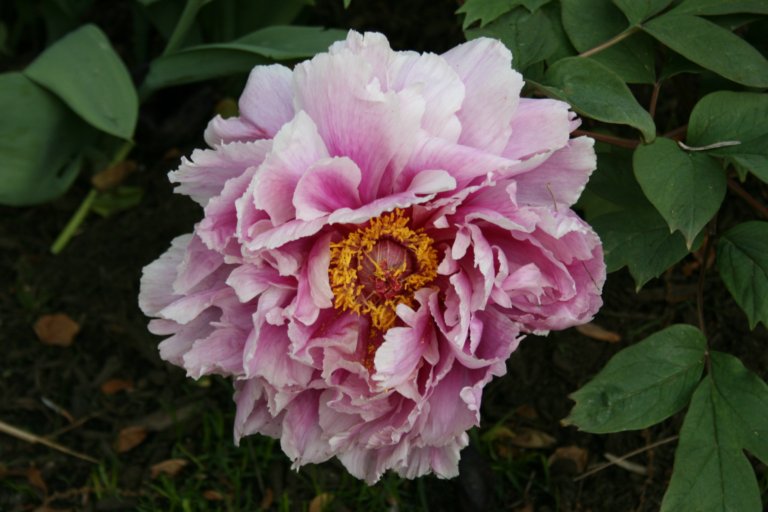
This tree peony is young, so I only get a few blooms, but they are spectacular. Each bloom is about eight inches across. The tree peonies have been holding their blooms surprisingly well this season despite the rain.
~
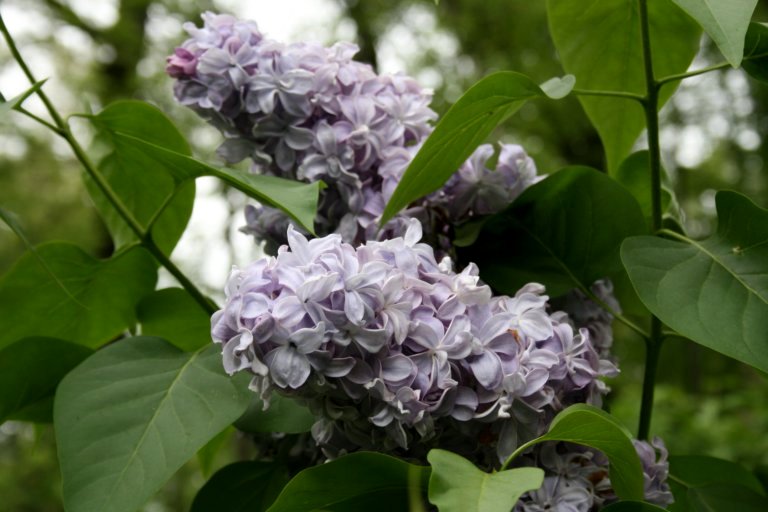
With huge blooms this wonderfully fragrant lilac, Nadezhda, is a highlight of the lilac season.
~
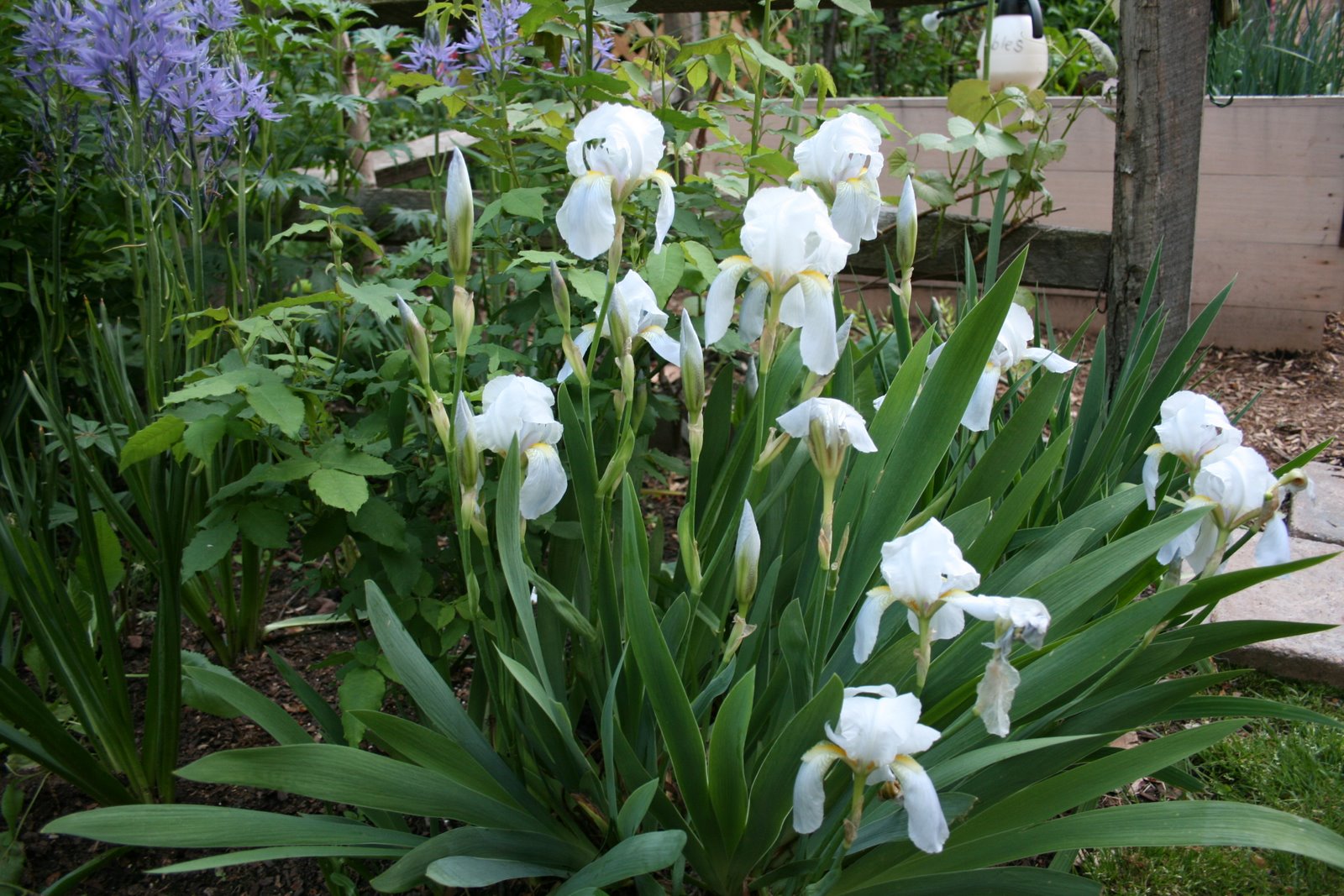
Camassias and irises blooming in the Triangle Garden.
~
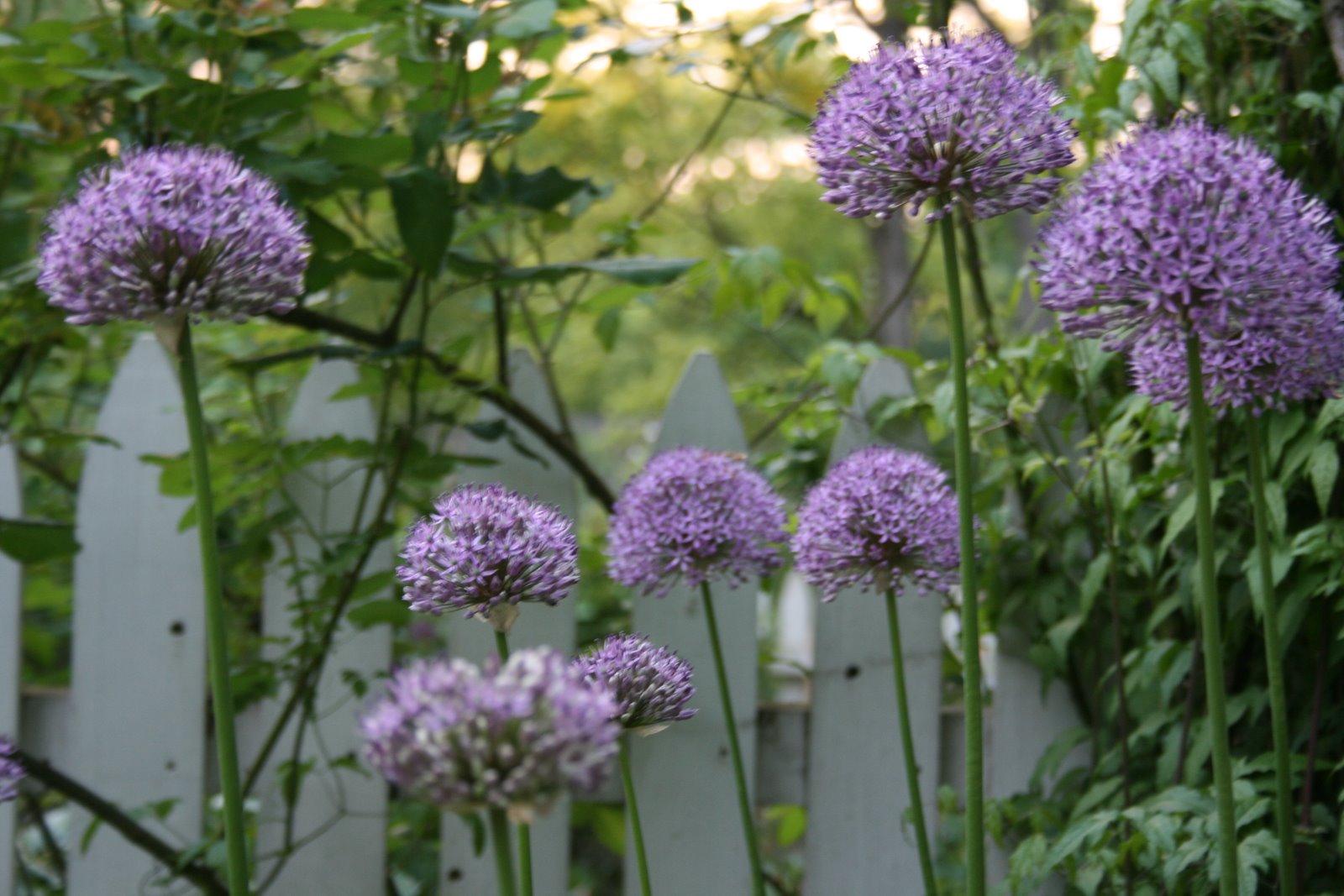
I love the purple allium aflatunenses. These have self seeded throughout the front garden.
~
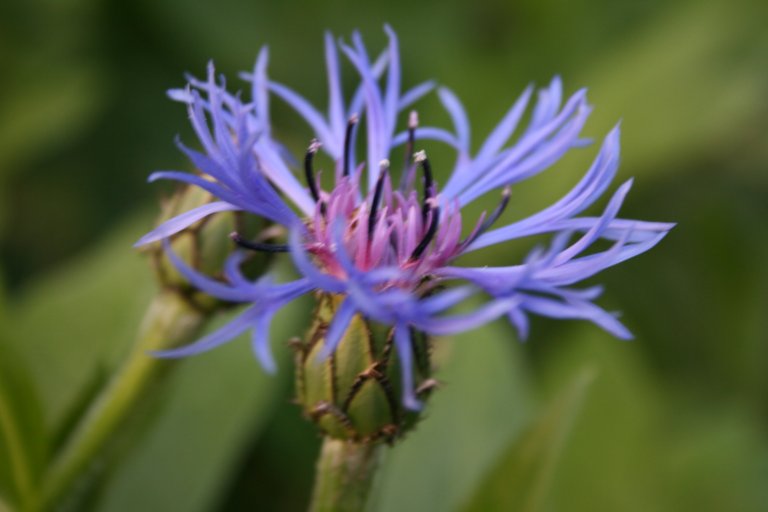
Mountain bluet spreads and is unassuming, but I love the almost irredescent blue of its flowers and its long bloom period.
~
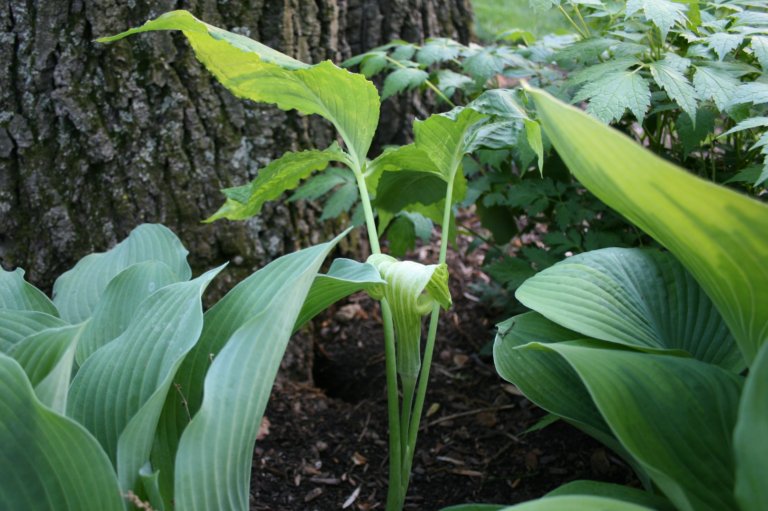
The jack in the pulpits in my garden, I never remember planting. I don’t know if I did, or did they just appear?
~

Gardening with Children: How to Make a Crown and Boutonniere with Fresh Flowers

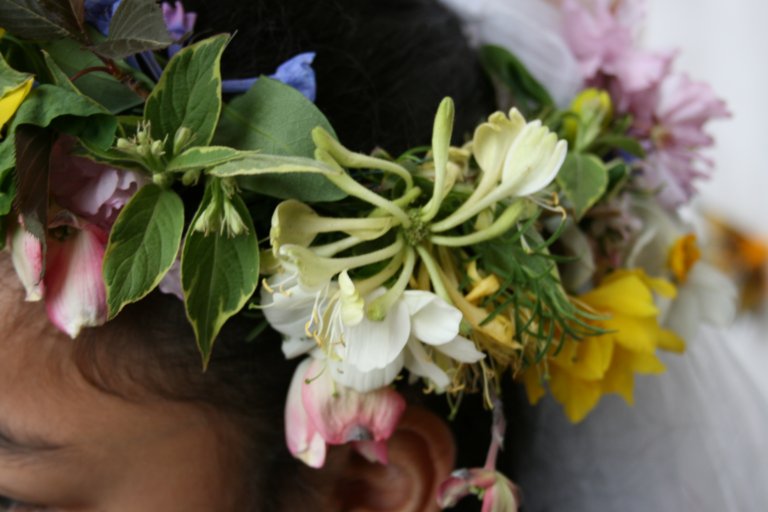
Last Saturday, two of my children made their First Communion. As a part of the joyous celebration, I made a crown for my daughter and a boutonniere for my son using fresh flowers from my garden. They were easy to make and could also be used for weddings (the perfect touch for a flower girl or ring bearer) and other special events of the summer.

~

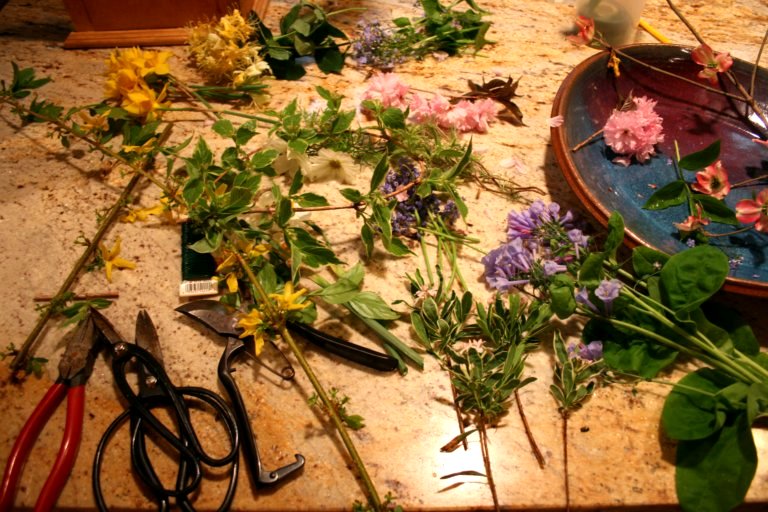
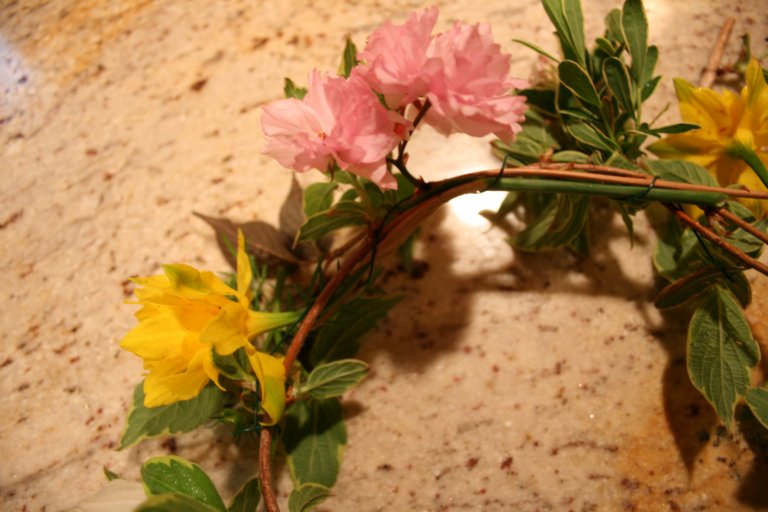
1. The base of the crown. As a base, I made ring out of a long, flexible branch from a weigelia. I bound the ends together with floral wire and tape. You could also use a young branch from forsythia, spirea, or honeysuckle.
~
2. The flowers for the crown. Then, I went out to collect fresh flowers from my garden. I looked for flowers that were not too big and would last well out of water. Also, I took many fragrant flowers. I collected the following: daffodils, honeysuckle, brunnera, muscari, bluebells, dogwood, daphne, forget me nots, and cherry blossoms.
~
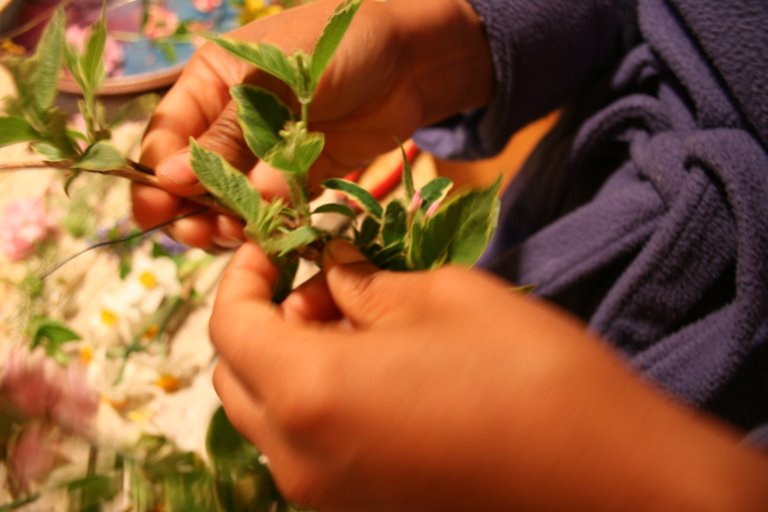
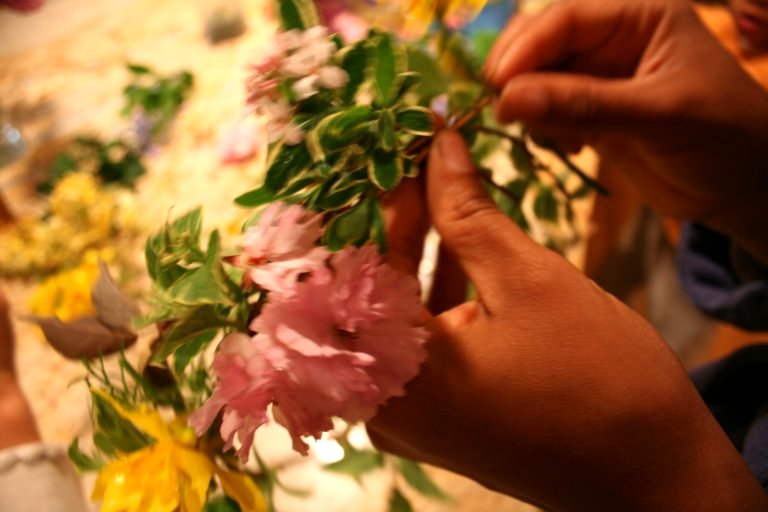
3. Attaching the flowers to the base. With floral wire, I attached each flower to the weigelia base.
~
4. The finished product. When it was done, I spritzed the crown with water and put it into the refrigerator until we were ready to put it on.

~

For the boutonniere, I used a brunnera leaf as the backing and wrapped daffodils and brunnera flowers together. I secured the whole thing together with floral tape and put it into the refrigerator to wait. The boutonniere was lovely, but I would not use brunnear foliae again because it wilts very quickly out of water (see picture); an immature hosta leaf would have been better.

What I’ve Learned About Growing Tulips in New Jersey: Protecting from Squirrels and Deer, Planting in Clay Soil, and Creating Colorful Combinations

One of my favorite spring flowers at this time of year is the tulip. Because of the squirrels, deer, and clay soil in my area of New Jersey, few of my neighbors grow tulips, but it can be done. Here are some lessons that I have learned over the past few years on growing these beautiful flowers in my less than ideal conditions. For me, it has been well worth the effort.

~
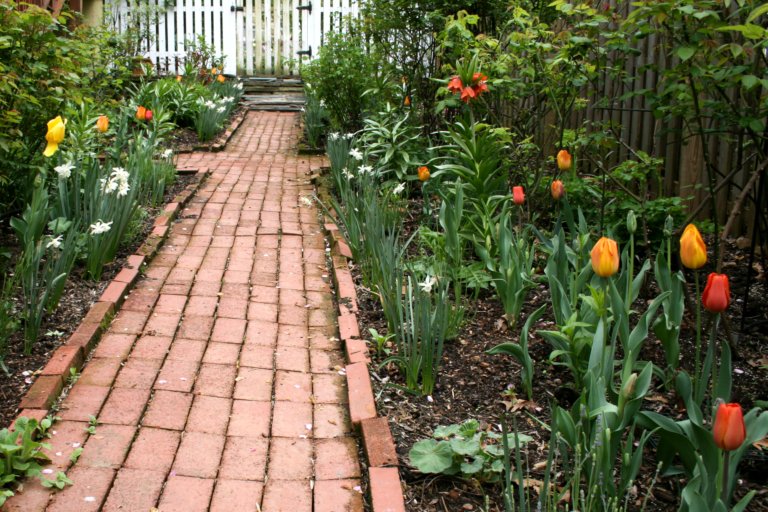
1. Protecting Tulips from Squirrels and Deer. In the fall, to protect the bulbs from being eaten or dug up by hungry squirrels, I soak them in deer repellent before planting. In the spring, to protect the tulips from being nibbled by the deer (my friend calls them rodents with antlers), I then regularly spray them with deer repellent as soon as the bulbs begin to emerge.
~
2. Growing Newer and Heirloom Tulips in Clay Soil. Because tulips naturally like dry, warm summers, there is a big difference between the newer varieties that have been bred mainly for commercial cutting and the heirloom varieties that were bred to actually be grown in people’s gardens.

~

The newer varieties spoil if I keep them in my moist, clay soil year-round. To over-summer them, I remove the bulbs after the show is over to a less prominent area of the garden so the foliage can continue to make energy for the bulb. Once the leaves have died down naturally, I dig them up and store them in a dry cupboard until it’s time to re-plant them in the fall.

~

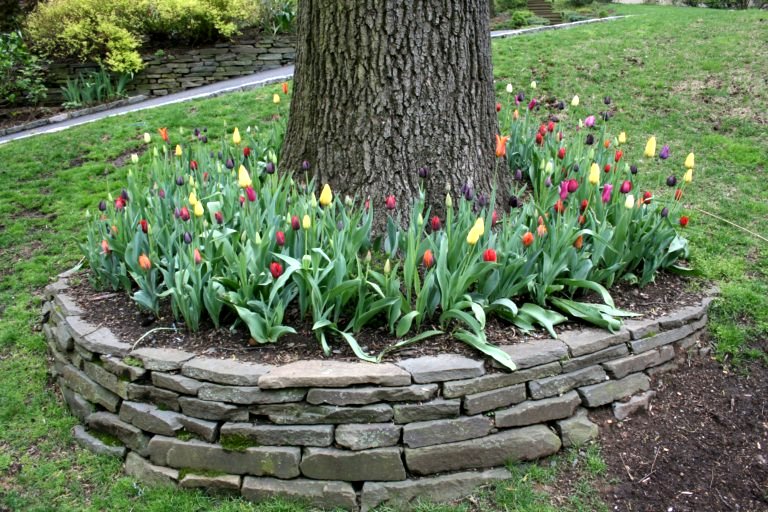
In contrast, the heirloom varieties are much more tolerant of my less-than-ideal clay soil. I find that about three-quarters of them will survive the summers in the ground. In the areas where I grow them, like the Rose Garden (pictured), I simply plant enough new bulbs each fall to compensate for the expected loss. A mix of orange tulips including General de Wet, Orange Favorite, Princess Irene, Dillenberg are planted with Black Parrot as a dark purple accent.
~

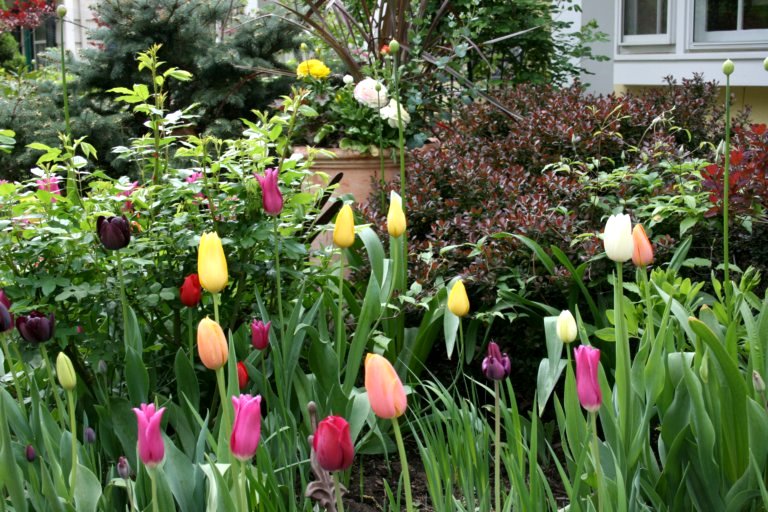
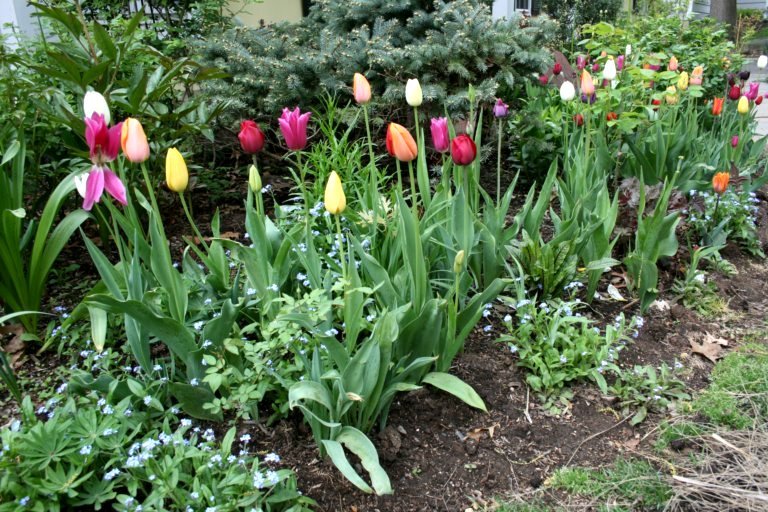
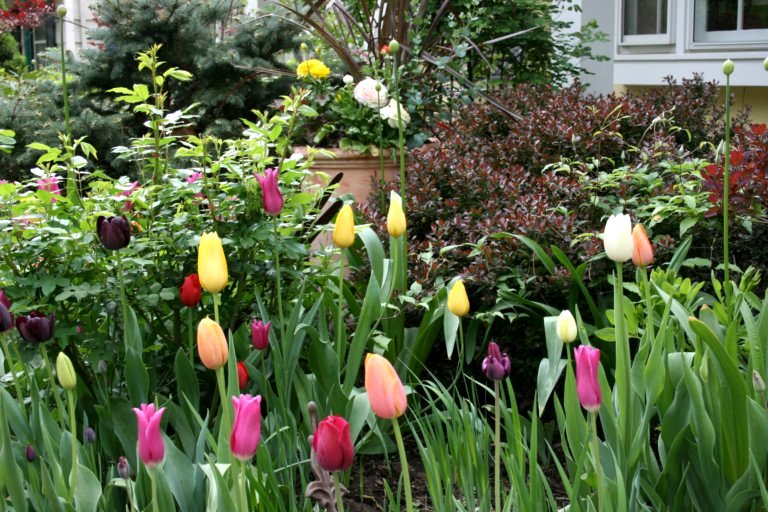
3. Creating Colorful Combinations of Tulips. Inspired by the Granny Mix offered by Old House Gardens, the last two years I’ve been mixing up my own tulip combinations to remind me of the old mixtures found in cottage gardens or old time front door gardens. I have ten varieties of tulips chosen for a range of color, height, and form which bloom April and May. My own mix is planted in the front of our house (pictured). It consist of the following tulips: Ballerina, Queen of the Night, Couleur Cardinal, Princess Irene, Kingsblood, Mariette Cum Laude, Maureen, Mrs John T. Scheepers, and Dordogne.
~
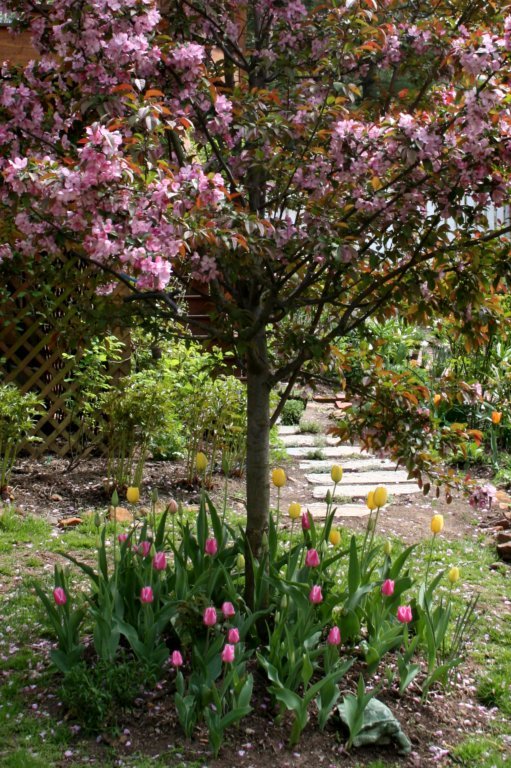
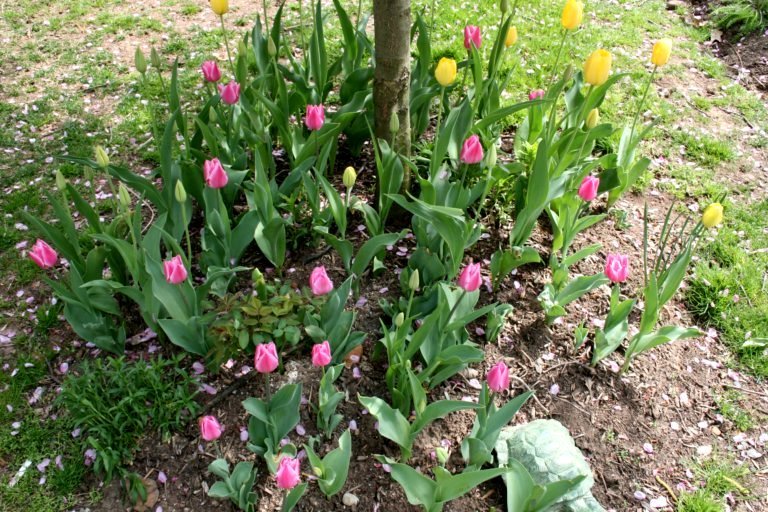
Under a pink flowering crabapple outside the Children’s Garden, I planted Christmas Dream, Big Smile and Menton. I must say that originally, I did not like the apricot color of Menton, but as it matures it is absolutely beautiful, particularly because it picks up tones in the red foliage of the crabapple as the leaves elongate.

~

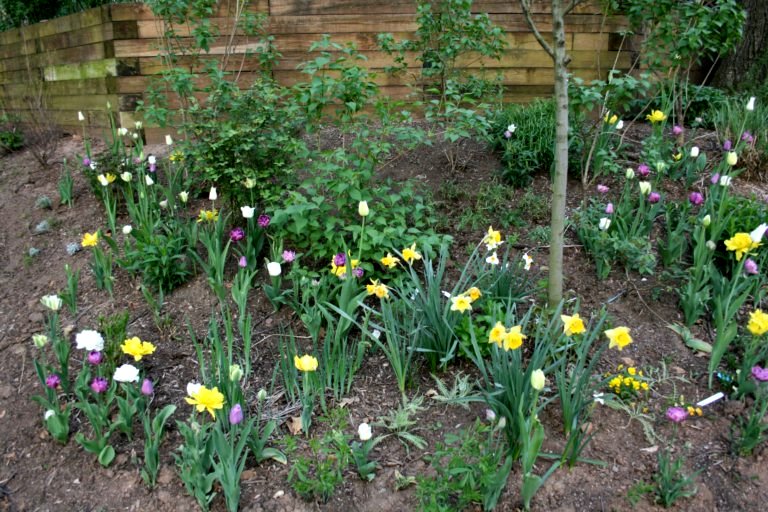
On Lilac Hill, I planted the String of Pearls combination from White Flower Farm along with Lilac Perfection, Monte Carlo, Blue Diamond, and Violet Beauty. The String of Pearls collection contains Mount Tacoma, Maureen, White Triumphator, Spring Green, and Calgary.
~