Pee Gee Hydrangea: Four Seasons of Beauty

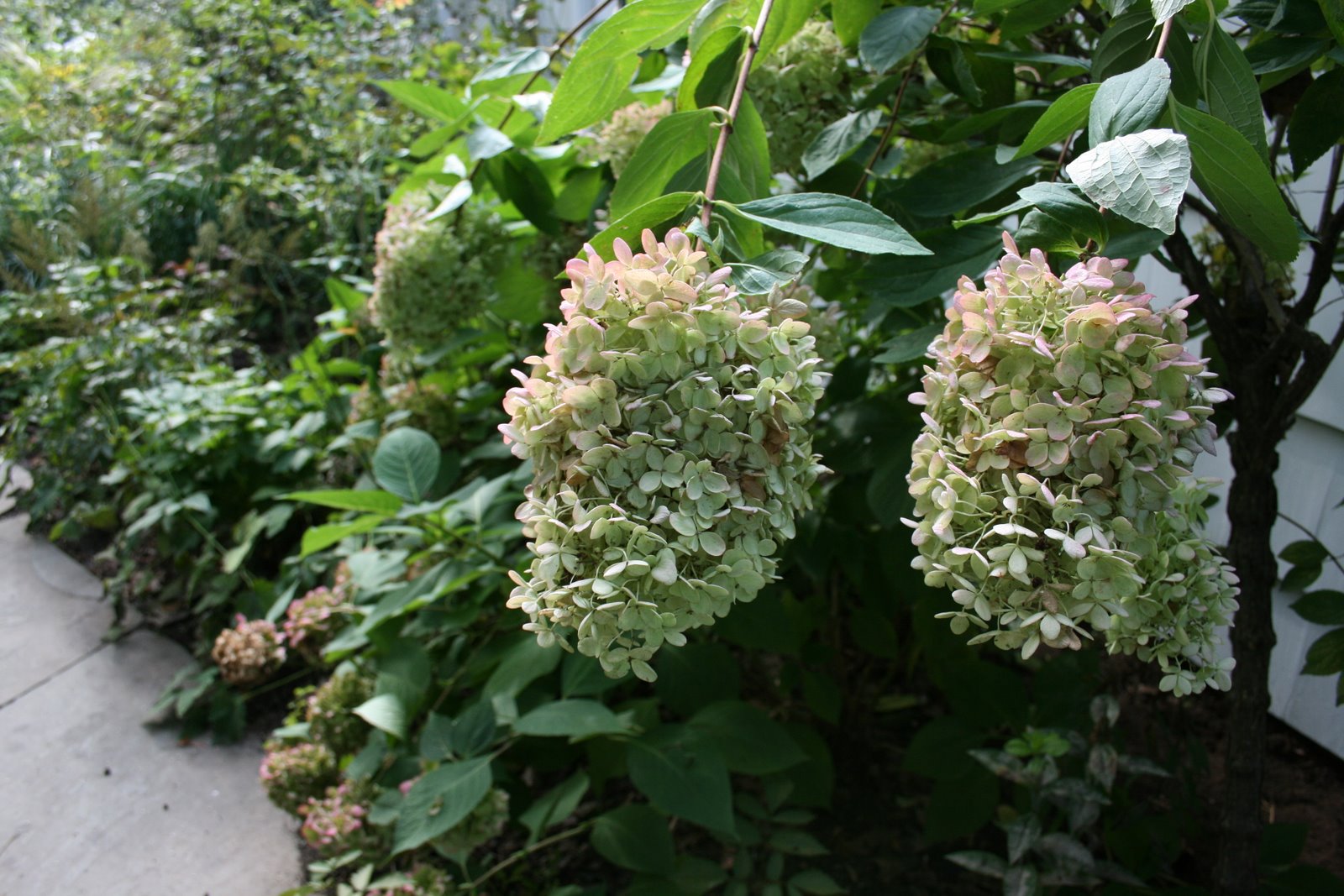
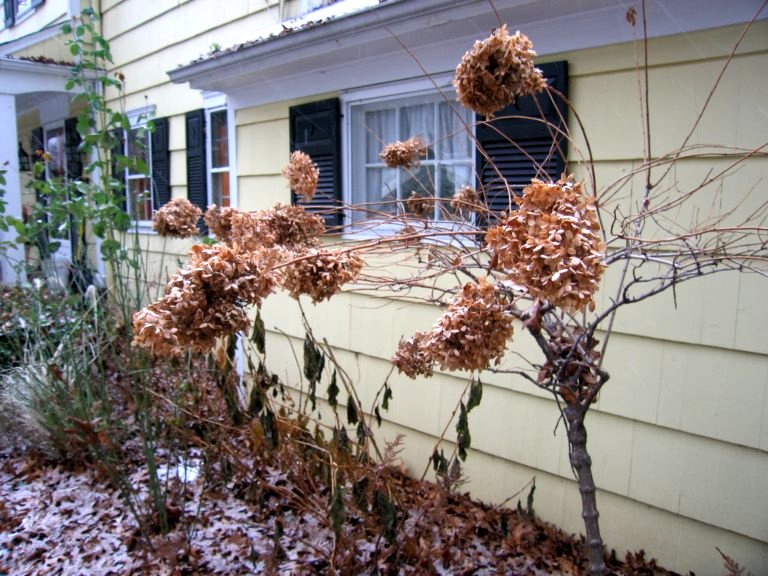
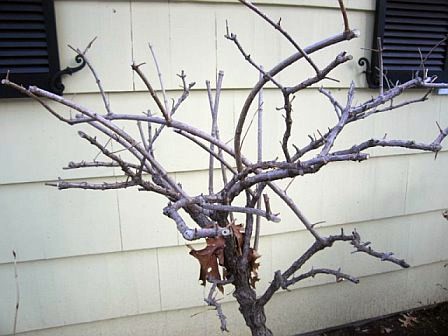
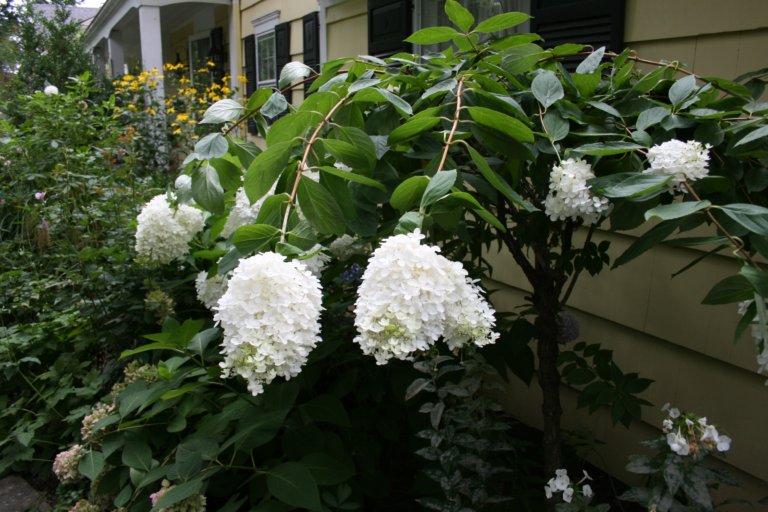
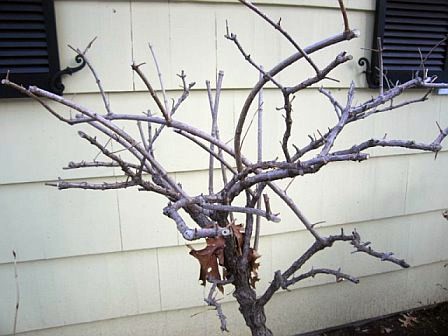
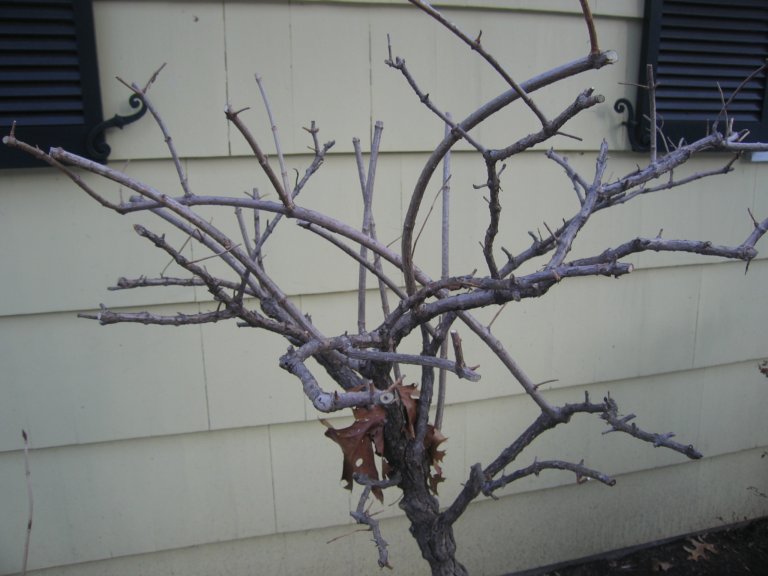
One of the many reasons I love hydrangeas is that they look good year-round (for a related post on year-round color, click here). Right now, their autumn colors are a highlight. See below some pictures of the pee gee hydrangea (Hydrangea paniculata) in the Front Border during all four seasons.

Autumn blooms turn pale green and pink.
Winter blooms turn light brown.
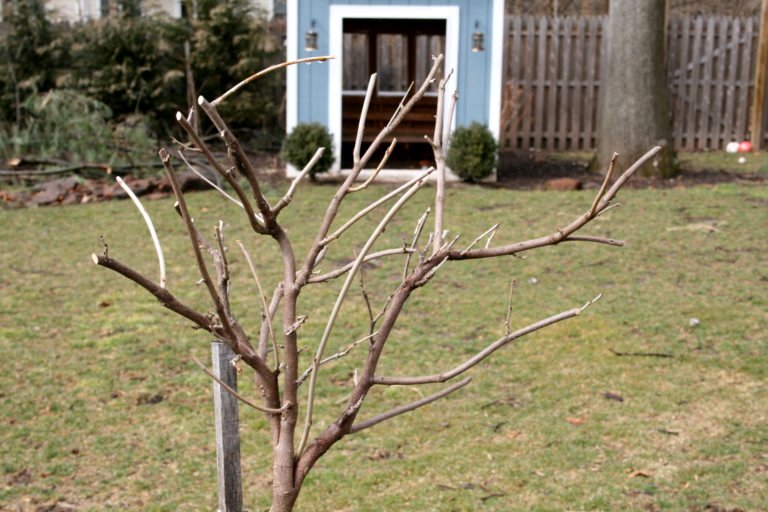
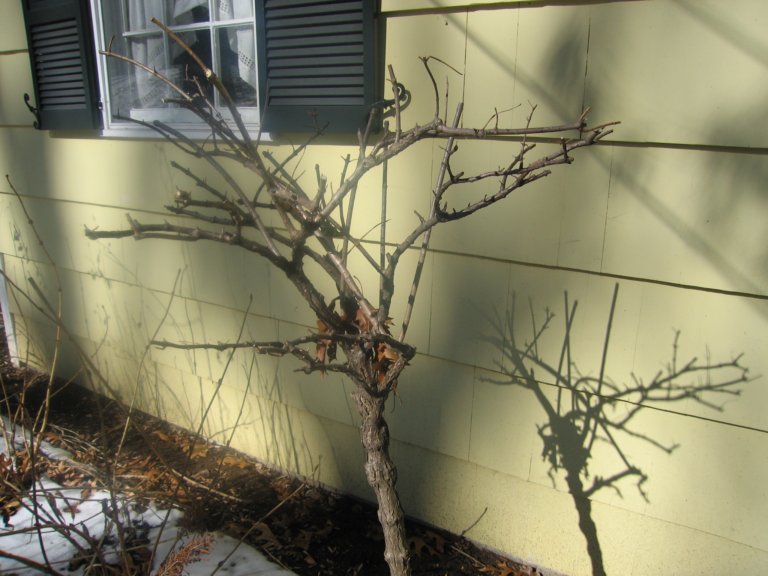
Spring after pruning (for a prior post about pruning pee gee hydrangeas, click here).
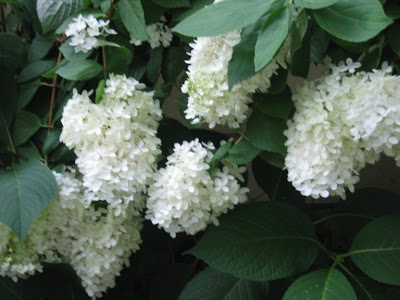
Summer blooms of brilliant white.

More Pictures of This Year’s Beautiful Hydrangeas

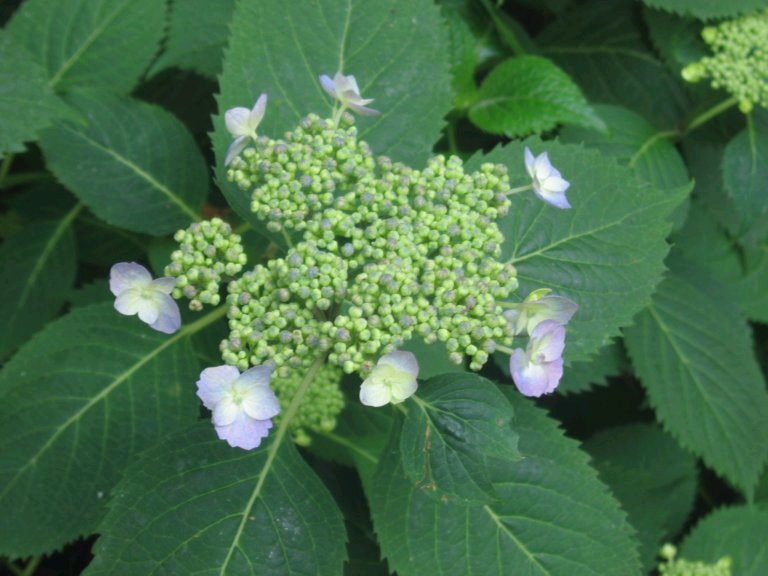
I’m really enjoying the hydrangeas in my garden this year. Hydrangeas are great because they take so little work and get better year after year. The blooms on hydrangeas are fascinating to watch as their colors mature and change as the blooms age. Below are some pictures of some of the hydrangea in my garden that were not in my Garden Bloggers’ Bloom Day post for July.

The first two pictures are of an unnamed lace cap hydrangea at the top of Goldberry Hill. Two winters ago this hydrangea was completely killed to the ground. Last summer it grew beautifully, but did not bloom. This year, its unbelievable–loaded with blossoms from head to toe. [Related post: the same lace cap hydrangea in the dead of winter.]

This annabelle hydrangea has been in bloom since June. The blossoms started green, turned white, and recently began turning back to green again. [Related posts: in the winter when it was brown and two weeks ago when it was white.]
This beautiful variegated hydrangea was a new addition to my Front Border last summer. I bought it out of flower for the leaves. I wasn’t expecting much out of the flowers and actually thought they would take away from the leaves. But, I was wrong. I love the flowers too.

The pee gee hydrangea, which I posted about pruning back in late winter, is now just starting to bloom, though it is still a week or so away from its peak.

How to Propagate Hydrangea, Part II: Layering Marechal Foch

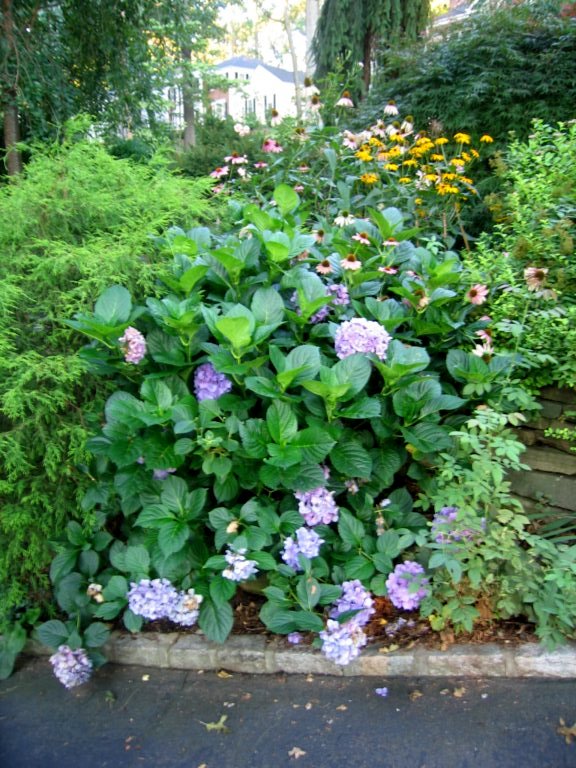
In completing my expanded Front Border, I wanted to repeat some of the plants that existed in some of the neighboring beds. This first picture is a large, mature hydrangea, which I think is Marechal Foch, across the driveway on Goldberry Hill.

As you see in the close up of the mature specimen, the leaves are thick and shiny. The mopheads change a lot over the course of the summer. Two weeks ago, in the the last picture on my Garden Bloggers’ Bloom Day post, the blooms were various shades of pink.
The third picture is the baby of Marechal Foch in the Front Border which I propagated last year by layering my mother plant.
Layering is one of the easiest ways to increase your number of hydrangea. Simply choose a low growing branch. Place it in contact with the soil by burying it a bit or putting a rock on top of it. Leave the branch alone, yet check every month or so to see if it has begun to form roots in the area touching the ground. Once roots are developed, sever it from the mother plant. The baby hydrangea can be then left in place to grow a bit more or moved to a new location, as I did with this one.
~

How to Propagate Hydrangeas, Part I: Taking Cuttings of Sister Theresa

I just planted a hedge of southern magnolias. To cover up the space between each, I thought I would plant more of my favorite hydrangea: Sister Theresa. I love this hydrangea for its large pure white mopheads.

The purity of the white is stunning: it has no of pink or cream. The flowers are quite large and the individual sepals are very big making the blooms more striking. In addition, Sister Theresa performs beautifully in full shade and part shade which makes her a good choice for interplanting in my hedge.
This week I took cuttings from my Sister Theresa of non-blooming wood. I want about seven new plants, so I took two stems. I cut the stems into three or four parts with very sharp pruners.
I trimmed the leaves by cutting half or more of the leaf surface away. The easiest way to do that is to fold the leave at its midrib and cut half off. After which, I cut the stem which will be rooting at an angle and dipped it into rooting hormone.
~

Hydrangeas: Why and How to Prune

Since my prior post about pruning a pee gee hydrangea, I have received numerous follow-up questions on why and how to prune other types of hydrangea. Most of the hydrangea in the garden are either mopheads or lace caps (pictured). These belong to the group Hydrangea macrophylla. Most macrophylla bloom on wood or stems more than a year old.
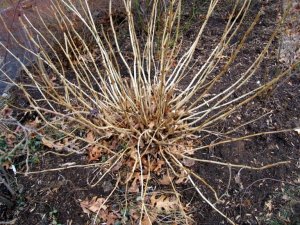
In late spring these can be pruned to remove dead wood. Since it is very difficult for me to distinguish between the dead and living wood in dormant hydrangeas, I wait until late April when the stems have begun to leaf out. Then I cut the dead wood at the base of the plant as far down as I can reach. This will allow plenty of new room for new shoots to emerge.
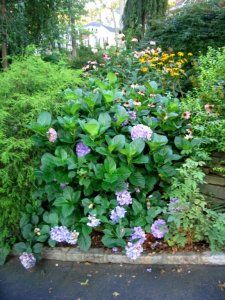
If your hydrangea macrophylla (pictured on Goldberry Hill) is getting too big and you want to reduce its size, prune it in mid summer after it has bloomed. You can either cut back the stems or just take out some of the longest wood at the base of the shrub. By waiting until July, you will have blooms and give the shrub time to prepare new growth to flower the following year. You do not have to do this type of pruning unless you need the space. Naturally hydrangeas develop a nice rounded shape.

Although I grow many heirloom hydrangea cultivars, I also love the new ones that have come out which bloom on old and new wood. Endless Summer and Blushing Bride are two such hydrangea. These are particularly useful in areas where hydrangea are marginally hardy. If your hydrangea gets killed to the ground during the winter, new stems can grow in the spring which will flower the same year. This also allows you to cut them to the ground or cut them back in early spring if you want to keep them smaller. Anabelle hydrangea are treated the same way.

Telegraph.co.uk – ‘Annabelle’ hydrangea: How to grow


I was walking around my garden this weekend and I couldn’t resist taking yet another picture of my Annabelle hydrangeas. As I wrote in a prior post, my Annabelle hydrangeas–with their dried blossoms–are a highlight of my winter garden (http://heirloomgardener.blogspot.com/2007/12/annabelle-hydrangea-in-winter.html).

This past week, Telegraph.co.uk–the online version of the Telegraph in London–wrote an article praising Annabelle hydrangeas and giving advice on how to grow them. Val Bourne writes:

“The cool white Hydrangea arborescens ‘Annabelle’ produces one of the most magical of all winter seed heads. After the flowers have faded and fallen, a skeleton of fine tracery remains to catch the frost and low winter sunshine. So this is one hydrangea that deserves a prominent place in every garden, somewhere it can shine in three seasons – summer, autumn and winter.”

For the full article, click here: http://www.telegraph.co.uk/gardening/main.jhtml?xml=/gardening/2008/02/08/garden-hydrangea-grow108.xml.

Dried Annabelle Hydrangeas

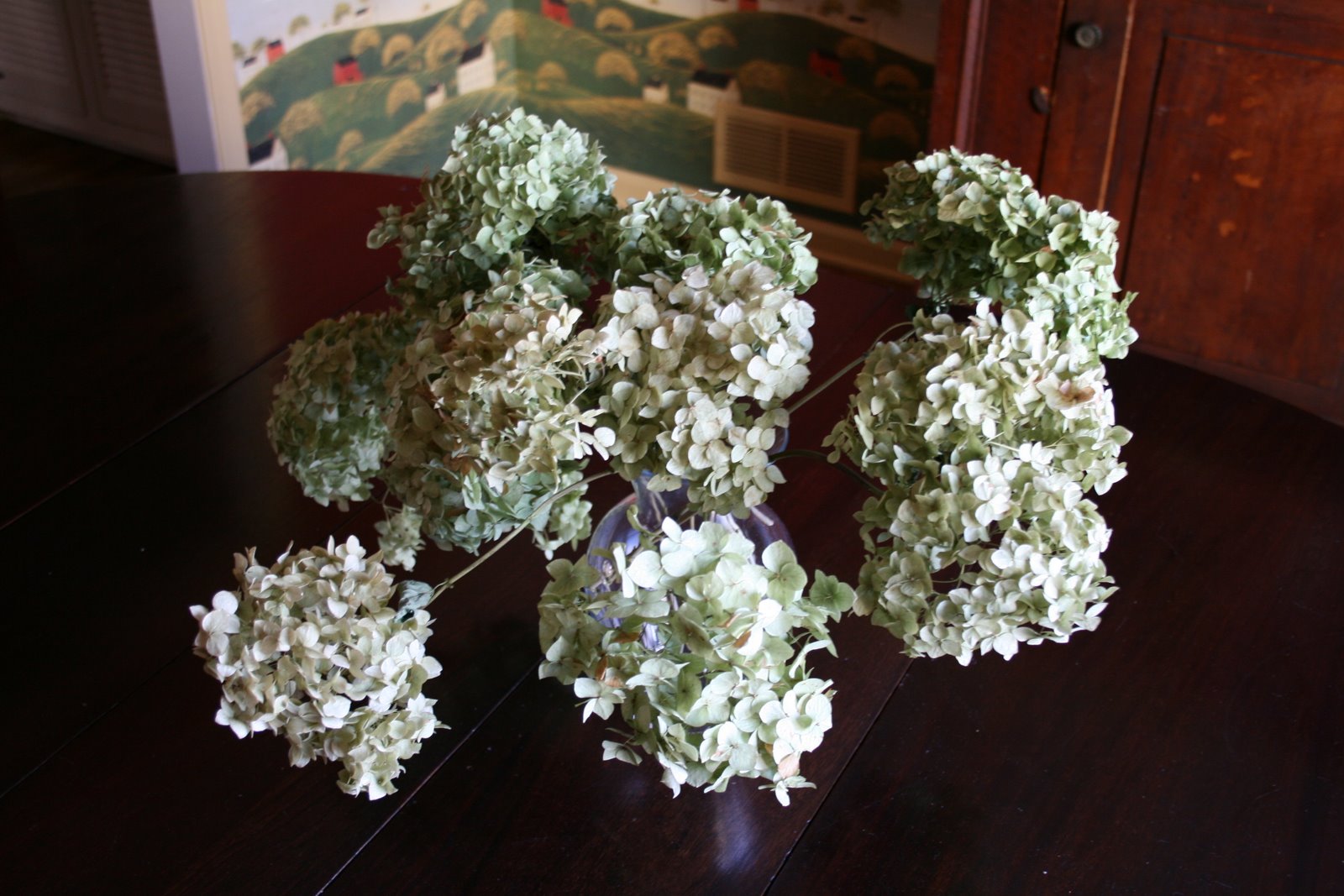
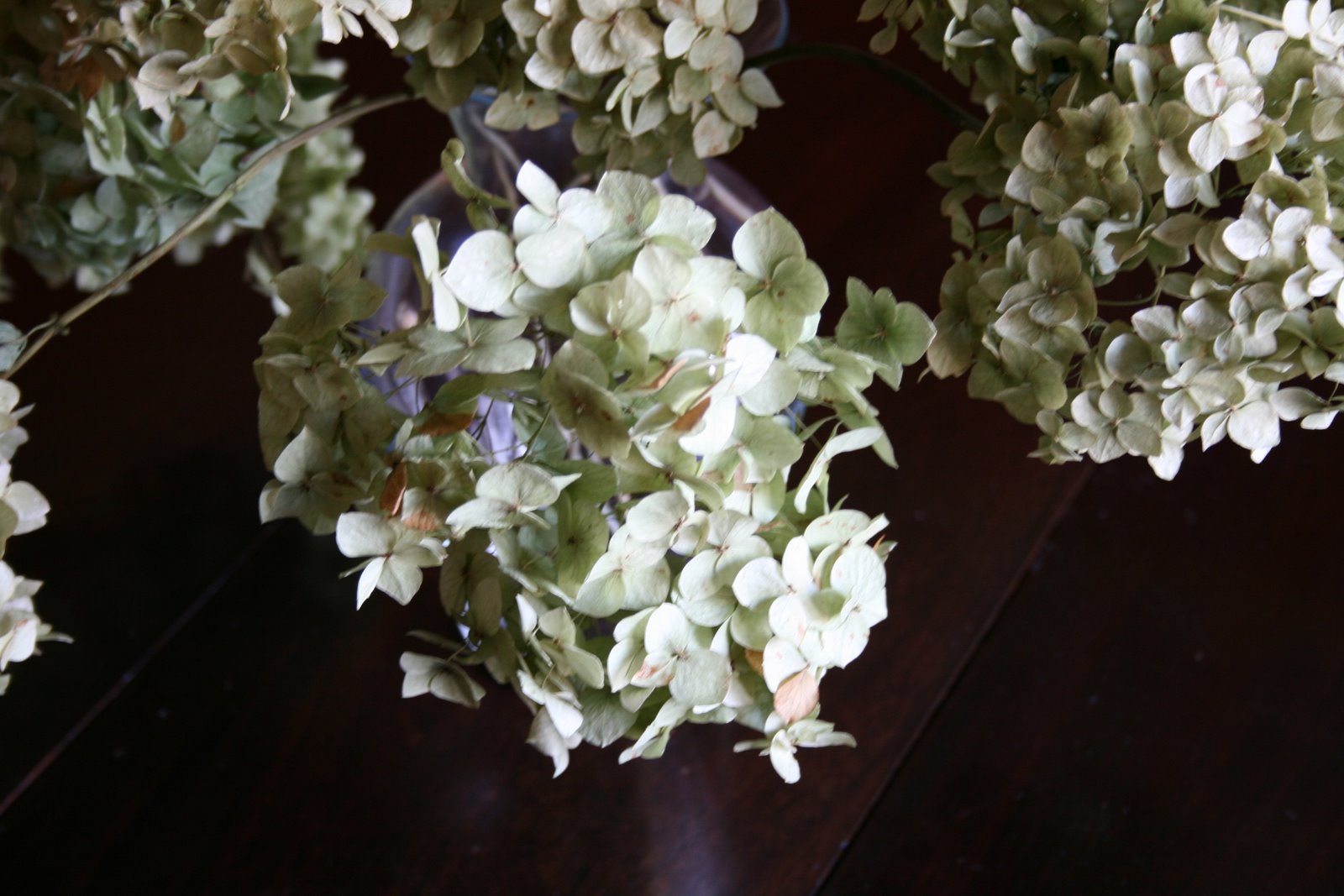
I have several Annabelle hydrangeas on Goldberry Hill. During the summer, their large white mopheads look great both in the garden and brought indoors as cut flowers. As they age, they turn green and then brown. This summer, my friend P cut some of them when they were green, dried them at her home, and gave them to me as a present in the early winter. As you can see, they have retained their attractive green color.

For a prior post about their contribution to the garden in winter, click here: http://heirloomgardener.blogspot.com/2007/12/annabelle-hydrangea-in-winter.html.

How to Prune Pee Gee Hydrangeas and Wisteria: Before Spring Growth Resumes

February is the time in my garden to prune the pee gee hydrangeas and the wisteria. I have two pee gee hydrangea standards: one along my front walk (pictured before and after pruning) in the Front Border and another along the fence in the back garden. I do this primarily because space is limited where it’s growing and, secondly, by pruning it I get more blooms (for a picture of the blooms, click here: http://heirloomgardener.blogspot.com/2008/01/front-border-in-summer-plan-for-new.html).

The best time to do this is when the plant is dormant, before the buds begin to swell. If you wait until spring growth resumes, you risk removing this year’s flowers. Pruning can be done in the early winter, but you will miss the lovely dried blooms during the winter. Every year I prune away the previous year’s growth for the one along the walkway. I also take out any twiggy branches that have died back during the winter. For the other which has more space allotted to it, I trim it back to shape it and remove spindly growth.

The wisteria I have is grown as a tree, but the pruning for it is the same as it would be for one grown against a wall. Each branch is cut back to the third or forth bud and any wispy growth is removed. The wisteria is good now until mid summer at which point it will need pruning again.
~
*****
~
Here is a picture of the same pee gee hydrangea in bloom: