Winter Garden Highlight: Lace Cap Hydrangea on Goldberry Hill

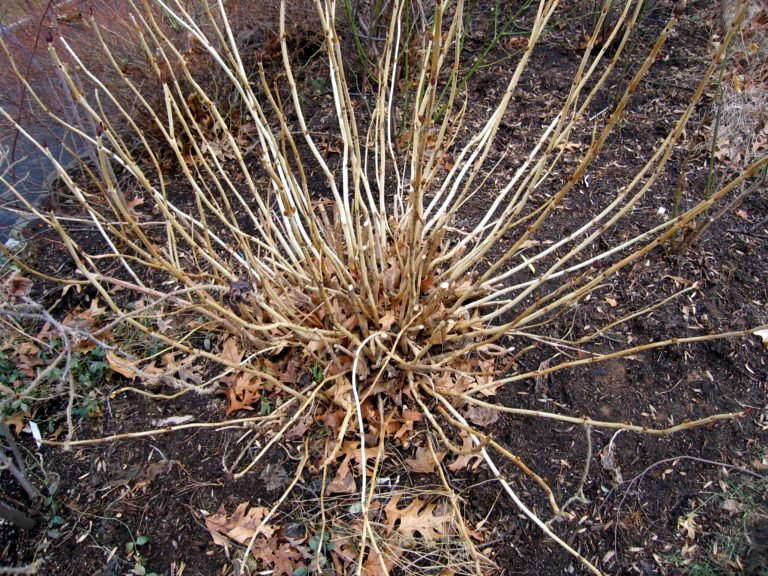
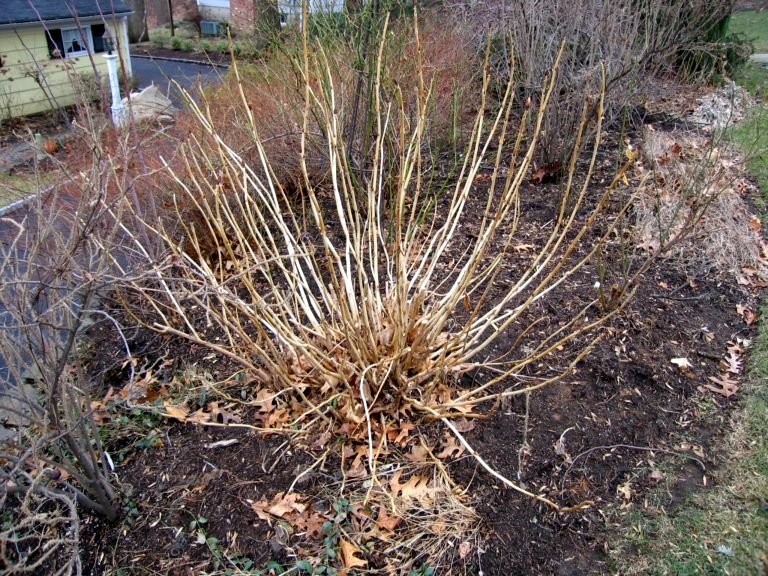
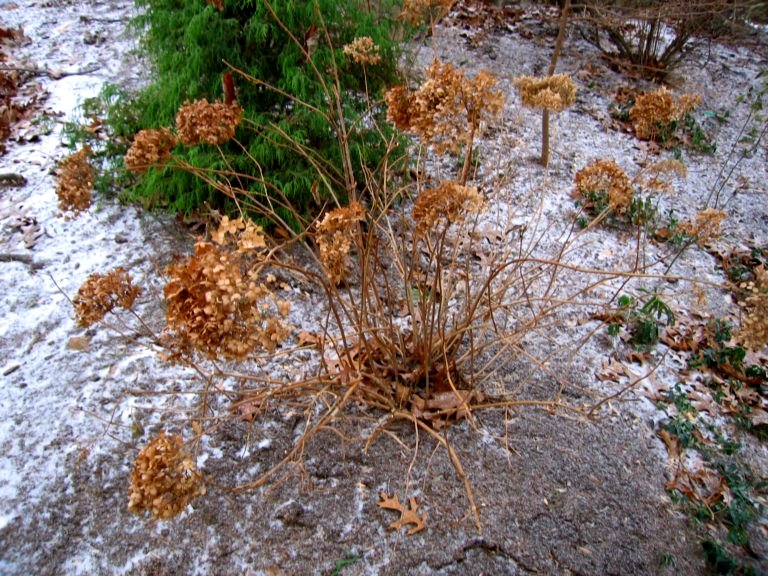
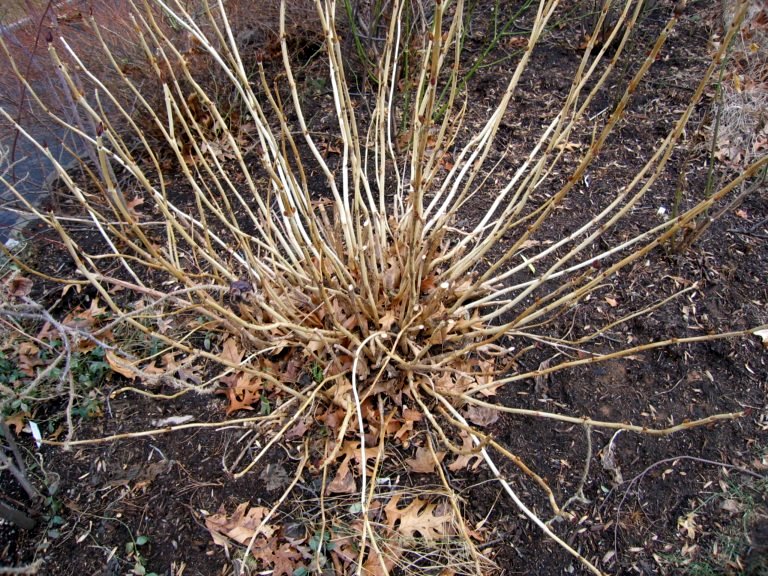
As I’ve written about in some of my prior posts, I have been trying to improve the appearance of my garden in winter. Part of this improvement includes appreciating the beauty that is already there, such as the large, mature hydrangea at the top of Goldberry Hill. The form and color of the bare stems have a beauty all their own.

For a picture of this same hydrangea in summer, click here: http://heirloomgardener.blogspot.com/2008/01/gardening-on-hill-goldberry-hill-in.html


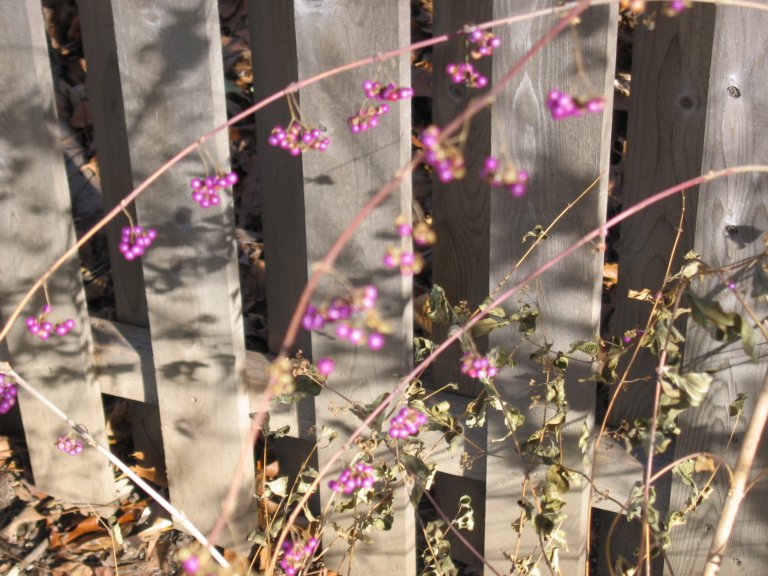
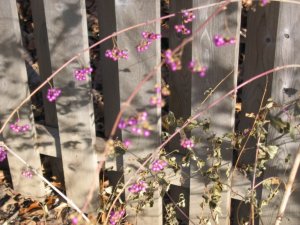
Japanese Beautyberry

The first picture shows what the Japanese Beautyberry is known for: its distinctive purple berries that appear in autumn and persist into the winter.

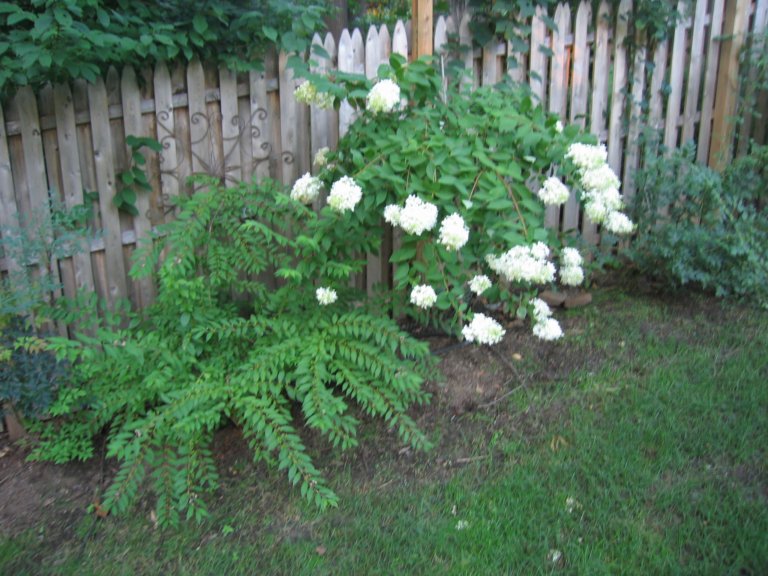
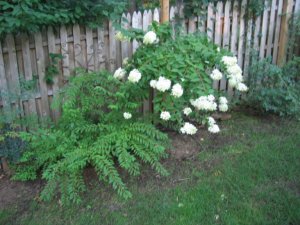
The second picture shows what the plant looks like in the summer, on the lower left, beneath the Pee Gee hydrangea.

I like these two stages of the plant, but am less fond of its other stages: the early spring when it looks dead and is late to leaf out; and the autumn when the leaves droop and look lifeless for about a month before they fall off.

They are healthy and vigorous plants. I purchased very small plants and they grew quickly in the first year. Next year, I am cutting them back to six inches off the ground in early spring to avoid the first problem. Further, I keep moving them around my property in hopes of finding the perfect place to enjoy them, and they are not bothered by this.

For fall and winter arrangements, you can cut the branches with the Beautyberries. If you do so when they still have leaves, I recommend that you remove the leaves because they droop immediately after being cut.

***

Click here for a follow-up post on propogation: http://heirloomgardener.blogspot.com/2008/02/japanese-beatyberry-unexpected.html
Hydrangea Wrapped For Winter

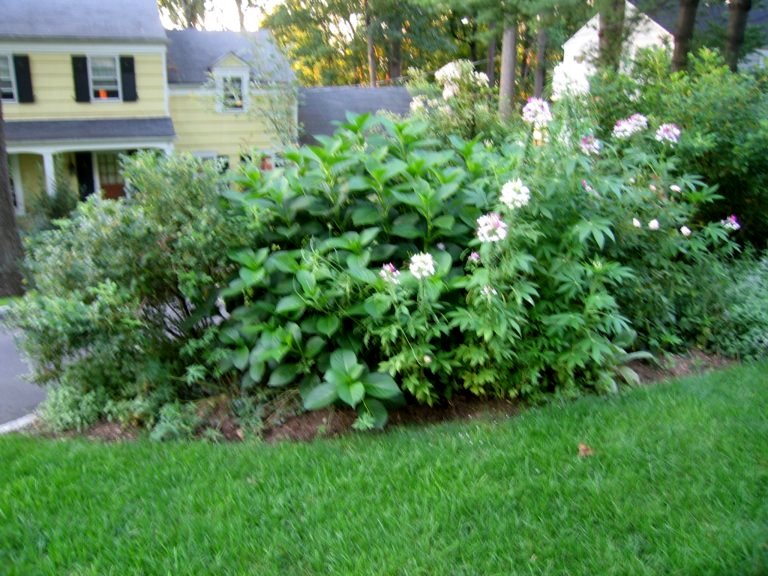
When I moved into my home, there was a hydrangea by the lamp post that produced no flowers. I knew that the deer were eating it regularly. So I began a successful regiment of deer spraying, only to find that each winter it also got killed to the ground. I find that in my Zone 6b garden hydrangea are frequently only root hardy which means that the stems are prone to being killed by the cold. Since this hydrangea only flowers on old wood it produced no flowers–it was just a foliage plant.

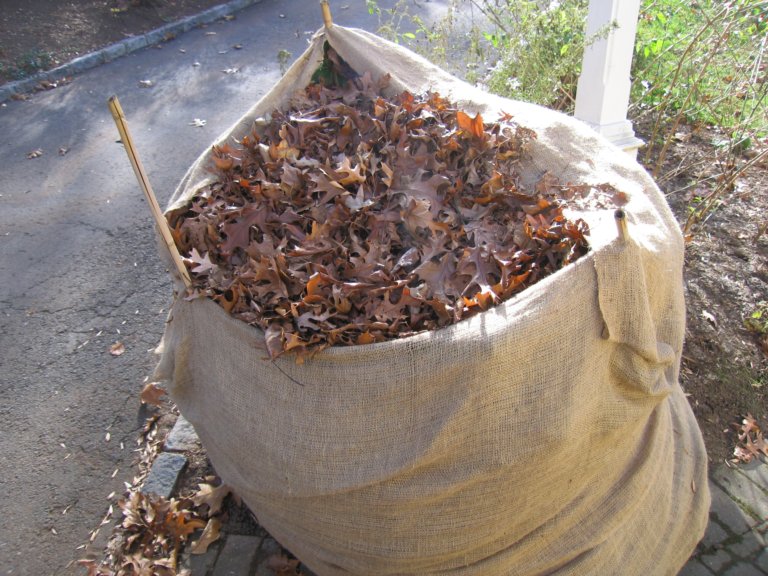
That fall I asked my husband to wrap it in burlap and cover it with oak leaves. I asked him to do it too late and we ran out of leaves, so we only protected the lower half of the plant. This year we got a few flowers. For the first time I saw they were mopheads with pink sepals edged in white. I asked my husband to start earlier and we covered the entire plant. He wrapped burlap around three bamboo stakes and stuffed it full of oak leaves, covering it entirely to about four feet high. Hopefully next year, the whole plant will produce flowers.