Category: Lilies
Rubrum Lily in the Children’s Garden
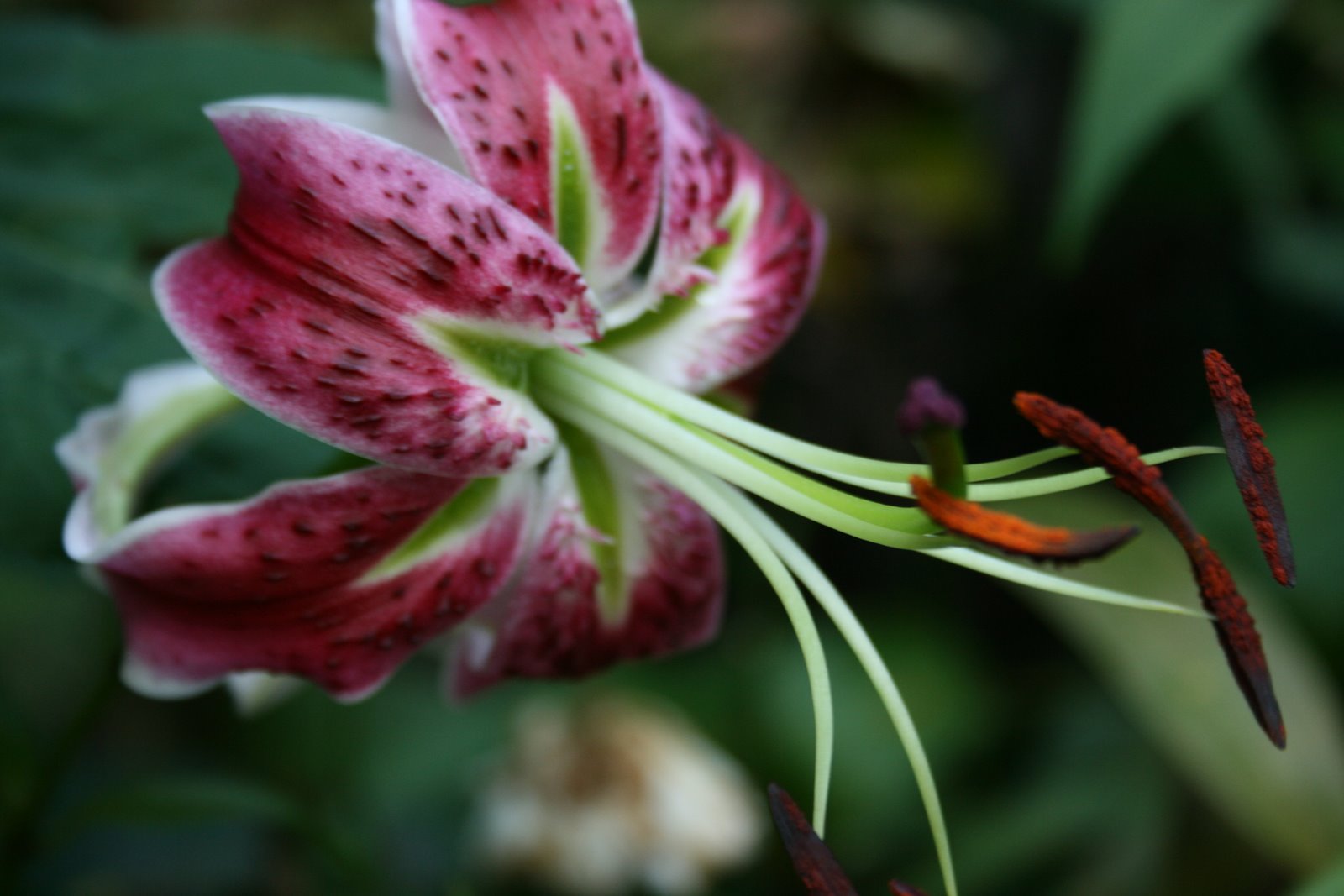
Excelsior Lily in the Rose Garden
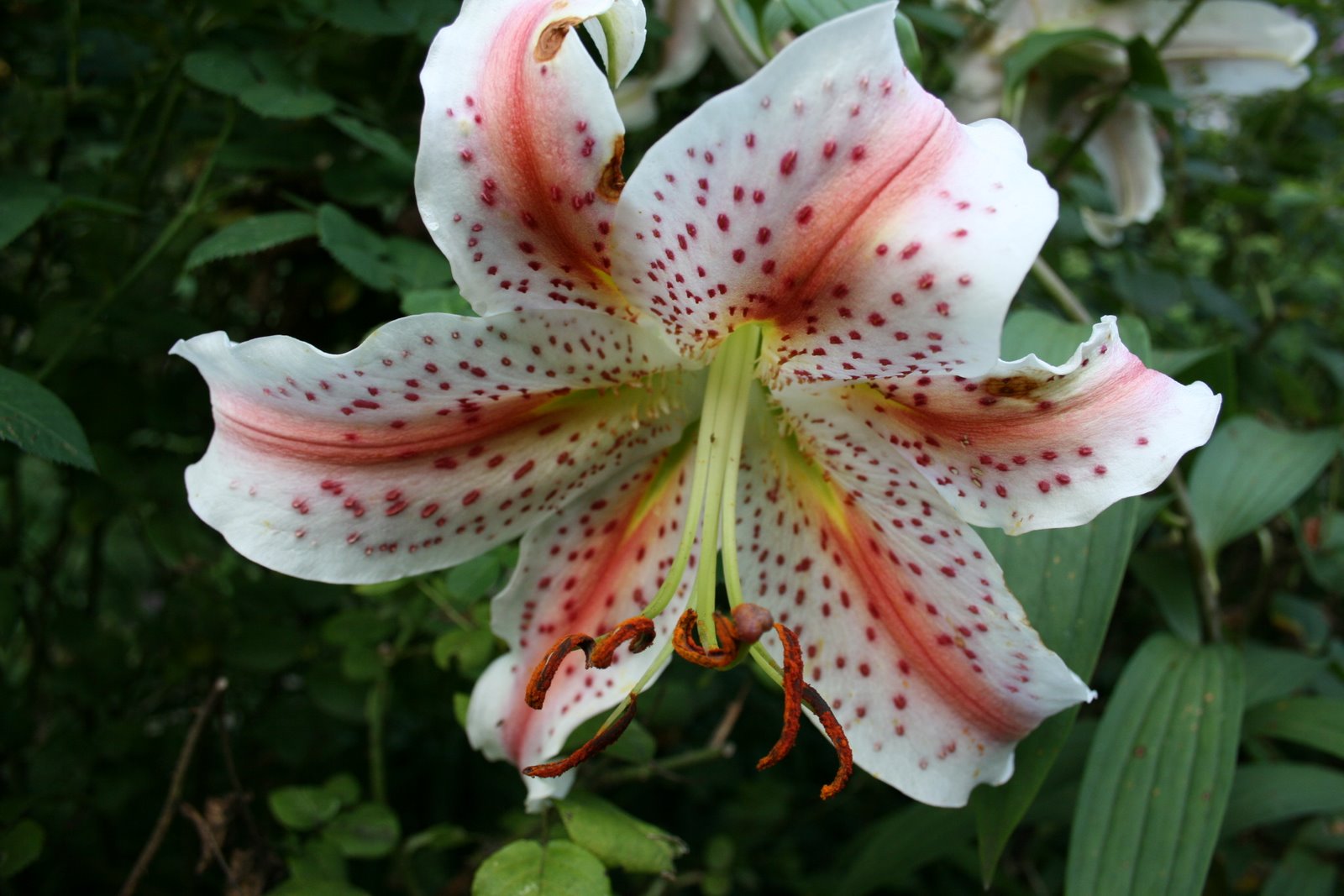
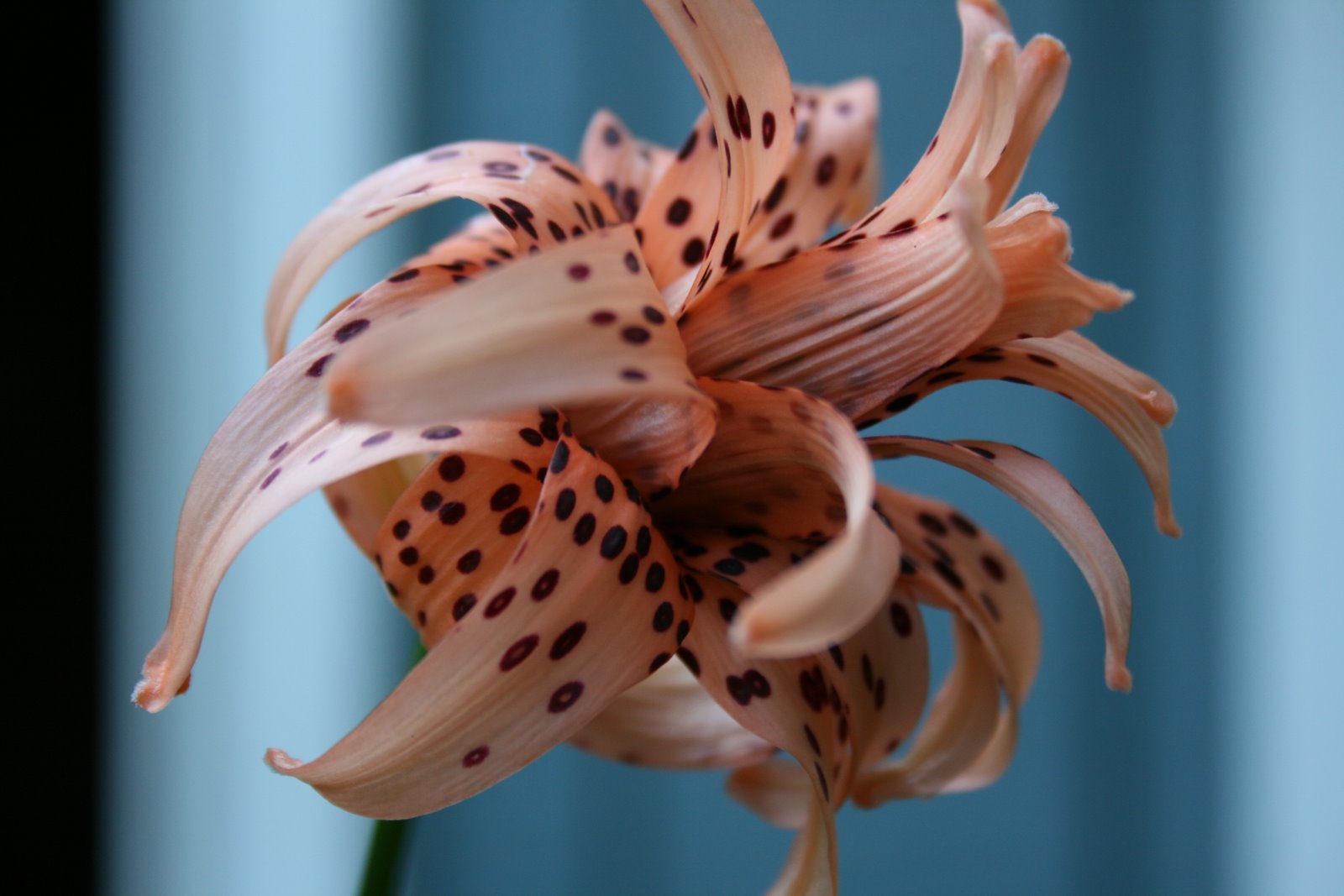
Double Tiger Lily from Old House Gardens in the Walled Garden
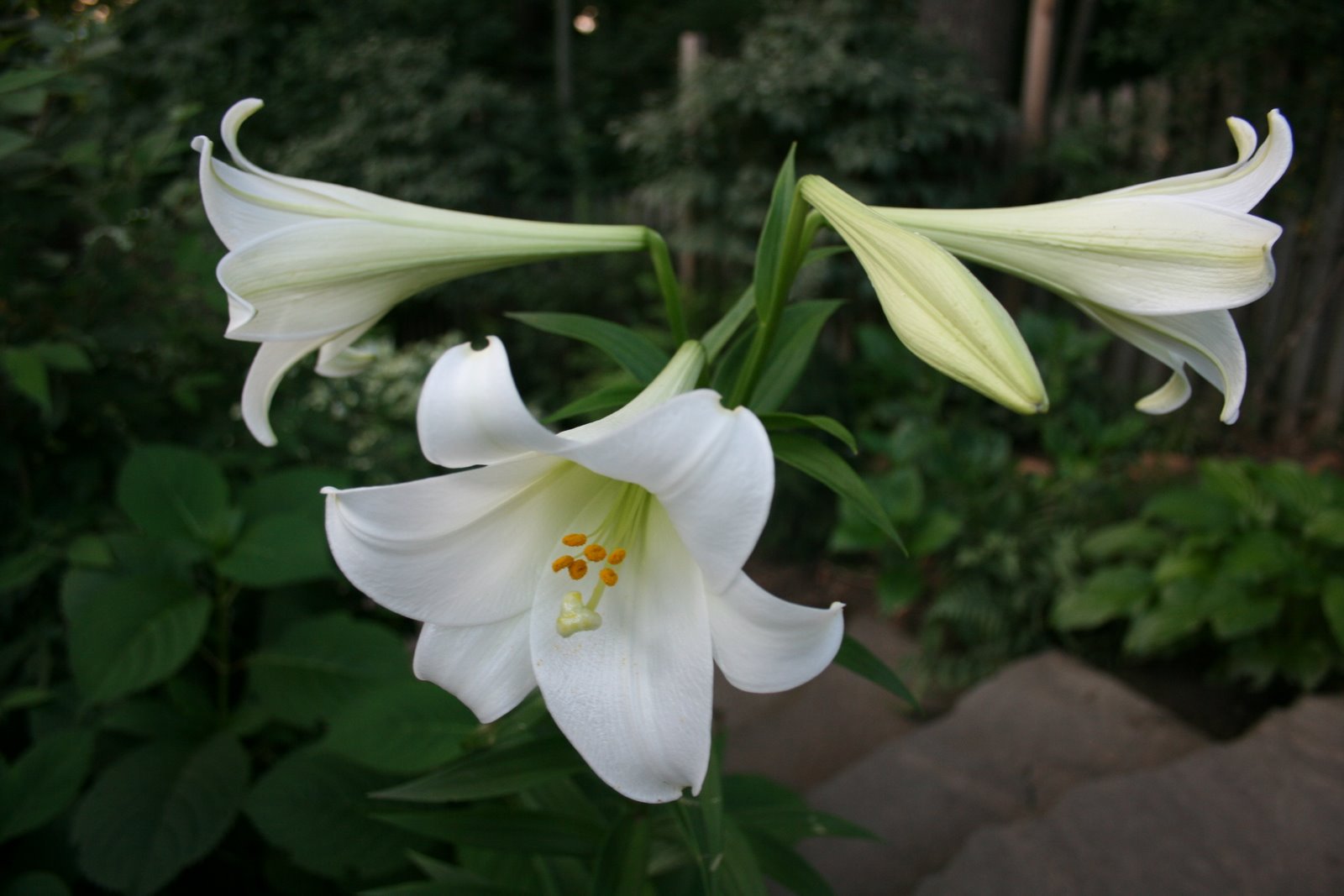
White Elegance Lilies next to the Stone Staircase
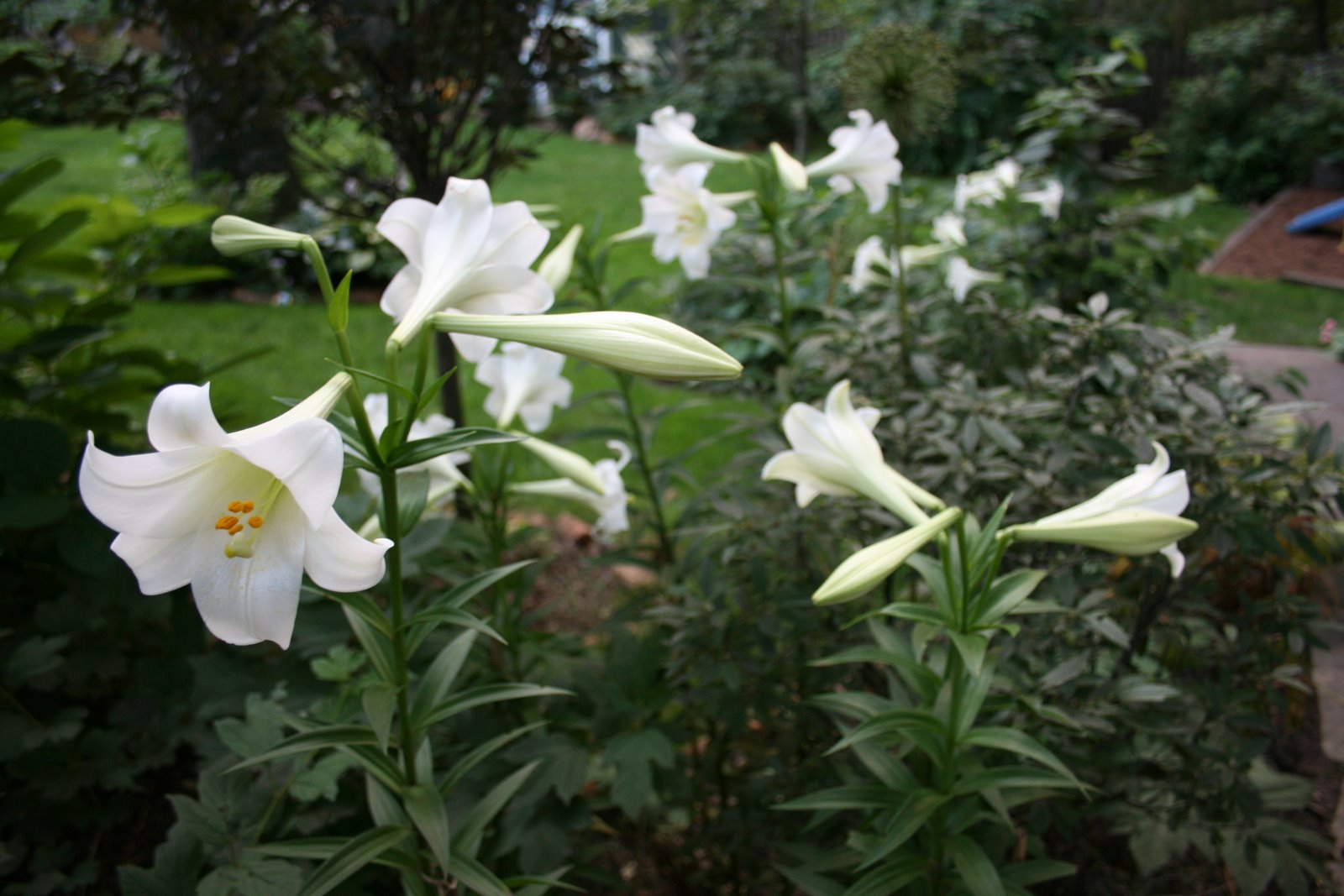
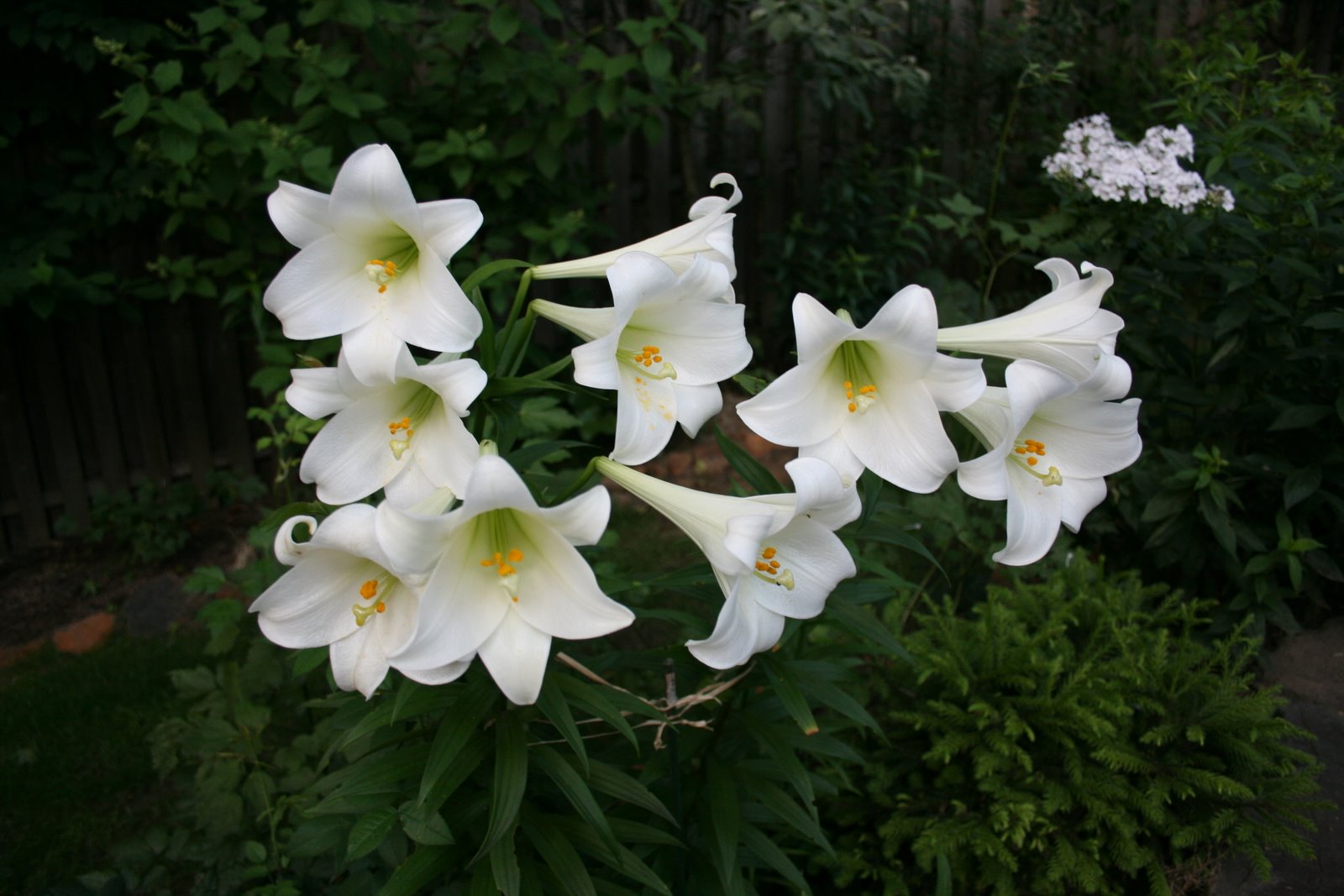
African Queen Lily (1958) in the Rose and Egg Gardens
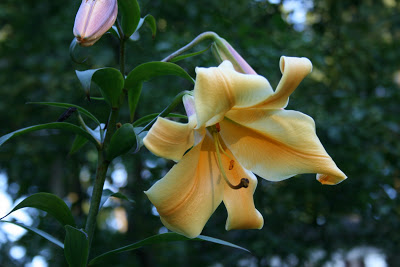 Old House Gardens was not exaggerating when they described the African Queen Lily as “swooningly fragrant.”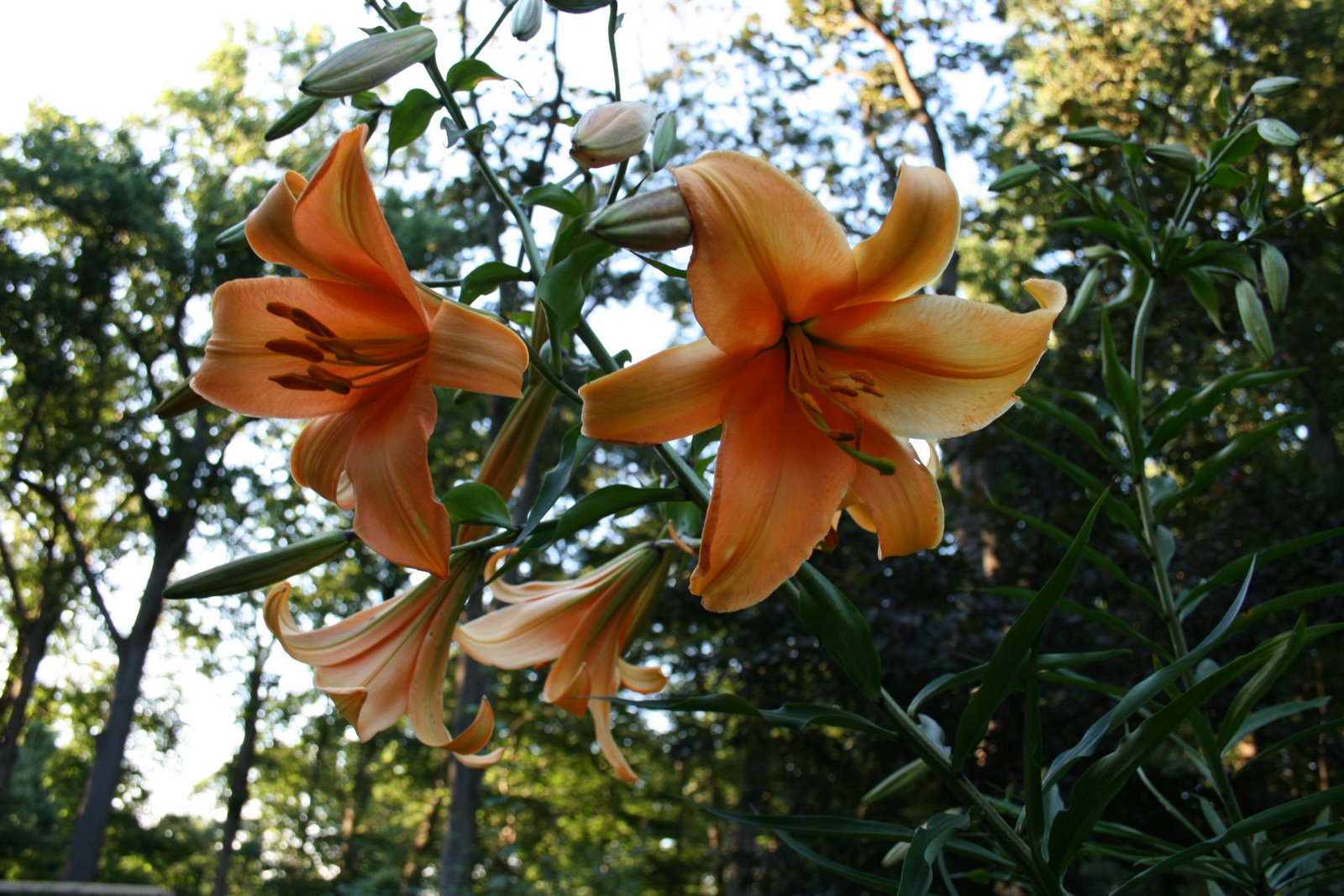
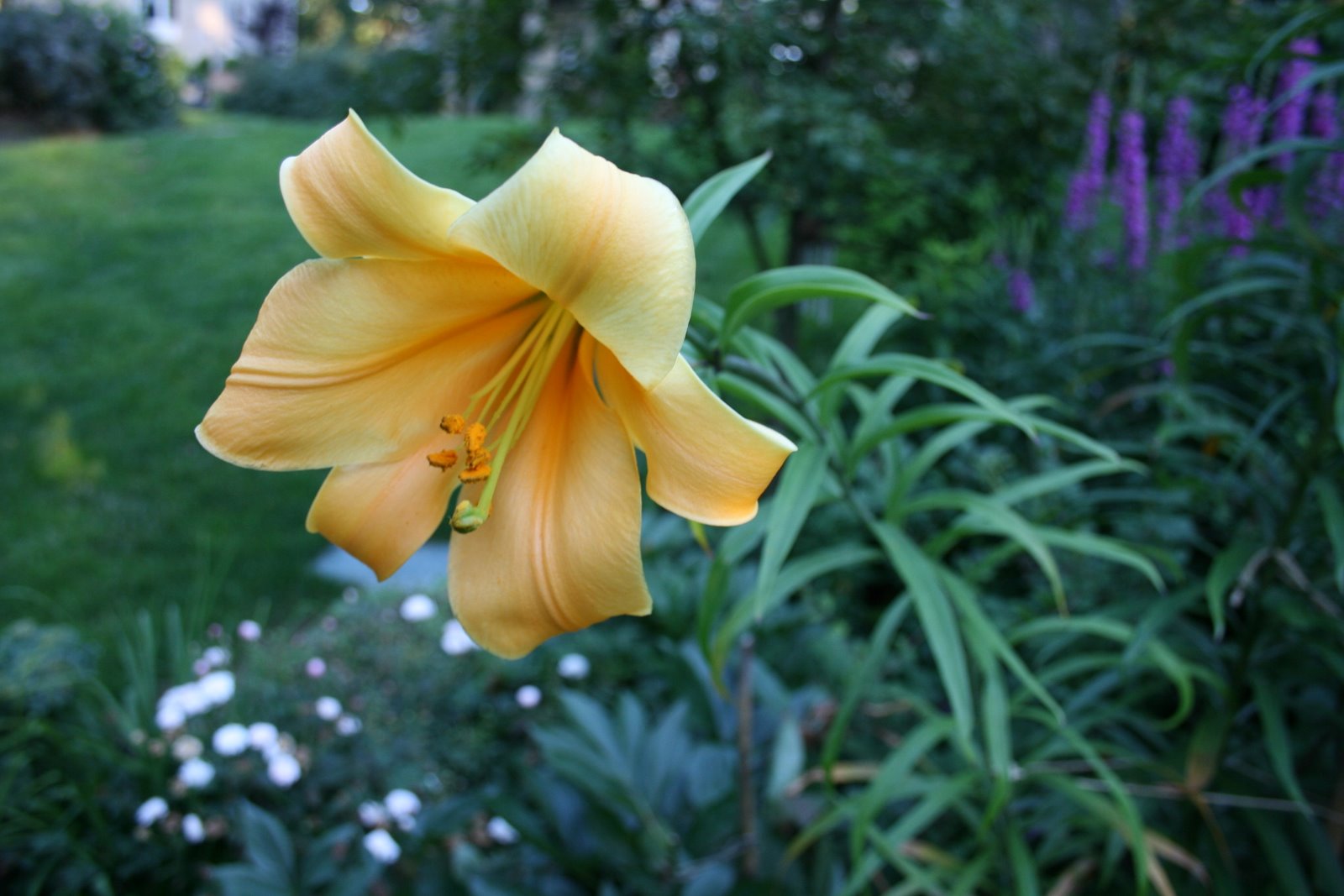
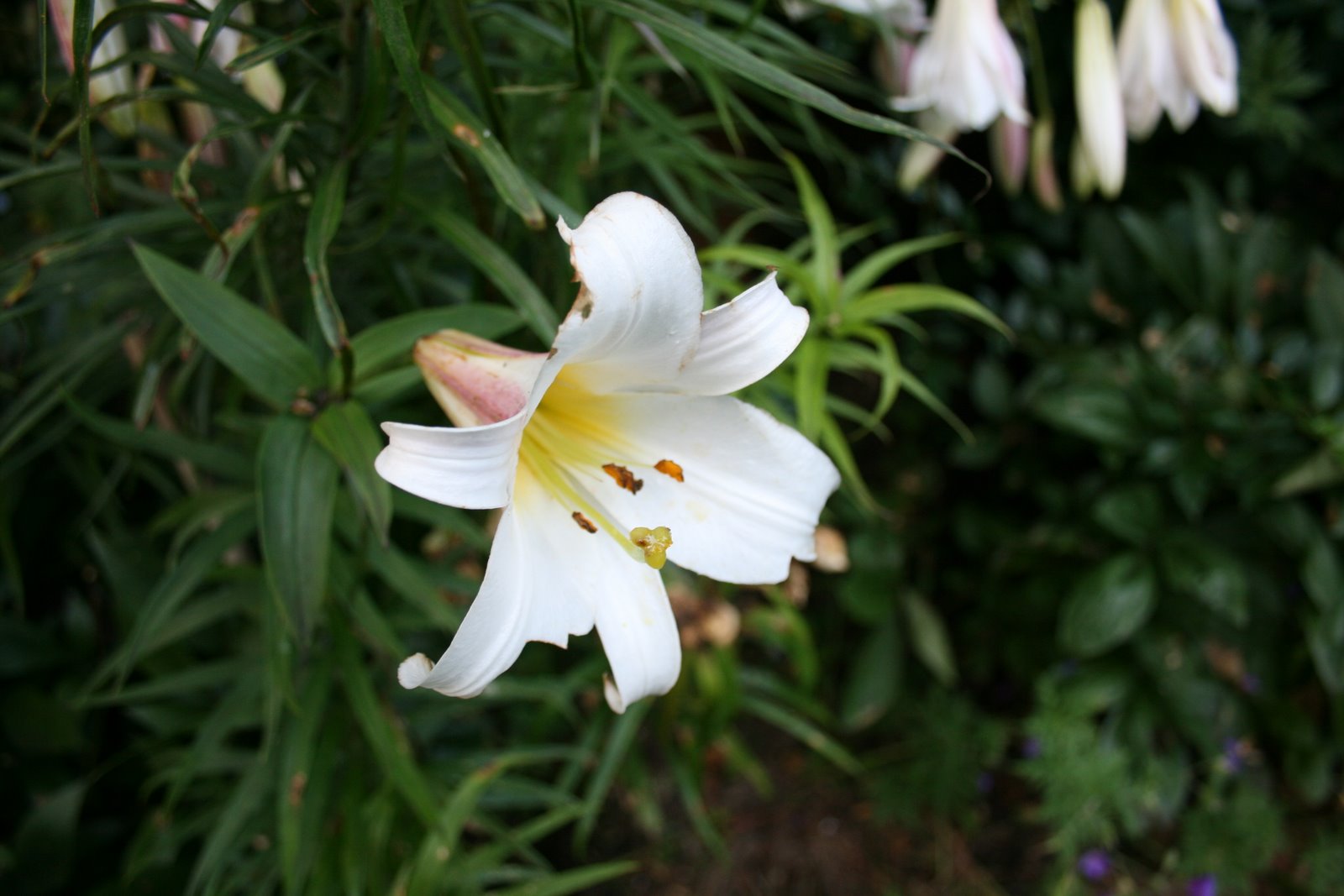
Regal Lily (1905) in the Hydrangea Border
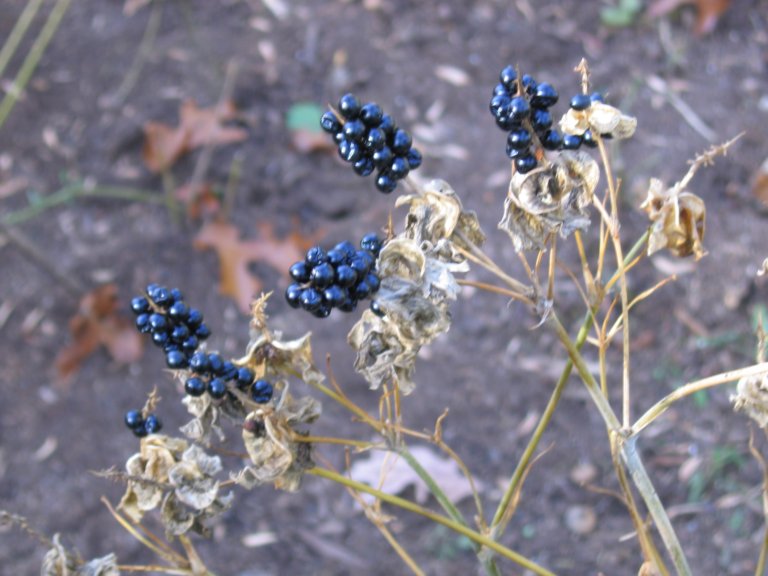
Autumn Beauty: Metamorphosis of the Blackberry Lily from Blooms to Seedheads
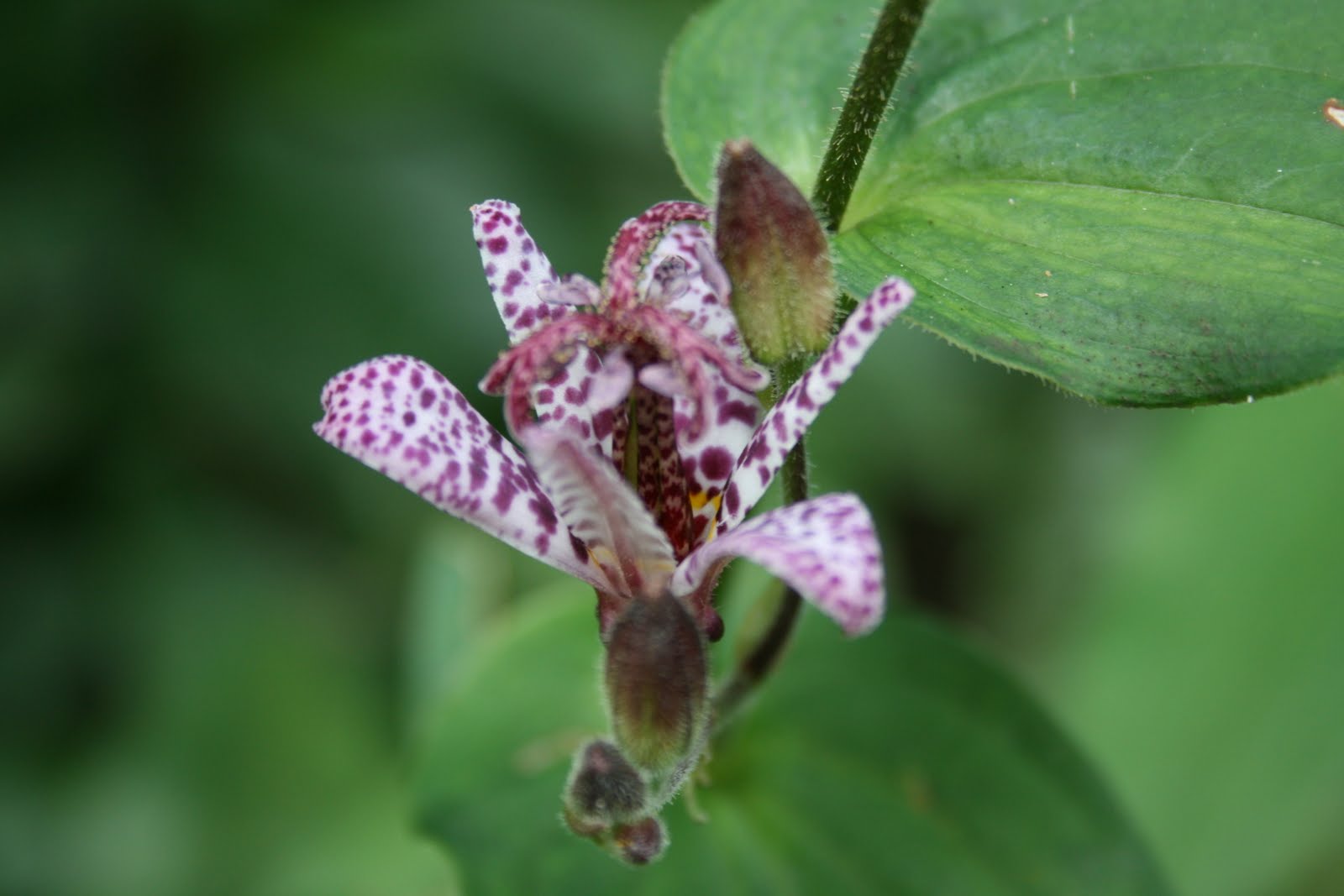
As a follow-up to last year’s post on the Blackberry Lily (Belamcanda chinensis), I made sure to capture the delicate flowers this year in addition to the attractive seedpods and seedheads: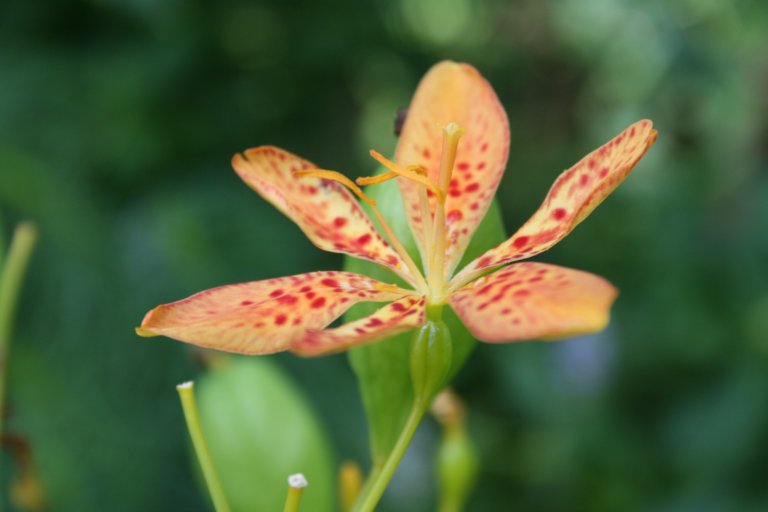 “The blackberry lily blooms at the end of July over several weeks. The flowers and seed heads make great cut flowers for arrangements. These lovely seedheads develop in autumn.” The first picture shows a close-up of the bloom.
 The second picture shows the plant in between the blooms and the immature green seedpods.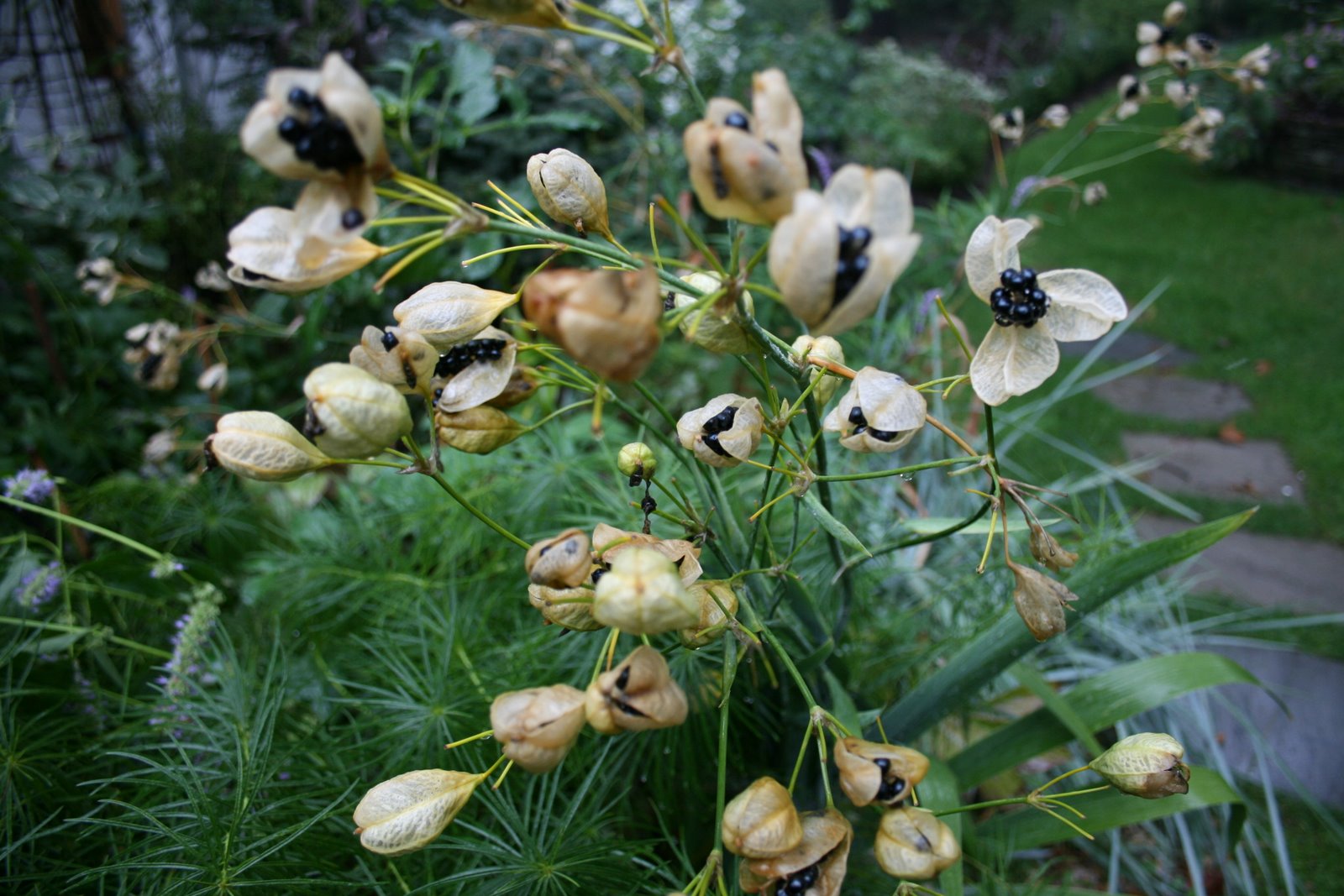
The third picture shows the plant shedding the now brown and papery seedpods to reveal the black seedheads from which they derive their name.
“Resist temptation: do not eat them. The seedheads persist into winter. They will drop and produce more plants the following spring. Although it does self seed, it is not prolific and gives a more natural look to the garden. The seedling take one to two years to reach blooming size. Note: they are deer resistant.”
Heirloom Lilies for Fall Planting
As a follow-up to my prior post about some of my favorite lilies this year, Anne Raver at The New York Times also had some heirloom suggestions for fall planting. Like me, she highlighted Excelsior as one of her favorites:
“Up in my own garden, a few heirloom lilies have thrived on plenty of compost, sun and the protection offered by stone walls: Black Beauty, a tall hybrid Turk’s-cap with dark raspberry flowers; Citronella, a shorter lemon-yellow, freckled Turk’s-cap; Excelsior, a fragrant white trumpet speckled with red; and White Henryi, a trumpet lily with swept-back ivory petals and an apricot throat. But the voles and mice have eaten a lot of the bulbs — rodents love lilies as much as tulips — so it’s time to order more for fall planting.”
 Heirloom Gardener