More Ticks, More Misery: A mother’s experience in avoiding deer ticks and Lyme disease

As a mother of five that spends a lot of time with her children outside in a region with a large deer population, deer ticks and Lyme disease are a significant concern. Several people we know have been infected with Lyme disease with negative health consequences. For some unknown reason, it seems that many doctors do not test sick children (and adults) with symptoms of Lyme disease unless they are specifically asked. As a result, people often go undiagnosed and untreated for an extended period of time, making the condition worse. On our property, we do get the yard commercially sprayed against deer ticks, even the parts that are fully fenced off from the deer. In addition, we also consciously look out for them on our children and have over the years found and removed a few, usually near the hair line. They are tiny and difficult to spot if you are not looking for them.

From the “Room for Debate” column in The New York Times:

“Is the tick problem getting worse, or does it just seem that way at this time every year? Fighting back involves a lot of individual strategies: tucking pant legs in socks, using bug spray (while hating it), obsessively doing full-body checks at the end of a summer day and building deer fences. Yet the public as a whole has been ineffective in dealing with the plague of black-legged (deer) ticks, which spread Lyme disease, a problem linked to, among other things, the overpopulation of deer, which the ticks feed on. What is important to know about ticks and their environment, and what steps might be taken to control them?”

For the full story, click here.

Heirloom Gardener Featured on The Star Ledger’s NJ.com


Everyday, The Star-Ledger’s NJ.com features a Blog of the Day on a broad spectrum of topics. I was flattered to find out that Heirloom Gardener is today’s Blog of the Day.

Kelly Heyboard writes: “Heirloom Gardener is a blog by an avid gardener in Chatham…Her picture-filled blog is full of practical advise on everything from pruning roses to finding a good nursery in Morris County.” For the full article, click here: http://blog.nj.com/jerseyblogs/2008/03/blog_of_the_day_heirloom_garde.html. Thank you Kelly!

The Star-Ledger’s writers also maintain their own gardening blog here: http://www.nj.com/homegarden/garden/. Recent posts include articles on the current Philadelphia Flower Show and keeping a gardening journal.

For a prior post about living and gardening around Chatham, New Jersey, click here:
http://heirloomgardener.blogspot.com/search/label/Chatham

Twelve Months of Garden Color in New Jersey (Zone 6b)

As it relates to color in the garden, one of my goals is to create year-round interest. Looking through my pictures, the year starts with whites and yellows; the middle months have a full range of of bright colors; and the year ends with the deep colors of berries. Here is a brief overview of these colors with one picture for each month of the year.

This post was inspired by the “Garden Bloggers’ Design Workshop – Colors in the Garden” at one of my favorite gardening blogs, Gardening Gone Wild: http://www.gardeninggonewild.com/?p=698

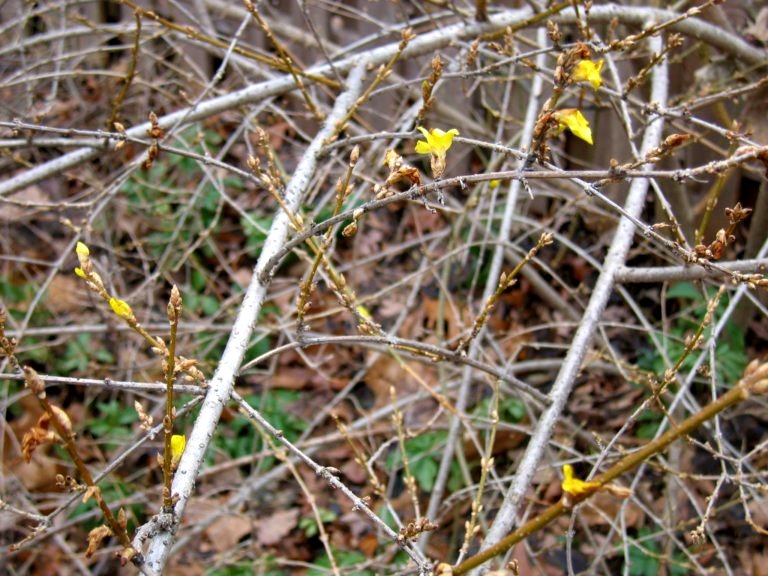
January in northern New Jersey (zone 6b) is a hard month to find any color in the garden. Fortunately, whenever the weather warms up into the forties, the forsythia start to show off some of their blooms. Of course, when it gets cold again, they hide themselves away until it warms up in earnest. This is the time when I start to cut the branches off and bring them indoors to force–my favorite thing to do with forsythia.

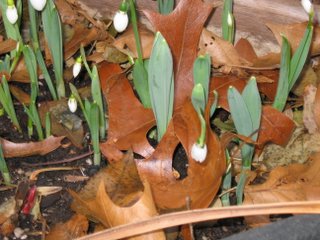
February is the month for snowdrops. I have snowdrops in the Cutting Garden and, last fall, planted more in the Walled Garden. These small flowers are so cute and the first real sign that spring is coming. Given their size, you really can’t plant too many of them–think hundreds. Since I like to plant a lot, I buy my snowdrops wholesale from Van Engelen. Once they come up, I cut small bunches for vases. Pests do not eat these bulbs.

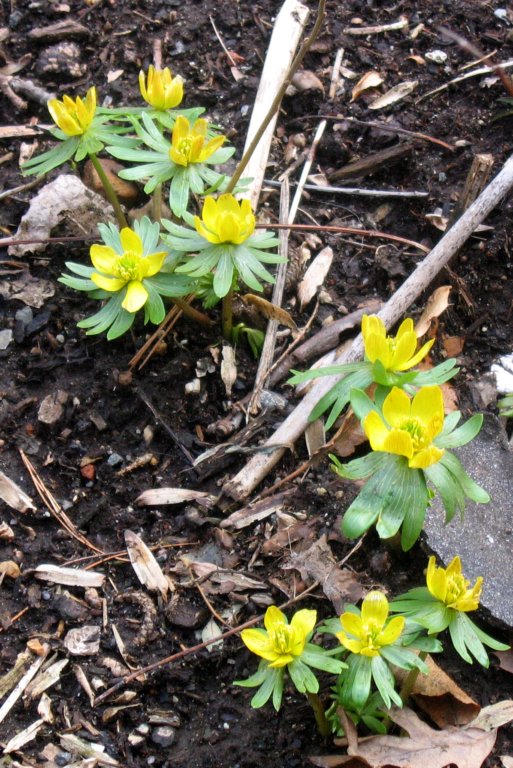
The March bulb show begins with winter aconite. It is another small bulb that I planted under Prunus ‘Forest Pansy’ in my front border. It took me a couple of years for me to get these established. I was most successful with bulbs from Old House Gardens. I think the difference was that these bulbs dry out very easily and Old House Gardens coats the bulbs in a horticultural wax to prevent this. If you know someone with an established clump, it’s best to beg a few in the green and replant them immediately in your garden. Pests do not eat these bulbs.

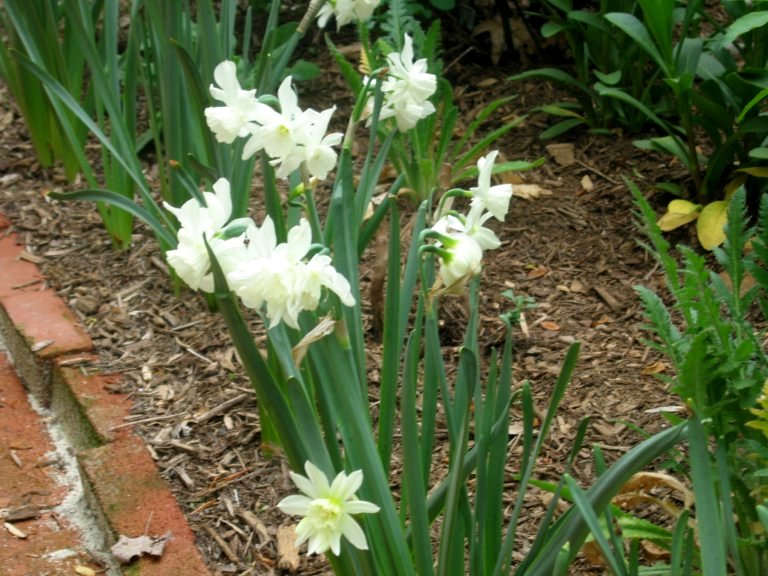
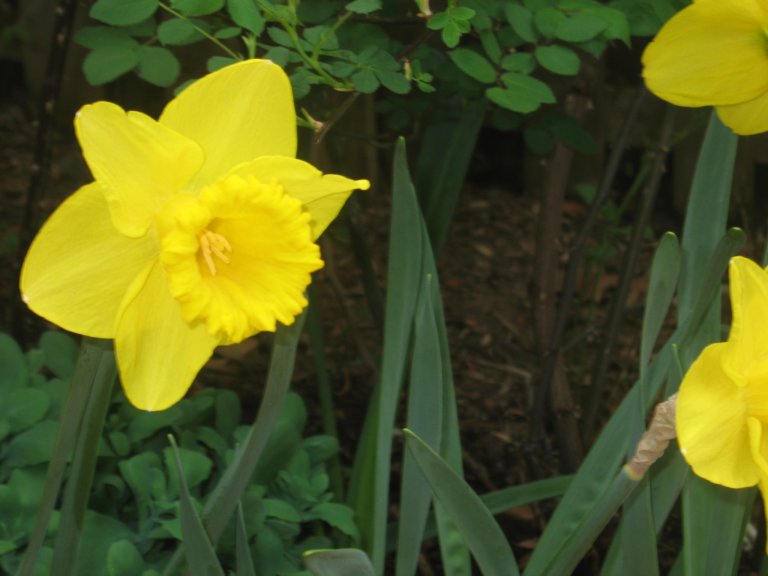
April, of course, is the month for daffodils. I plant hundreds of daffodils all over the garden. I plant all sizes and colors, but am particularly fond of the white daffodils. The earliest actually start to bloom at the end of March and they last through April into May. Pictured here is an old heirloom Thalia.

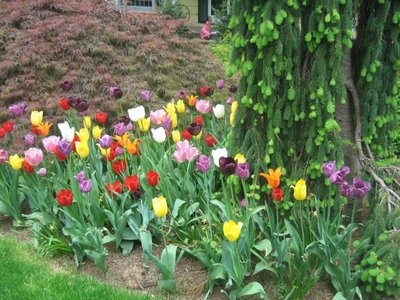
May is one of my favorite months in the garden as tulips explode everywhere. Last year, my combination was inspired by the Granny’s Garden collection from Old House Gardens. I planted a mix of the following tulips, most of which are older varieties: Cum Laude, Glowing Pink, Kingsblood, Maureen, Queen of the Night, Dillenborg, Mrs. John Scheepers, Colour Cardinal, Princess Irene, and Ballerina.

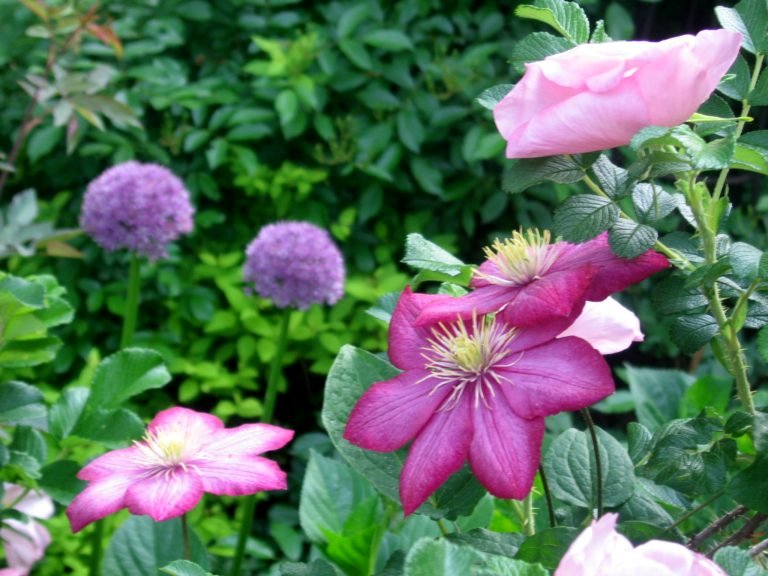
June is the most colorful month in my garden. As the spring bulbs wind down, the garden bursts into bloom with roses, clematis, alliums, peonies, poppies, and many more. In the picture is one of my favorite rugosa roses Frau Dagmar Hastrup. Frau Dagmar is small for a rugosa reaching only about 3 feet tall and about as wide. It begins blooming in May and continures until November. The leaves are a beautiful, quilted, dark green. Frau Dagmar also sets many hips when I stop deadheading. The fragrance of Frau Dagmar is magnificent.

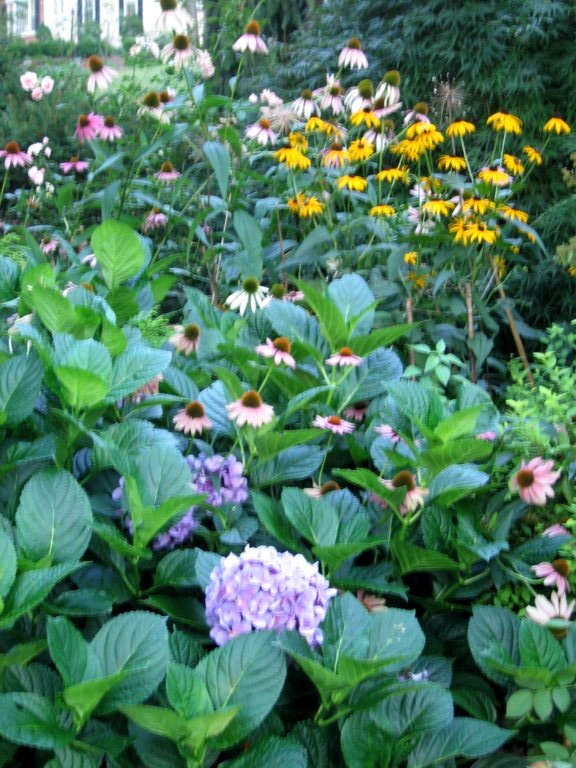
July is when the plants from and reminescent of the American prairie take over. Purple coneflower, the many rudbeckias, joe pye weed, heleniums, helianthus, phlox, milkweed, monarda, erygium, echinops, and shasta daisies all begin their bloom. These plants, despite the heat and humidity of summer, keep going and going while attracting many birds, hummers, and butterflies to the garden. By mixing these with grasses, you have color, movement, and beauty that will carry you well into September.
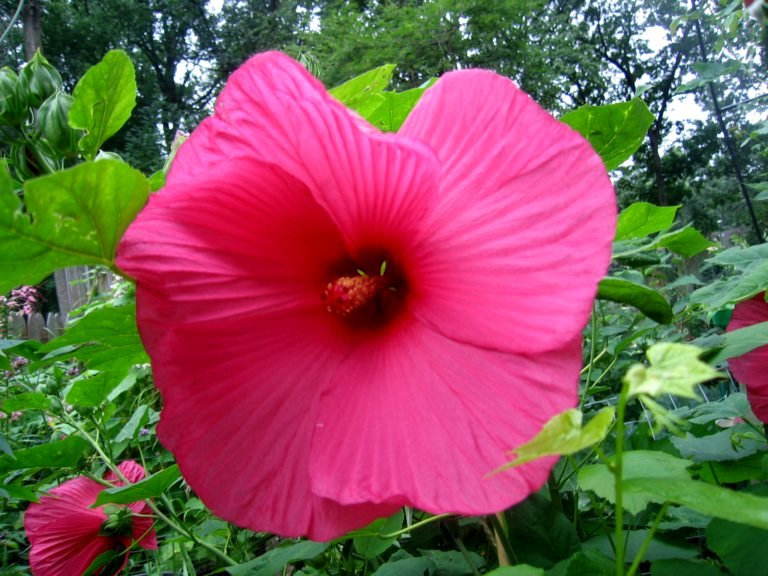
One of my daughters is in love with hibiscus and has been reminding me I haven’t put a picture of her hibiscus on my blog yet. In August, the huge tropical looking flowers garner lots of attention. The flowers are great floated in a vase and keep coming over a long period of time. Also, the seed pods of the hibiscus are quite beautiful afterward.

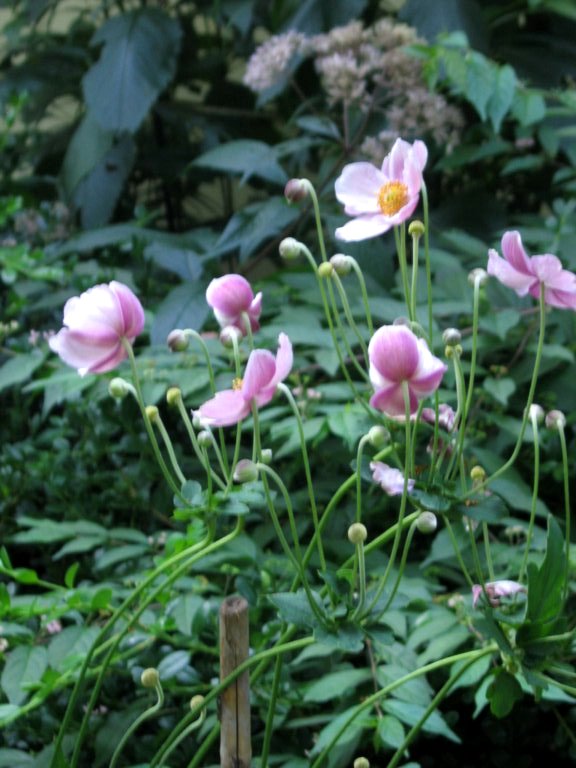
September is part of summer in my book. The garden is still in full swing with no sign of winding down. By the end of the month, however, the Japanese anemone ‘Queen Charlotte’ is beginning to bloom, signaling the very beginning of fall.

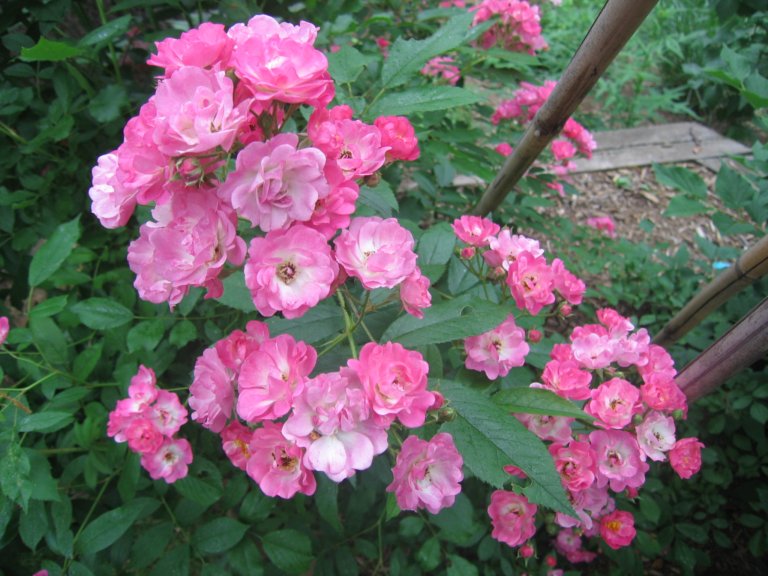
October is the month of rose rebloom. In our garden, any rose that is going to rebloom, puts on a very generous display in the autumn even if it hadn’t bloomed since June. The cooler temperatures in September helps to restart the roses after the heat of August. Pictured here is Belinda, an heirloom hybrid musk rose, purchased from Antique Rose Emporium. I deadheaded this rose throughout the summer and was rewarded in the fall with a very generous flush of roses in addition to the many others throught the summer.
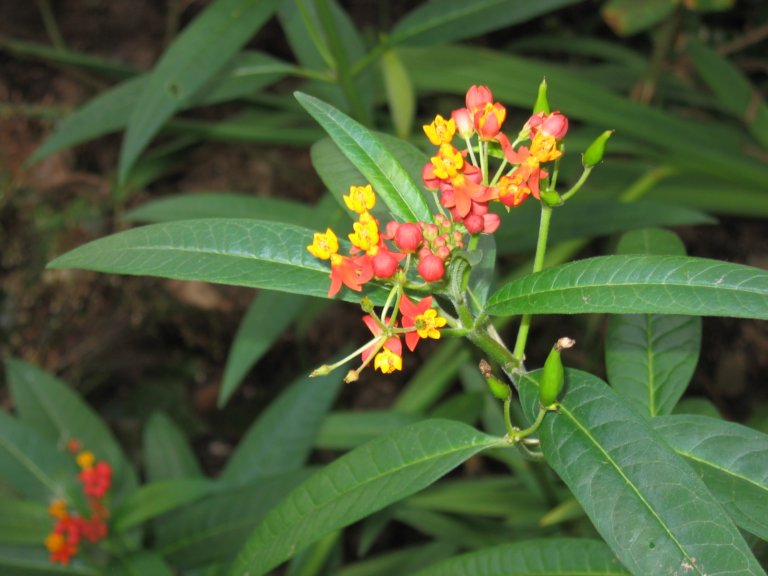
The butterfly weed pictured here was a welcome volunteer from a clump of Mexican milkweed I planted in 2006. I did not expect it to reseed for me given that its grown mainly in zone 8 and warmer. But the seedling did come and were enjoyed by many monarch catepillars. The plants came into bloom very late in the season. They, however, made it through many light frosts and only died well into November when we had a hard frost.

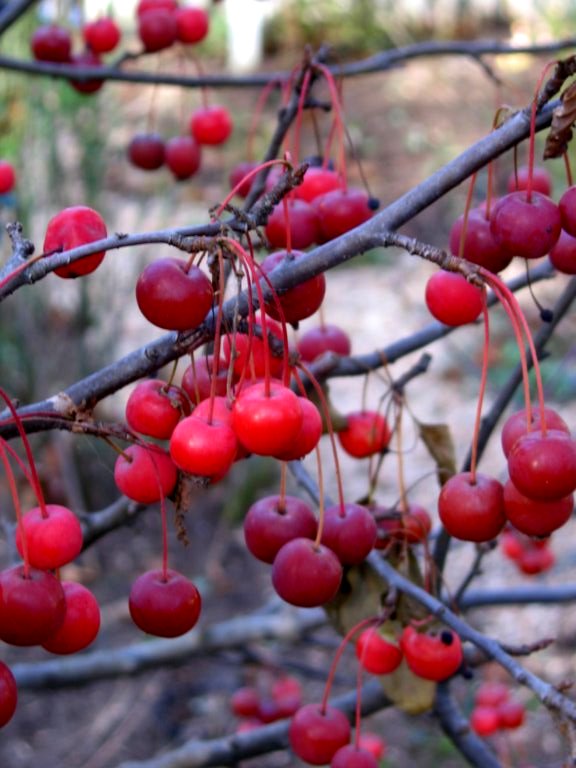
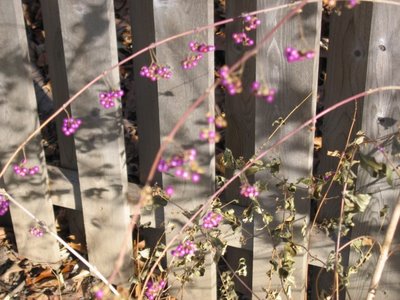
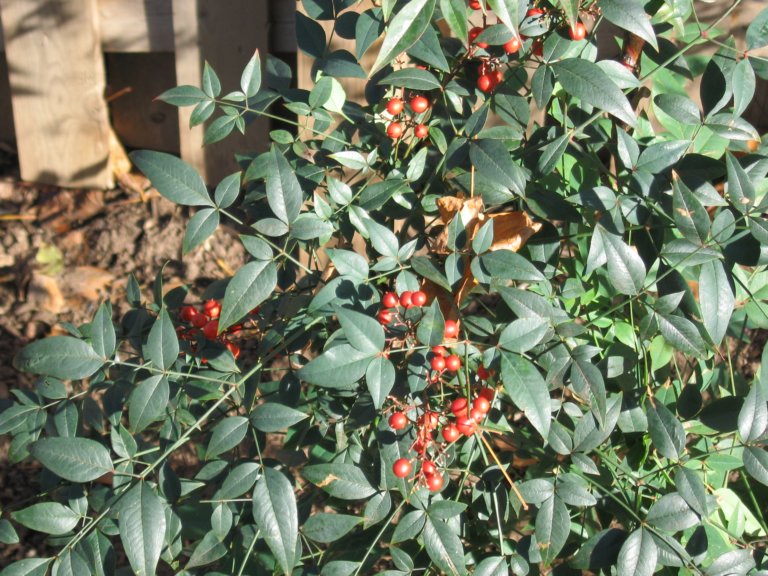
December leaves me with the scarlet crabapples in the Egg Garden and many other berries from roses, nandina, Japanese beautyberry and winterberry.

Q: How Do You Keep Deer Out Of The Backyard? A: The Deer Fence

Chatham, New Jersey is overrun by deer. It is not uncommon to see shameless groups of deer grazing in our neighbors’ yards or strolling down the street. The first victims are the deer’s favorites–like ewe hedges, hostas and hydrangeas. By the end of the season, their appetite expands to include some of the deer resistant plants (so called by our local nursery), such as cone flowers and shasta daisies.

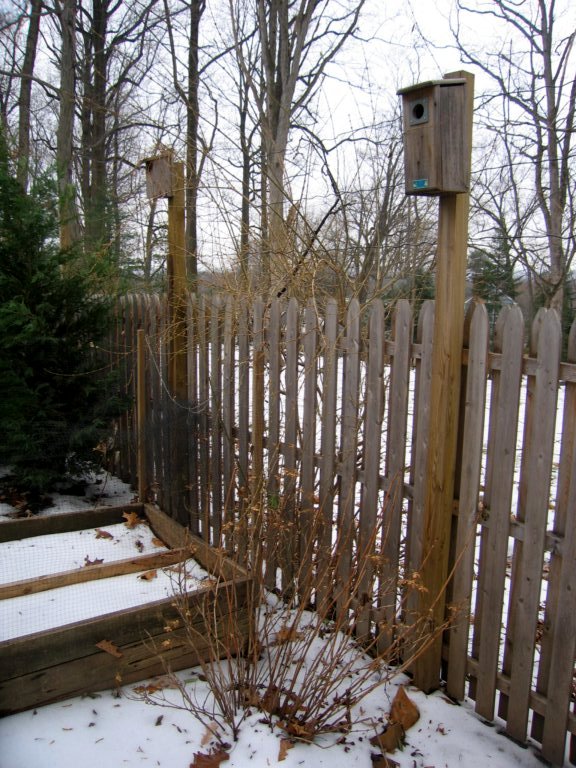
In order to keep the deer out of our backyard, we have installed a six foot tall wooden fence. For added protection, the fence posts (four by fours) are ten feet tall and strung with very strong, weather-resistant, plastic-coated wiring. There are three rows of wire above the fence, each spaced about one foot apart.

Aesthetically, the wiring is virtually invisible from a distance and does not take away from the beauty of the garden as some traditional deer fences do. In addition, we have topped many of the posts with bird houses.