A Summer Visit to the New York Botanical Garden (NYBG): Pest Control for the Vegetable Garden

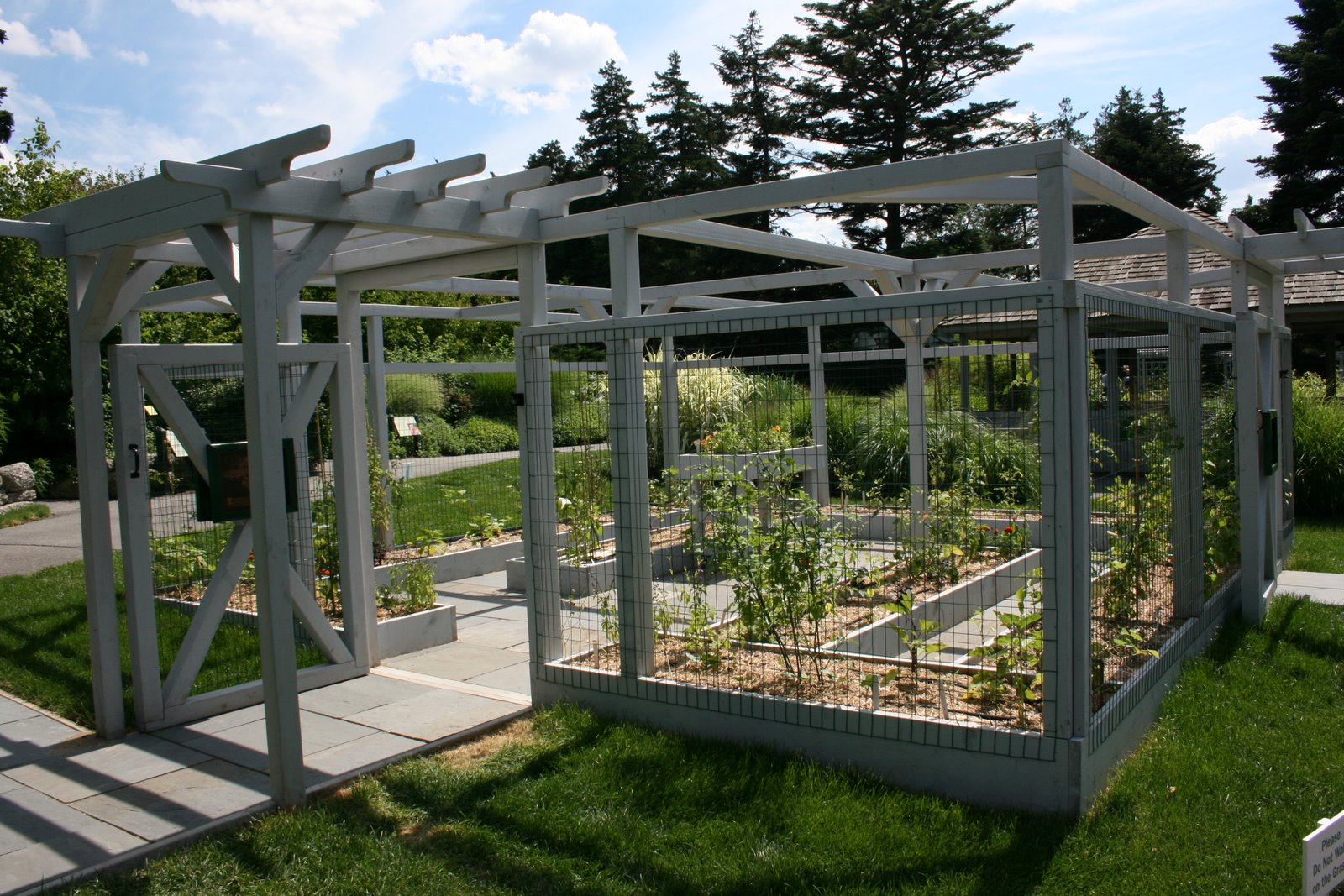
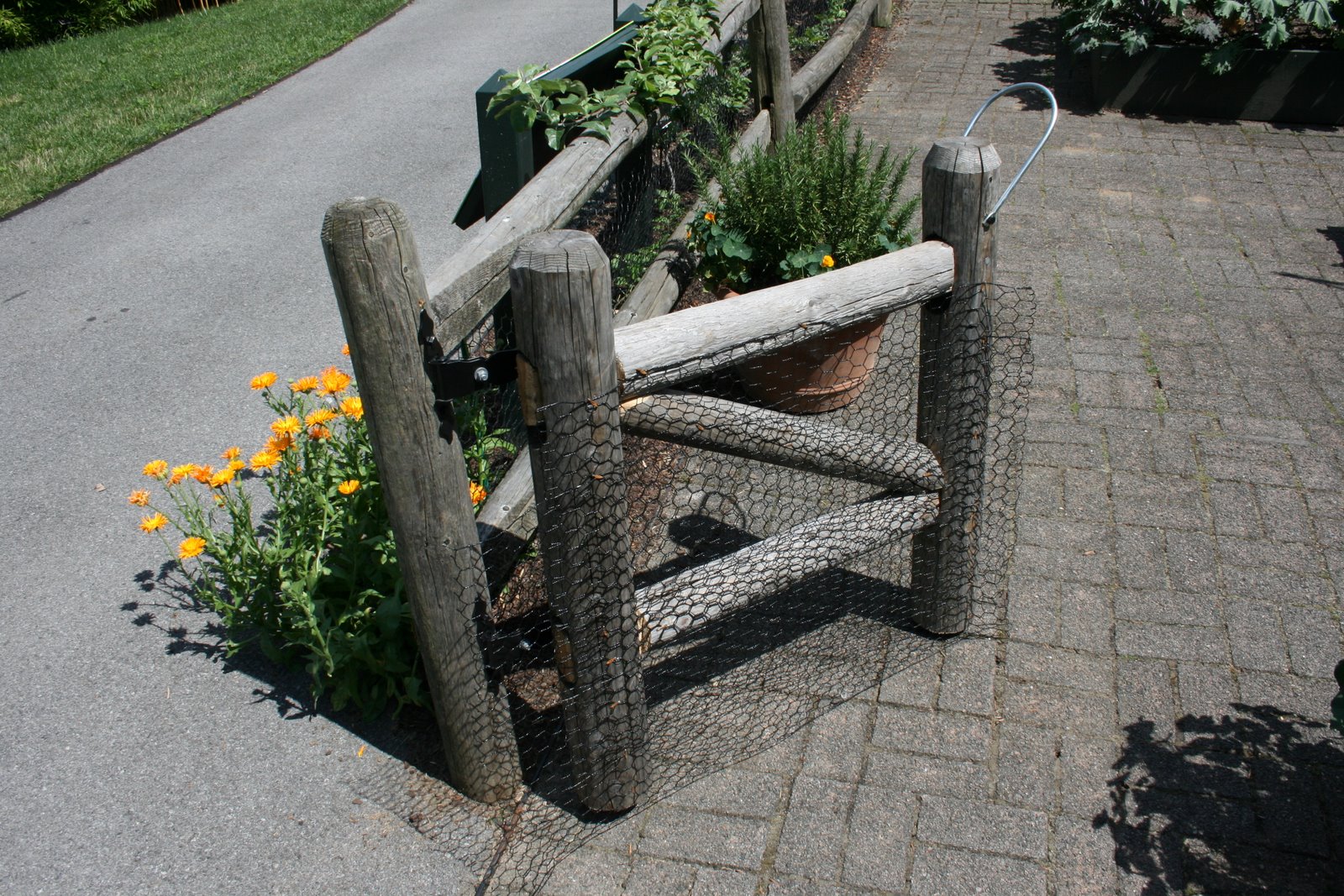
On my recent visit to the New York Botanical Garden, we also made a visit to the Home Gardening Center, where they have home demonstration vegetable gardens. Since last season, they have had to do more pest control around the gardens and I was surprised to some very familiar barriers:

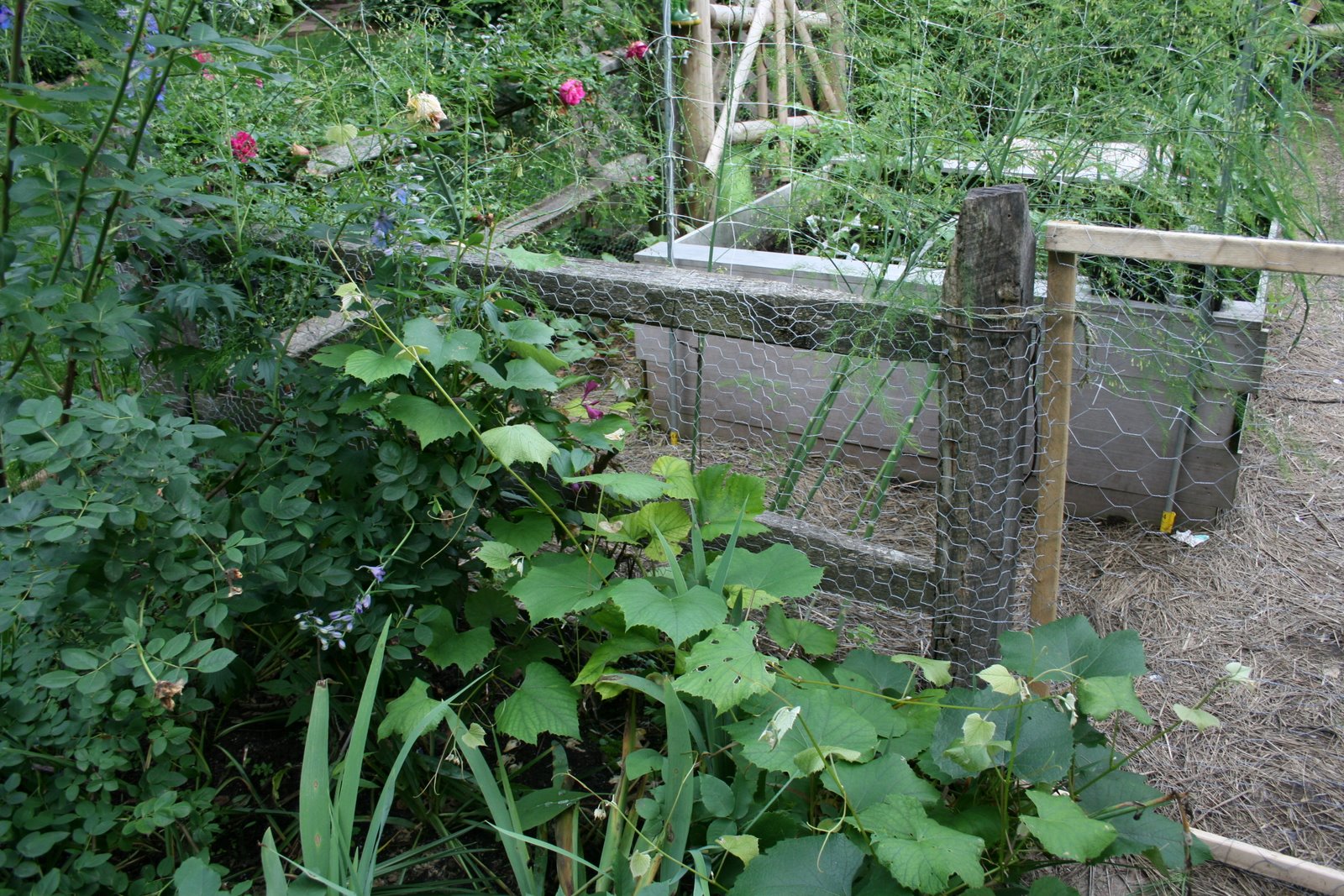
1. Chicken wire around their post and rail fence.

2. Completely fenced in walls around their new raised beds.

This is exactly what I have had to do this year! Maybe they’ve been reading my blog for ideas (just kidding).

Related posts: Adding Chicken Wire and Gates to an Open Post and Rail Fence; New Eight Foot Tall Screens Around the Raised Beds

WSJ: Death by Mint Oil: Natural Pesticides

This article discusses many of the natural and organic solutions that I use in my own garden. From Gwendoln Bounds in The Wall Street Journal:

“Increasingly, well-known insecticide manufacturers, retailers and even professional pest-control services are rolling out solutions derived from natural materials like animals, plants, bacteria and minerals, many of them considered potentially safer to humans, pets and the environment than their synthetic-chemical counterparts. Fueling the move is increased governmental scrutiny over what pesticides we spray in and around our homes, as well as a bid to satisfy more health-conscious consumers—especially women, who typically dictate household pest-solution purchases.”

For the full article, click here.

How to Protect the Vegetable Garden from the Groundhog, Part 3: New Eight Foot Tall Screens Around the Raised Beds

One of this season’s projects has been to better protect the vegetable garden. As frequent readers of this blog know, enemy number one is the groundhog that lives next door in my neighbor’s yard. The extra tall fence around my backyard keeps out the deer and my one year-old cat effectively deters most of the smaller pests–rabbits, squirrels and chipmunks. Unfortunately, I have been ineffective against the groundhog.
.
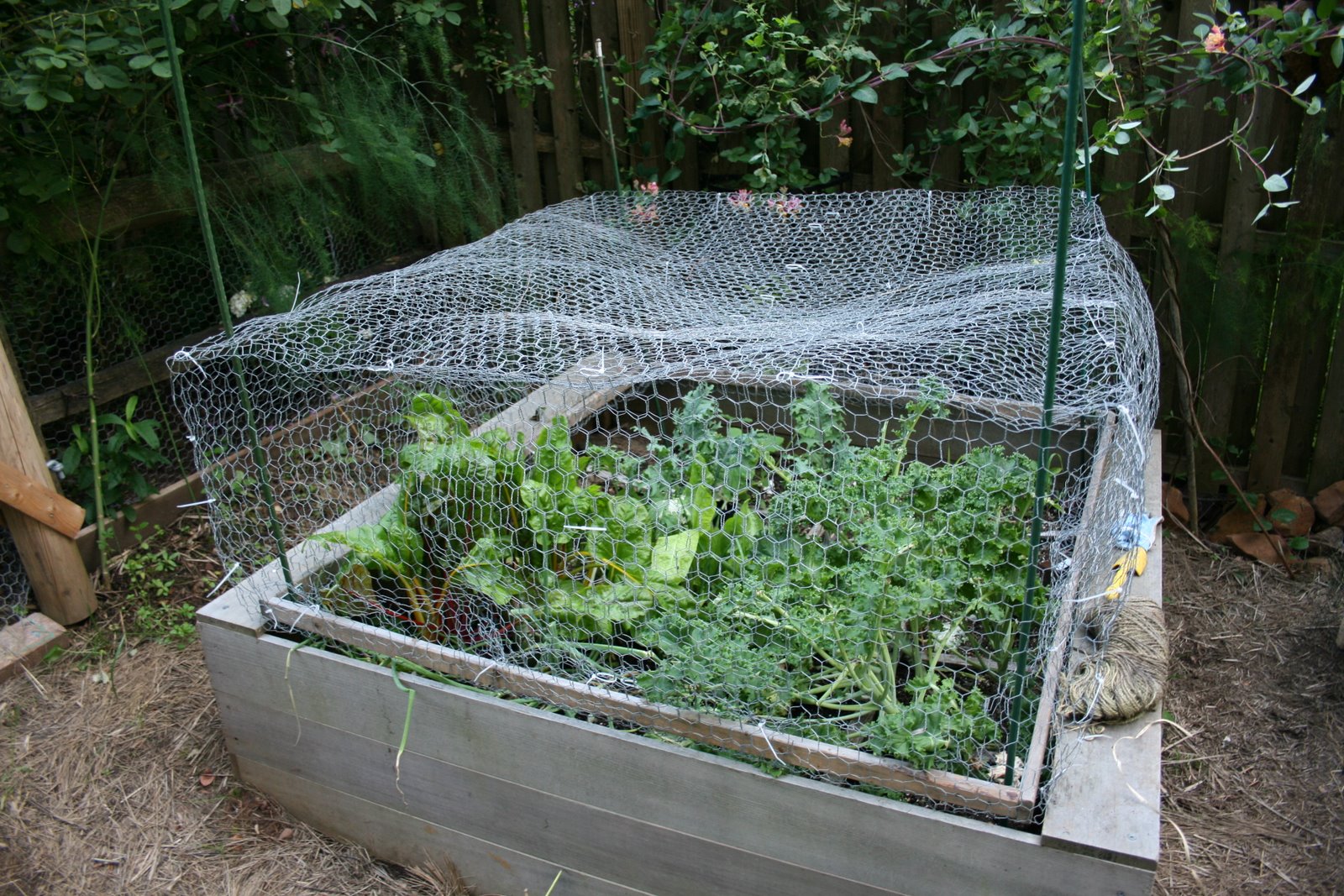
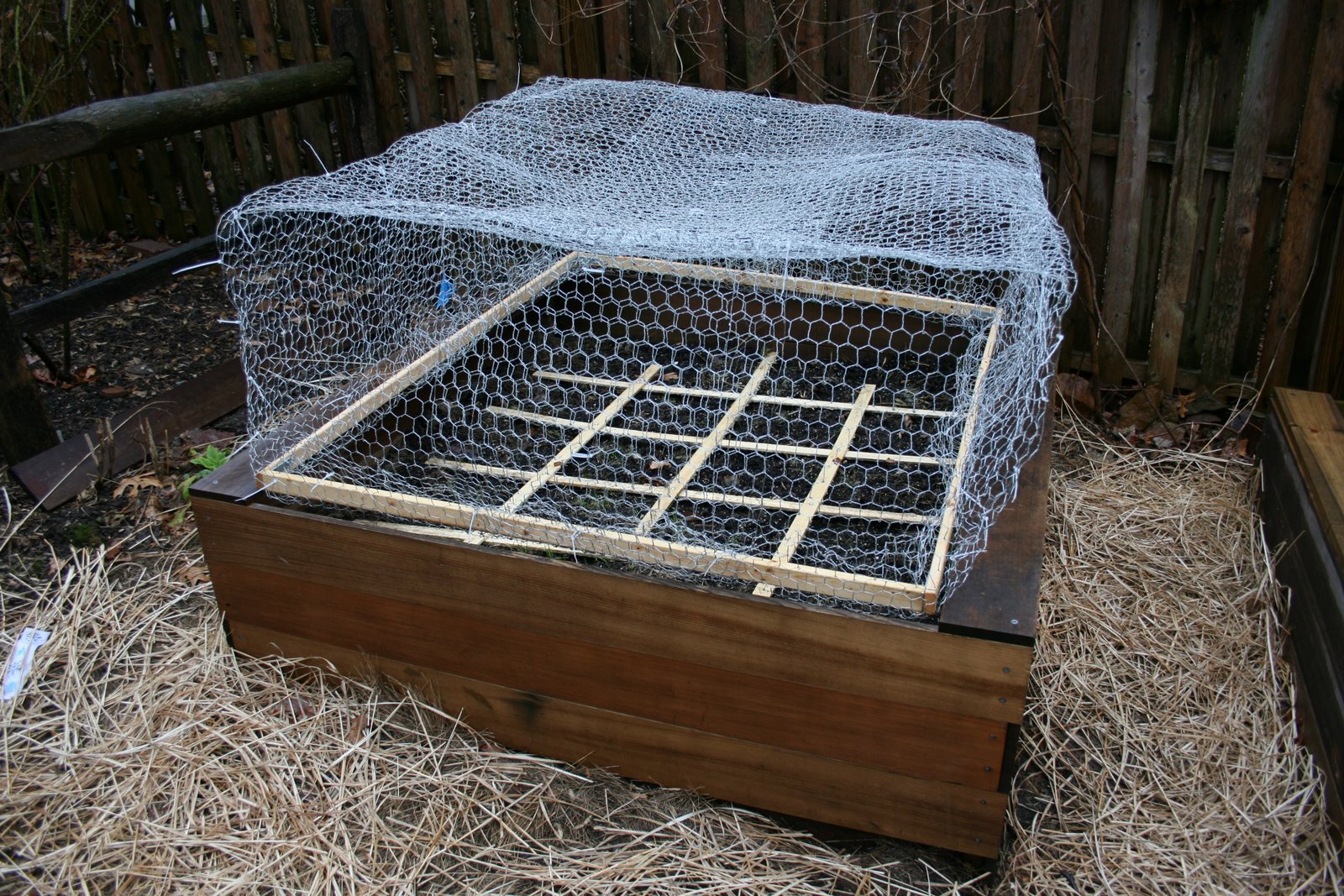
Part 1 of this year’s project was to build a chicken wire fence cover over one of the raised beds with short vegetables. You can read about that here.
.
Part 2 of this year’s project was to reinforce the open post and rail fence with chicken wire and build pest proof gates for the three openings. You can read about that here.
.
After parts 1 and 2 of this project, the first two months of the growing season were pest free with no break-ins from the groundhog. Then, last week, he broke in. I don’t know how he did it, but he did. My poor beans and cucumbers were mowed down. He even had the audacity to push the chicken wire cover off just enough to squeeze in and help himself to some Russian kale. After having such a good start to the season, and seeing the damage he did in a single visit, I must confess that I thought of just giving up. My son responded with my own words: there is no giving up in gardening. I told my husband that he had to do something.
.
How to Protect the Vegetable Garden, Part 3
.
The first part was easy, so easy in fact, I can’t believe we didn’t think of this before. In the four corners of the chicken wire raised bed cover, we put in long stakes. Now, it cannot be pushed over.
.
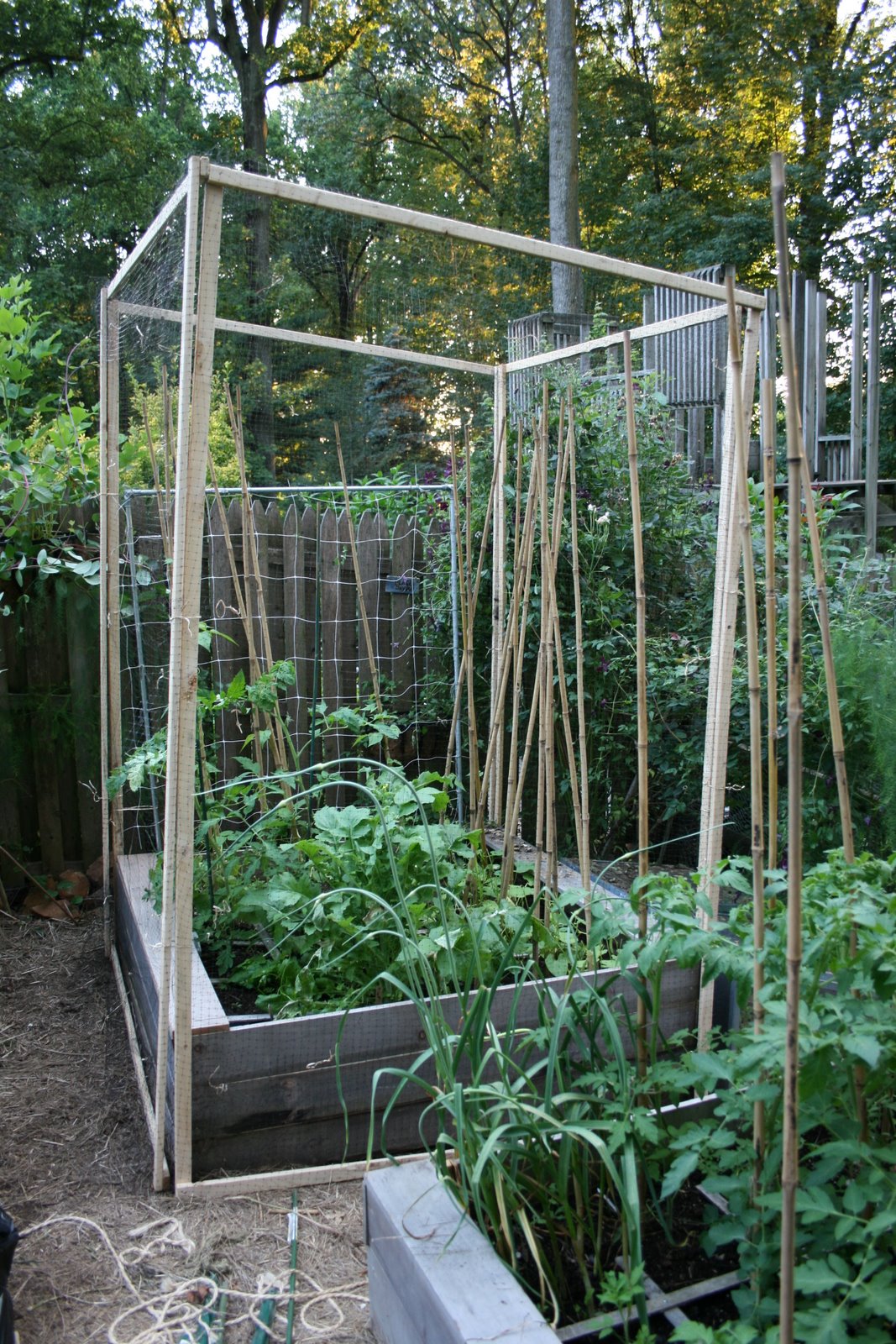
The second part took a trip to the hardware store and more effort. As you see in the picture, my husband built four 5’x8′ screens around each of the other two raised beds that contain the taller vegetables. The two far sides are nailed into the box. The two near sides are tied on with bow ties that can easily be tied and untied for access to the vegetables. Here are some simple instructions that can be adapted to your needs:

a. Buy eight foot 1x2s. We needed four 5’x8′ screens for each raised bed, so my husband needed to buy thirty-two for the two raised beds we wanted to protect.
.
b. Cut your 1x2s to the desired length.
.
c. Nail your 1x2s together to make the frames of your screens. My husband put two 1 1/2 inch nails into each corner.
.
d. Cover your frames with deer fence netting. For such a large area, this is much lighter, cheaper and easier to work with than the chicken wire.
.
e. Nail two screens to the sides of your vegetable box where you need the least access.
.
f. Tie the other two screens to the fixed screens with rope that can easily be untied and re-tied for your access.
.
Hopefully, there will not be a Part 4 of this year’s story.

How to Protect the Vegetable Garden from the Groundhog, Part 2: Adding Chicken Wire and Gates to an Open Post and Rail Fence

When originally conceived, the Children’s Garden was going to be a place to grow creative things with the children, like a tee pee made of vines, which we did the first year, and other beds planted and maintained by the children. Thus, the original fencing around the garden was a post and rail fence with three open entryways without gates, which you can see here. The only part of the garden remaining from that original conception is my older daughter’s flower garden in the upper left hand corner. Over time, the children’s interest in growing vegetables increased, so we replaced the short raised beds with extra-tall raised beds, which you can see and read about here. The extra-tall raised beds improved our vegetable production significantly, but as a result, we also attracted more pests, particularly those hungry, no-good rabbits and groundhogs.

.
At the end of last year, after seeing some of my hard-earned vegetables stolen before we could enjoy them, I resolved to improve the situation for this year. The first step, early this season, was asking my husband to create a chicken wire cover for one of the raised vegetable beds, which you can see and read about here. That has worked great, but it unfortunately does not work for tall vegetables, such as tomatoes.
.
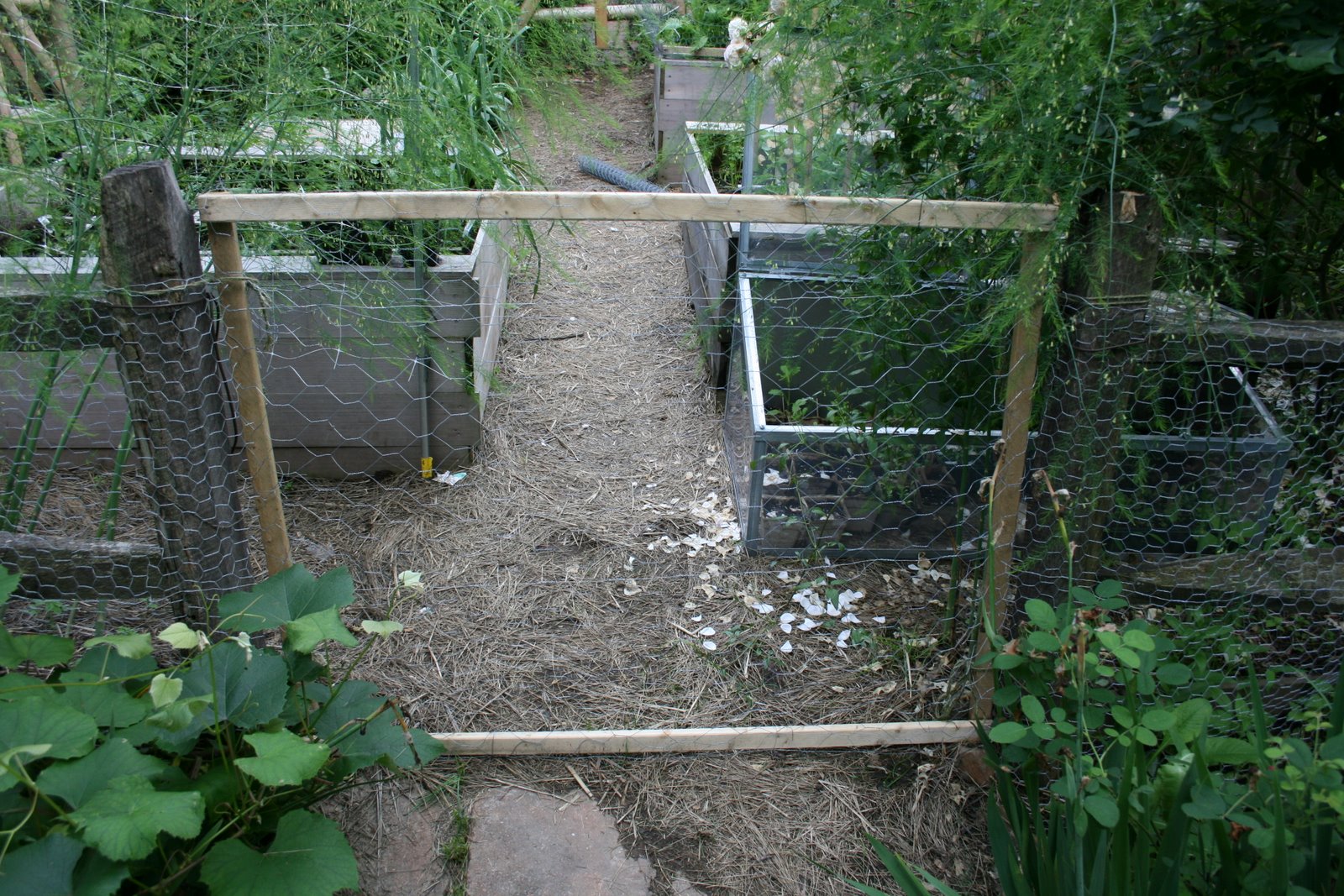
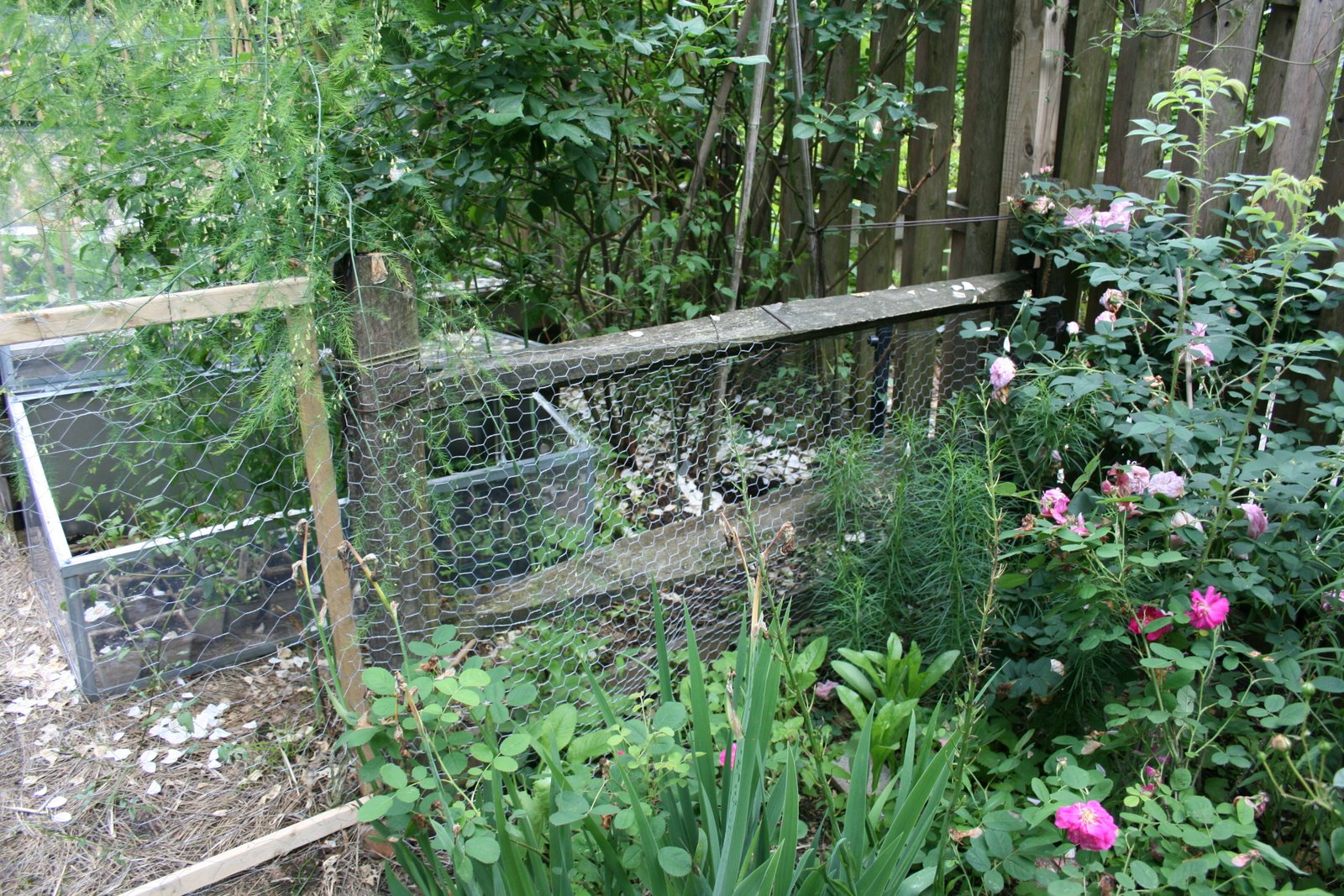
Thus, the second step, completed last month, was asking my husband to pest-proof the fence around the Children’s Garden. We thought of replacing the open post and rail fence, but after considering the expense, decided to work with what we had. We covered the post and rail fence with chicken wire and added built-to-fit gates to the former openings. Below are some of the “after” pictures.
.
On the left hand side, you can see some of the asparagus and grape vines that had to be removed from the fence to install the chicken wire. On the bottom, the chicken wire rests on the ground approximately 6+ inches to discourage any attempts to dig under the fence.
.
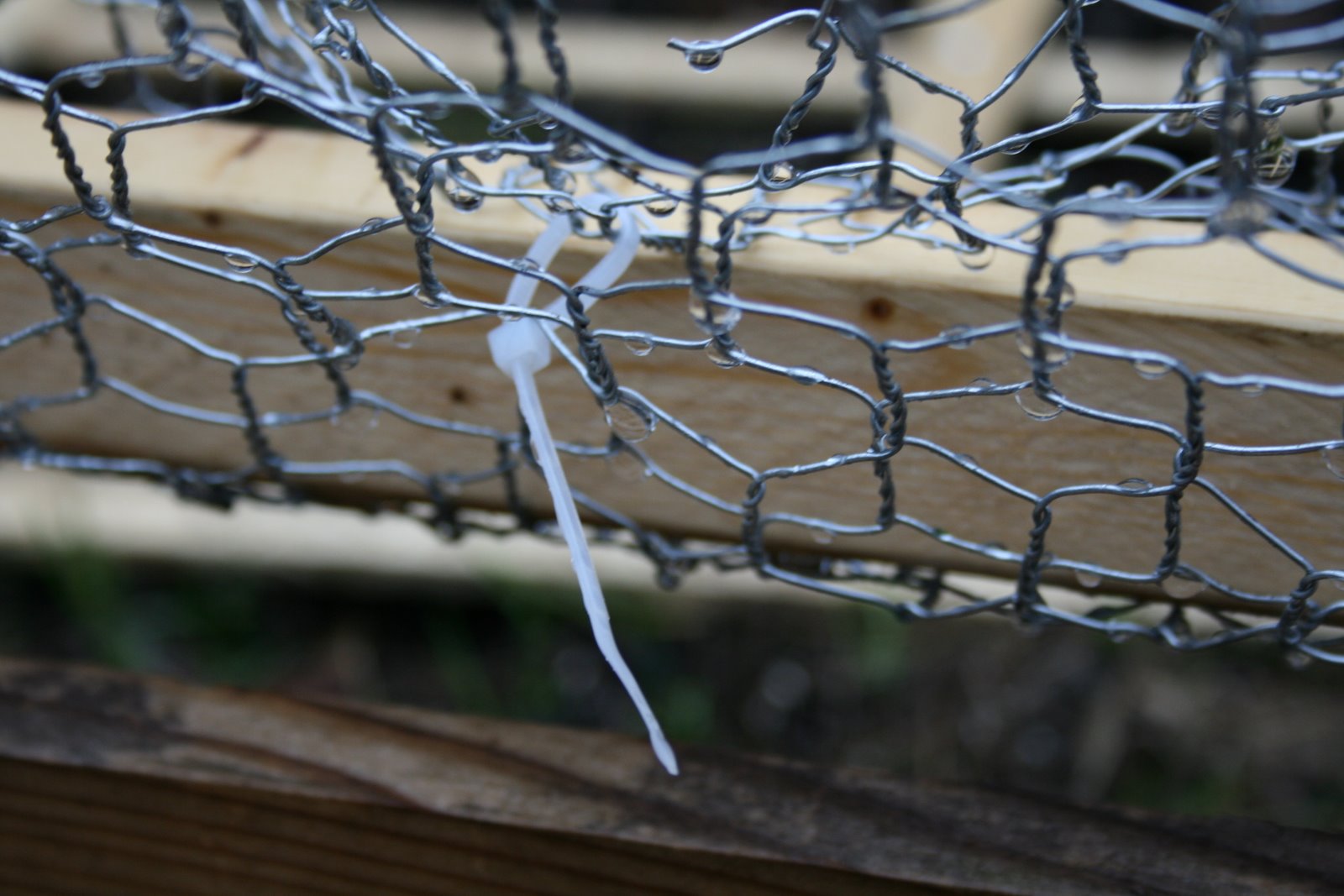
In the middle, you can see the simple wooden gate built to fit the space between the two posts. It is built with the same one by two’s left-over from building the chicken wire raised bed cover. Because I wanted to keep pests from crawling under the gate, it is actually resting on the ground. Instead of hinges, it has long, easy, on-and-off ties on the top and bottom attached to each of the side posts.
.
On the right hand side, the chicken wire runs from post to post, covering the rails, just like on the left hand side.
.
This enclosure was repeated on the left and top sides of the garden. The right side of the garden is enclosed by a proper fence.
.
While it is still early in the season, we have not yet had any break-ins.
.

This Article Really Made Me Laugh: "The Art of Fencing: En Garde!"

From Gerri Hirshey, published in The New York Times:

“EVERY family has its comic tales, and one of our favorites is “Daddy and the Woodchuck.” That Looney Tunes scenario, seared into memory about a decade ago, began with the shrieking of our two children: “Mom, there’s a woodchuck stuck in the fence!”

My husband and I ran out to find the fat fiend about two feet up the vegetable garden fence, with his head and forelegs through the 3-by-5-inch wire mesh and his middle stuck tight. His hind end wiggled desperately. Mommy may have said a few bad words. Daddy grabbed a shovel.”

In addition to the entertaining story, there is some good advice on pest control that you can tell came from a real gardener. For the full article, click here.

How to Protect Vegetables from Groundhogs, Rabbits and Squirrels, Part 1: A Chicken Wire Raised Bed Cover

Dear Messrs. Groundhog, Rabbit, and Squirrel,

My friends over at Gardening Gone Wild asked me to write to you to discuss the status of our current dispute. While I have such a harmonious relationship with so much of the other wildlife in the garden–the birds, the toads, the salamanders–I regret that our relationship has become so acrimonious, particularly as it relates to the vegetables.

While I am flattered that you like the vegetables as much as (or perhaps even more than) we do, I find that your appetites leave something to be desired, namely leftovers. Last year, the garlic spray kept you away from many of the vegetables, but I was disappointed to still find teeth marks on my vine-ripened tomatoes and zucchinis, not to mention the fruitless pumpkin and watermelon vines whose flowers you devoured. I can no longer bear your rude interruptions.

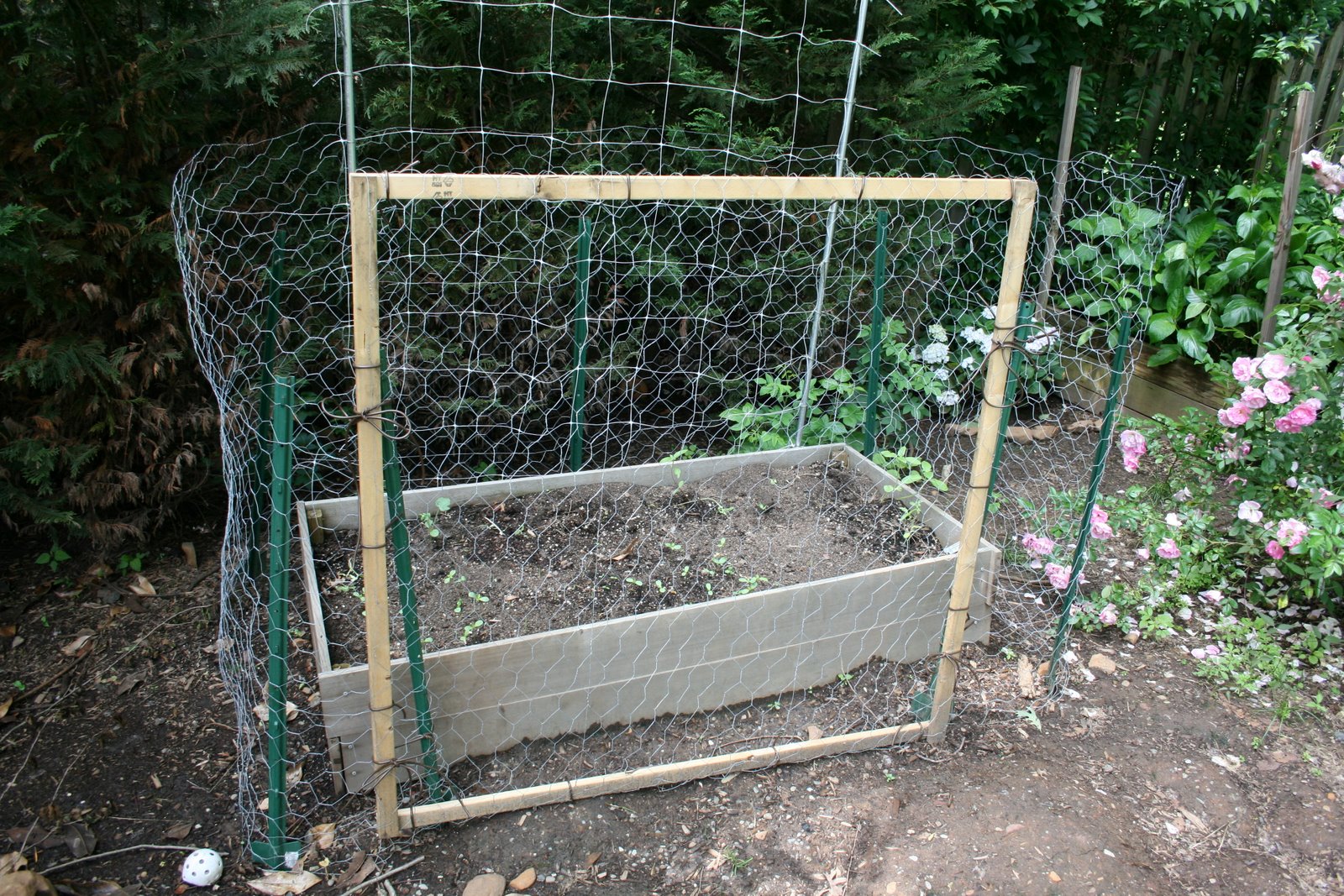
In response, I have asked my dear husband to make a simple, custom-fit chicken wire vegetable box cover to keep you away. What it lacks in aesthetic contribution to the garden, I hope it makes up in efficacy. In the future, please find food elsewhere in the wild or, if I may be so bold to suggest, cultivate your own vegetables.

Best wishes,

Heirloom Gardener
.
UPDATE: Part 2 of this series discusses adding chicken wire around the post and rail fence. Part 3 of this series discusses reinforcements to chicken wire raised bed cover after a break-in.
.
Related posts:

Pets in the Garden: Five Reasons Why Cats Are Great for Gardeners

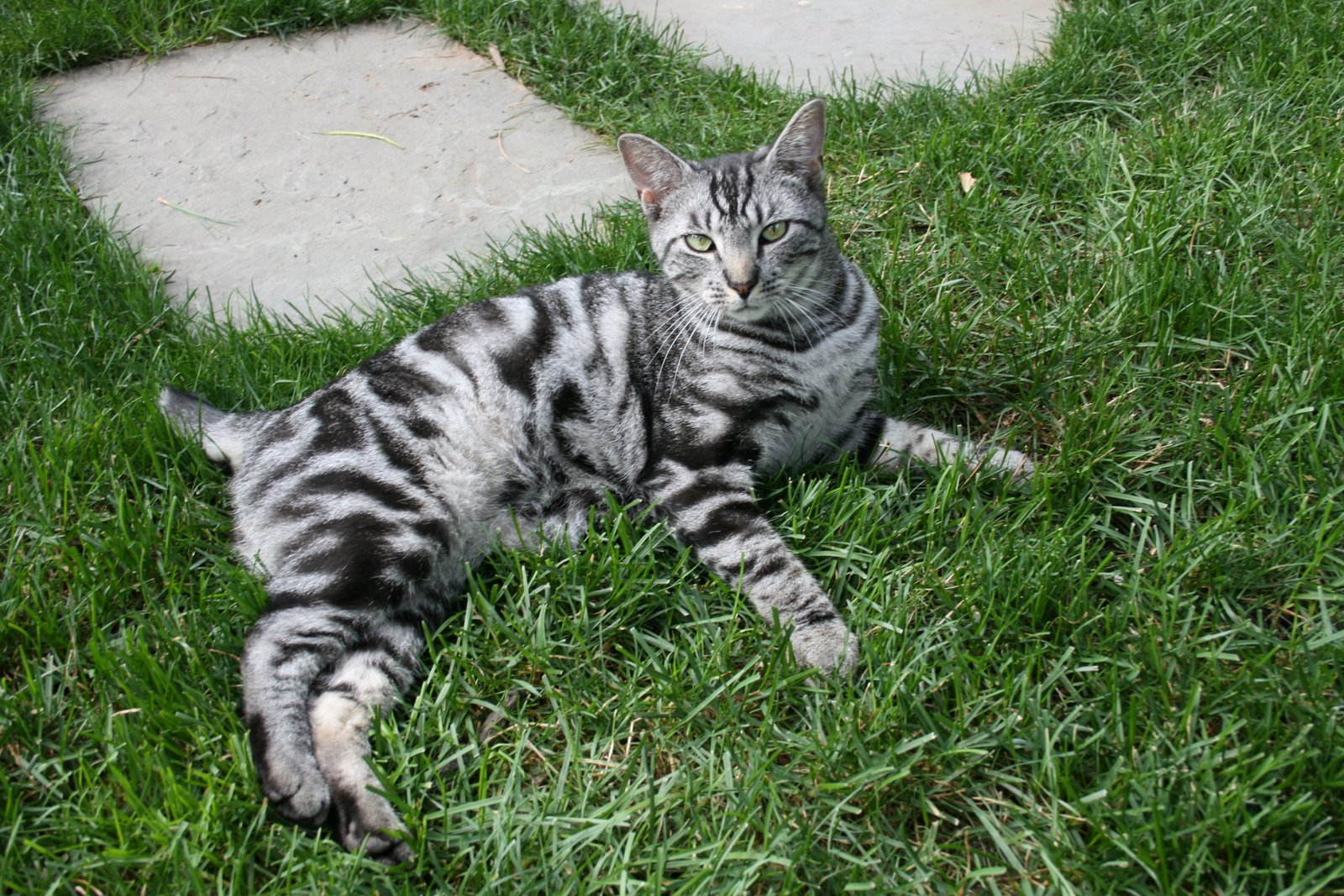
This month’s Garden Bloggers’ Design Workshop at Gardening Gone Wild is on Pets in the Garden. Of course, I think I have the best cat in the world, but who doesn’t think their pet is the greatest? His name is Luna (yes, a little feminine for a tom cat, but we first thought he was a she). For anyone who has any question about whether cats are good for gardeners, here are five reasons why I think cats are perfect for gardeners:

1. Pest Control. My cat has significantly reduced the number of pests in the garden. He is about 18 months old and as he has grown older, his prey has grown larger–he started with small field mice and voles, moved up to chipmunks, and recently caught a squirrel. And for each one he catches, I am sure he scares off many more. I’m hoping he can catch or at least scare off the rabbits, though I’m afraid the groundhog is wishful thinking.

2. Companionship. When out in the garden, my cat follows me around. He quietly observes what I am doing and then wanders off, but always come back.

3. Gentleness. Unlike those other four legged pets that like run through and dig in the beds, my cat is very, very gentle. Yes, he does occasionally chew on some of the ornamental grasses, but pretty much leaves everything else alone.

4. Litter Box Trained. My cat is litter box trained and goes into the house when he has to go. While I’ve never noticed any unwanted deliveries in the garden, we do keep a cover on the sandbox, just to be safe.

5. Child Friendly. Of course, my children love the cat and the cat is quite friendly with them. He lets them hold him and pet him and doesn’t even mind when my toddler tries to boss him around.

Organic Pest and Fungus Control: Garlic Barrier – Yes, It Really Works

Last year, I picked up a pest control recommendation from HRH The Prince of Wales in his book, Elements of Organic Gardening (you can read my previous review here). Garlic Barrier is almost 100 percent garlic oil which can be mixed with water and sprayed on plants, including vegetables. It imparts no garlic taste and it repels both insect and mammal pests. This year, I sprayed it throughout my garden once every other week from April to October.

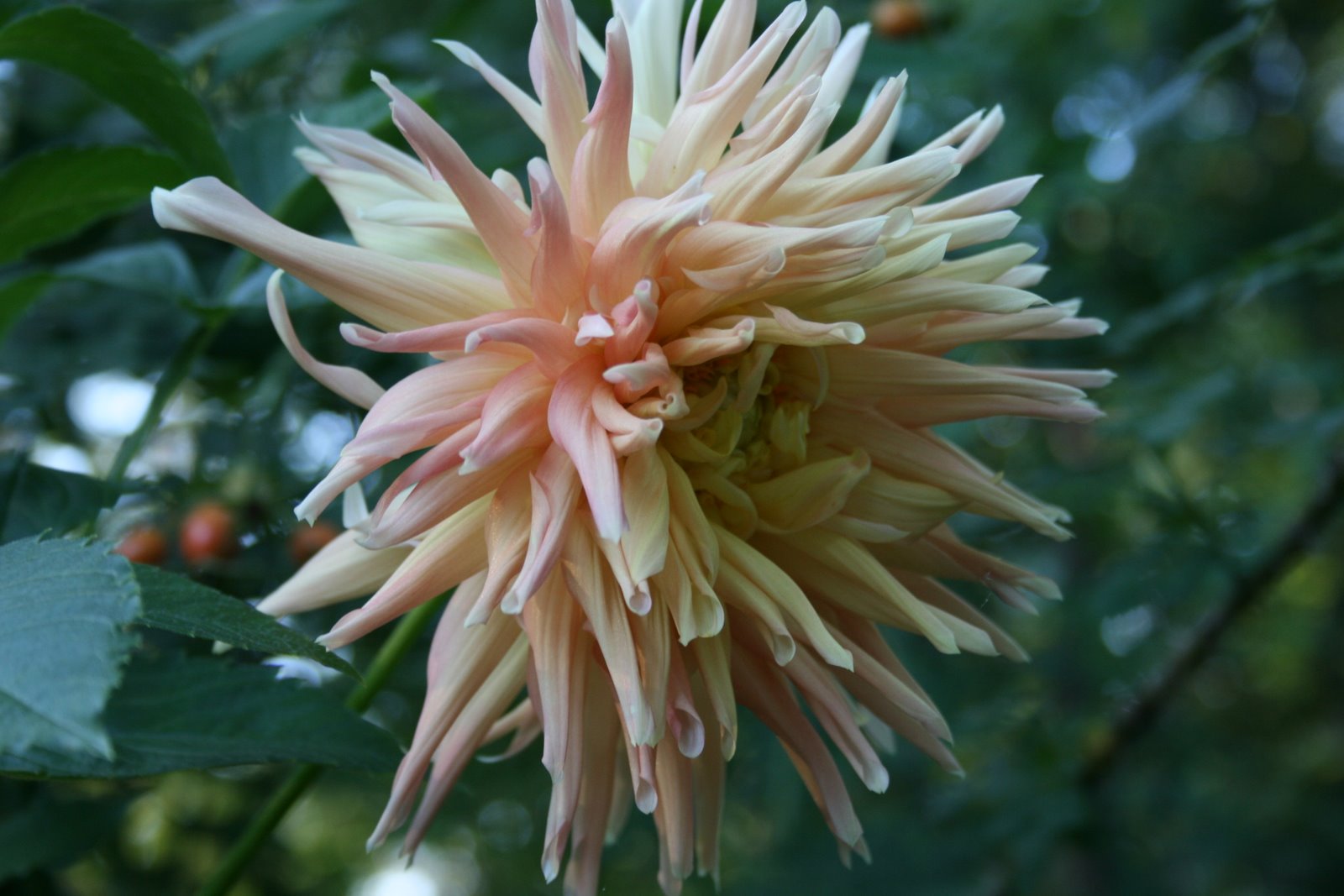
1. Does garlic barrier repel mammals? In terms of controlling mammals, my main concern was the groundhog which likes to eat both vegetables and flowers. My ultimate test was trying to grow dahlias in unprotected areas of my garden. If you don’t know, dahlias are also known as groundhog candy and I have never been able to grow them outside of my fenced-in, groundhog-proof Cutting Garden (you can read about the groundhog-proofing here). This year, I was able to grow dahlias everywhere–in the Front Border, in the Rose Garden, in the Long Border, among other places.

2. Does garlic barrier repel insects? In terms of controlling insects, the garlic barrier significantly reduced the number of Japanese Beetles on the roses throughout the garden. It did not repel the potato beetles on my potato plants, so either it doesn’t work against potato beetles or the potato plants need to be sprayed more frequently (you can read about how we controlled the potato beetles here).

3. Does garlic barrier protect against fungal diseases? Because I grow old roses, I do not have a problem with fungal diseases on most of my roses. However, the Bourbons and Hybrid Perpetuals are susceptible to black spot towards the end of the summer. While garlic barrier is not advertised as fungicide, I thought that since it is used as such in many medicinal home remedies it may work as a fungicide on plants. I found very little black spot compared to prior years. I didn’t have a control patch of roses, so there my have been other factors.

4. Where can you buy garlic barrier? Unfortunately, garlic barrier is not readily available at my local nurseries. I was able to purchase it online from Gempler’s, a great source of all sorts of gardening and other supplies: http://www.gemplers.com/shop/garlic-barrier. I purchased the one gallon container which lasted the entire season. From Gempler’s: “Protect your plants and ornamentals from pest damage with easy-to-use Garlic Barrier. 100% natural deer repellent, rabbit repellent, rodent and insect repellent.”