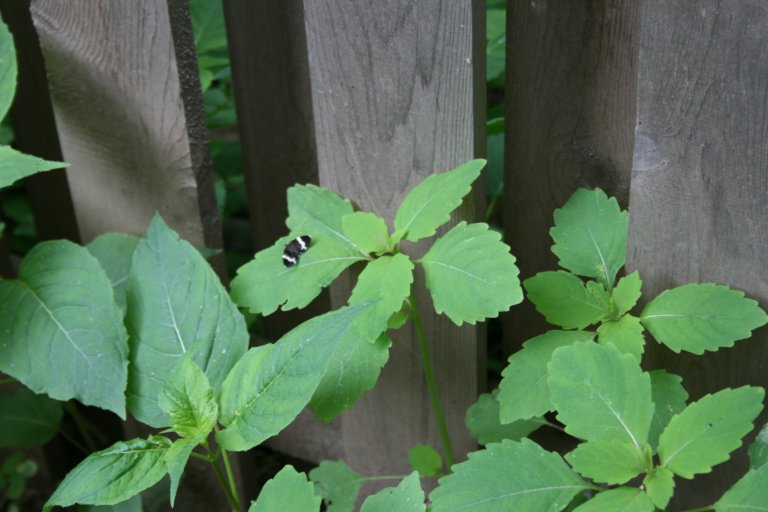
 I saw a tiny (about an inch and a half across) little butterfly that I had never seen in my garden before. As you can see in the picture, she is all black with a distinctive yellow band on her wings. Looking at my butterfly books, she appears to be a Golden-banded Skipper. In flight, given the rapid fluttering and an erratic flight pattern, the yellow band almost looks like a vibrating circle. She didn’t stay still for very long, so was happy that I was able to dash back into the house, grab my camera, and snap this one picture before she said goodbye.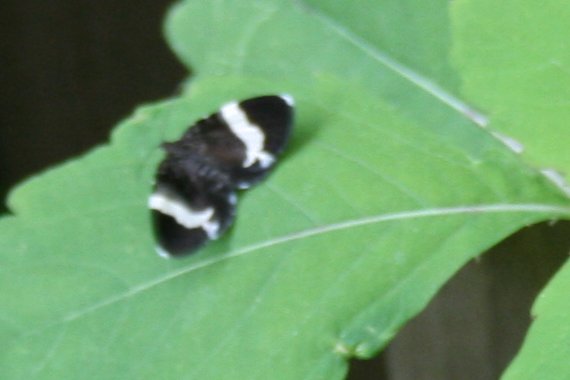
Category: Uncategorized
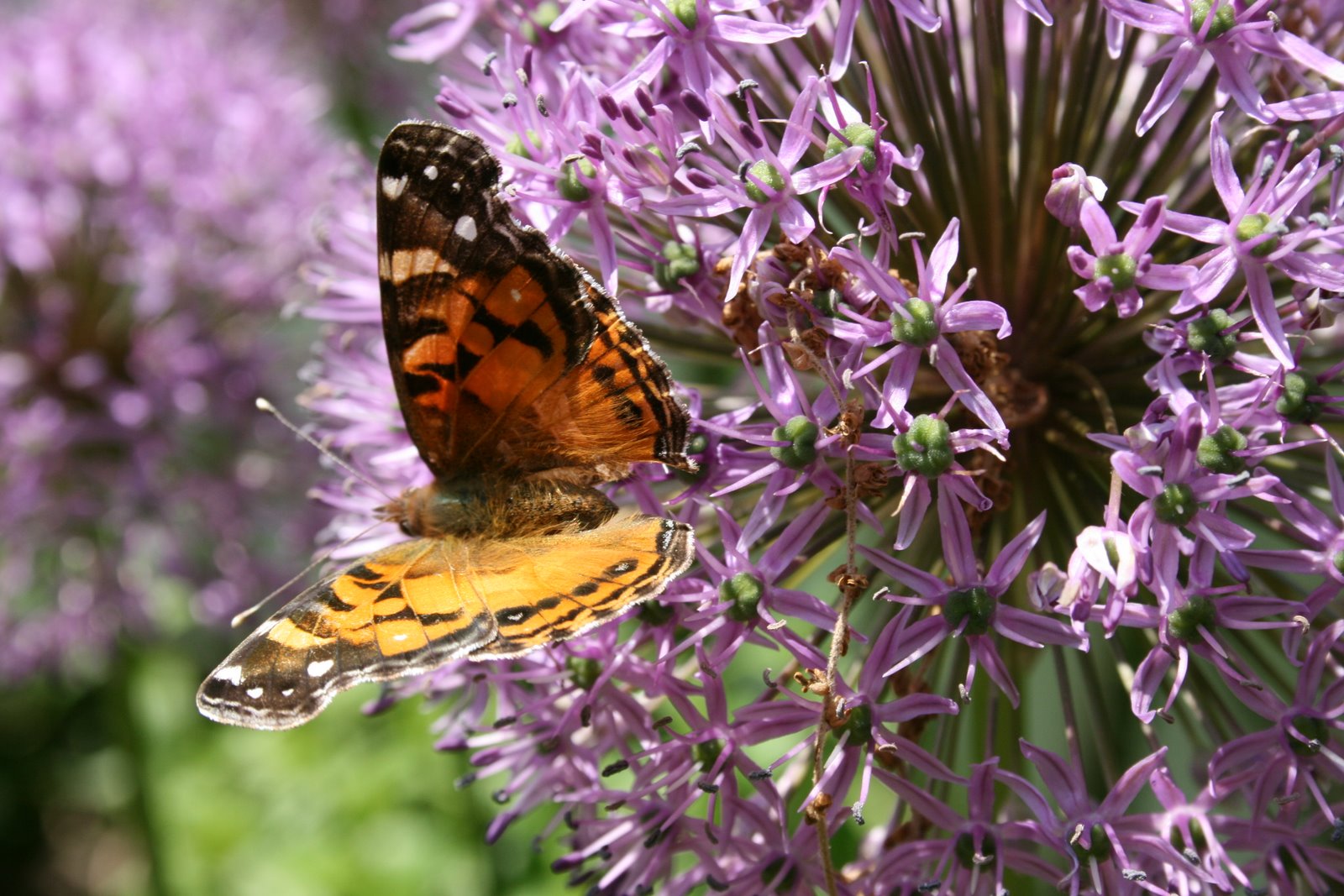
Butterflies in the Garden: Picture of a Painted Lady (Vanessa cardui) on an Allium
Birds in the Garden: Picture of a Tufted Titmouse Nest
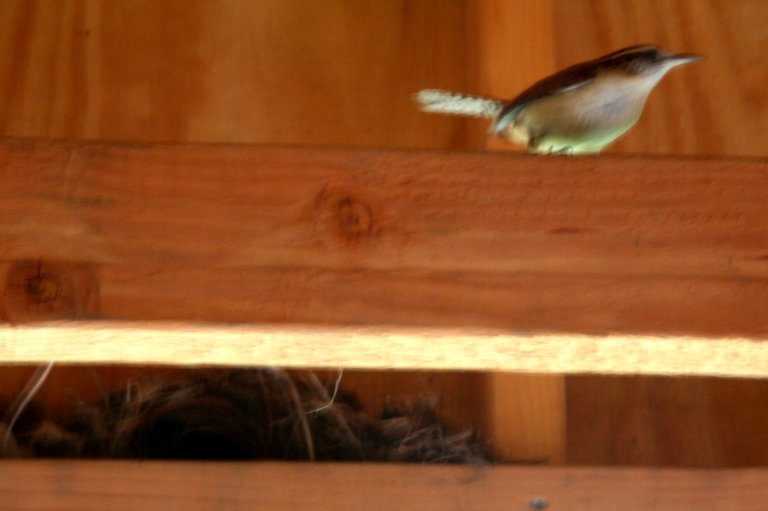
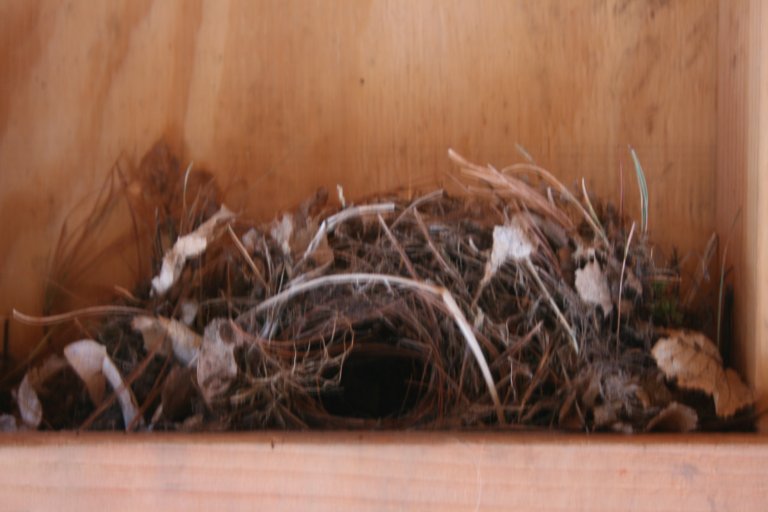 April 29, 2008: Recently, I noticed some birds flying in and out of the children’s playhouse. Upon closer observation, it appears that a pair of tufted titmouses or titmice have built a nest in the framing of the fort against the wall. Interestingly, the nest is oriented horizontally, not vertically, as I am used to seeing in a tree. My husband took this picture head-on (not top-down) without a flash last weekend, but we haven’t been back in recently to avoid disturbing them.
Thyme for Herbs: 10 Blogs That Have Raised The Bar On Garden Blogging
I was surprised and honored to be recognized by Jane Marie at Thyme of Herbs in her list of “10 Blogs That Have Raised The Bar On Garden Blogging.” Janie Marie, thank you for your support and recognition!
Related post: Heirloom Gardener Featured on the Star-Ledger’s NJ.com
Gardening with Children: Ten Tips for Planning a Children’s Garden
Creating a welcoming place for my children and their friends to play and enjoy nature while I pursue my favorite activity is one of the main goals as I develop my garden. After all, the more time they want to spend in the garden playing, the more time I get to garden. If you are planning a children’s garden of your own, here are ten things to keep in mind.
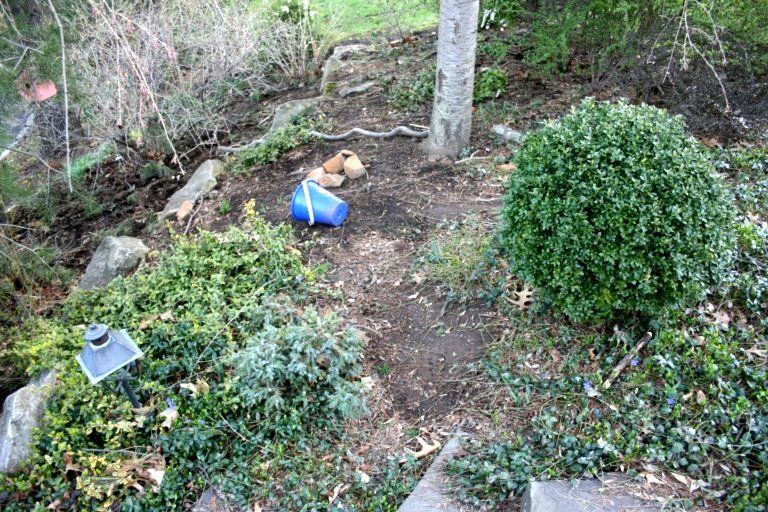
.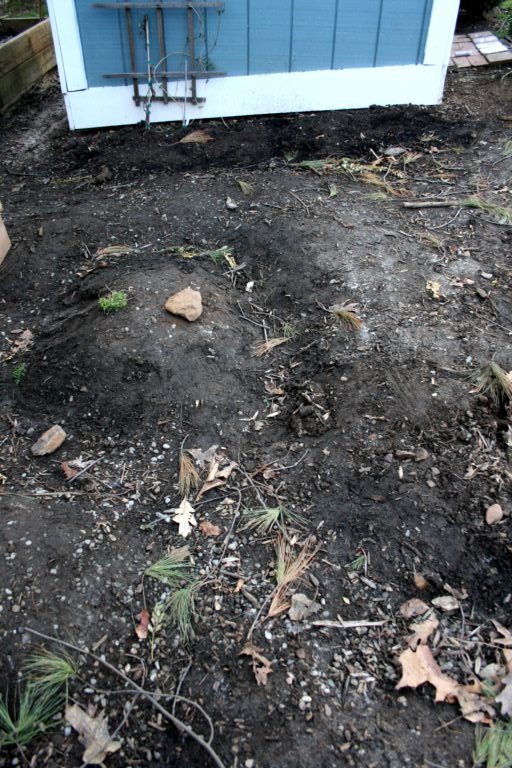 1. Create areas that attract and encourage children to play. In the Walled Garden, my husband built an eight-by-eight foot sandbox. The kids love this, especially because its generous size allows them to build elaborate neighborhoods and landscapes in the sand. Also, around the sandbox is a sitting area for me to relax with them when I want. Adjacent to the sandbox is a digging area (pictured) that my children specifically requested. Children love to dig and get dirty and I do not want to find holes in my lawn or beds, so designating an area for this activity makes everyone happy.
.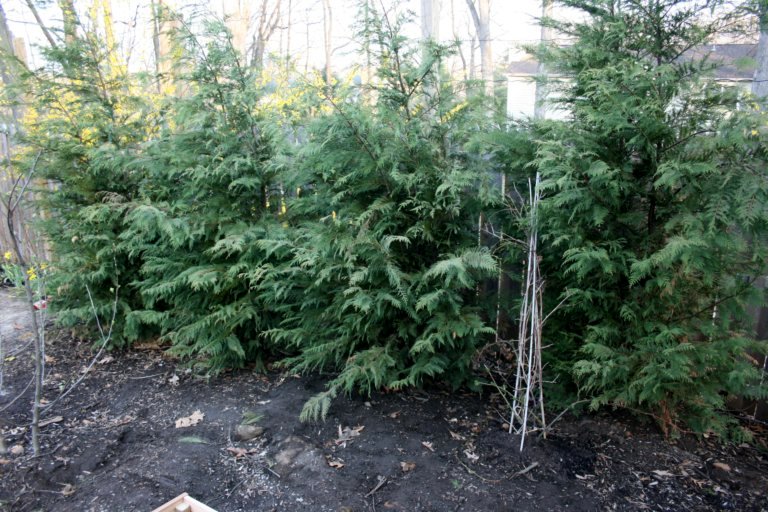 Next to the digging area in the Walled Garden is the fort. Play houses are great outdoor spaces for kids to play and hide. They give children a place of their own within the garden and are the center of many make believe games. Other ideas for play houses that I have seen are weeping trees that can be used as hide outs, sunflower houses, and outdoor teepees. Children want safe places to hide that are secret, but are not scary by being too out of the way or too dark. It reminds me of the toddler that walks away from you, but continues to look back every few steps to make sure you’re still there. Along a section of our fence I planted four Lyland cypresses (pictured) to screen out our back neighbor who just removed a bunch of trees in the back of their property. These cypresses have turned out to be great hiding places, often serving as the ‘secret passage from one land to another’ or the ‘other room.’
. 2. Accommodate the spaces where children naturally gravitate. One of my children’s unexpectedly favorite places to play hide and seek, cops and robbers, and other made-up games is the miniature woodland (pictured) of Goldberry Hill. Here I have planted various shrubs, trees, and evergreens. Along one side of this woodland are tallish evergreens and twiggy shrubs that provide cover and privacy from the street. The other three sides open into the garden. Being in suburbia, my children to do not have the joy of really playing in the woods, but this provides them with a small taste.
.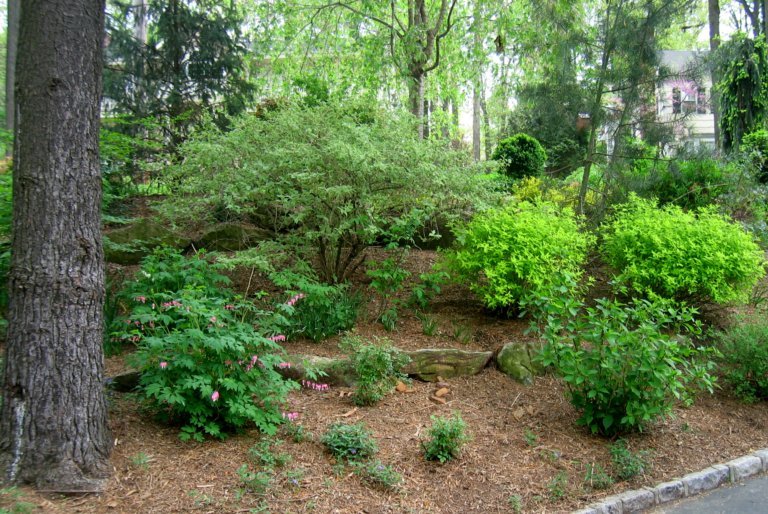 The area reminds me of the old fashioned shrubberies: it includes a climbing tree; shrubs which they can hide under like a mature weigela; airy, open evergreens that they can see through; and large, majestic white pines to sit under. The area is mainly planted with ground cover and daffodils. I keep the ground fairly clear of perennials so the children can fill free to run about among the trees and shrubs without any concern of stepping on small plants.
.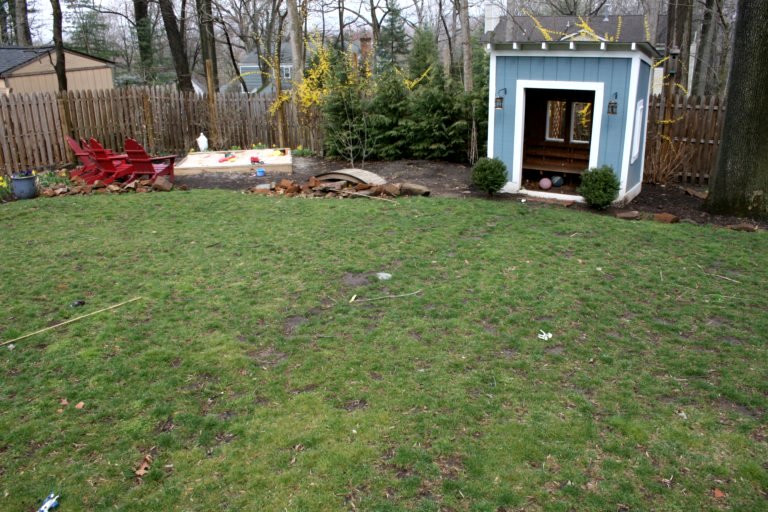 3. Leave some open space. There are some days when I want to plant every conceivable square foot of my property, but in the center of our back garden is an open lawn. I keep the lawn not because I love grass, but because it is a great place to hang our tree swing, play ball and lawn games, or to have a picnic. We also use this area as the place to pitch our tent when we do backyard camping during the summer. For a map of the open spaces and the gardens, click here.
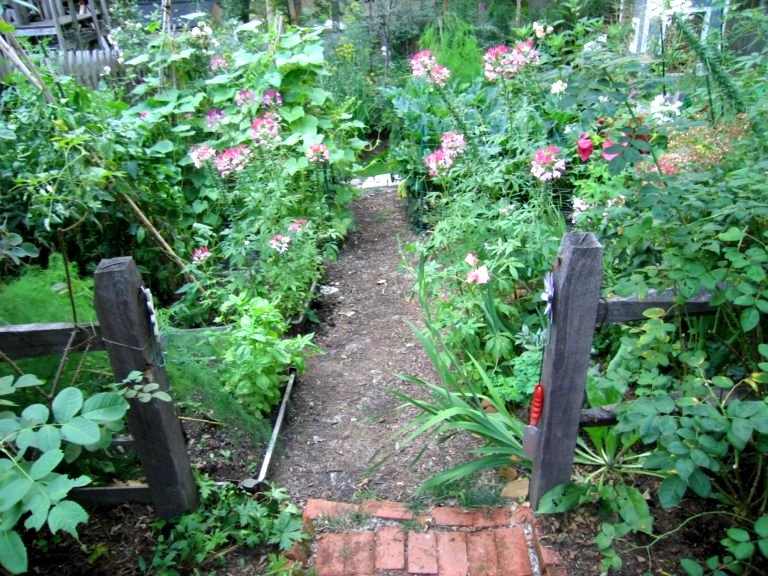 4. Make paths that allow the children to go where they want to go. Having paths in the garden that allow your children to easily and quickly go where they want to go is important if you do not want your beds and plants to get trampled. Some of the paths are grass, others just stepping stones, some mulch (pictured in the Children’s Garden), and others stone. In addition, I have stepping stones within my borders which make it easy to retrieve lost balls or Frisbees without damaging the plantings.
.
 5. Allow and encourage your children to garden with you. The importance of having children grow and tend plants within the garden cannot be over emphasized. It gives them great joy and a strong sense that this is their garden. Growing vegetables is an obvious place to start. Baby tomatoes, lettuce, sugar snap peas, pole beans, carrots, and cucumbers are all easy to grow, can be picked frequently, and eaten with little to no preparation. In the garden, you can grow unusual, heirloom varieties that are not at the grocery store. For example, my children love to grow lemon cucumbers (pictured) which look like a lemon, but taste like a cucumber. In addition, we usually grow several different leaf lettuces like Amish Deer Tongue or Red Velvet.
.
I also try to accept their help whenever they offer. I know that sometimes is won’t be done ‘right’ and it will often take twice as long. Yet, the satisfaction they get from doing the job is beyond measure. I fondly remember how my son planted a baby lilac in a one gallon pot we bought from Doc Lilac in Rochester, New York. He must have been only five, but he dug the hole and planted it without any help from me. My son with pride recalls this every year when the lilacs come into bloom.
.
6. Allow them to cut flowers. Making bouquets of cut flowers is another way my children enjoy the bounty of the garden. They love making vases for our home and to give to friends. Inspired by Chanticleer, I always keep a large bowl filled with water in which we can float flowers and foliage from the garden. Even the youngest child can pick flowers by hand and create a floating arrangement. The children also know that they can use leaves and flowers from the garden in their games also. If they are having races, they feel free to make little crowns out of boxwood for the champions. They will use leaves to make landscapes is the sandbox. Our only rule is never always take from the same plant.
.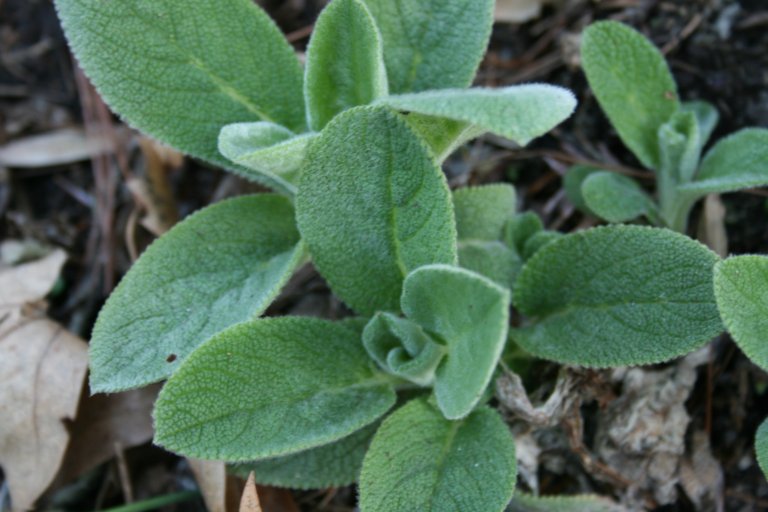 7. Plant to engage all of your children’s senses.
.
*Touch – everyone loves stroking the leaves of lambs’ ear (pictured) or verbascum bombyciferum
.
.
*Smell – scented leaves (costmary, mint, monarda, lavender) and flowers (roses, valerian, tuberose, daffodils, some irises, peonies, sweet bay magnolia, phlox, winter honeysuckle, abelia, hosta plantangiana, and lilies) are favorites
.
.
*Time – plants that tell time are fascinating for children, such as morning glories, moonflowers, four o’clocks, evening primrose, and daylilies
.
.
*Size – large leaves (brunnera, elephant ear) and flowers (sunflowers, dinner plate dahlias) are fun for kids
.
 8. Attract birds and butterflies to the garden.
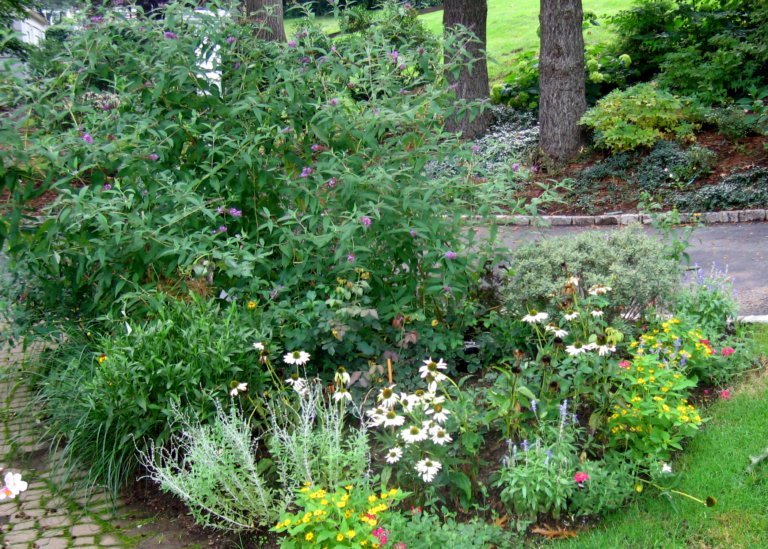 8. Attract birds and butterflies to the garden.
*Gold Finches – purple coneflower, sunflowers
*Hummingbirds – honeysuckle, monarda, salvia, cardinal flower
*Butterflies – butterfly bush (pictured), phlox, daisies of all sorts, catmint, and lavender
.
*Swallowtail and Monarch Caterpillars – butterfly weed, dill, and rue (the children love seeing them grow and mature until they make their chrysalis and become butterflies)
*Swallowtail and Monarch Caterpillars – butterfly weed, dill, and rue (the children love seeing them grow and mature until they make their chrysalis and become butterflies)
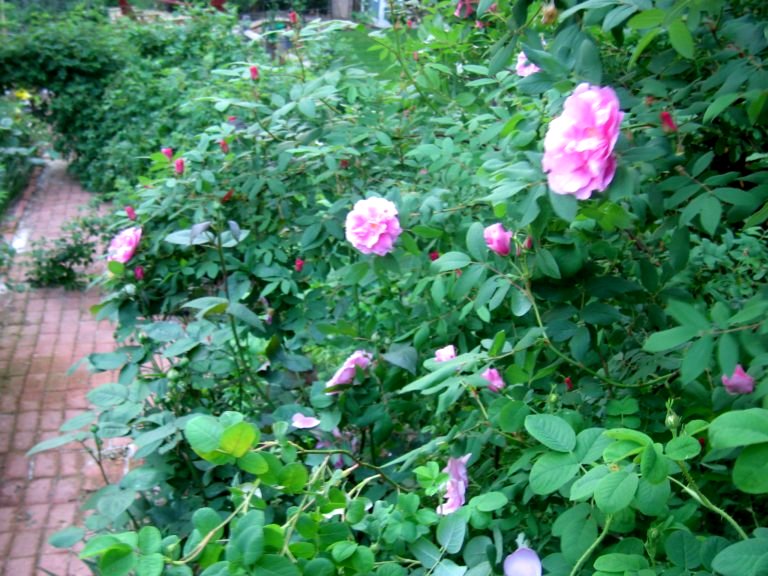 9. Plant something in honor of each child. With the birth of a child, I always plant a rose in their honor. As they grow, they develop an attachment to it knowing that this is their rose. Pictured is my fourth child’s rose in the Rose Garden.
.
10. Read some books on Children’s Gardens. Some inspiring books on the subject are Molly Dannenmaier’s A Child’s Garden and Sharon Lovejoy’s Roots, Shoots, Buckets & Boots and Sunflower Houses.
Garden Planning: A Map of My Gardens
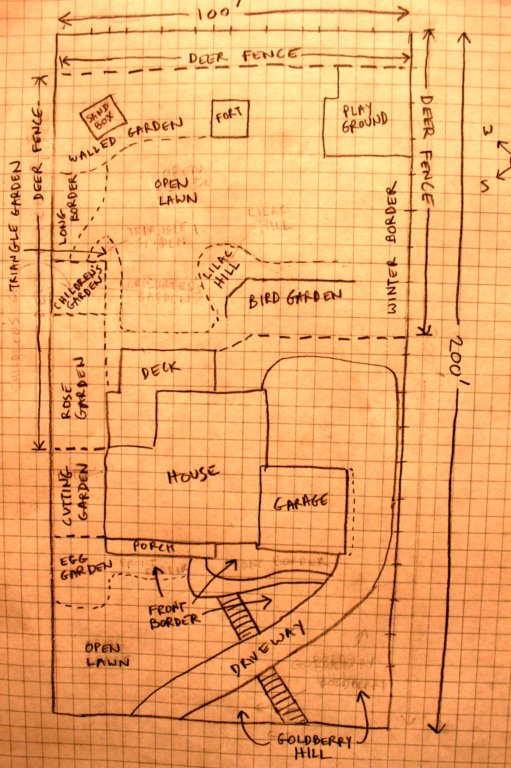 Over the past seven years, I have tried to make the most of every available space in which to garden on our property. In response to some reader requests about how I fit so many different gardens on less than half an acre and for my own garden planning, I asked my husband to draw a map of our property highlighting the various gardens.
The entire space is 100 feet wide and 200 feet deep. The front of our home faces southeast towards the street. The street is the highest point on our property and from there slopes downward. The map is drawn roughly to scale, each square representing five feet.
In the front, gardens welcome visitors as they walk down to our home: Goldberry Hill, the Front Border, and the Egg Garden.
On the side, gardens occupy previously unused space: the Cutting Garden and the Rose Garden.
In the back, gardens border a large open lawn where the children play (clockwise from the Rose Garden): the Children’s Garden, the Triangle Garden, the Long Border, the Walled Garden (includes the sandbox and is bordered by the fort), the Winter Border (this year’s major garden installation), the Bird Garden, and Lilac Hill. The custom deer fence completely encloses all of these gardens and the Rose Garden.
Related Posts: How to Keep a Garden Journal and Creating Space for a Garden – the Cutting Garden
Garden Blog Highlights
For some new and inspiring winter garden photographs, check out Country Gardener (http://countrygardener.blogspot.com/2008/02/ice-storm-then-snow-storm.html) and View from Federal Twist (http://federaltwist.blogspot.com/2008/02/my-wet-prairie-in-february-turning.html).
For those of you who love lists of plants, Gardening Tips ‘N’ Ideas notes “Val Bourne from the UK’s Telegraph has boldly gone where no other garden journalist would dare tread – creating her list of the Top 100 Plants Every Garden Should Have” (http://www.gardeningtipsnideas.com/2008/02/100_plants_every_garden_should_have.html).
For fans of living sculptures, Rurality has compiled some amusing photos of mud men and moss maids (http://rurality.blogspot.com/2008/02/of-mud-men-and-moss-maids.html) and Ellis Hollow displays a whimsical cow (http://www.remarc.com/craig/?p=339).
Lastly, for those of you who like to knit when you can’t garden, You Grow Girl has a great post on knit vegetables (http://www.yougrowgirl.com/thedirt/2008/01/31/knit-a-beet/).
Renegade Gardener Blog: The 10 Tenets of Renegade Gardening
Renegade Gardener is a gardener after my own heart. He lives “in Minnesota, a state crisscrossed by USDA Hardiness Zones often given short shrift by national gardening books and magazines.” His 10 Tenets are funny and full of heard-earned gardening wisdom (http://www.renegadegardener.com/content/ttenets.htm). They make me ask myself: how can I replace the grass on the hill in my backyard? should I cut down the oak tree in the front? how can I start thinking of September as a summer month?
Plant Delights Nursery & Heirloom Hostas
January. Oh, sweet January. Finally, the catalogs come. I love gardening catalogs not only to see if some plant on my most wanted list is available, but also for all the information. My favorite garden catalog and website is that of Plant Delights Nursery in Raleigh, North Carolina (http://www.plantdelights.com/). The nursery specializes in perennials and has a particularly large selection of hostas. The website is a gold mine of information. The descriptions of the plants are full and give great information about heat and humidity tolerance as well as what are the plant’s tendencies–a spreader or stay putter. The catalog is so informative because they do a lot of research and testing themselves.
They are also able to offer many hard to find plants because of their relationships with other plantsmen and propagation efforts. They make available many plants that are difficult to propagate or are time consuming to grow. All plants are grown in containers which helps ease their transition into the garden.
Also, on the website you can find horticultural articles. Last August, I ran across an amazingly fragrant, double hosta at Willowwood Arboretum in Chester Township, New Jersey (http://www.parks.morris.nj.us/aspparks/wwmain.asp). On the Plant Delights website I found a great article on fragrant hostas which discussed their history and identified named, fragrant cultivars.
The proof in the pudding comes in the spring when you receive your shipment of plants. Plant Delights sends out good sized, healthy plants that have been packed with a lot of care. Every plant I’ve ordered from them has had no problem settling into the garden, even the new ones that were damaged from the fallen oak tree clean up appeared the next year even more robust.
 Heirloom Gardener