Ten Tips for Starting an Employee Garden

As a follow-up to my post “WSJ: Adding a Vegetable Garden to a Small Business,” Twisted Limb Paperbacks, one of the businesses featured in the article, has a blog post, Ten Tips for Starting an Employee Garden:

“Twisted Limb Paperworks is a recycled handmade paper and invitation business in the countryside of South Central Indiana. We started a company garden last year, as a benefit to employees who at the time, had to reduce their hours and forgo raises. Everyone enjoyed getting their share of produce so well, that this year we increased the plot to 30×50 feet. We grow ten different herbs and twenty-four different vegetables, many of those in several different varieties. I’ll admit that it’s a lot to manage for the five of us. We certainly haven’t taken our own advice about starting small and easy, but that’s OK. It’s my pet project and I absolutely love it…”
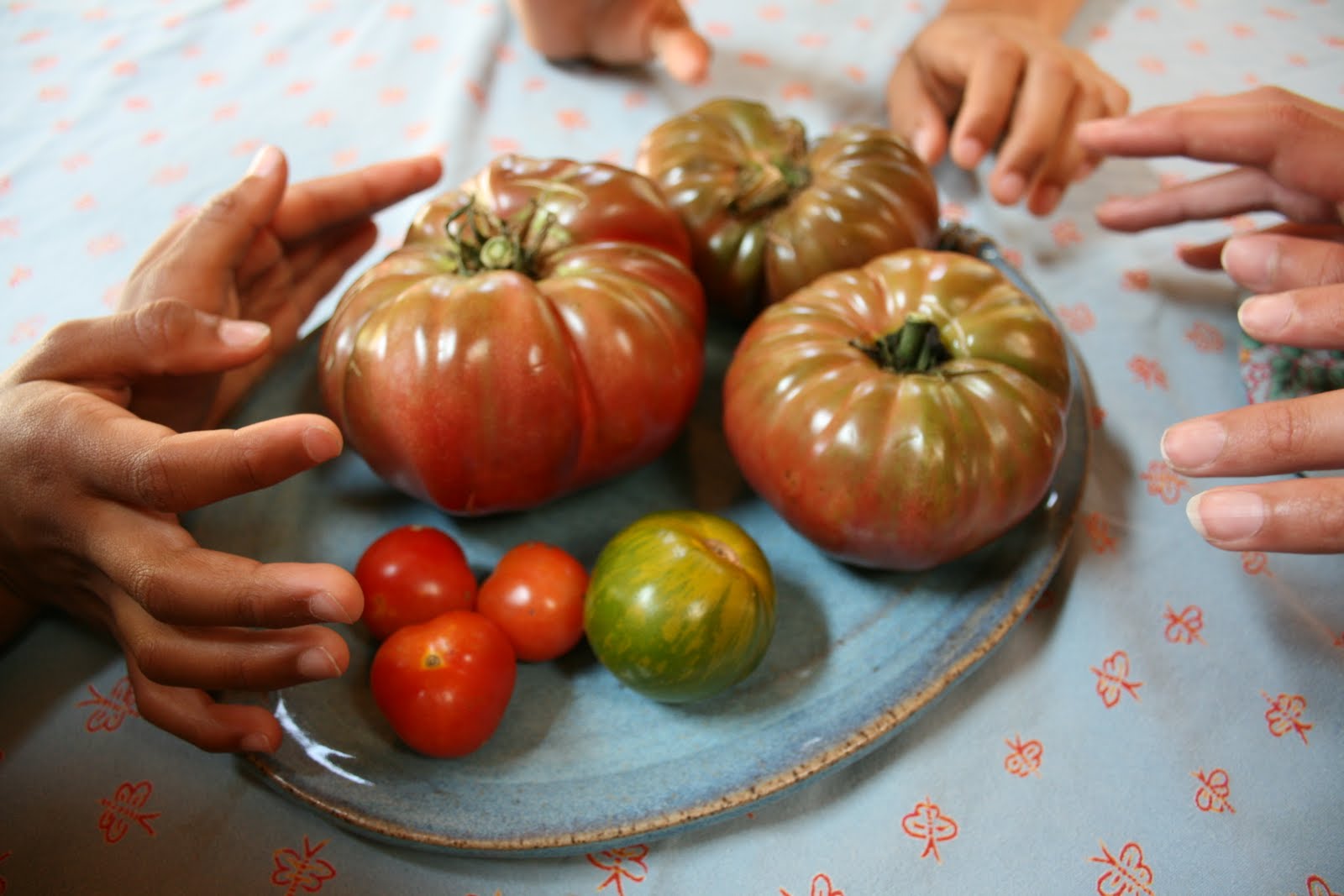

Some of This Year’s Heirloom Tomatoes

As readers of this blog know, I am primarily a flower gardener. However, the children love growing and eating vegetables, so the Children’s Garden is now primarily a vegetable garden. Each year, I learn more about growing heirloom vegetables, but my yields have been limited due to the pests who like to eat our vegetables before we do. This year, we built eight foot tall screens around the raised beds and have been rewarded with our best harvest yet.

A Summer Visit to the New York Botanical Garden (NYBG): the Four Season Border by Piet Oudolf

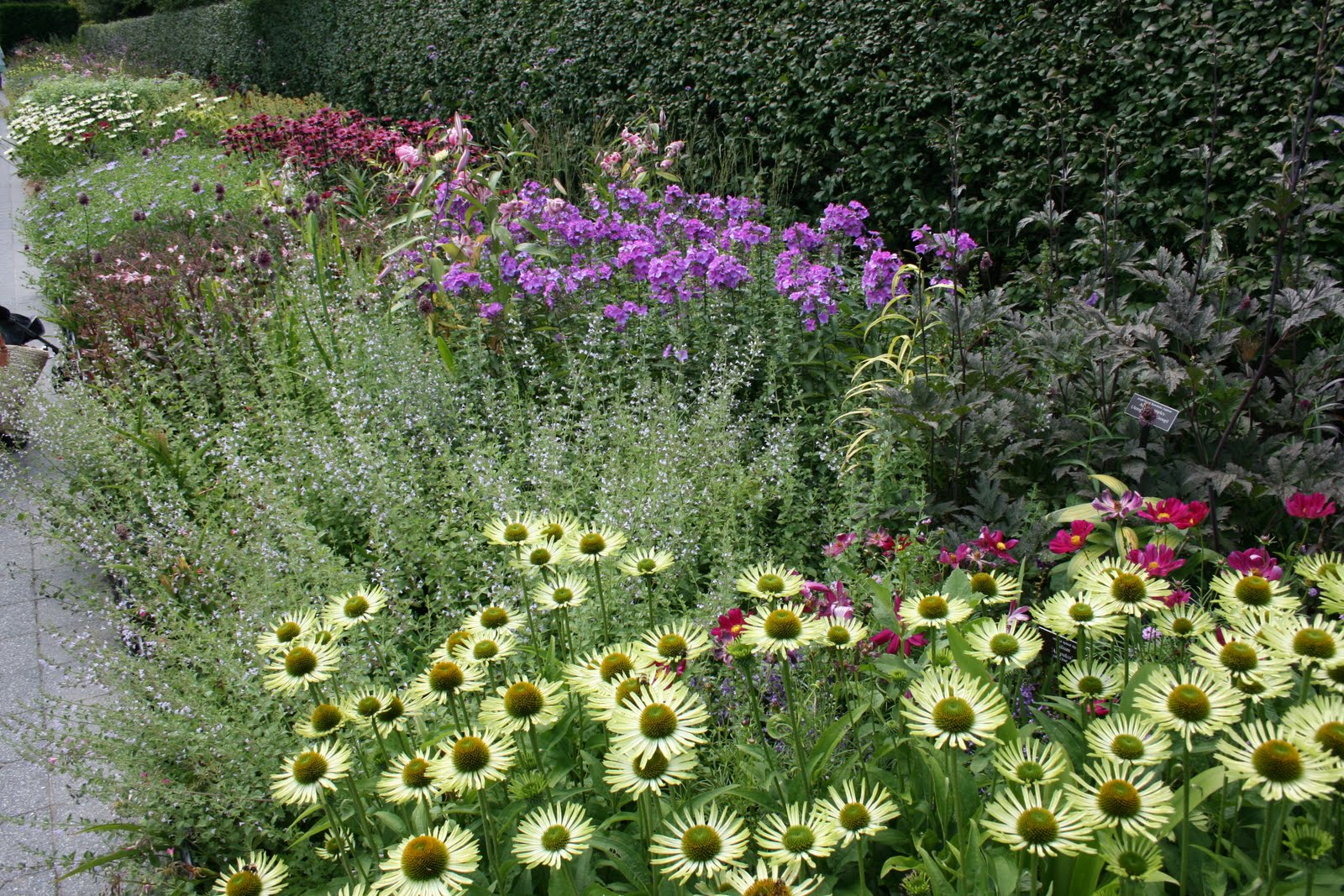
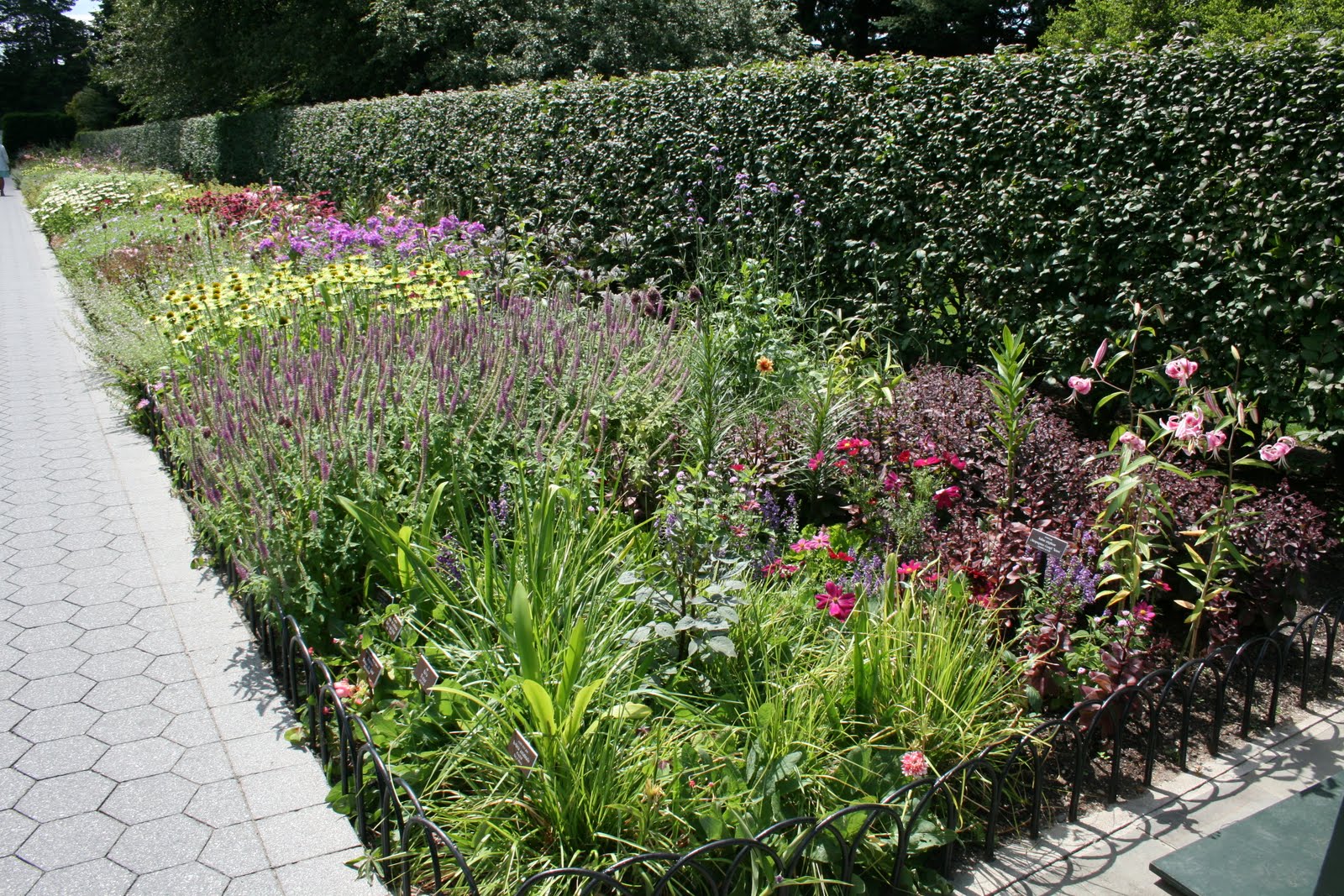
I was reading The New York Times when a photograph from the New York Botanical Garden caught my eye. It was in an article by Anne Raver about the new Four Season Border designed by Piet Oudolf and it was almost the exact same picture that I took a couple of weeks ago.
.
According to the website for the garden (www.seasonwalk.com):
.
“In 2008, The New York Botanical Garden invited two international garden design superstars, Piet Oudolf of Hummelo, NL and Jacqueline van der Kloet of Weesp, NL, to create a custom four-season garden installation to delight New Yorkers. Both designers are known for sophisticated plant mixes, an artist’s eye for form and color, and complex naturalized plantings that evolve over the seasons.”
.
The Seasonwalk website includes photographs of the every-changing border every couple of weeks. Check out The New York Times photograph here.
.
Related posts:

WSJ: Adding a Vegetable Garden to a Small Business

Here’s an innovative employee benefit: the company vegetable garden. From Raymund Flandez of The Wall Street Journal:

“Some small companies seeking an extra benefit for their employees are turning to their backyard for inspiration: a vegetable garden.
.
After laying off an employee, cutting hours and discontinuing raises, Sheryl WoodhouseKeese, owner of Twisted Limb Paperworks LLC in Bloomington, Ind., invested $600 last fall to create a 1,500-square-foot garden outside the recycled paper-products company’s office. Now, her four employees can take home their pick of 10 herbs and 22 vegetables.
.
“The garden really is a nice benefit, saving them on their food bills,” said Ms. WoodhouseKeese, who estimates the garden has meted out $2,400 in produce this season, from tomatoes to potatoes.”

For the full article, click here.

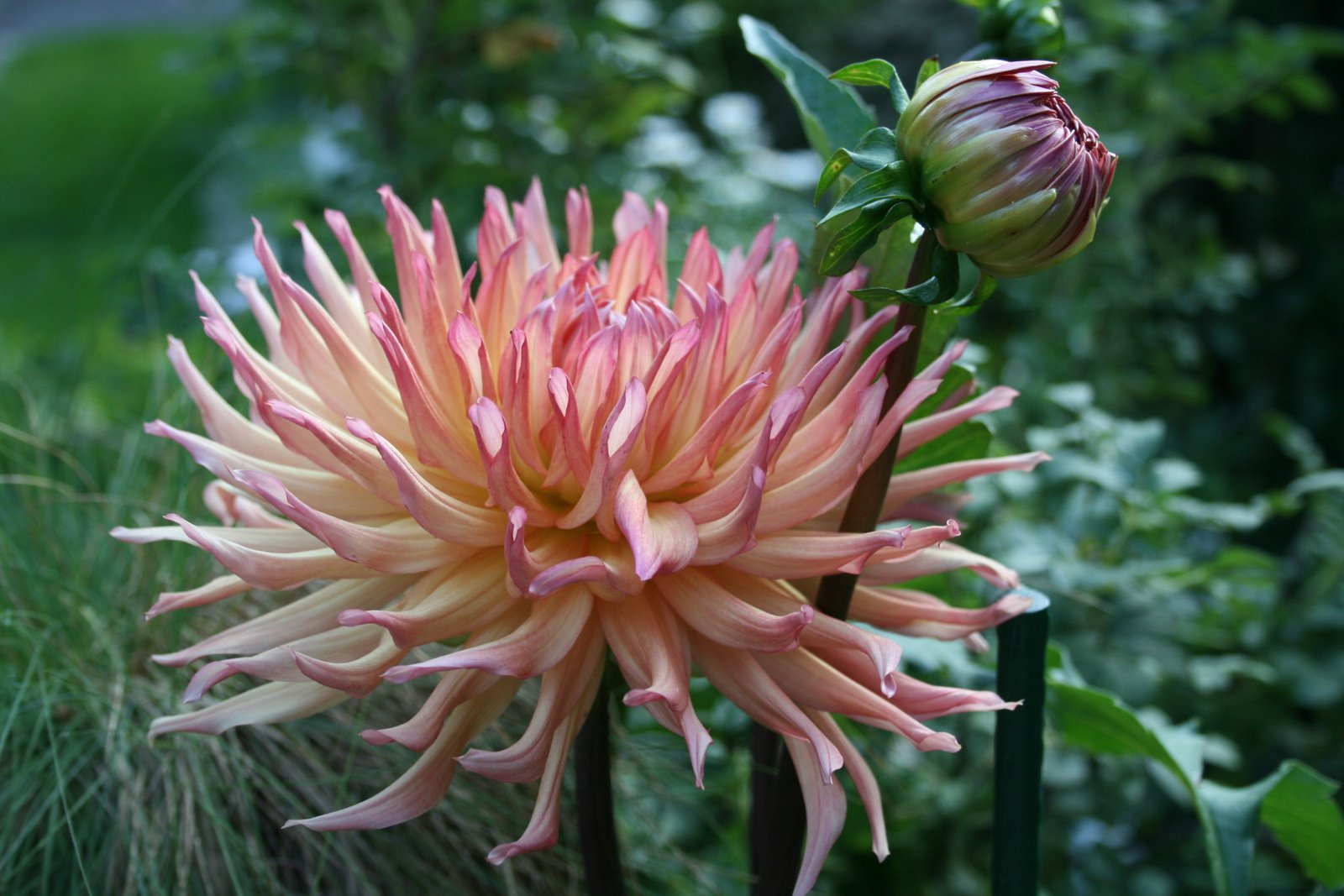
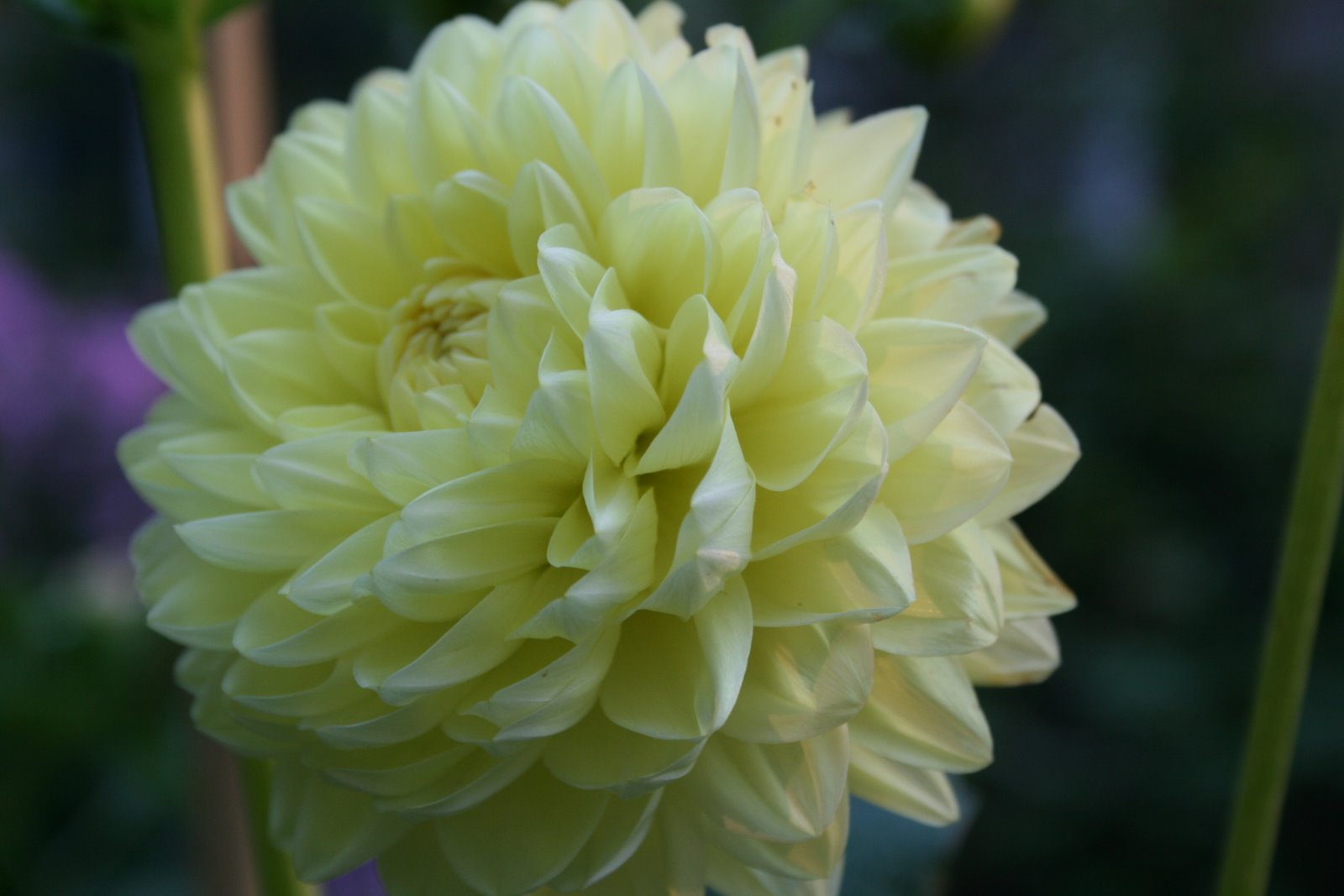
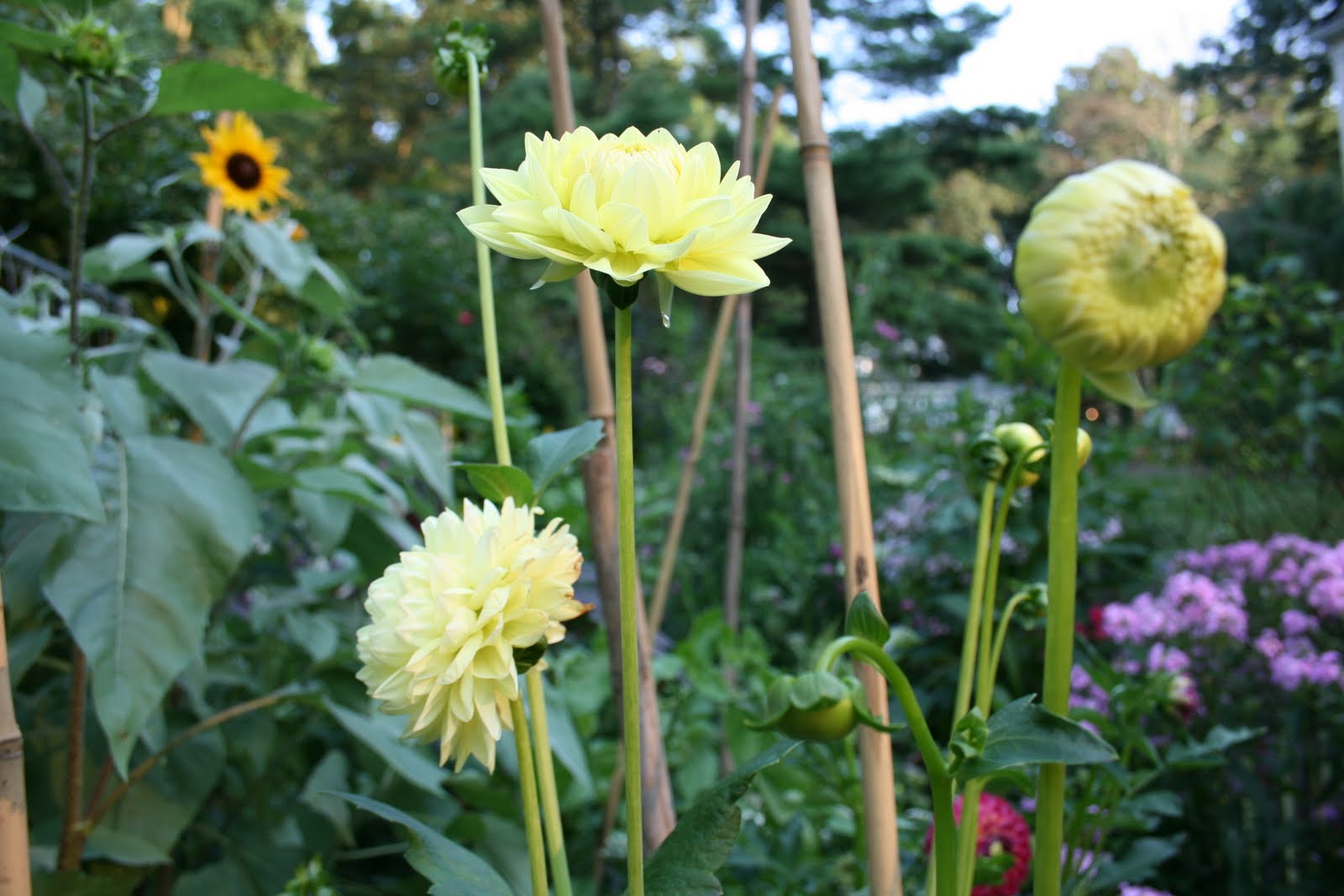
Ask Heirloom Gardener: How to Store Dahlia Tubers for Winter

Question from the mailbag (heirloomgardener[at]aol[dot]com): What winter storage “method” do you use for dahlias? I’ve experimented with several different ways and am still searing for the perfect solution.
.
Answer from Heirloom Gardener: I’ve experimented with several different ways too. One year, I put the tubers in individual brown paper bags, wrote the names of the tubers on each bag, and then stored all of the bags in a large container of peat moss. By the spring, the brown paper bags had deteriorated and I had no idea which dahlias were which!
.
Here’s what I did last fall which worked pretty well. After the first hard frost, I dug them up (a garden fork works better than a shovel), cleaned them off and dried them indoors on baking sheets in the sun for about two days. You want them to dry out, but you don’t want them to shrivel up. Next, I wrote the name of the dahlia on the actual tuber with a Sharpie marker. Then, I stored them in individual plastic containers with peat moss. I wrote the name of the dahlia on the outside of each container too. From there, they were stored in the unfinished part of the basement, which kept them cool, dry and dark until the spring.