A Summer Visit to the New York Botanical Garden (NYBG): Pest Control for the Vegetable Garden

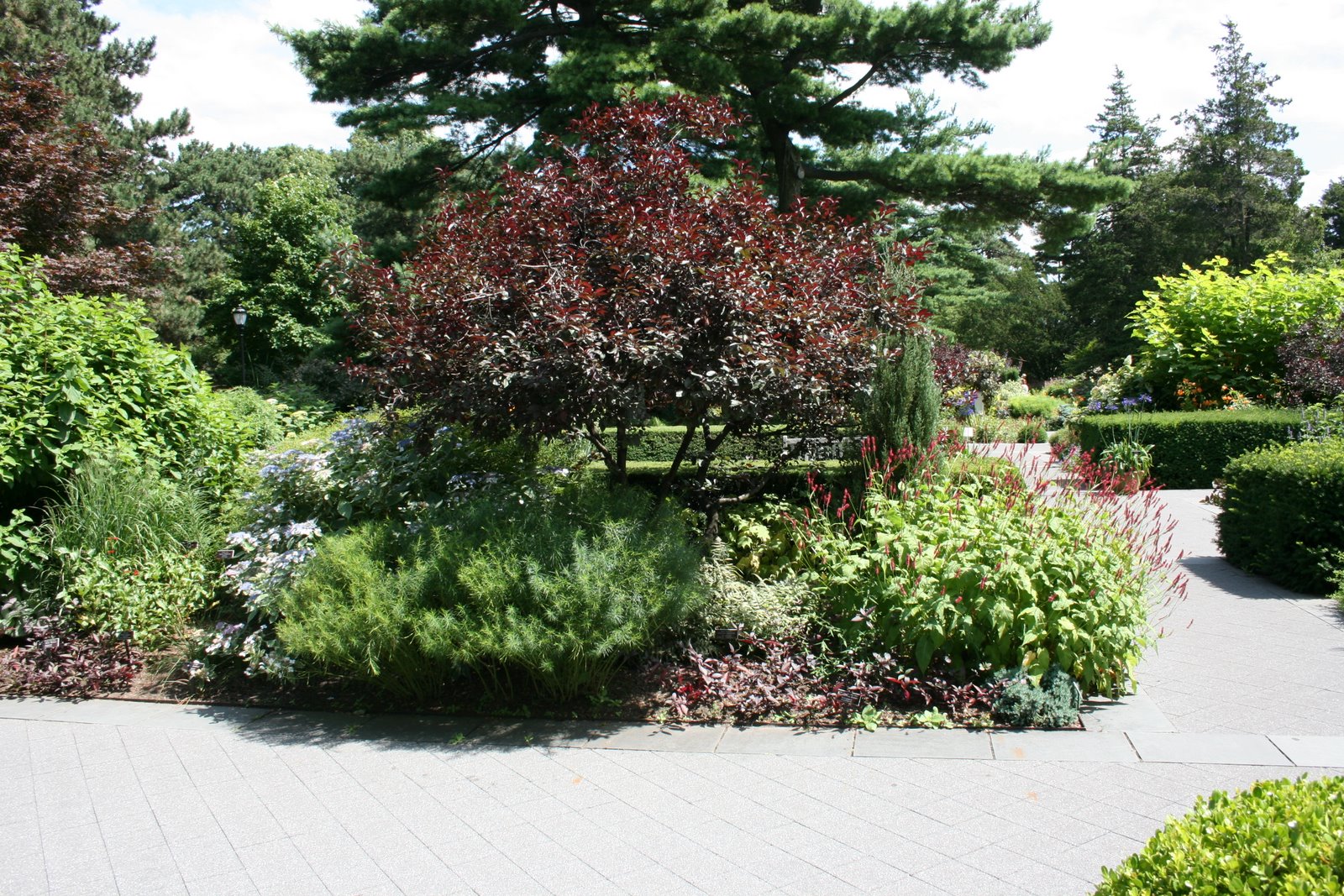
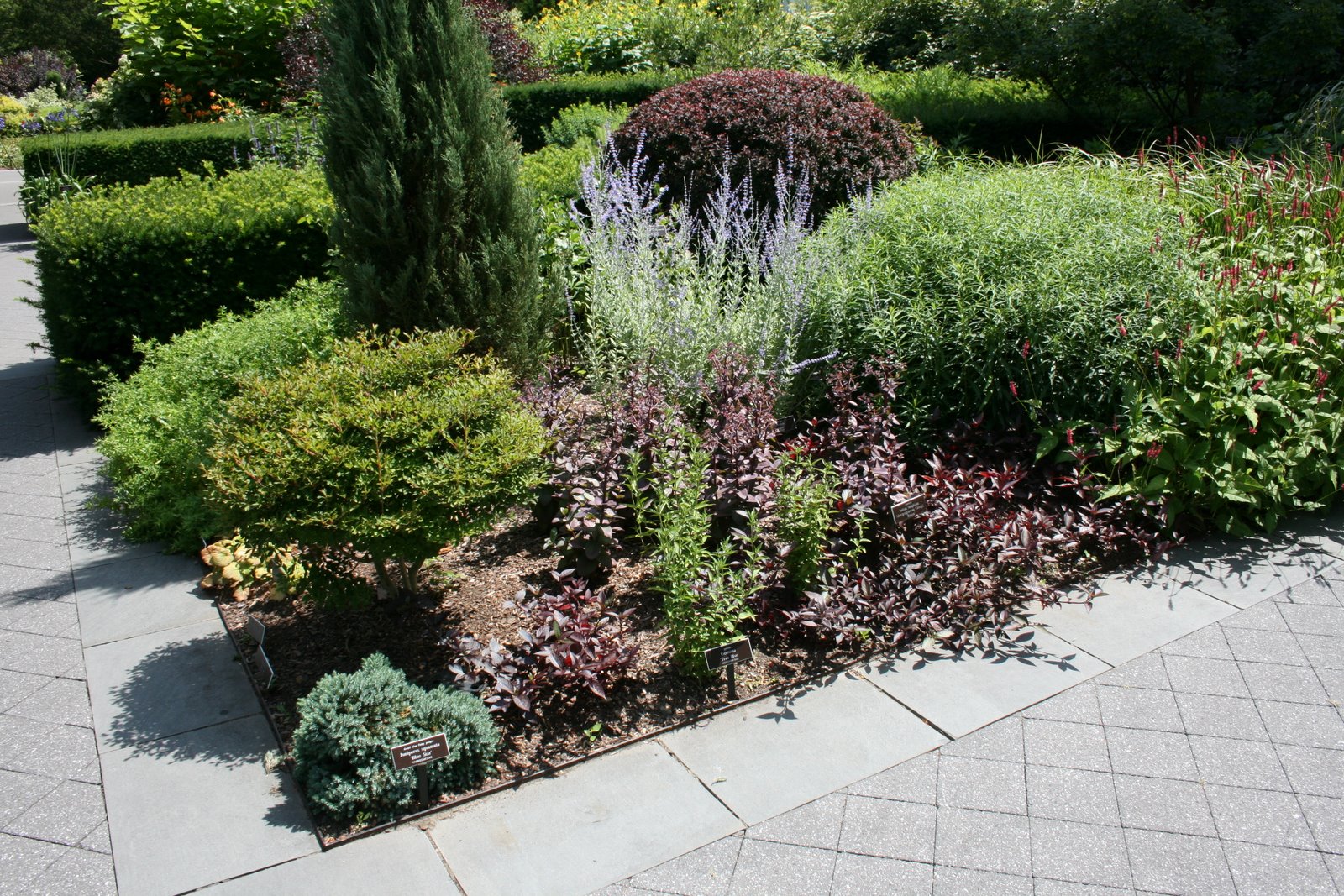
On my recent visit to the New York Botanical Garden, we also made a visit to the Home Gardening Center, where they have home demonstration vegetable gardens. Since last season, they have had to do more pest control around the gardens and I was surprised to some very familiar barriers:
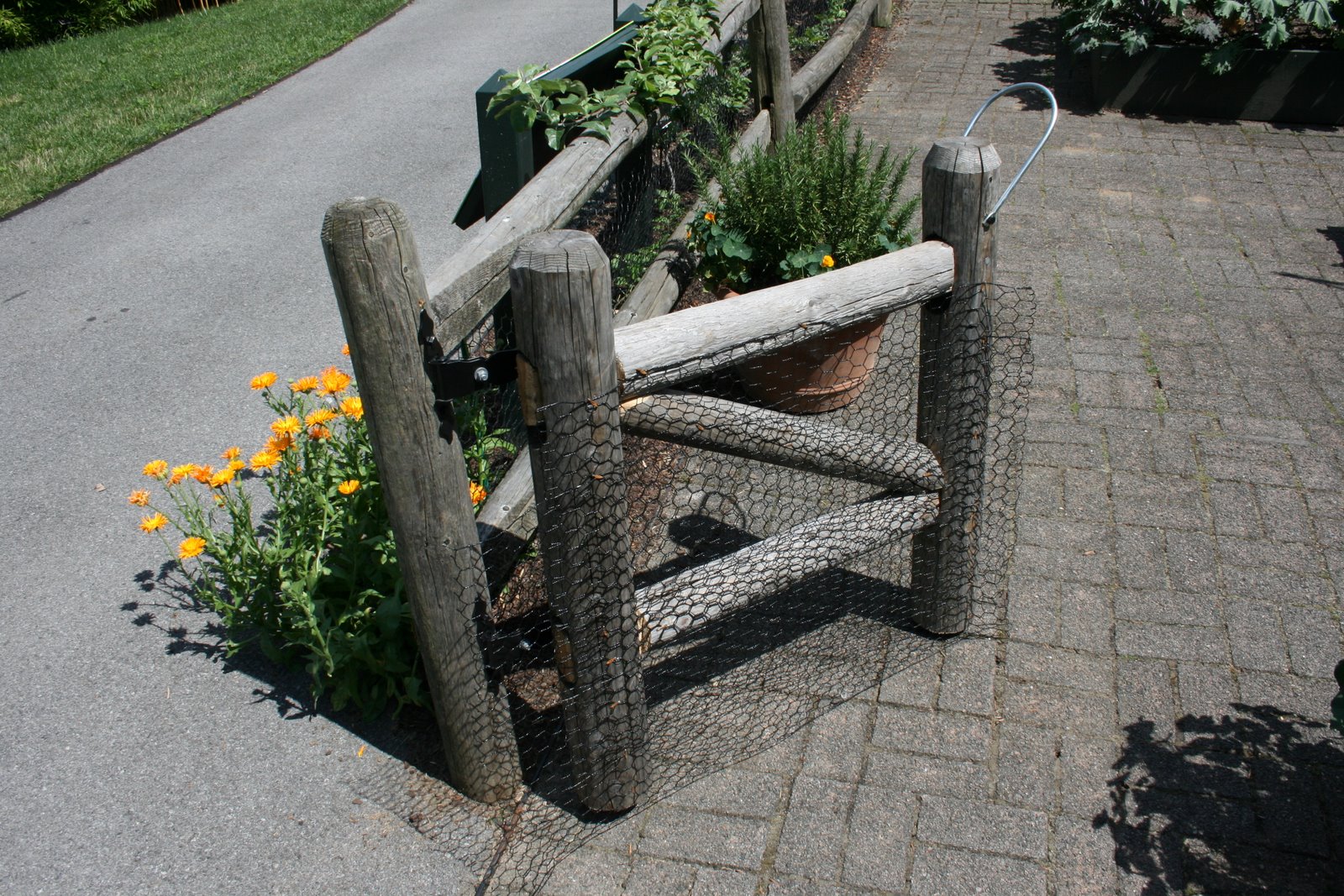
1. Chicken wire around their post and rail fence.
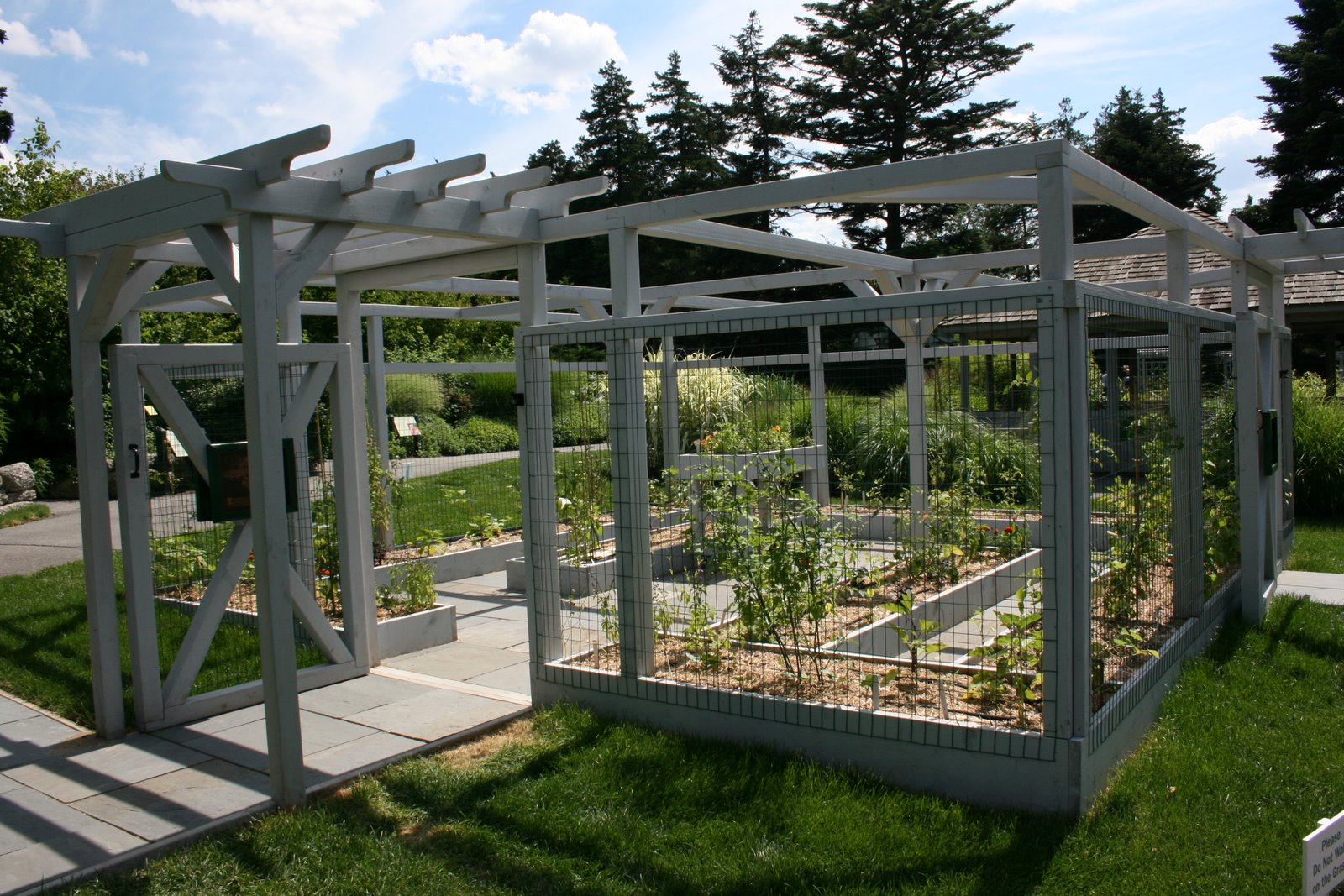
2. Completely fenced in walls around their new raised beds.

This is exactly what I have had to do this year! Maybe they’ve been reading my blog for ideas (just kidding).

Related posts: Adding Chicken Wire and Gates to an Open Post and Rail Fence; New Eight Foot Tall Screens Around the Raised Beds
Ask Heirloom Gardener: What Should I Do About Black Spot on my Roses?

Question from the mailbag (heirloomgardener [at] aol [dot] com): I have about 30 rose bushes and most are struggling due to black spot. What should I do?

Answer from Heirloom Gardener: Regarding the black spot, I wouldn’t worry about it at this time of year. It won’t kill the plant, even if all of the leaves fall off. If you want to prevent black spot on your roses next season, start your maintenance in the spring. I spray dormant oil right before the plant leafs out which kills any over-wintering spores that cause black spot as well as insects, etc. If you spray it now, it will kill the plant. After the plant leafs out, I spray with neem oil that smothers the spores every two weeks except during the heat of summer when it will burn the leaves.

Related posts: Dormant Oil Application for Pest Prevention

Ask Heirloom Gardener: How to care for David Austin Roses

Question from the mailbag (heirloomgardener [at] aol [dot] com): I read your post about how to care for heirloom roses. Does this apply to David Austin roses?

Answer from Heirloom Gardener: Yes, everything I wrote in my post about how to care for heirloom roses applies to David Austin roses. They are stronger than hybrid tea roses, not as strong as heirloom roses, but have the benefit of fragrance and repeat blooms. Relative to heirloom roses, here are some of my observations.

1. They all need a lot of water and very rich soil.

2. Because they were developed in the more moderate English climate, I have observed a few differences in their growth habit in New Jersey: they grow taller than stated on the plant tag, so I locate them in areas to accommodate the extra height; they are leggier, so I grow them in groups; and the summer is sunnier and hotter here, so they are healthier for me in part shade.

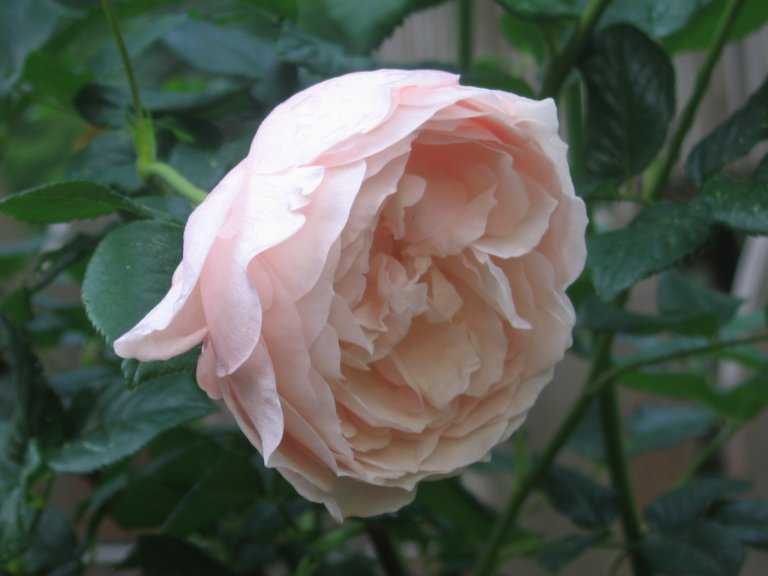
3. Some are better than others as it relates to health and vigor. In my experience, the best are: Graham Thomas, Heritage (pictured above), Abraham Darby, Sophie’s Rose and Mary Rose. Mary Rose is a sport of Winchester Cathedral, so my assumption is that Winchester Cathedral is as healthy as Mary Rose. I grew Mayflower which was healthy, but be warned that rain spoils the flowers. I also grow Molineaux because it is beautiful, but it requires a lot more coddling. I grew other David Austin roses that were less healthy, so I removed them from the garden.

Related posts: How to Care for Heirloom Roses; Are Heirloom Roses Hard to Grow?; Six Trouble-Free Heirloom Roses

WSJ: Death by Mint Oil: Natural Pesticides

This article discusses many of the natural and organic solutions that I use in my own garden. From Gwendoln Bounds in The Wall Street Journal:

“Increasingly, well-known insecticide manufacturers, retailers and even professional pest-control services are rolling out solutions derived from natural materials like animals, plants, bacteria and minerals, many of them considered potentially safer to humans, pets and the environment than their synthetic-chemical counterparts. Fueling the move is increased governmental scrutiny over what pesticides we spray in and around our homes, as well as a bid to satisfy more health-conscious consumers—especially women, who typically dictate household pest-solution purchases.”

For the full article, click here.