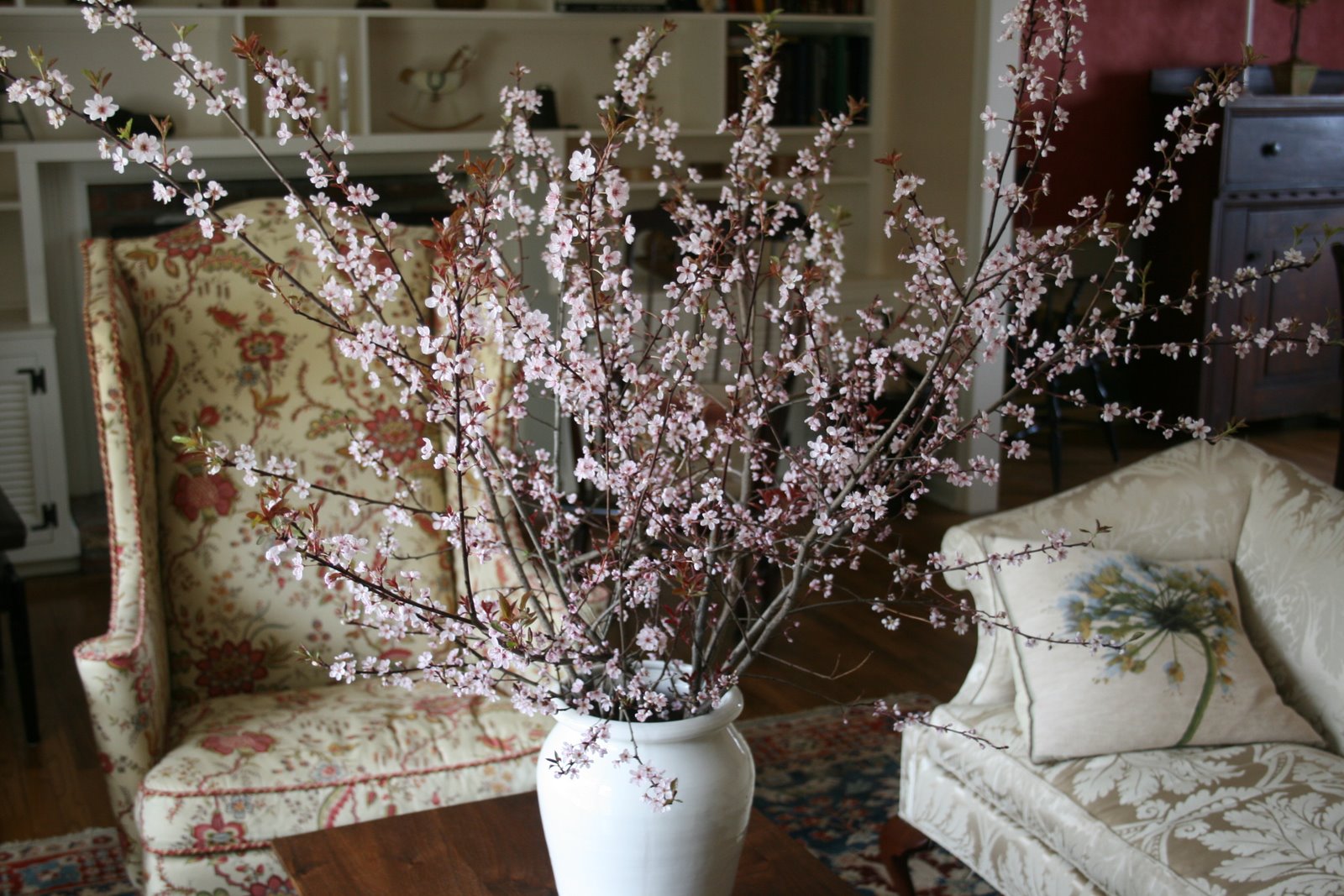
 Of all of my forced branches this season, this display of ceris Forest Pansy branches is the highlight. About three weeks ago, I cut about eight branches three to four feet in length. The first week, little appeared to be happening. The second week, the buds really began to swell. And this week, I was rewarded with this beautiful display. For a close-up of the flowers, click here.
Flowers that Bloom in Late Winter – Garden Bloggers’ Bloom Day March 2009 (New Jersey, zone 6b)
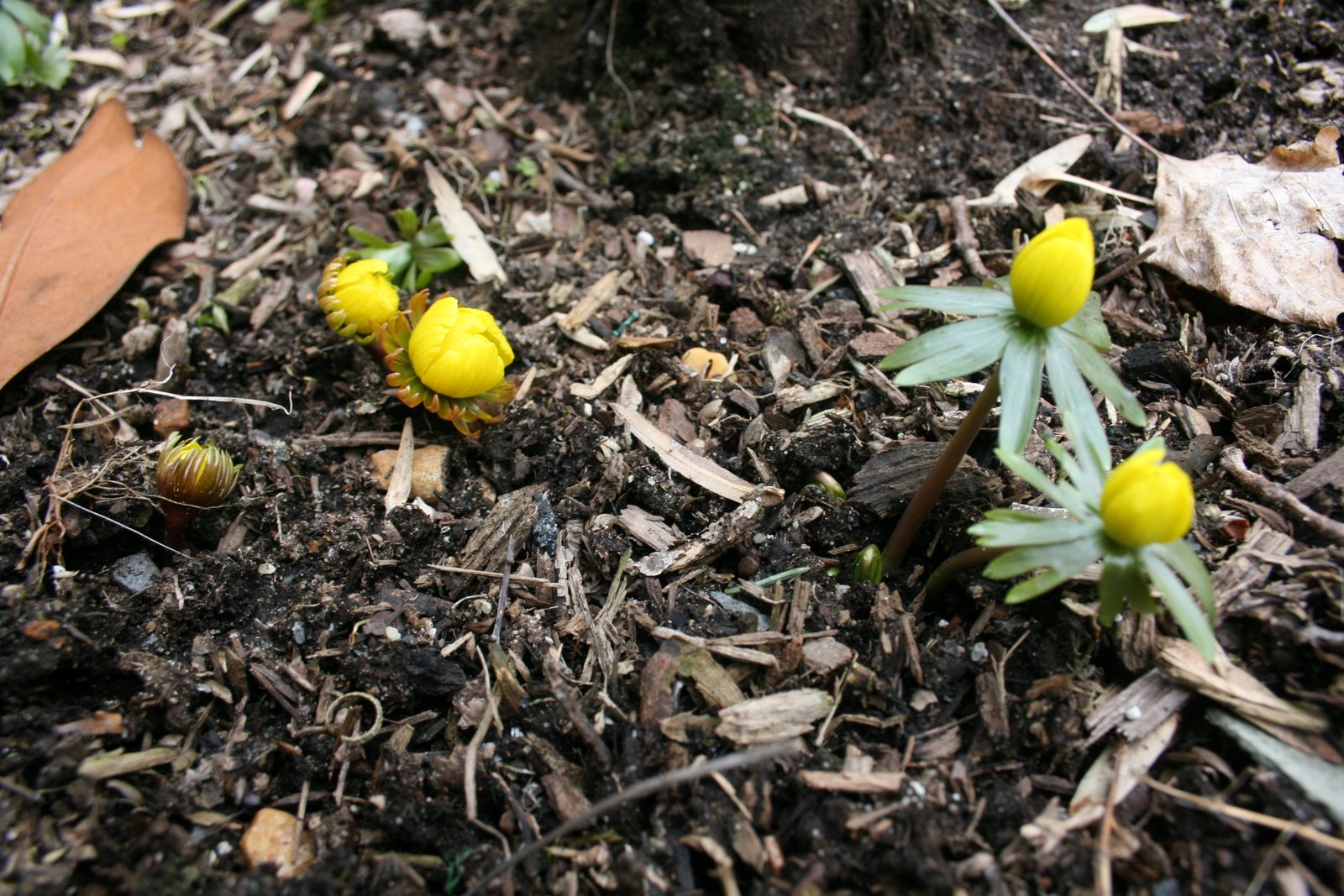
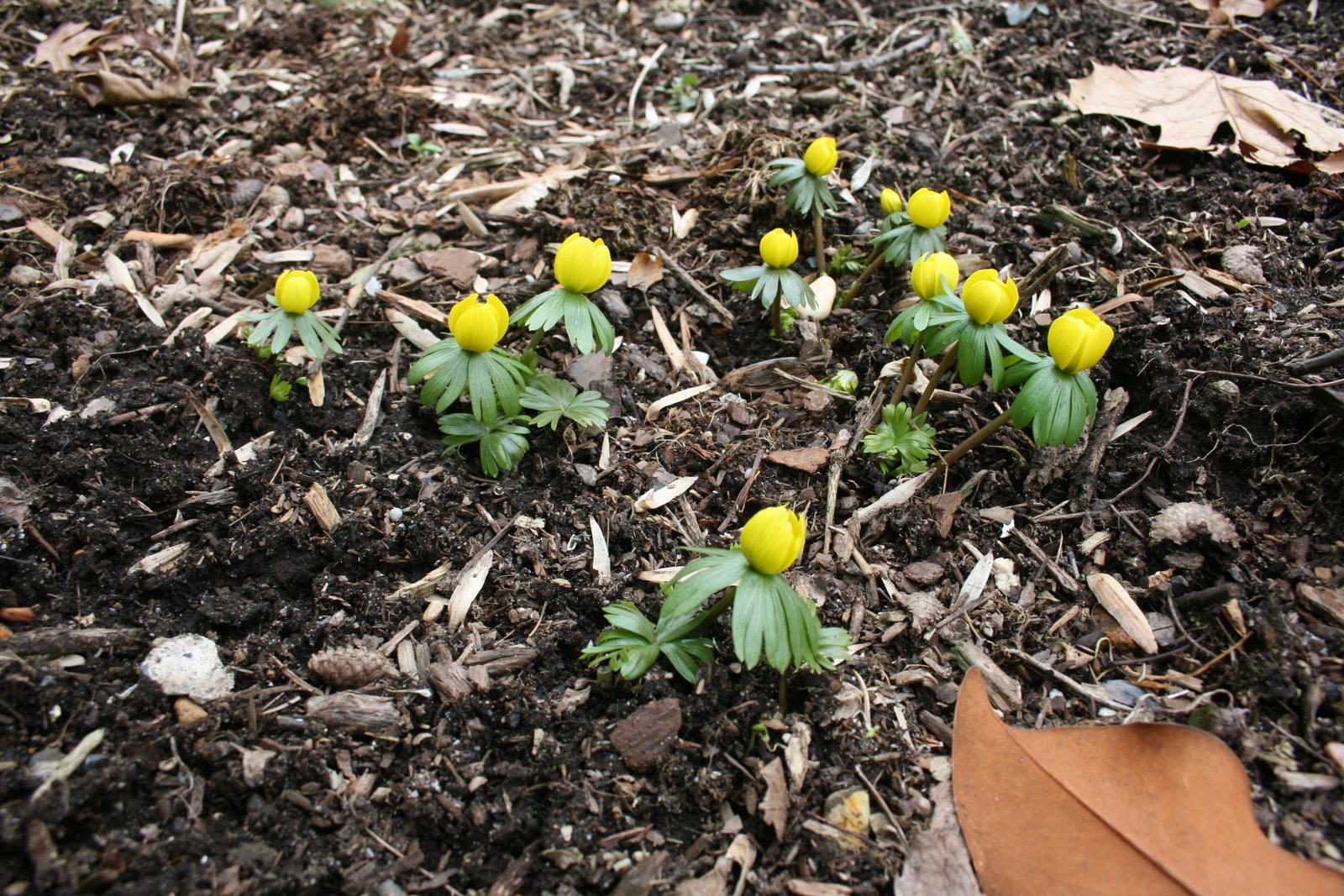 What a difference a month makes for Garden Bloggers’ Bloom Day. In my zone 6b garden, the garden is slowly waking up. Winter aconite (Eranthis) started blooming last week in the Front Border.
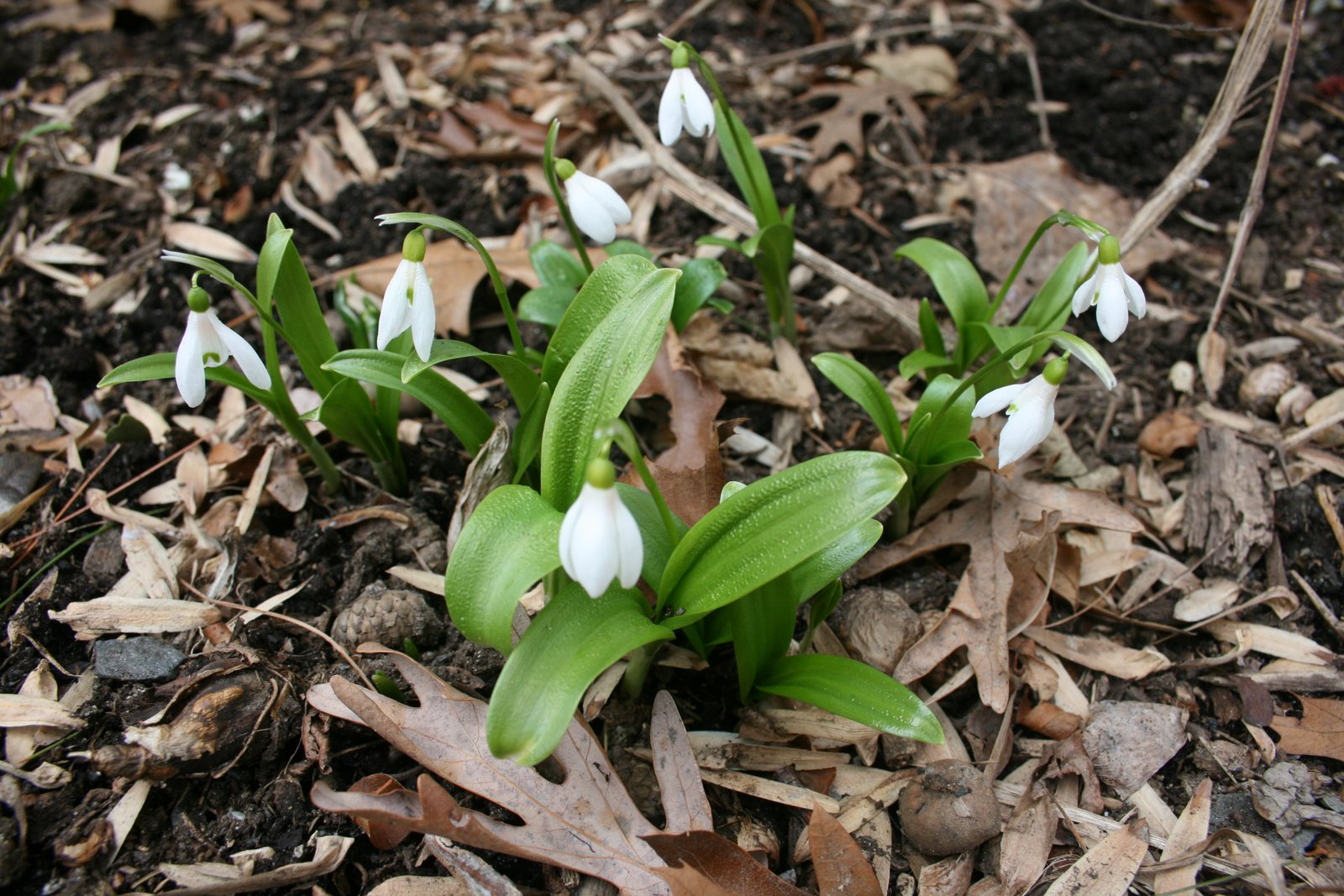 In addition to the Galanthus elwesii snowdrops that I photographed a few weeks ago, these Galanthus nivalis are also now in bloom in the Front Border.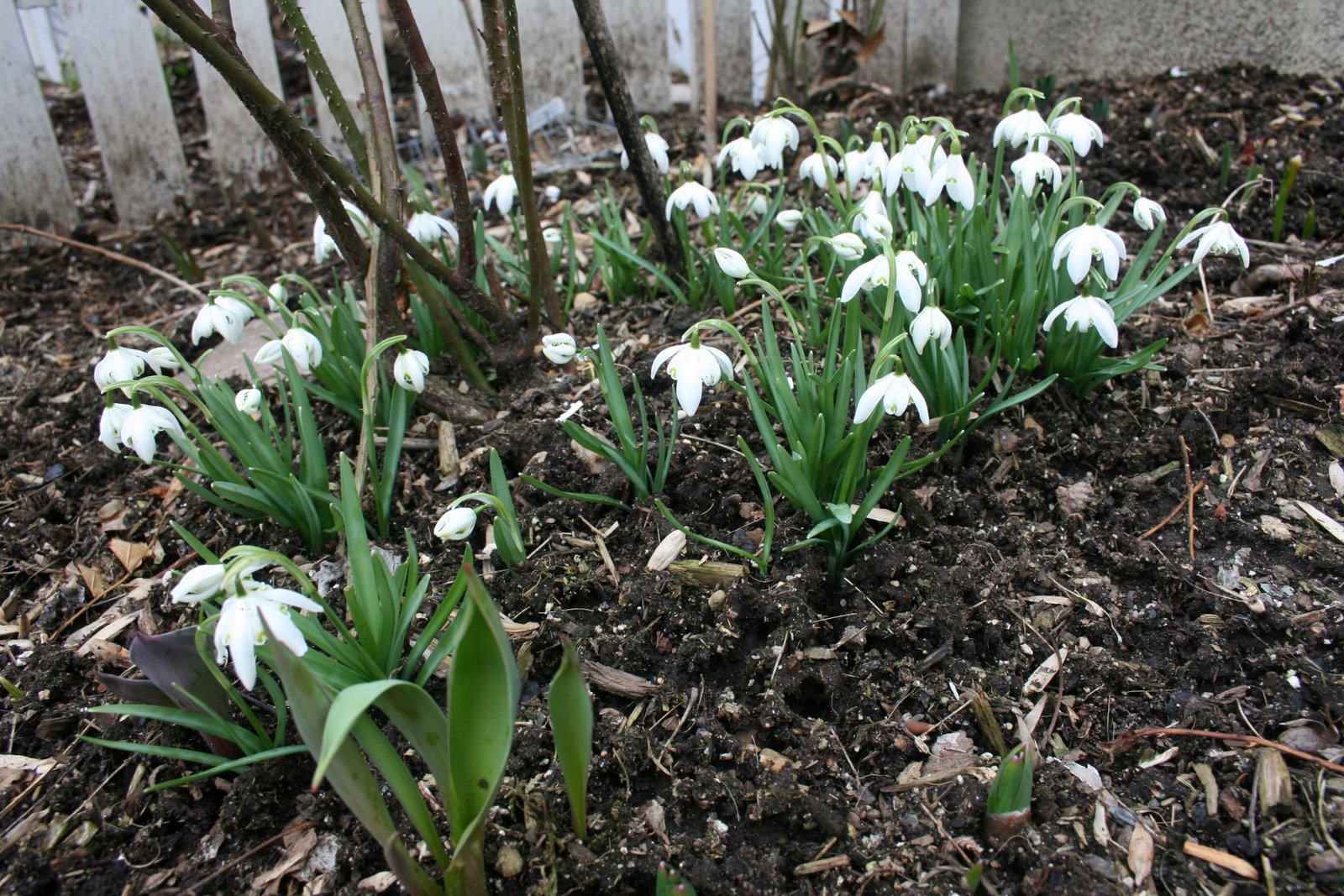
Also, these double snowdrops Plena Flora are blooming in the Egg Garden.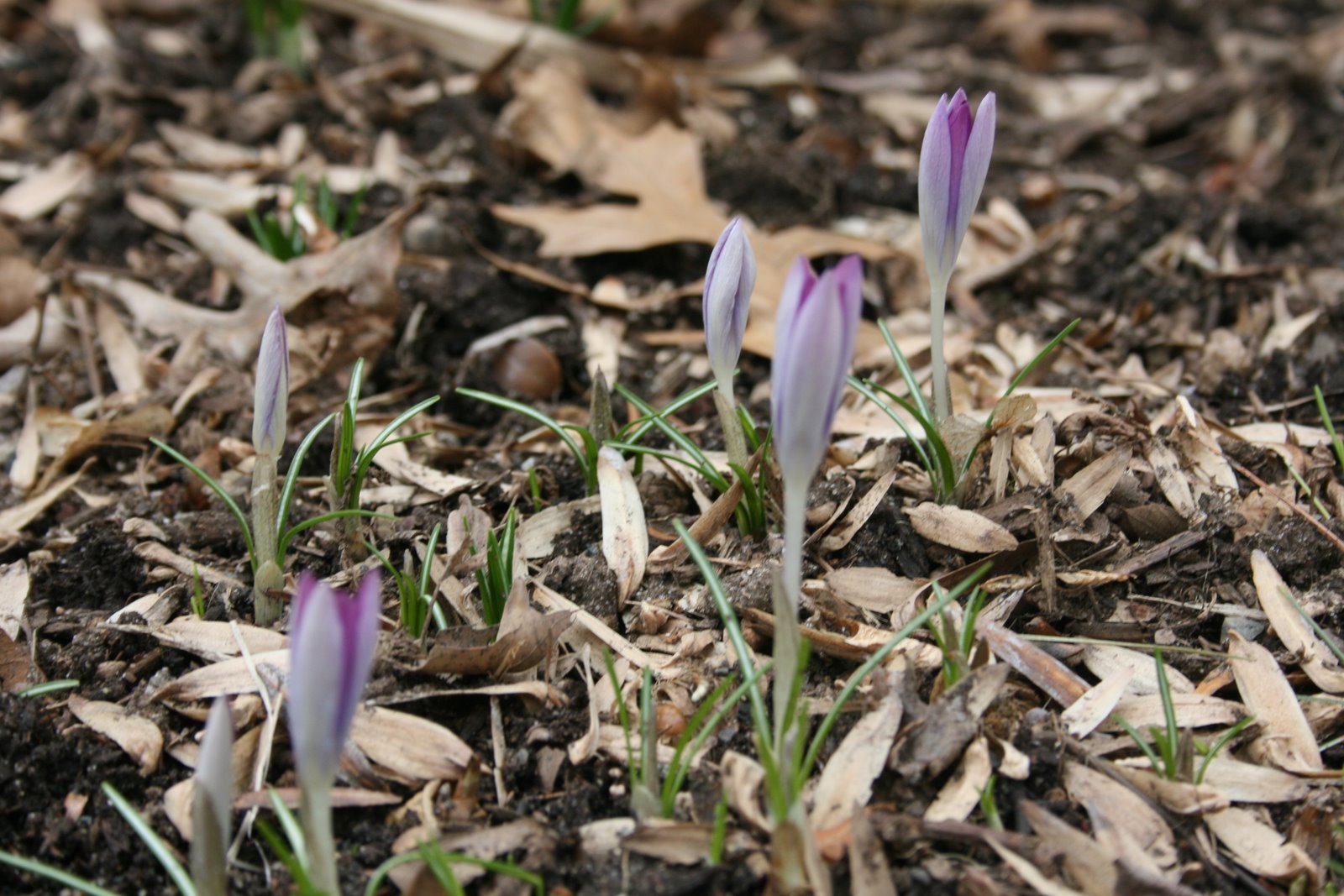 Crocus tommasinianus just started blooming in the Front Border.
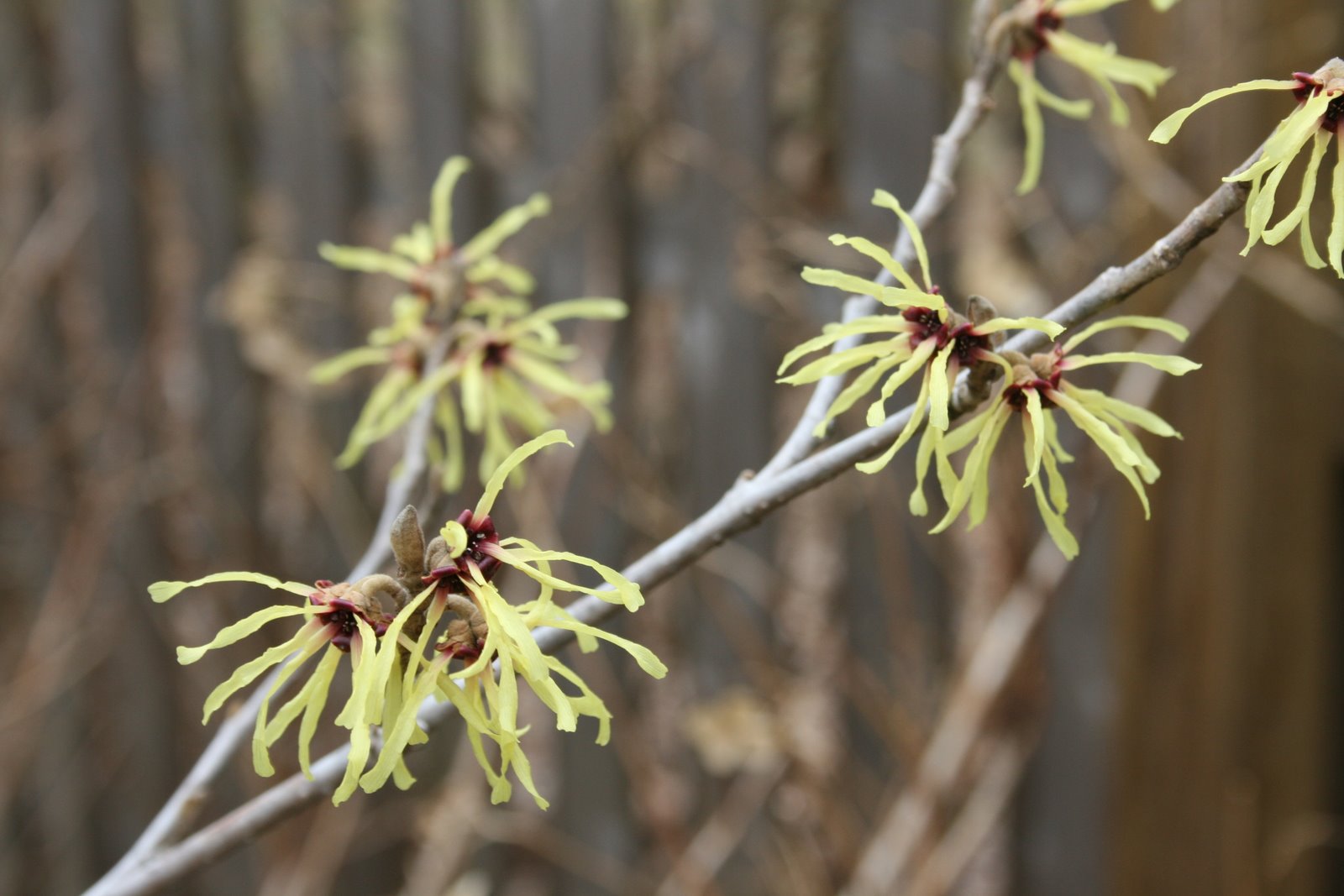 The Witchhazel Primavera is growing next to the Fort.
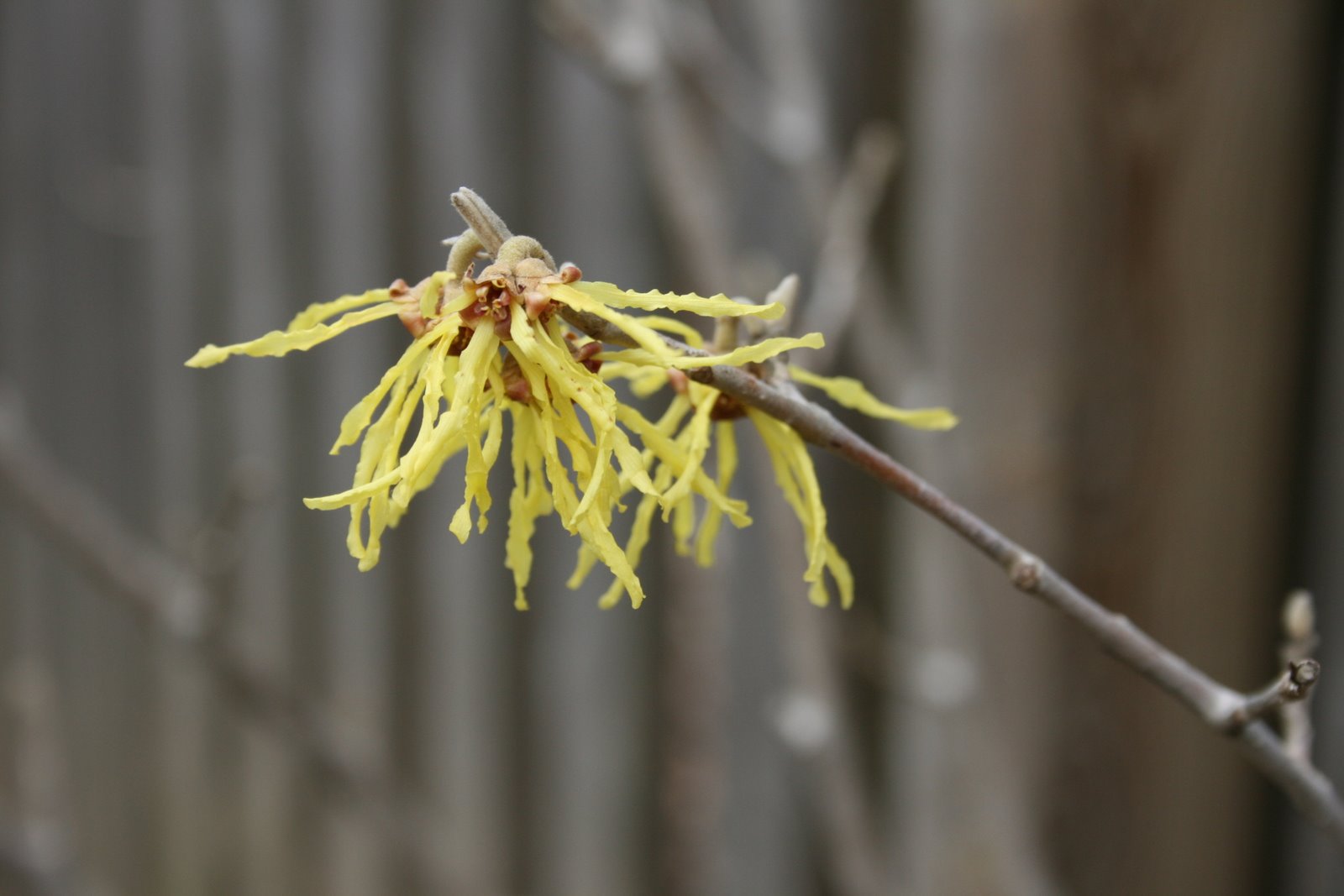 The Witchhzael Arnold’s Promise is now in full bloom next to the playground.
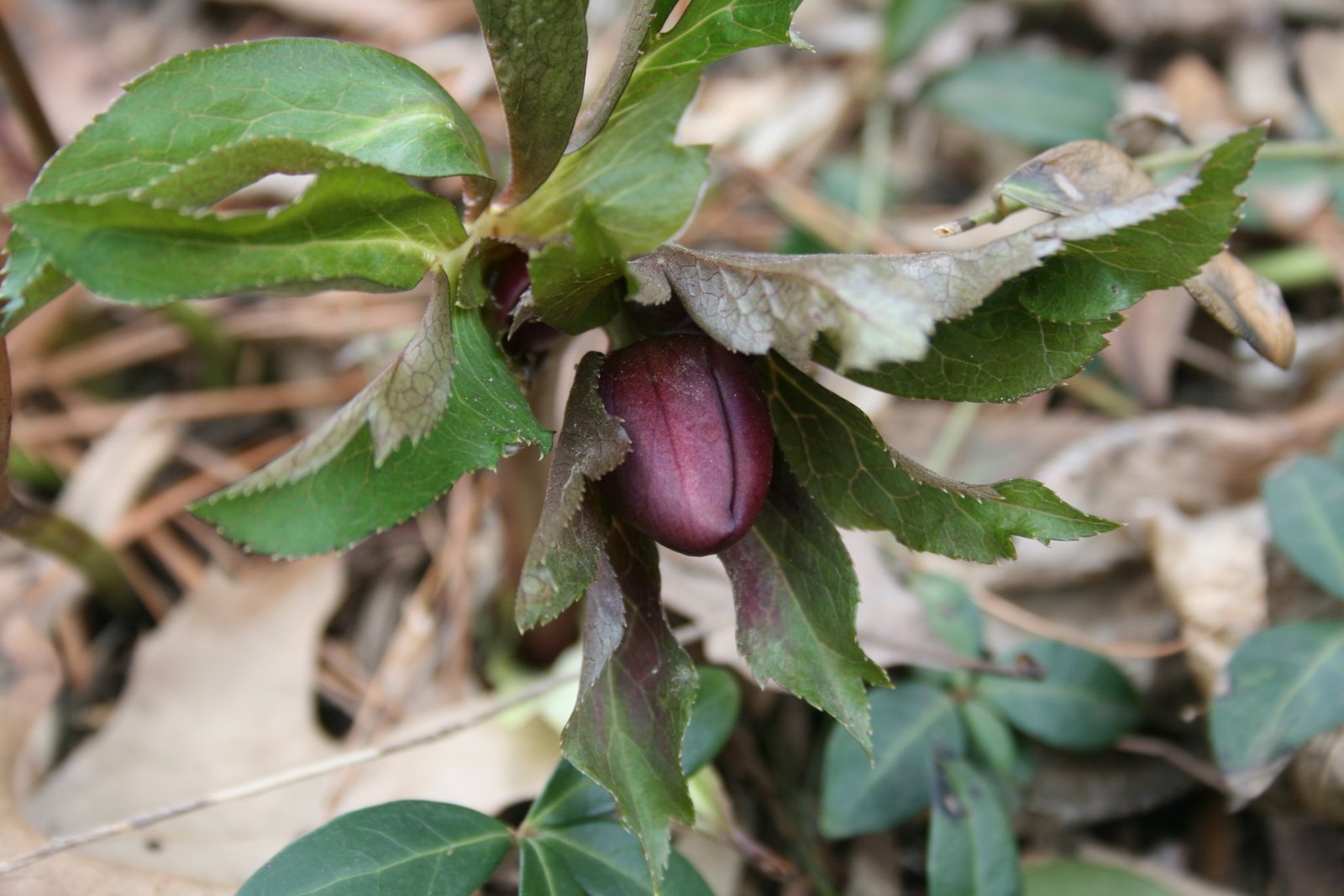 Finally, just today, my son found this purple hellebore poking up on Goldberry Hill.
~
Check out all of the bloom day posts from around the world over at May Dreams Garden.
How to Prune Hydrangeas and Roses
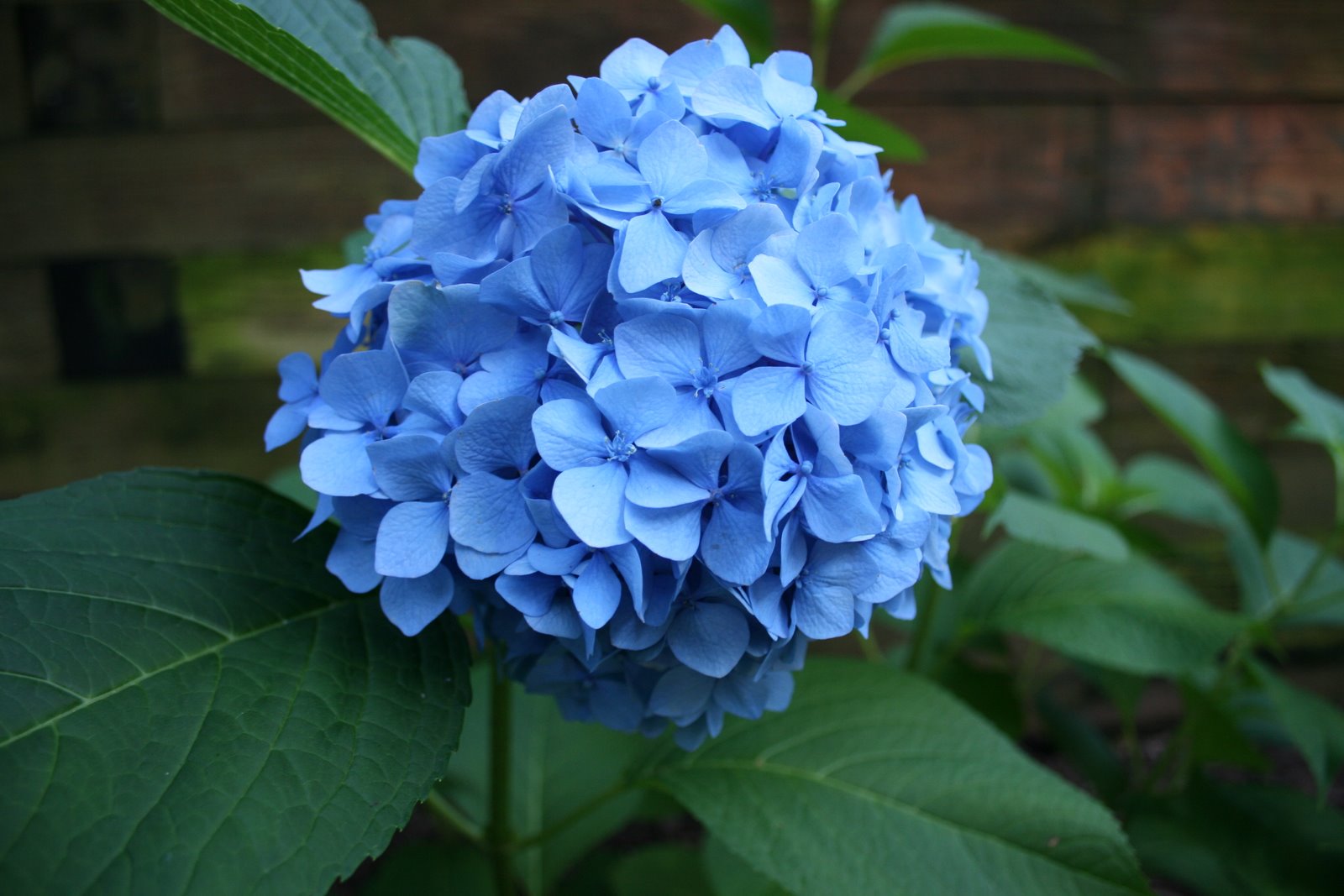
As a clarification to yesterday’s post on pruning shrubs, you only want to cut back the hydrangeas that grow on new wood. If you cut back the hydrangeas that grow on old wood, you’ll be cutting off this year’s flowers.
~
For information on pruning hydrangeas that grow on old wood, check out this post:
~
~
For those of you who asked about pruning roses, check out these posts:
~
How and When to Prune Caryopteris, Spirea, Butterfly Bush, Pee Gee Hydrangea, Annabelle Hydrangea, Smokebush, Elderberry
After the “in like a lion” March first snow, we were blessed with “out like a lamb” seventy-degree spring weather this weekend. The whole family spent every waking minute outside and I took the opportunity to do some of my late winter shrub pruning. In my zone (6b), early March is the perfect time to prune the shrubs that are grown either for (i) flowers that bloom on new wood or (ii) foliage that is more vibrant on new wood.
~
Some of the shrubs that I grow for flowers that bloom on new wood include caryopteris, spirea (pictured below), butterfly bush, pee gee hydrangea (pictured below) and annabelle hydrgangea. Some of the shrubs that I grow for foliage that is more vibrant on new wood includes smokebush (pictured below) and elderberry (or sambucas). As you can see in the pictures below, you can really cut these shrubs back significantly and by doing so, you will be rewarded with a greater number of blooms on your flowering shrubs and more vibrant color for your foliage shrubs.
~
Does pruning these shrubs really make a difference? Yes! Last year, I cut back only some of the spirea and the difference between the pruned and unpruned was quite noticeable.
~
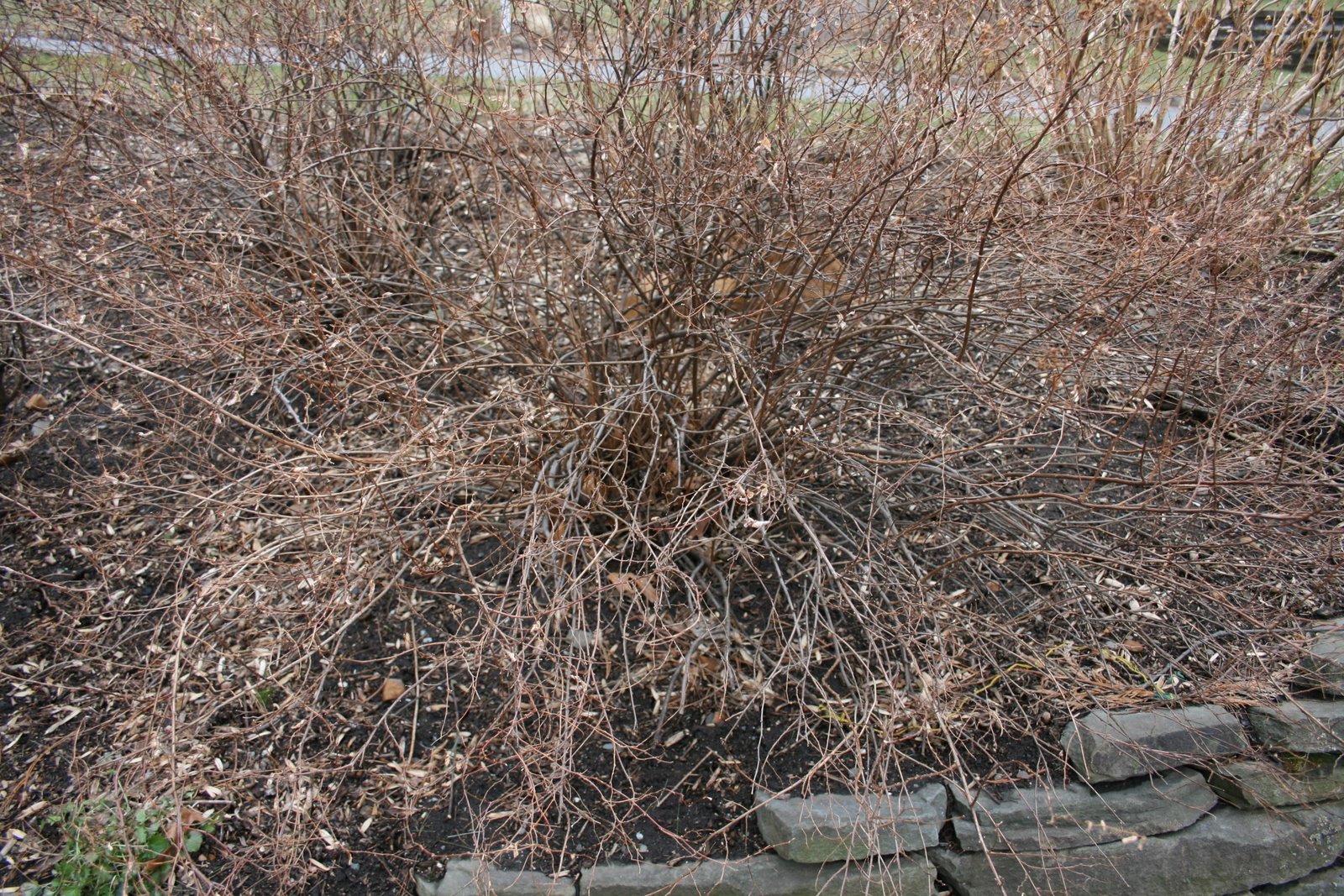 Spirea before pruning
 Spirea after pruning
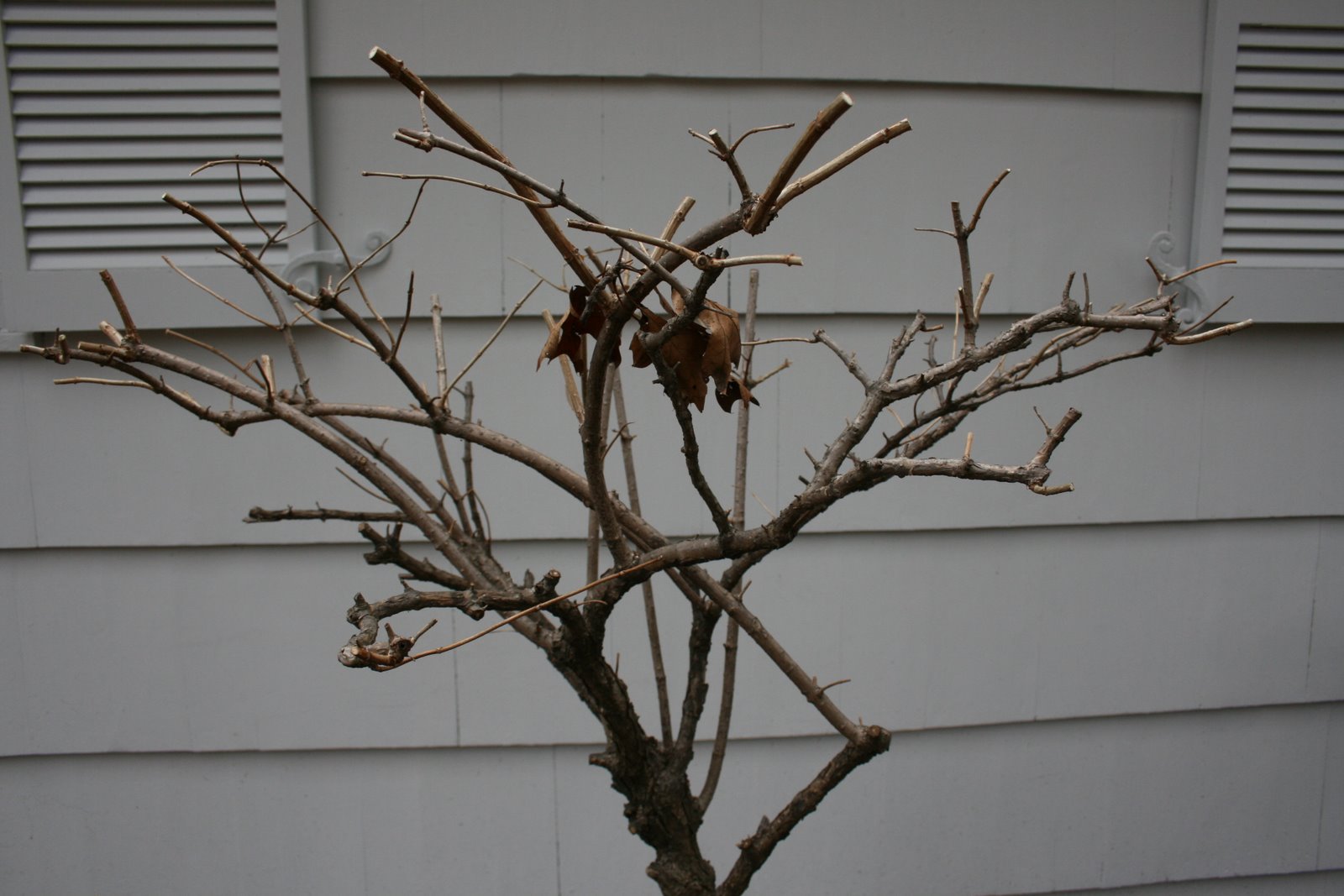 Pee gee hydrangea after pruning
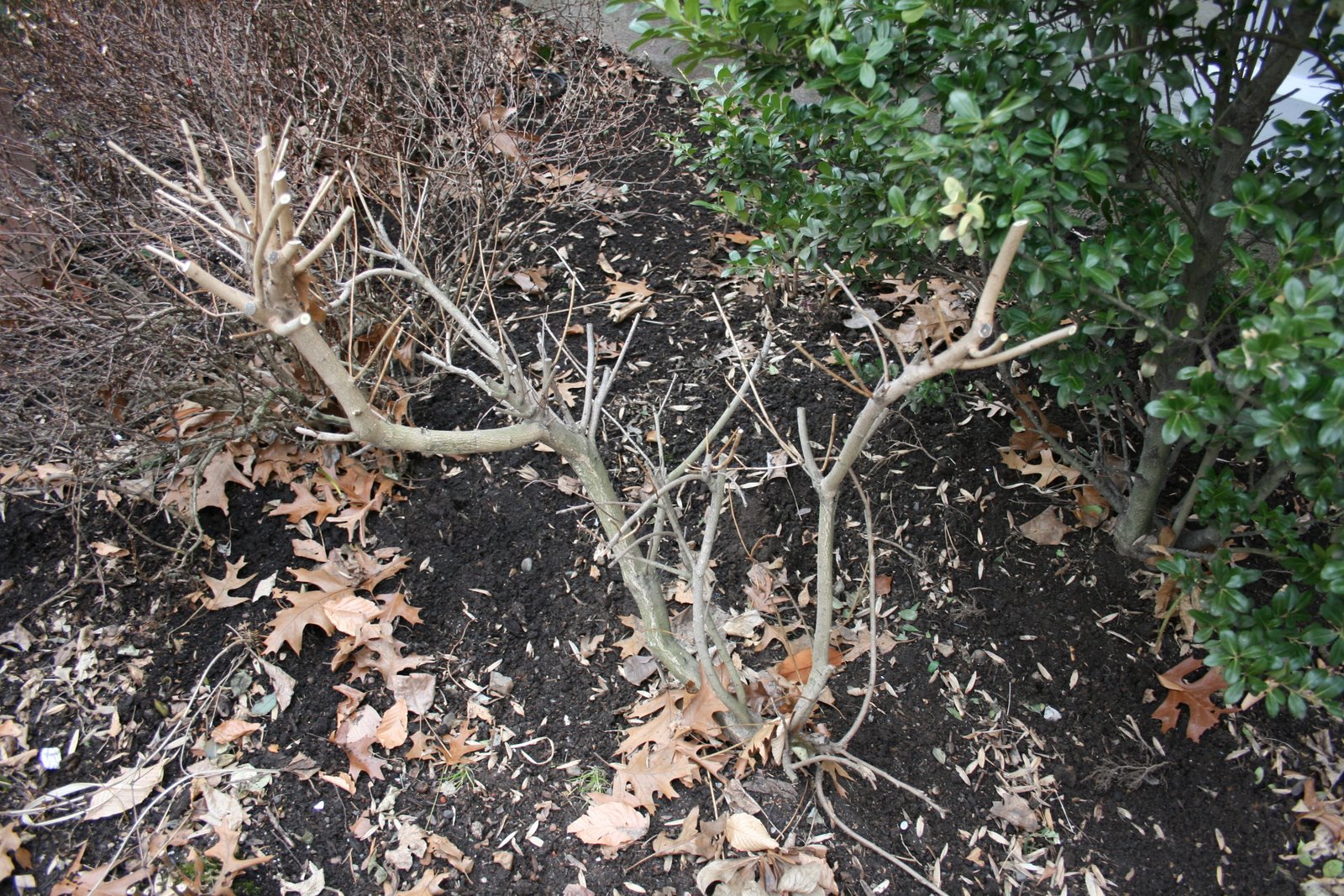 Smokebush after pruning
The First Tree to Flower in the Garden: Witchhazel (Arnold’s Promise) Blooming in Late February/Early March in New Jersey (Zone 6b)
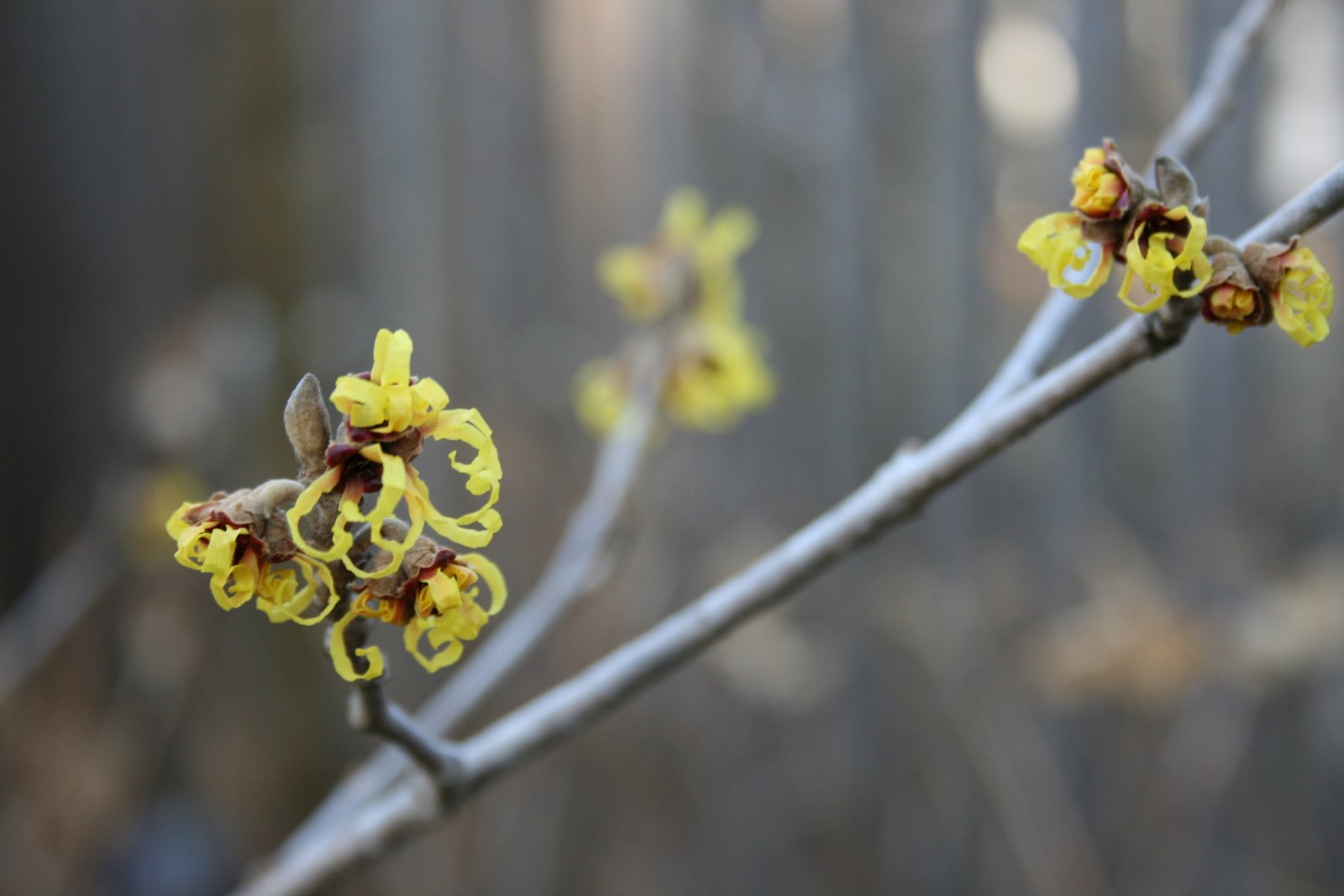 I’ve wanted a witchhazel for a few years now and, after planting my first one last spring, am now enjoying my first blooms. I planted a small specimen of Arnold’s promise (the name is from Harvard’s Arnold Arboretum in Massachusetts), a common and widely available witchhazel (my specimen is from Forestfarm Plant Nursery). The flowers are unique and have a strong fragrance. In addition, they get bonus points for blooming while the rest of the garden is still asleep. The picture was taken this weekend before today’s heavy snow.
Snowdrops (Galanthus elwesii) Blooming in Late February in New Jersey (Zone 6b)
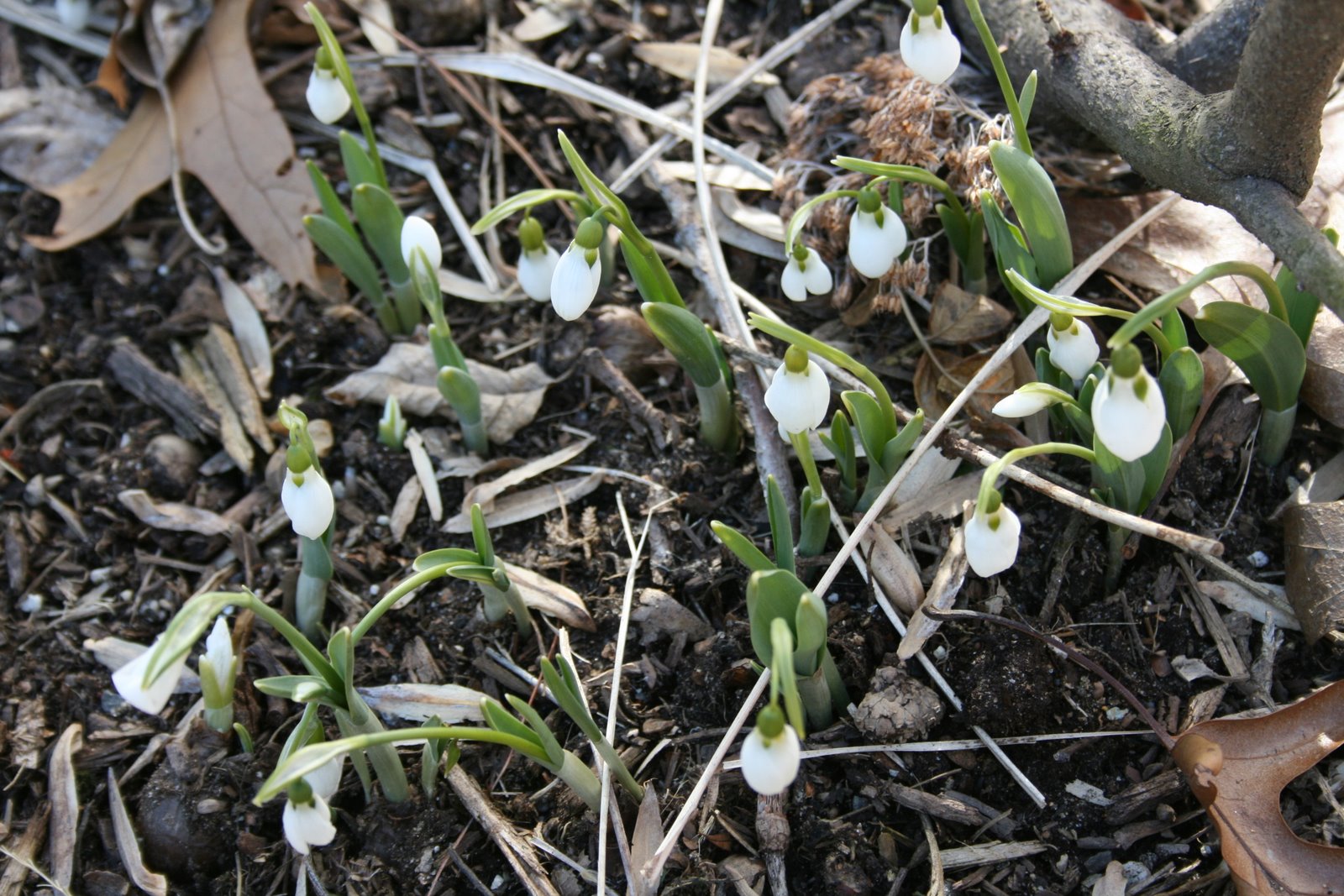 Is February over yet? Only three days left until March when the garden really starts coming back to life. Now that the snow has melted from the beds, you can see the snowdrops blooming in earnest.
The Most Influential Garden Bloggers
Bumblebee Blog has a very interesting post on the most influential garden bloggers. I read the post with great interest because what is influential or inspiring is so personal. I was nodding my head as she walked through many of the most popular and familiar gardening blogs, so it got me thinking about which garden bloggers have been most influential to me? Here were the top three that came to mind:
1. Gardening Gone Wild: A group effort, Gardening Gone Wild inspires by their posts and encourages me to thoughtfully contribute to their monthly Garden Bloggers’ Design Workshop. I love participating in these workshops and reading about how other bloggers approach gardening topics and design issues. Some of my best and most popular posts have been contributions to these workshops.
2. May Dreams Garden: Shortly after I started reading gardening blogs, I noticed this regular post called Garden Bloggers’ Bloom Day. I’m a little slow, so it took me a while that this was the brainchild of Carol over at May Dreams Garden. Perhaps more than any other garden blogging activity, this really brings the garden blogging community together to share what is blooming in their garden on the fifteenth of every month. Since I started adding my own Bloom Day posts last year, I haven’t missed a month.
3. Gardening Tips ‘N’ Ideas/Blotanical: Both websites are managed by Stuart in Australia and have been influential to me by opening up my eyes to the many gardening blogs throughout the world that I would never have found on my own.
Ask Heirloom Gardener: How to Prune an Old, Neglected Rose
One of the unexpected responses to starting Heirloom Gardener is the questions I receive from readers about their gardens. Given how interesting I have found the inquiries, I thought I’d start sharing some of them with all of you. If you have a question for me, email me at heirloomgardener[at]aol[dot]com.
Question for Heirloom Gardener: I just read, and very much enjoyed, your series about pruning roses. Thank you. I’ve inherited a rose bush that is about 70 years old. It has some huge, gnarly growth at the bottom, from which is growing a horrible mess of old, twisted, and rubbing branches. The rose has been neglected for years, and what I have to deal with is a basic framework of very old growth supporting a mess of spindly young growth. So my question is whether this rose would be injured by being cut back to little more than its basic framework. I fear that such old branches might not like my demand that they be responsible for new canes again after years of playing a supporting role.
Heirloom Gardener’s Answer: You don’t want to shock the rose too much, so I’d prune it back over a two year time period. In my zone (6b), I would prune it back by one third in April. You may also remove one third of the canes from the ground. After it blooms in the summer, you can prune away any new growth. In the fall, bring it back to the height it was in the spring. The next year, repeat the process. Best wishes.
Twelve Great Nurseries for Heirloom Plants: Roses, Perennials, Annuals, Bulbs and Seeds
In the past year or so that I have been writing this blog, it’s been my pleasure to mention a number of the wonderful nurseries which specialize in heirloom plants. Given how frequently that I am asked about where you can buy rare plants, I thought it might be helpful to gather all of the recommendations in a single post. I am sure that this list excludes many fine nurseries, but these are just from my own personal experience. Feel free to make additional recommendations in the comments, as I am always looking for new nurseries. The following list is in no particular order:
1. Antique Rose Emporium (mentioned as a source for various roses in 12/07, 1/08, 2/08, 6/08, and 12/08): http://www.antiqueroseemporium.com/ “Antique Rose Emporium is your source for antique and old garden roses.”
2. Ashdown Roses (referred to as a source for a great DVD on 3/08 and roses on 12/08): http://www.ashdownroses.com/ “The best antique, climbing and garden roses.”
3. Rogue Valley Roses (mentioned as a source of roses on 12/08): http://roguevalleyroses.com/ “Specializing in antique, rare and exceptional roses.”
4. Perennial Pleasures (noted as a source of phlox in 1/08, of cranesbill gernaiums in 5/08 and sweet pea in 8/08, sells perennials): http://www.perennialpleasures.net/ “We grow over 900 varieties of flowers, herbs and shrubs, specializing in heirloom and medicinal plants.”
5. Geraniaceae (mentioned in 5/08 as a source for some cranesbill geraniums, specialty geranium nursery): http://www.geraniaceae.com/ “Geraniaceae is a small nursery in Marin County, California (Zone 9b) specializing in some of the plants of the Geranium family.”
6. Select Seeds (cited in 2/08 as a source of some of my self seeders, sells annuals, perennials and bulbs): http://www.selectseeds.com/ “…offers gardeners a fabulous selection of unique, high-quality flower seeds and plants, specializing in old-fashioned fragrant varieties, flowering vines, and rare cottage garden annuals.”
7. Annie’s Annuals & Perennials (source of heirloom annuals and some perennials, noted in 3/08 as an inspiration for my terrarium): http://www.anniesannuals.com/ “Rare, unusual annuals & perennial plants, including cottage garden heirlooms & hard to find California native wildflowers”
8. Old House Gardens (subject of a post on 1/08, with a focus on heirloom dahlias; mentioned as a source of winter aconite in 11/08, dahlias in 9/08, lilies in 8/08, and tulips in 5/08): http://www.oldhousegardens.com/ “Antique Flower Bulbs for Every Garden – Unique, Endangered, Amazing!”
9. Well Sweep Herb Farm (subject of a visit and post in 5/08, sells perennials and herbs): http://www.wellsweep.com/ “Our farm, a family endeavor, is located in the picturesque mountains of Warren County and is home to one of the largest collections of herbs and perennials in the country.”
10. Baker Creek Heirloom Seeds (subject of a post in 1/09): http://rareseeds.com/ “Preserving our gardening heritage, offering over 1275 unique varieties!”
11. Seed Saver’s Exchange (mentioned in 4/08 as a source of heirloom seeds): http://www.seedsavers.org/ “Since 1975, Seed Savers Exchange members have passed on approximately one million samples of rare garden seeds to other gardeners. We are a non-profit organization of gardeners dedicated to saving and sharing heirloom seeds.”
12. Thomas Jefferson’s Monticello (indicated in 4/08 as a source of heirloom seeds, also sells a limited selection of heirloom plants): http://www.monticello.org/ “The gardens at Monticello were a botanic showpiece, a source of food, and an experimental laboratory of ornamental and useful plants from around the world.”
 Heirloom Gardener