Here’s a great post from a fellow gardener and mother of five about what gardens with children really look like: “I like reading gardening and house magazines, supplements and blogs but not very many of these tell it like it is…”
Pee Gee Hydrangea: Four Seasons of Beauty
One of the many reasons I love hydrangeas is that they look good year-round (for a related post on year-round color, click here). Right now, their autumn colors are a highlight. See below some pictures of the pee gee hydrangea (Hydrangea paniculata) in the Front Border during all four seasons.
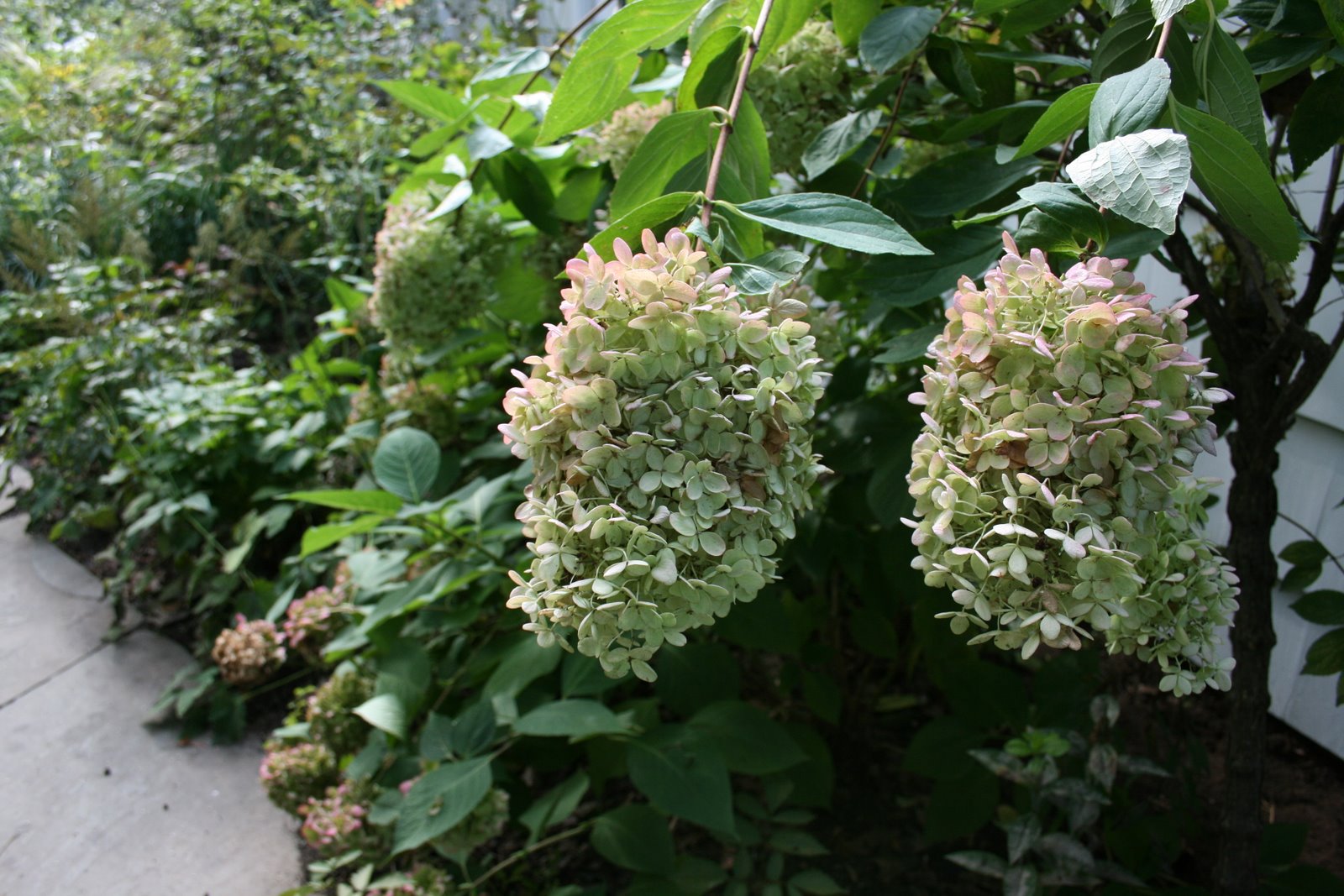 Autumn blooms turn pale green and pink.
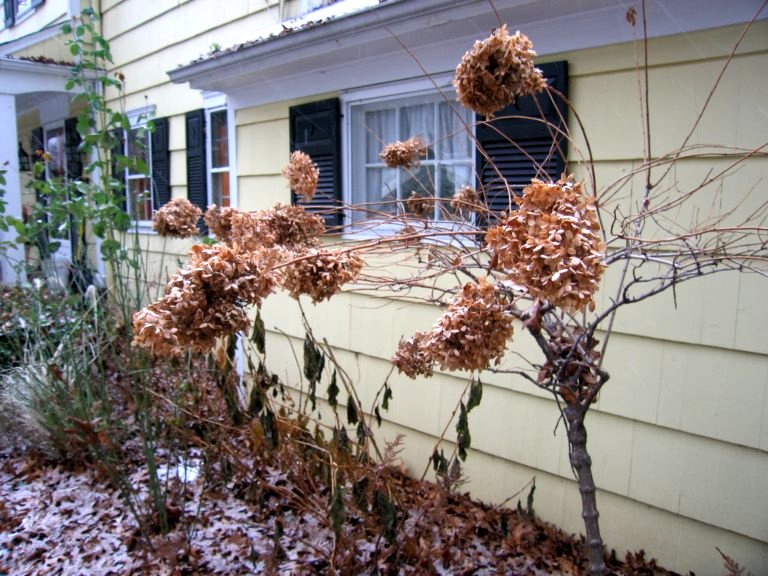 Winter blooms turn light brown.
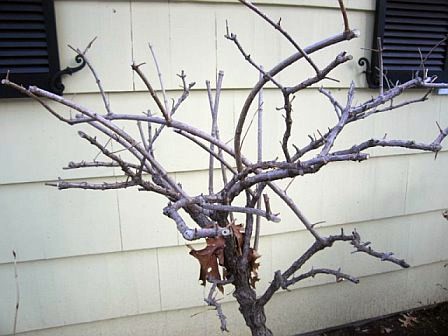 Spring after pruning (for a prior post about pruning pee gee hydrangeas, click here).
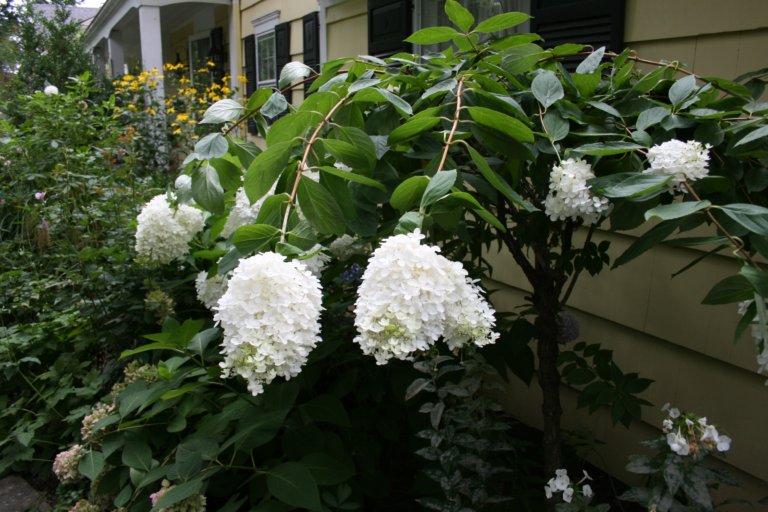 Summer blooms of brilliant white.
Gardening Gone Wild: Bananas in the Basement
This is a great post about moving the tropicals in for the winter. I don’t have as many tropicals as the author Steve Silk, so just moved my elephant ears and other tropicals into the great room. The kids think it’s like a jungle now.
Autumn Beauty: Metamorphosis of the Blackberry Lily from Blooms to Seedheads
As a follow-up to last year’s post on the Blackberry Lily (Belamcanda chinensis), I made sure to capture the delicate flowers this year in addition to the attractive seedpods and seedheads: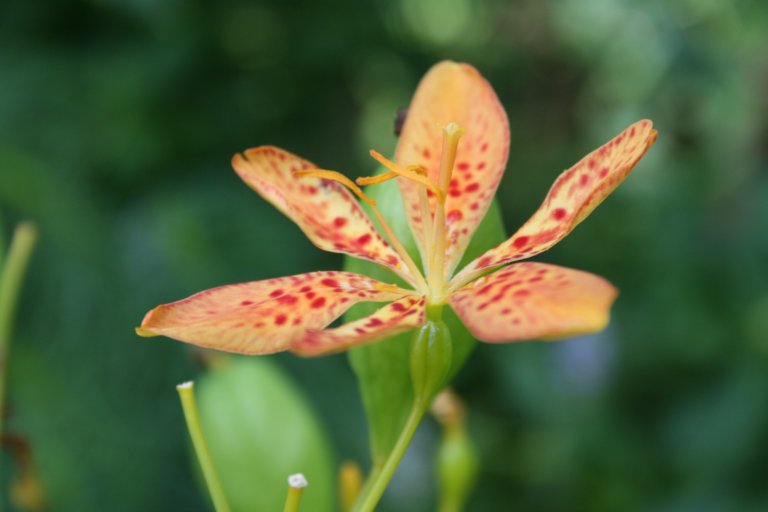 “The blackberry lily blooms at the end of July over several weeks. The flowers and seed heads make great cut flowers for arrangements. These lovely seedheads develop in autumn.” The first picture shows a close-up of the bloom.
 The second picture shows the plant in between the blooms and the immature green seedpods.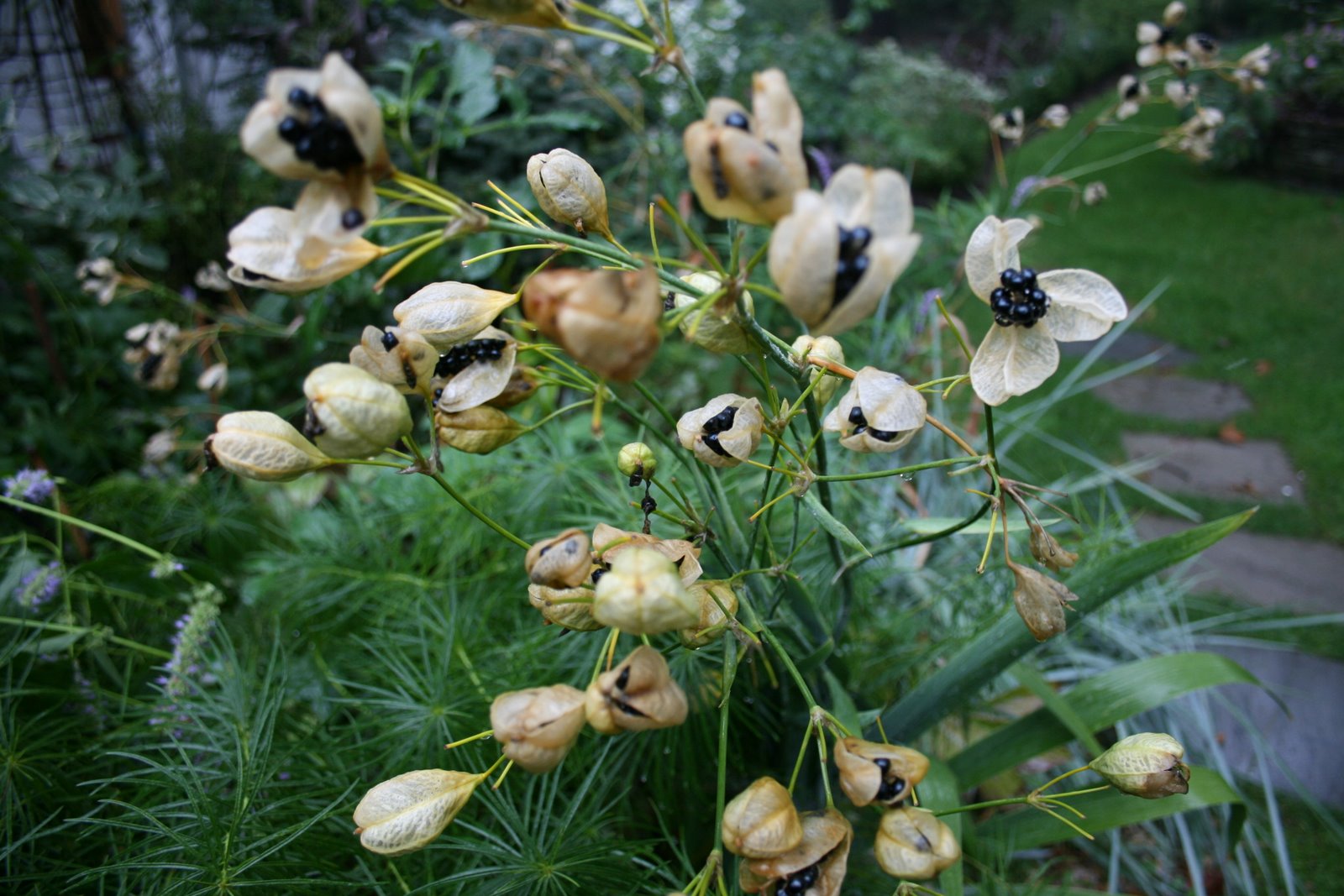
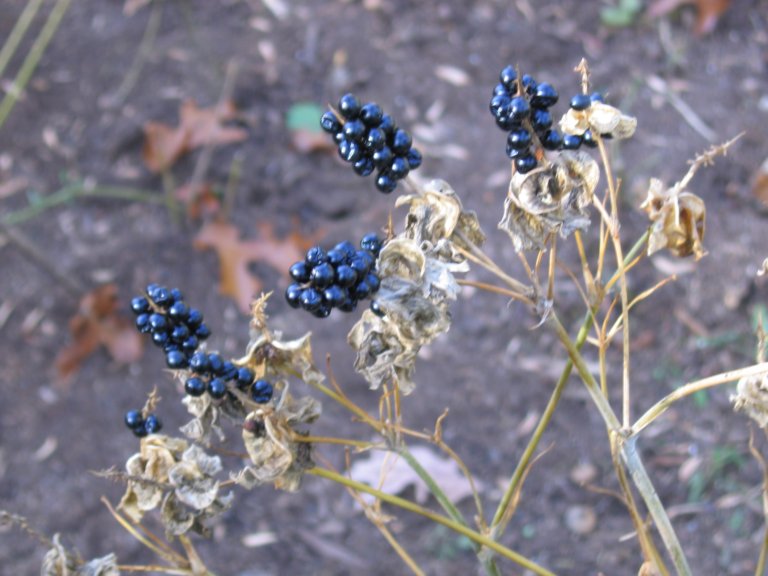
The third picture shows the plant shedding the now brown and papery seedpods to reveal the black seedheads from which they derive their name.
“Resist temptation: do not eat them. The seedheads persist into winter. They will drop and produce more plants the following spring. Although it does self seed, it is not prolific and gives a more natural look to the garden. The seedling take one to two years to reach blooming size. Note: they are deer resistant.”
Why Husbands Are (or Should be) Supportive of their Wives’ Gardening Interests: "When She is Happy, He Is."
Here’s something to think about. Megan Basham in the article “Who Wears the Pants” (October 10th) in The Wall Street Journal writes:
“In the past few years, stay-at-home moms have come under fire from some of feminism’s most hard-line mouthpieces. These mothers have been told that they’re letting down the sisterhood, endangering the economy and — most important — undermining their own position. By failing to bring in at least half the family income, it is claimed, they have rendered themselves powerless in their own homes…
But as it turns out, wives don’t need income to wield power in their marriages. And mothers don’t have much reason to fear losing power if they’re not bringing home an equal share of the bacon. A Pew Research Center study released a couple of weeks ago found that when it comes to decision making in the home, wives in a majority of cases either rule the roost or share power equally with their husbands, regardless of how much money the women earn…
To be fair, many of the scholarly studies’ conclusions include a ‘final say’ contingency — many husbands claim that they have veto power when they feel very strongly about an issue. But consumer research shows that with the exception of what car to buy and when to buy it, men rarely claim strong enough feelings to override their wives…
The general consensus of sociologists is that, whereas a woman’s marital satisfaction is dependent on a combination of economic, emotional and psychological realities, a man’s marital satisfaction is most determined by one factor: how happy his wife is. When she is happy, he is (emphasis added). Working within this framework, most husbands are unwilling to dig in their heels on any issue unless they have a tremendous incentive to do so…”
Index of Rose Photos on Heirloom Gardener (As of May 2009)
Here is an index of some of the rose photos that I have published on my blog over the past year. Some of the photos are accompanied with information about the rose and others are just pictures to enjoy. All of them are proven winners in my garden. As I post more, I’ll do my best to update this list periodically. For the most recent posts, click here.
Apothecary (June) close-up
Apothecary (June)
Ballerina
Ballerina Hips (December)
Belinda
Cecil Brunner (October)
Celsiana (June)
Complicata
Complicata Hips (December)
.
Crimson Glory (May)
.
Dortmund
Dortmund (June)
Dortmund (October)
Dortmund Hips (December)
Excellenz von Schubert (November)
Fairy (October)
.
Felicite Parmentier (May)
.
Ferdinand Pichard
Graham Thomas (October)
Hansa
.
Henry Martin
.
Heritage (October)
Heritage Hips (November)
Heritage (December)
Jacques Cartier
Louis Odier (June)
.
Madame Plantier
.
Noisette (June)
Penelope (June)
Penelope (October)
Penelope Hips (November)
Rose de Rescht
Rouletti (June)
Rouletti (October)
Russell’s Cottage (June)
Russell’s Cottage Rose
Sophie’s Rose (November)
Star of the Republic (June)
Star of the Republic
Sweet Brier hips (November)
Theresa Bugnet (June)
Thomas Affleck (October)
Veichenblau
Violetta (June)
Virginiana hips (November)
Blog Action Day 2008: Three Types of Poverty
As a part of Blog Action Day 2008 on Poverty, here are three thoughts:
1. Natural Poverty. Least importantly, but most related to gardening, I believe that there is a natural poverty related to our increasing disconnection from nature. From Last Child in the Woods by Richard Louv:
“Within the space of a few decades, the way children understand and experience nature has changed radically…Today, kids are aware of the global threats to the environment–but their physical contact, their intimacy with nature, is fading…”
2. Material Poverty. Most immediately, material poverty is increasing in all of our communities, which is particularly hurting the poorest of the poor. Our priest has noted that our local food pantries which are typically well stocked all week are currently running out of food on Mondays. His direction to us? Come to church each Sunday with a donation of food. In addition, two great organizations to support which serve the poorest of the poor in the New York-New Jersey and many other areas around the world are:
a. Franciscan Friars of the Renewal
b. Missionaries of Charity
3. Moral Poverty. As a big fan of Russian literature, I read with great interest the August obituaries written in memory of Alexandr Solzhenitsen. All mentioned the critique of the West delivered at Harvard on June 8, 1978. From the address:
“However, in early democracies, as in American democracy at the time of its birth, all individual human rights were granted because man is God’s creature. That is, freedom was given to the individual conditionally, in the assumption of his constant religious responsibility. Such was the heritage of the preceding thousand years. Two hundred or even fifty years ago, it would have seemed quite impossible, in America, that an individual could be granted boundless freedom simply for the satisfaction of his instincts or whims.
Subsequently, however, all such limitations were discarded everywhere in the West; a total liberation occurred from the moral heritage of Christian centuries with their great reserves of mercy and sacrifice. State systems were becoming increasingly and totally materialistic. The West ended up by truly enforcing human rights, sometimes even excessively, but man’s sense of responsibility to God and society grew dimmer and dimmer.
In the past decades, the legalistically selfish aspect of Western approach and thinking has reached its final dimension and the world wound up in a harsh spiritual crisis and a political impasse. All the glorified technological achievements of Progress, including the conquest of outer space, do not redeem the Twentieth century’s moral poverty which no one could imagine even as late as in the Nineteenth Century (emphasis added).”

Garden Bloggers’ Bloom Day: Autumn Blooming Roses in New Jersey
It’s time again for Garden Bloggers’ Bloom Day at May Dreams Gardens: yes, it’s October and spring bulb planting and autumn cleanup has begun, but some of the roses are still blooming. While less numerous than the blooms of May-June, the autumn roses are especially welcome for their deeper colors that come from the cooler weather.
 Dortmund on the arbor in the Cutting Garden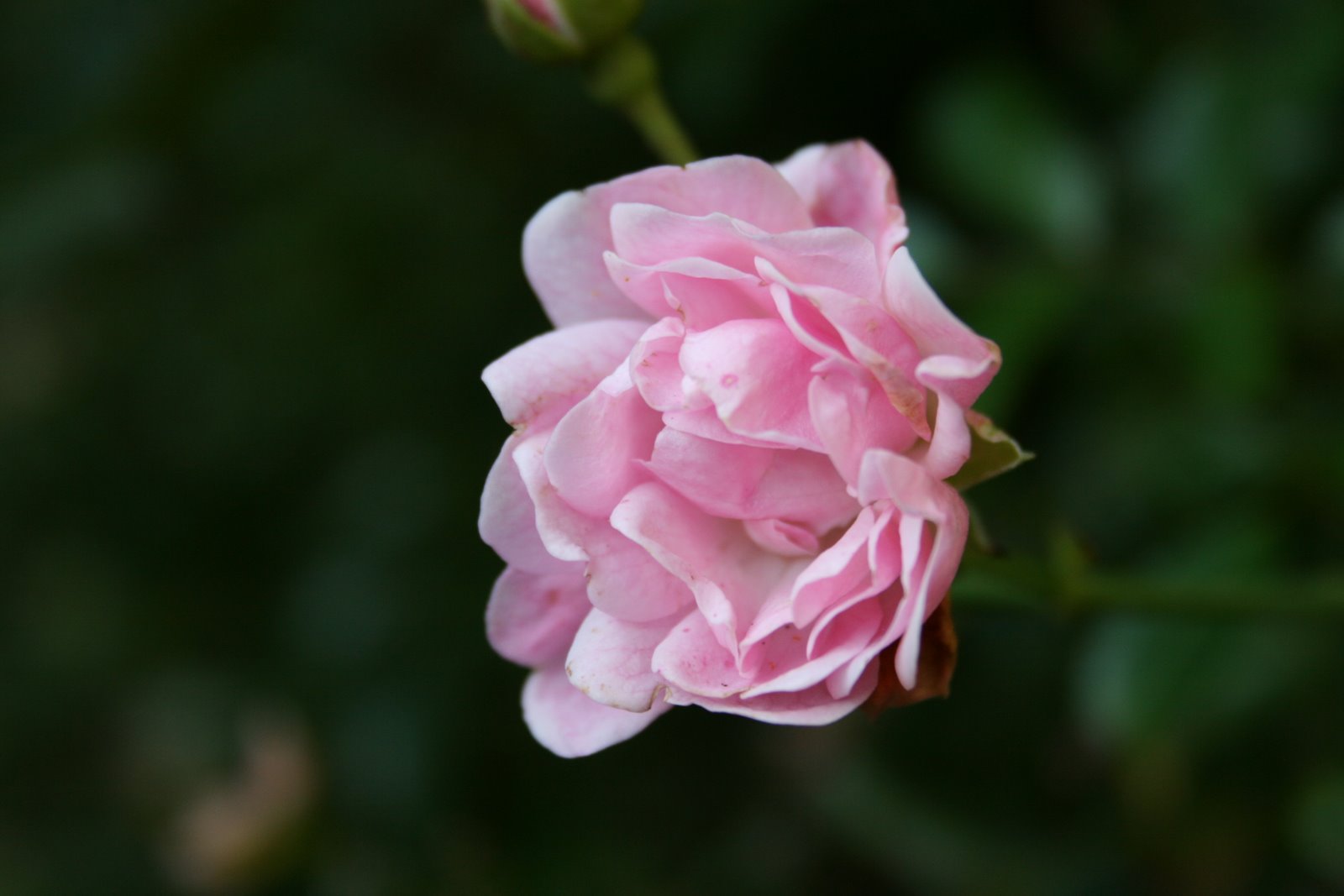
Roulette in the Egg Garden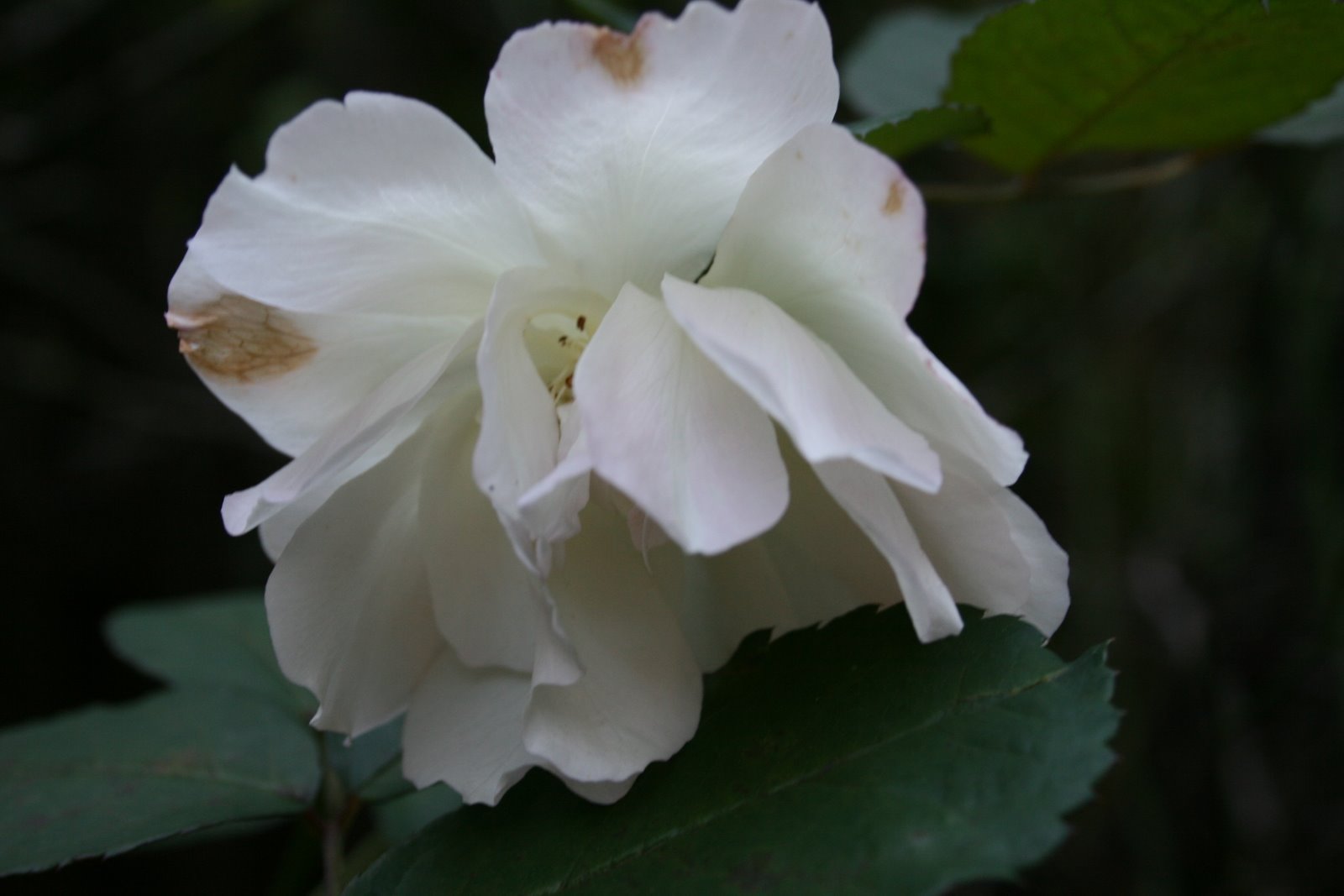 Penelope in the Rose Garden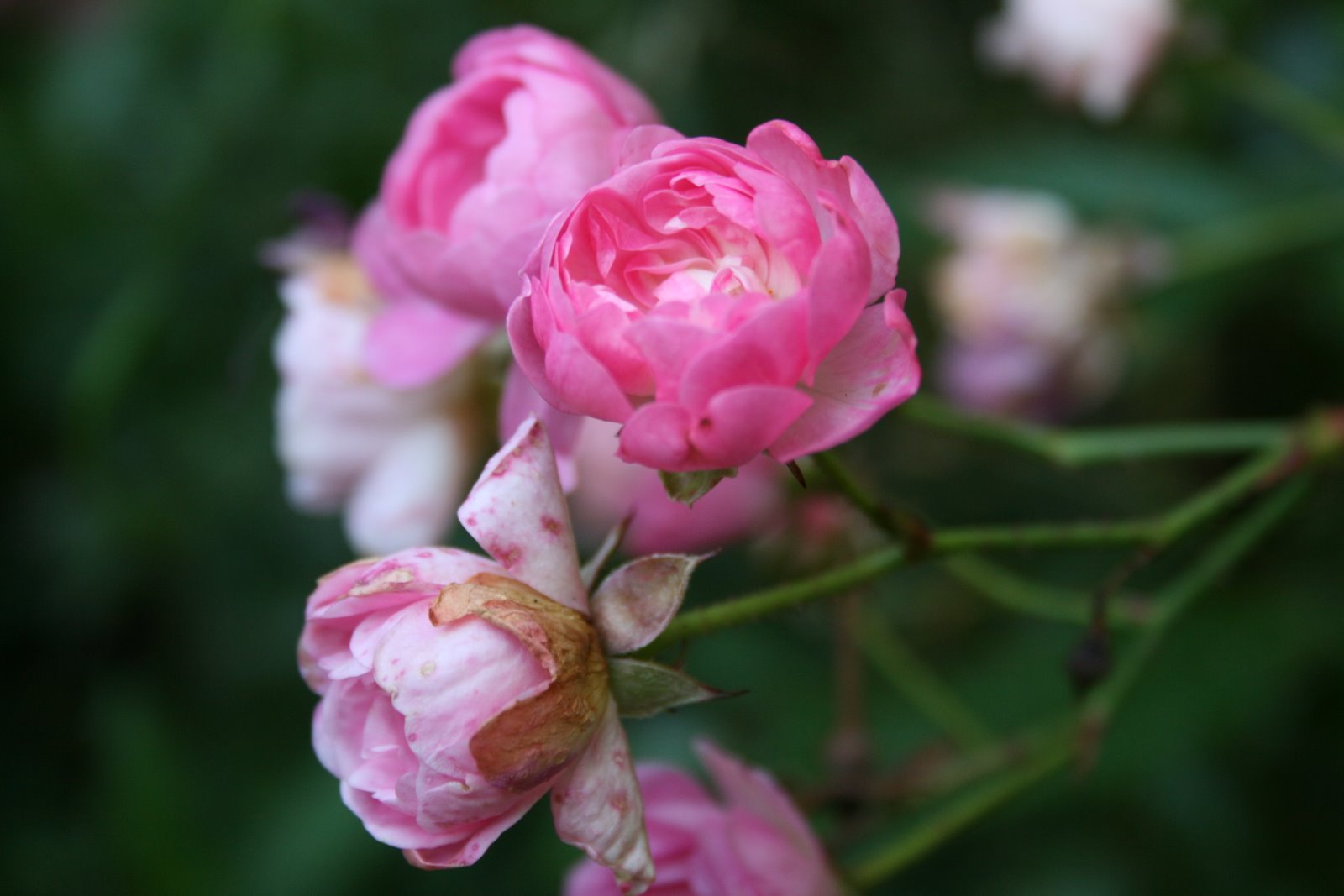
Fairy in the Egg Garden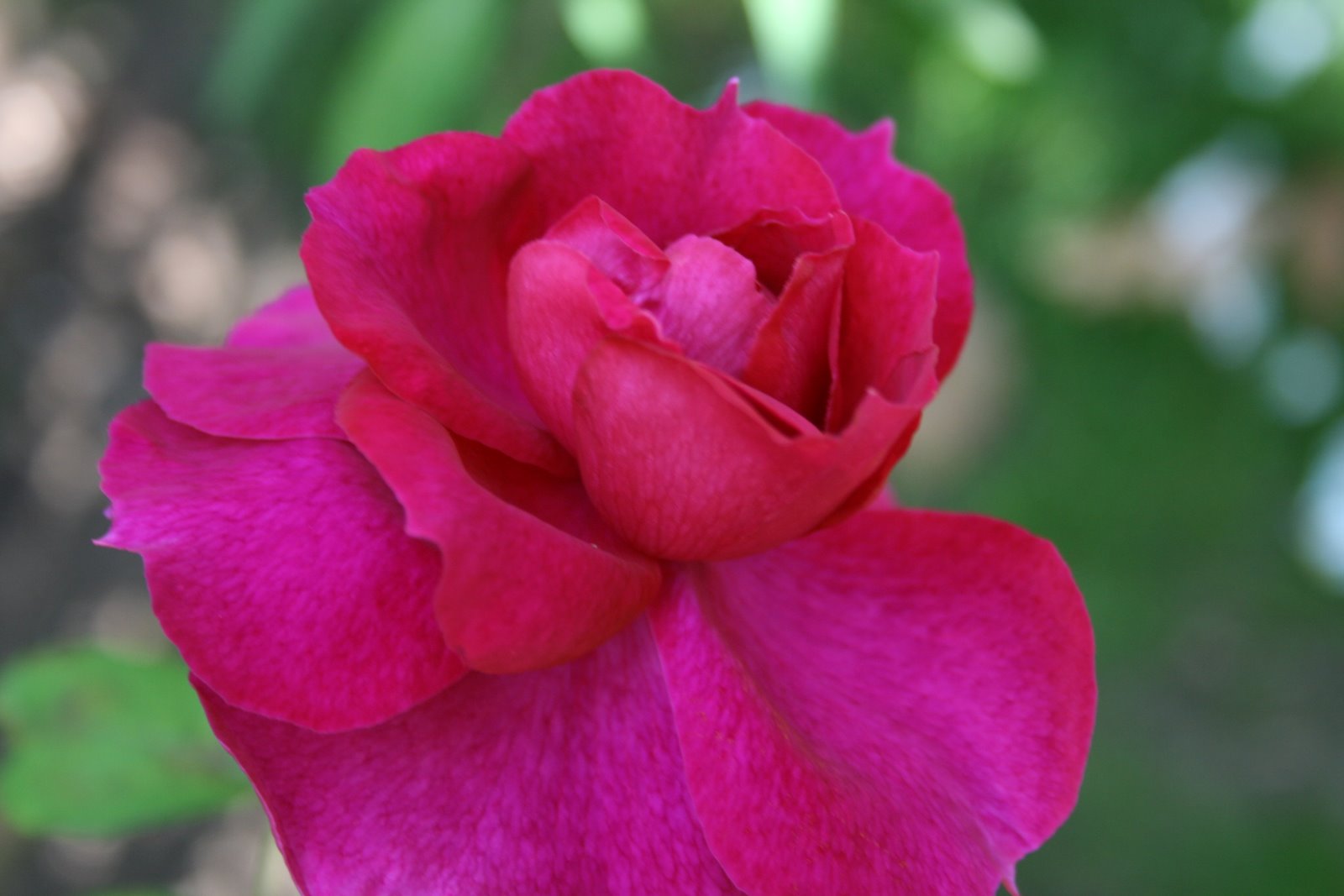
Thomas Affleck in the Children’s Garden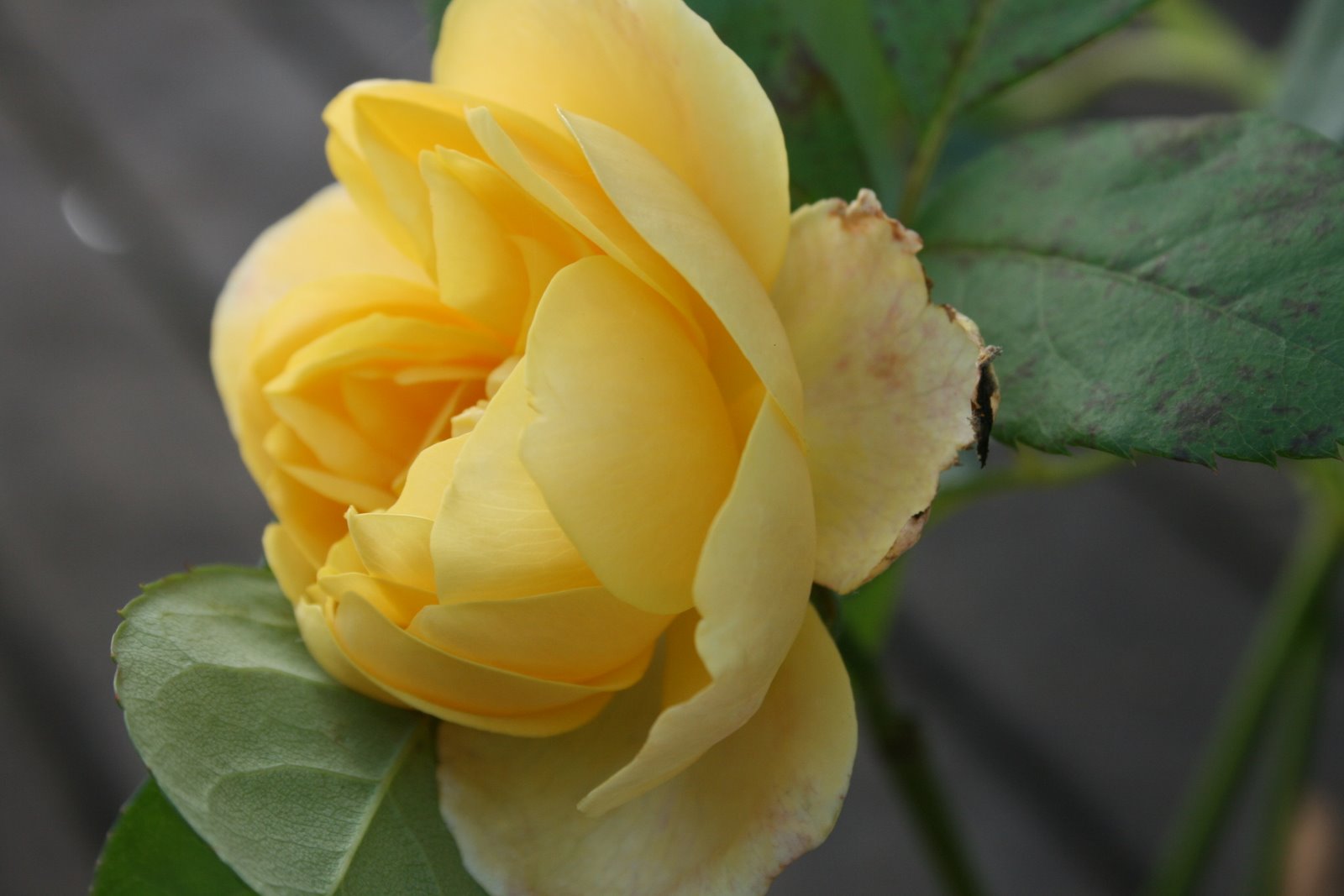 Graham Thomas in the Cutting Garden
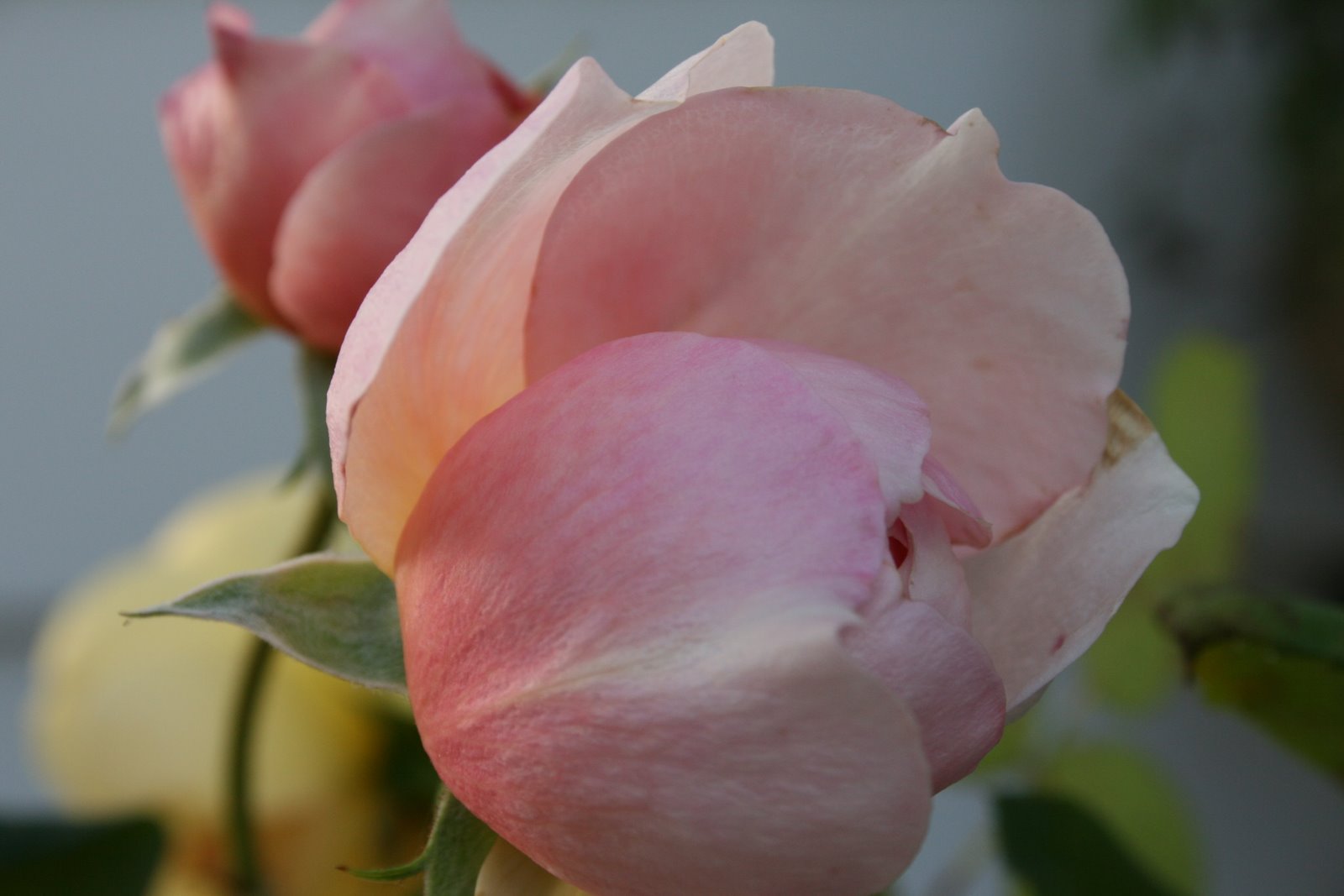 Heritage in the Children’s Garden
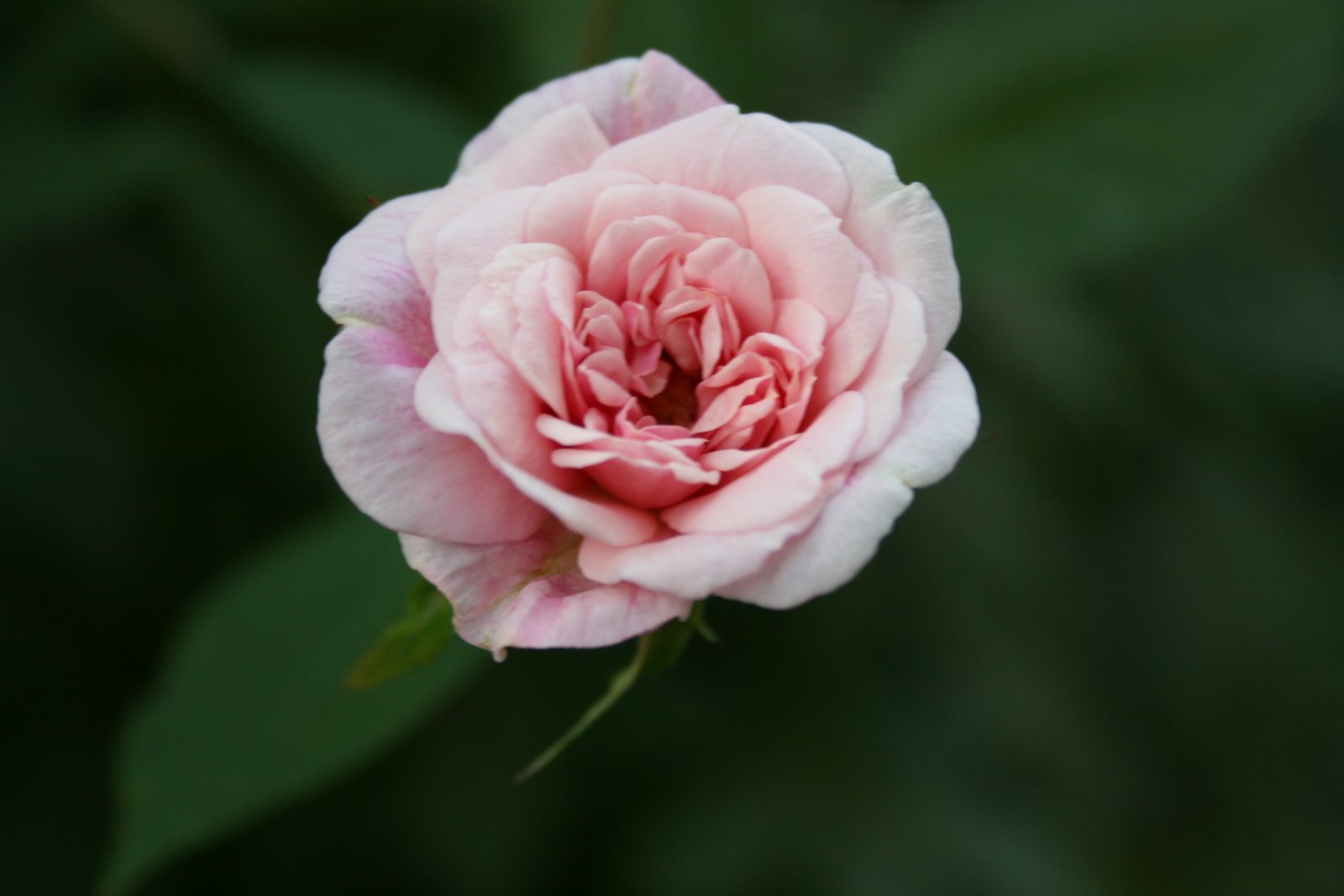 Cecil Brunner on Goldberry Hill
Plant Delights Nursery: A Slide Show of One of Heirloom Gardener’s Favorite Nurseries
Ken Druse of the New York Times put together this great slide show of the gardens at one of my favorite nurseries: Plant Delights Nursery in Raleigh, North Carolina. Also, if you’ve never seen it, they also have the most humorous illustrations mixing gardening and political satire on the front of their catalogs.
 Heirloom Gardener