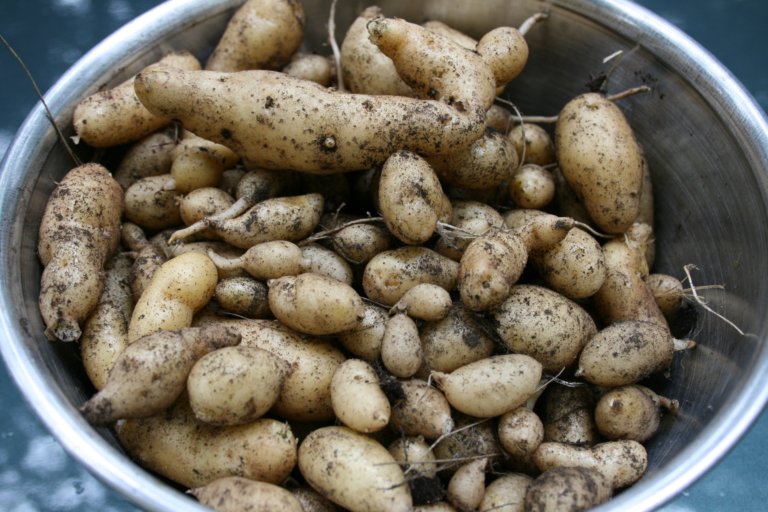
 Way back in May, I wrote about my eight year old son’s preparing and planting the seed potatoes in our raised vegetable beds. After months of watering, tending, and fighting off the potato beetles, he eagerly dug up the potatoes all by himself (this post is a few weeks late). From just a few plants, we got an entire bowl of these tender fingerling potatoes. After we cleaned, boiled, buttered, and salted them, they were the delight of our meal. My son was quite proud of himself.
You Can Never Have Too Many Dahlias
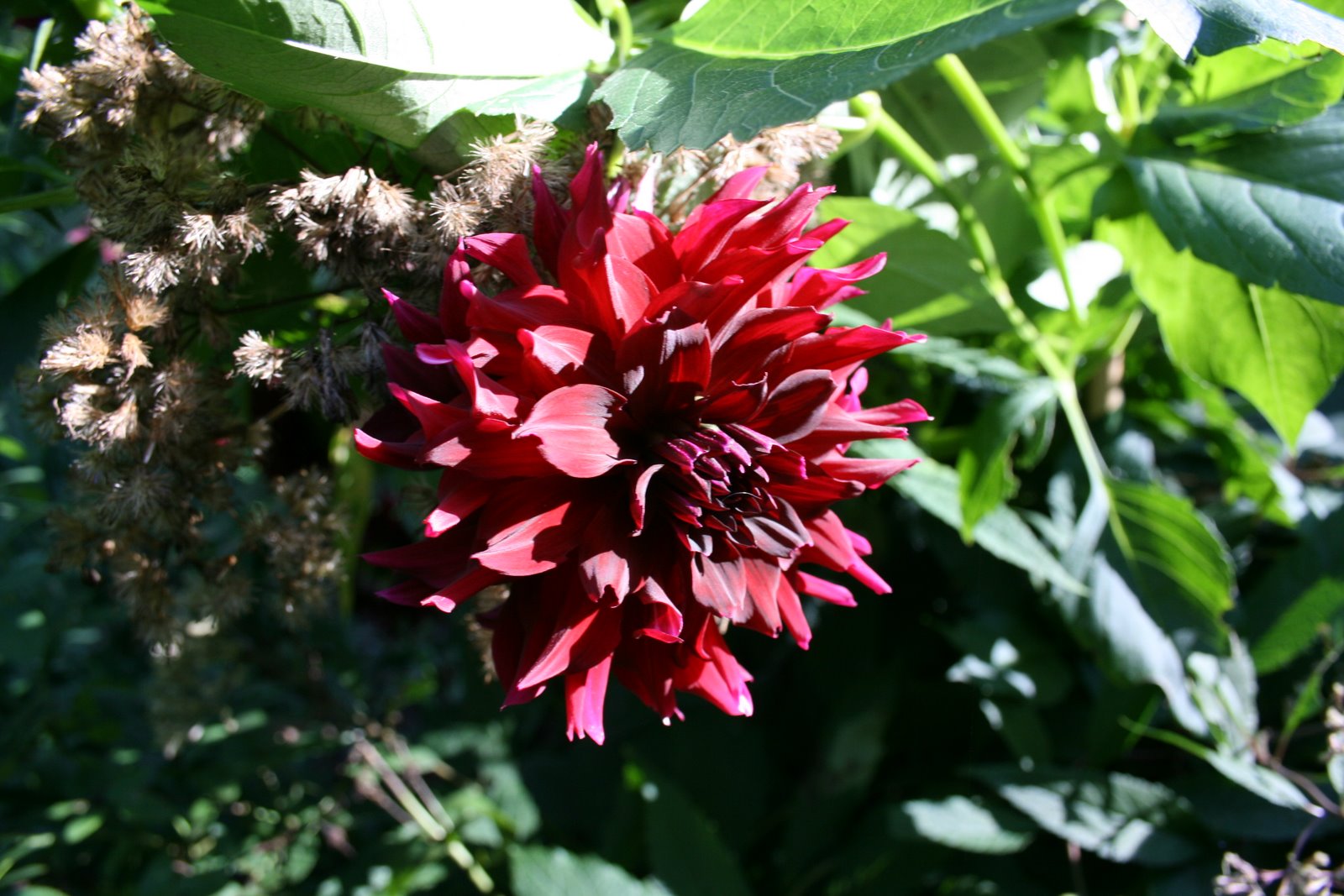
As a follow-up to my September Garden Bloggers’ Bloom Day post, here are some additional pictures of those beautiful dahlias.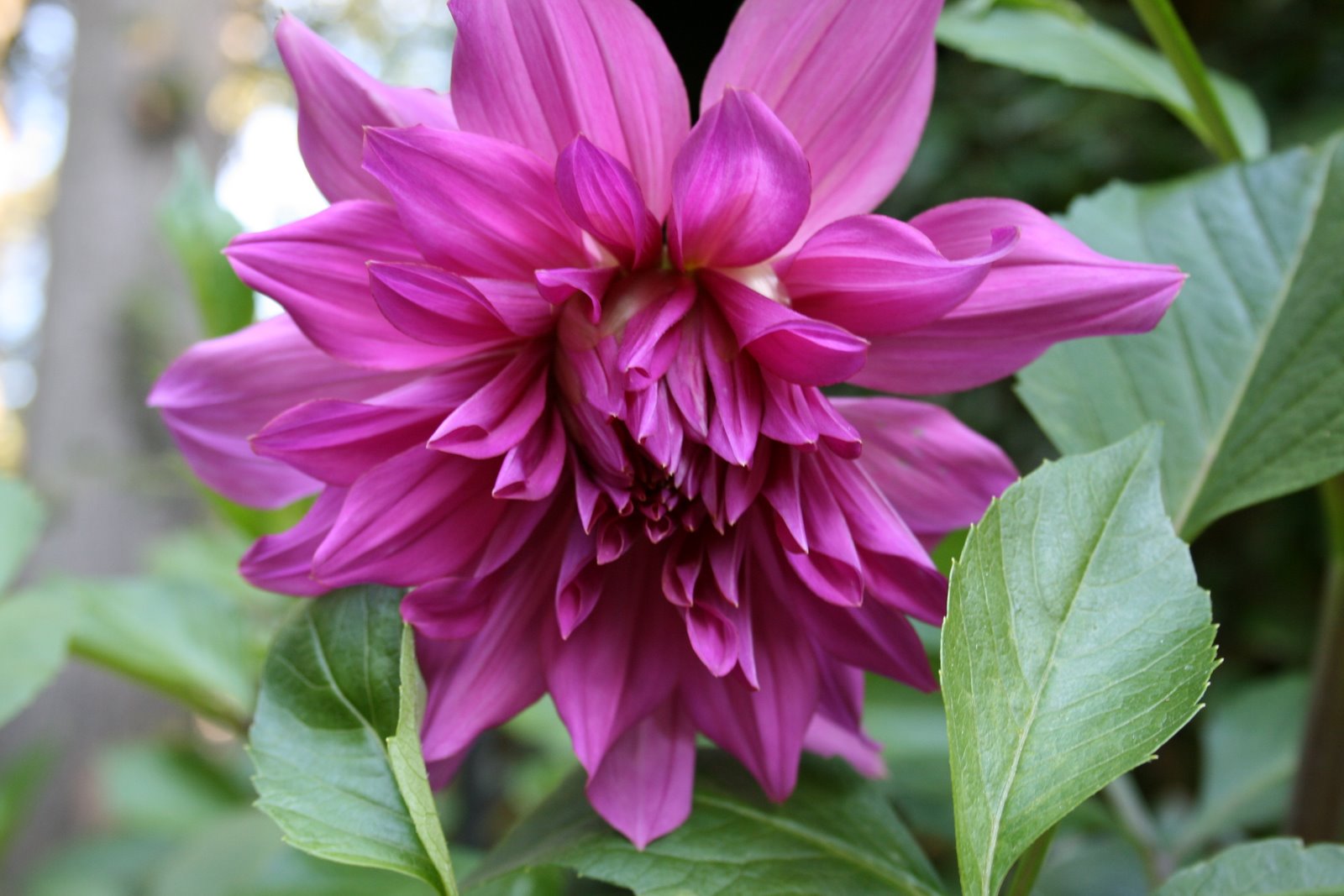

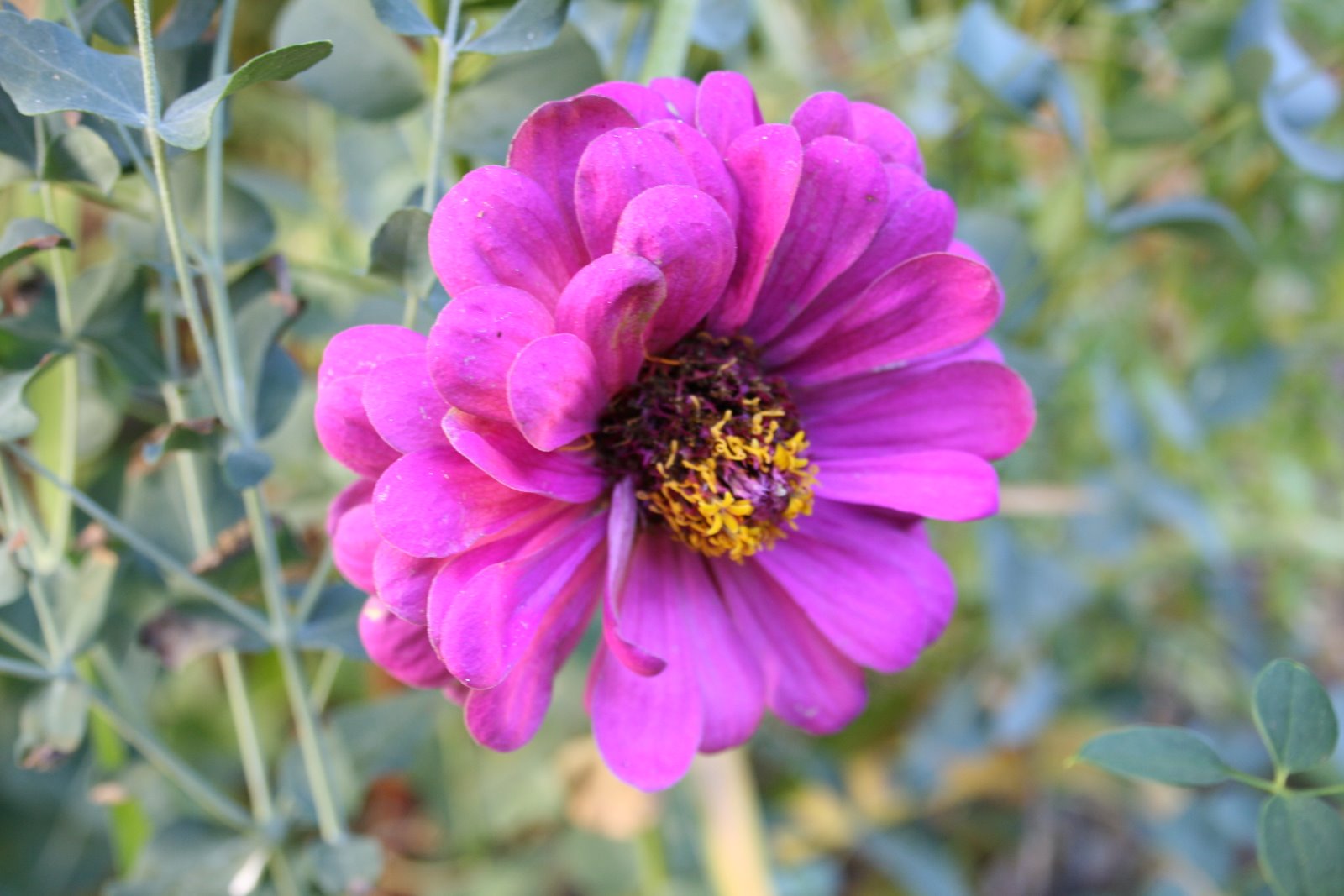
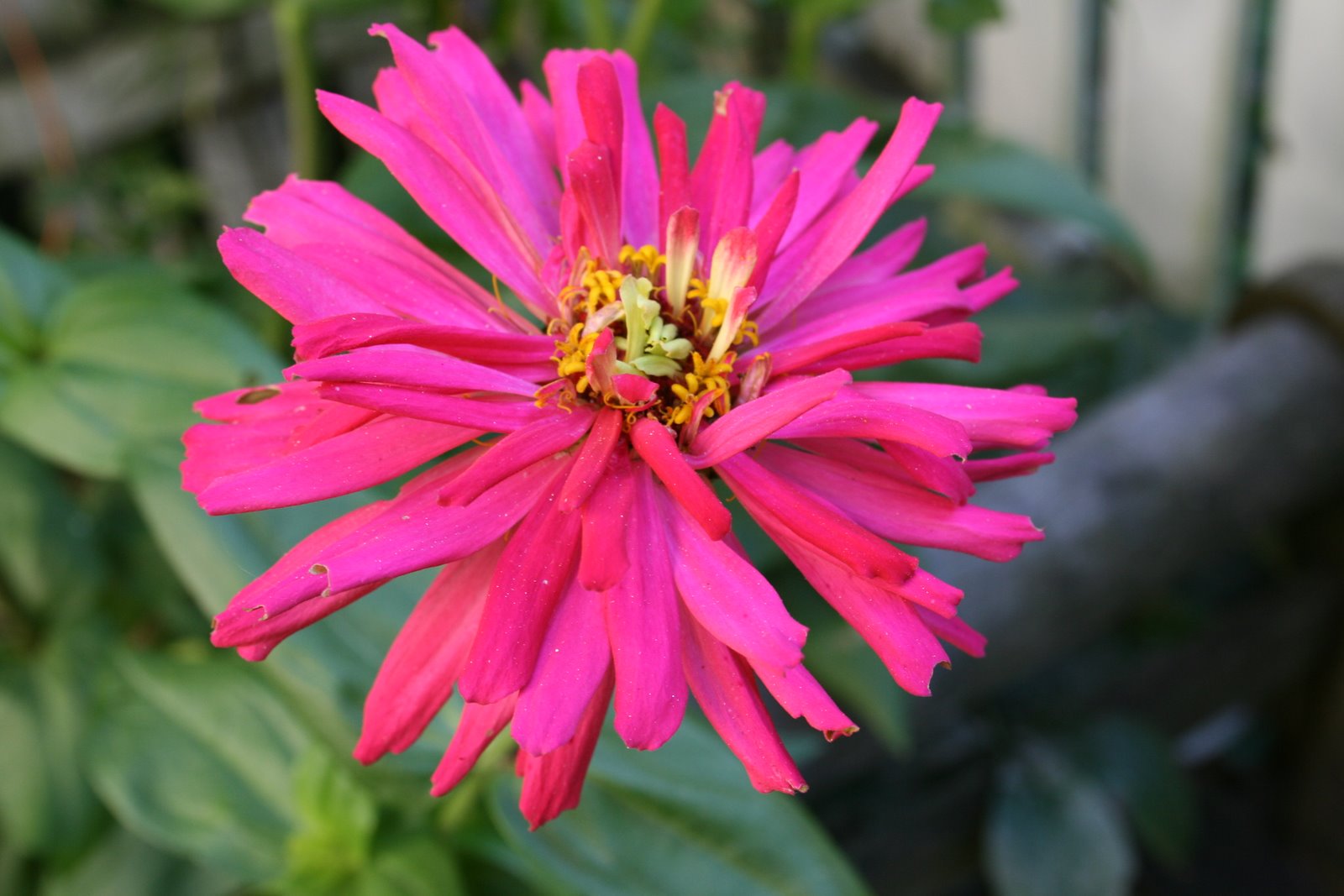
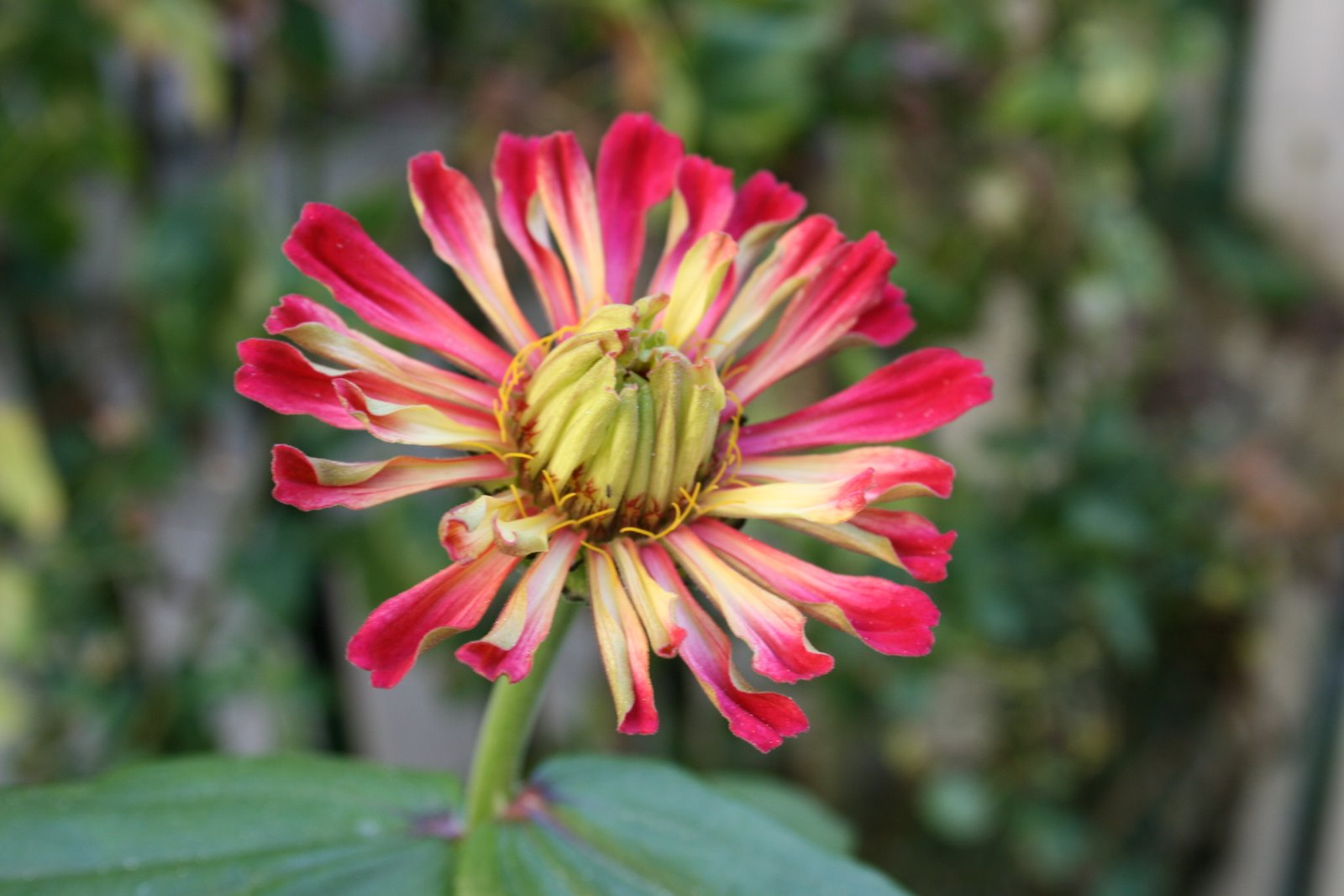
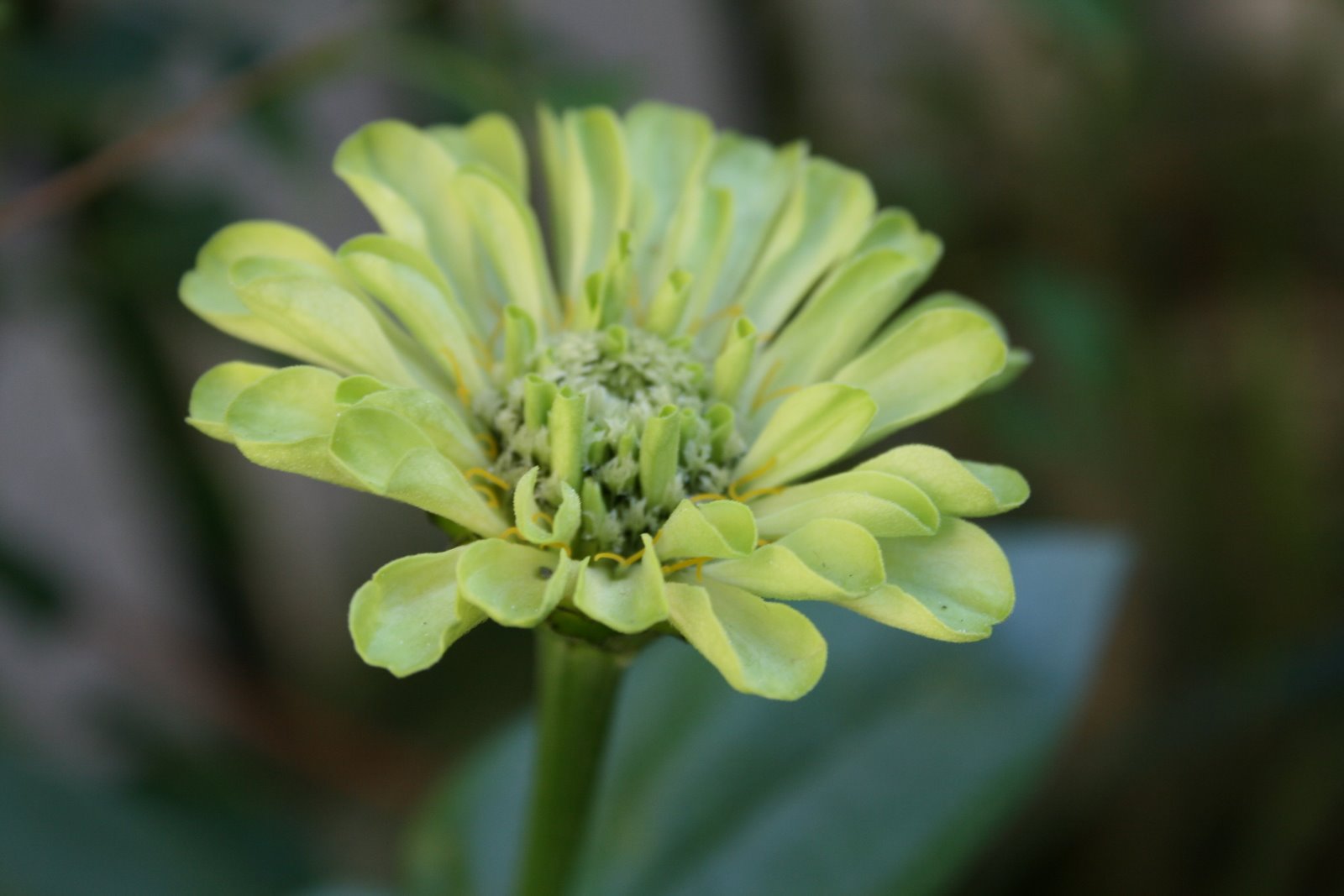
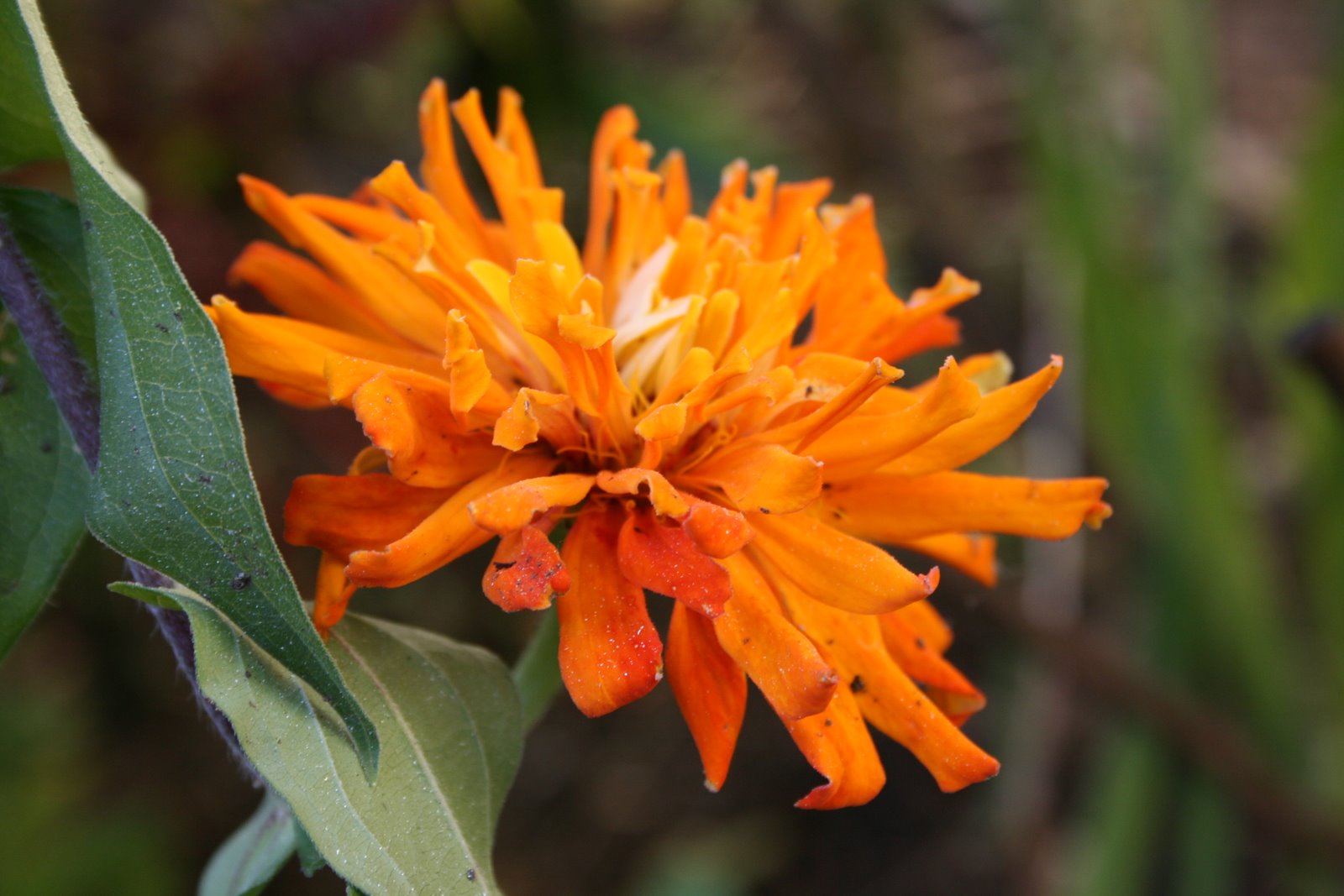
Great Cutting Flowers: Annual Zinnias
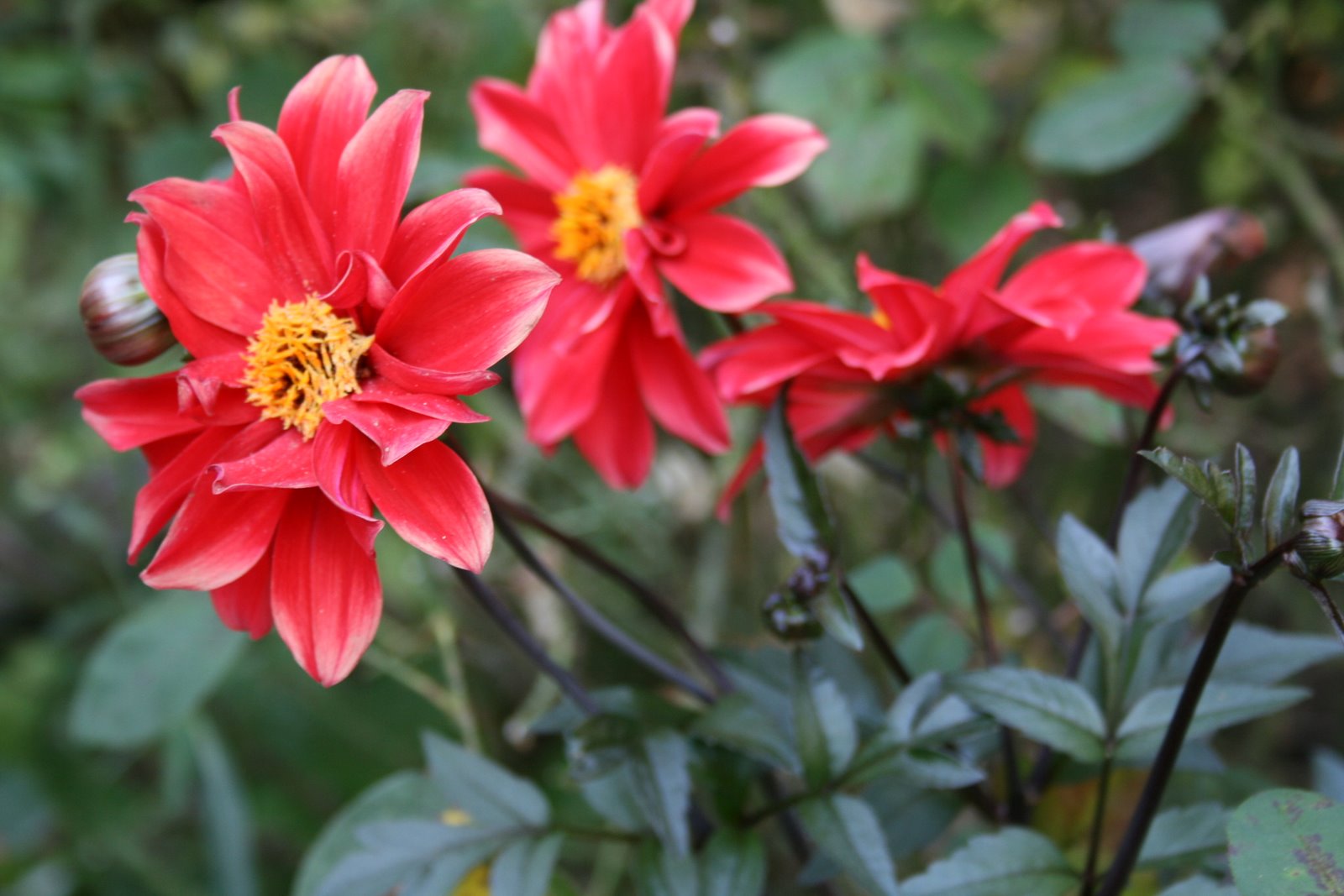
These annual zinnias are some of my children’s favorite flowers in the garden. As you can see, they come in a wide array of bright, happy colors and are great for cutting. They produce flowers for months. At this time of year, they are great for mixed bouquets with dahlias and sunflowers. In my garden, I grow them primarily in the Cutting Garden to keep them away from the groundhog.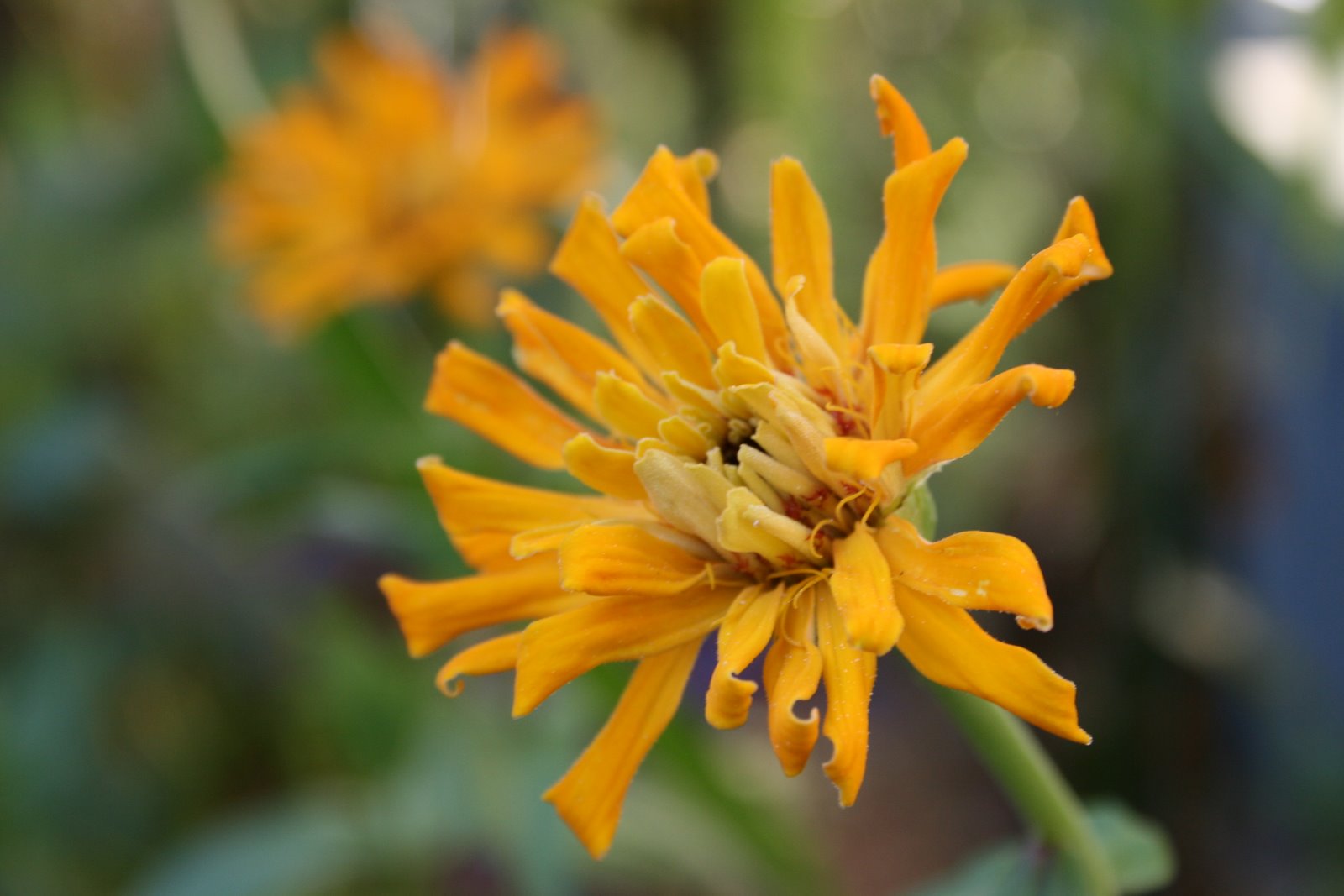
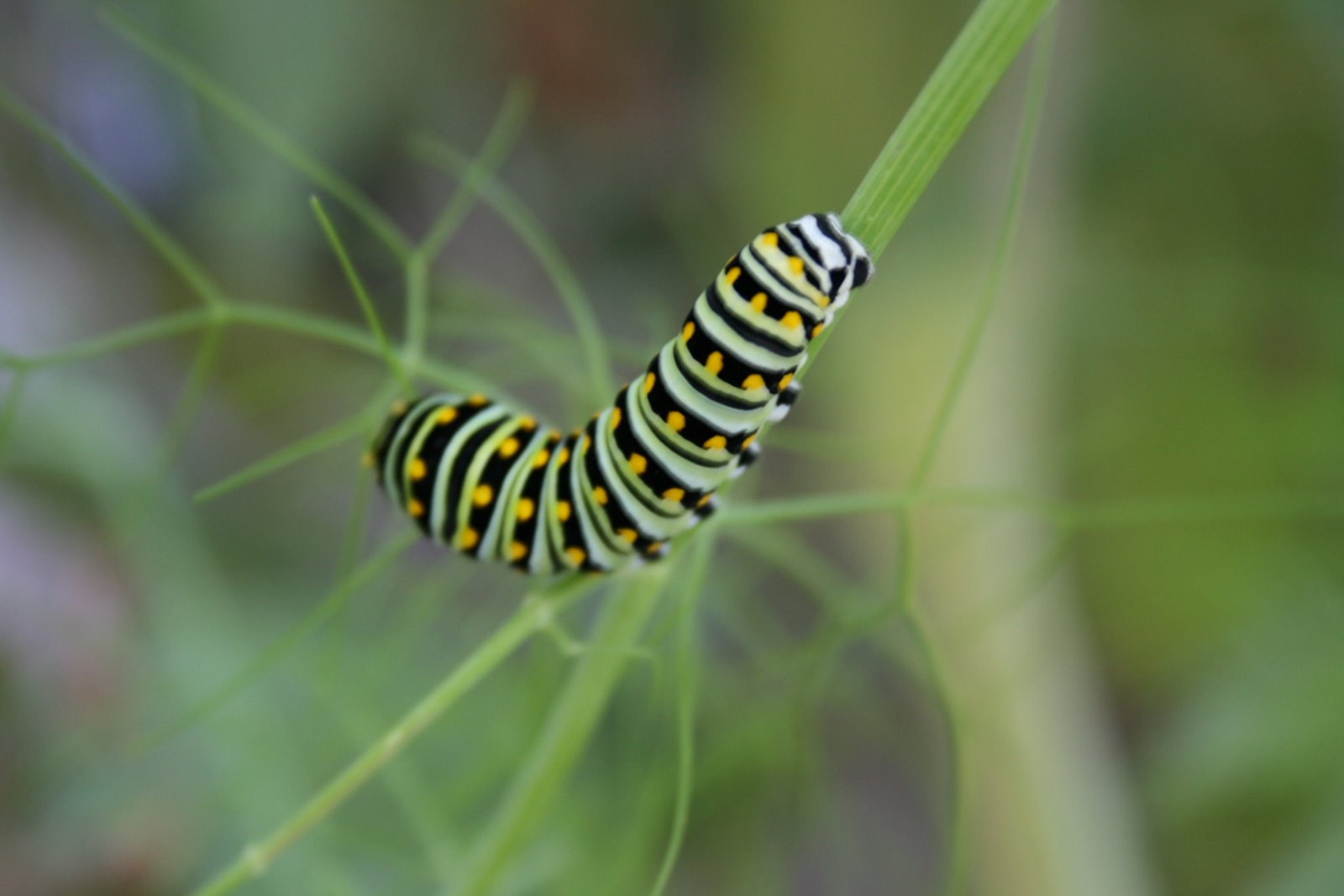
Swallowtail Caterpillar (Pterourus glaucus)
As a follow-up to my prior post of the beautiful Swallowtail butterfly, the fennel in the pot on my deck is now covered with these attractive Swallowtail caterpillars. The photo doesn’t fully capture the vibrant contrast between the black, white, and green stripes and the iridescent yellow spots that make these caterpillars even more flamboyant than the monarch caterpillars (pictured in a prior post).
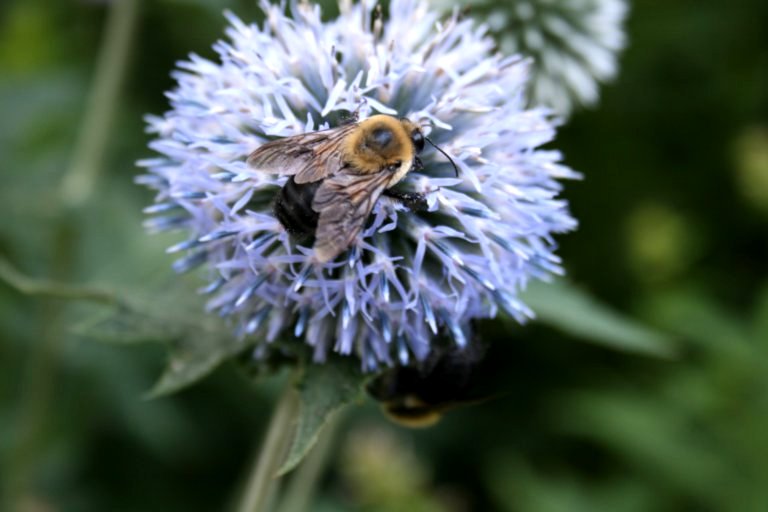
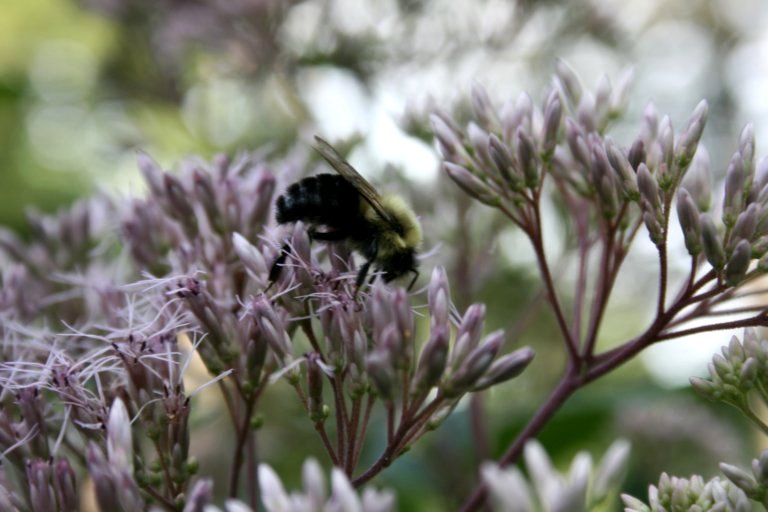
Annuals and Perennials to Help Save The Bees
I’ve been reading for over a year now about the decline in the global bee population. This season, there was even a noticeable decrease in our local bees. In today’s Wall Street Journal, Josie Glausiusz reviews Fruitless Fall by Rowan Jacobsen which examines what’s happening. Sadly, Ms. Glausiusz writes:
“No one knows where the bees have gone. No one knows the cause, either, though theories abound, ranging from the absurd (cellphones, the hole in the ozone layer) to the alarming (rampant pesticide use, widespread loss of habitat). After extensive interviews with beekeepers and bee biologists, Mr. Jacobsen concludes that a “rogue’s gallery” of stresses may have driven honeybees to the edge: parasitic mites and beetle beehive-invaders, and a slew of bacterial, fungal and viral diseases, not to mention “pesticides, antibiotics, malnutrition, urbanization, globalization and global warming.” Florida’s state apiarist, Jerry Hayes, tells the author: “I’m surprised honeybees are alive at all.””
My favorite ice cream maker, Haagen Dazs, has set up a website http://helpthehoneybees.com/. On this website, under “How you can help,” it suggests four things: plant bee-friendly plants; donate to universities that are doing research on Colony Collapse Disorder; support beekeepers; and tell your friends. The bee-friendly plants they suggest are: lavender, glory bushes, jasmine, rosemary, coreopsis, violets, thyme, wisteria, bluebells, trumpet vine, sunflowers, cosmos and cone flowers.
Well, I’ve already planted most of these bee-friendly plants and now I’m telling my friends. Please do the same!
Busy, Busy Bumblebees

Spider Flowers (Cleome)
As a follow-up to my earlier post about self-seeders, here are some additional pictures of this season’s spider flowers (cleome) that better capture their beauty and complexity.
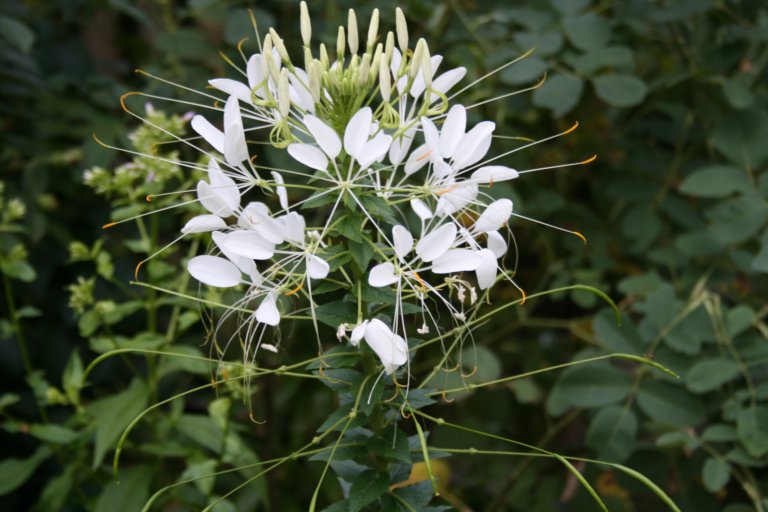 “Spider flowers (cleome) are big and are sometimes hard to plant in the garden without them looking like stiff soldiers. But once spider flowers are allowed to self seed, it transforms them. They look very natural growing through other plants and often to different heights depending on where they are.
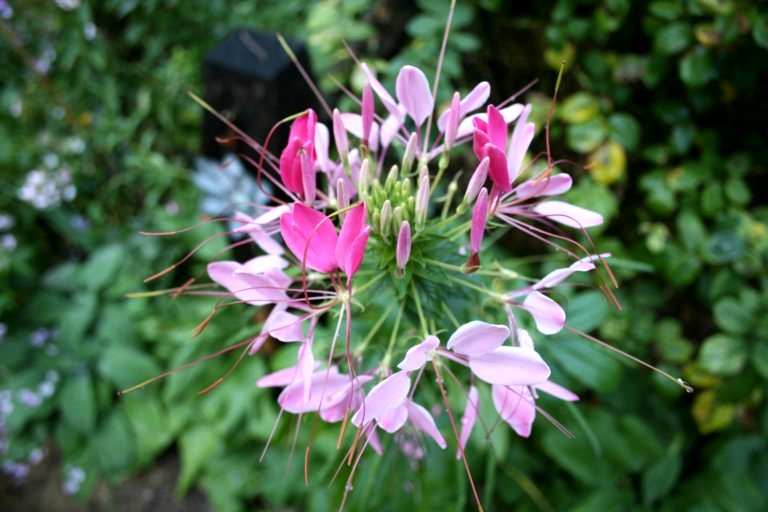 They also have a range of color. In the front of Goldberry Hill, I only allow violet ones. In the Egg Garden, I try to keep more white than pink. In the Children’s Garden, they are mostly pink because my daughter loves pink. Also, as the first plants become leggy, plants from seed which germinated later reach up to cover up the old bare stalks.”
Garden Bloggers’ Bloom Day: Dahlias in New Jersey – September 2008
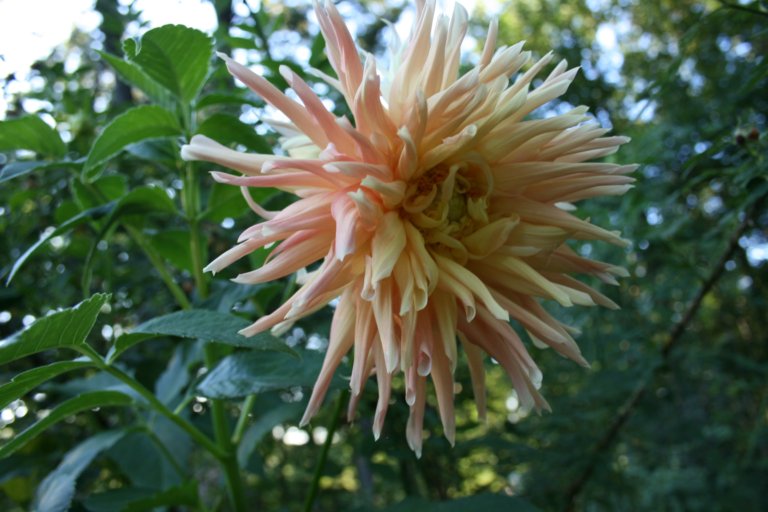
For the September 2008 Garden Bloggers’ Bloom Day, I’m sharing with all of you one of my favorite late summer/autumn flowers–dahlias (another favorite are the sunflowers that I recently posted about).
I plant the dahlia tubers in the spring and watch them grow, grow, grow. The tallest grow to be over six feet tall. They are the perfect cutting flower: the more flowers you cut, the more they bloom. I plant them throughout my garden–throughout the mixed borders, in the Rose Garden, in the Cutting Garden, in the Children’s Garden, really everywhere. At the end of the season, I dig up the tubers and over-winter them in my basement.
The varieties you see here are from Brent and Becky’s Bulbs, Old House Gardens, and Plant Delights. I am particularly fond of the dark-colored ones.
Check out all of the Garden Bloggers’ Bloom Day posts at May Dreams Gardens.
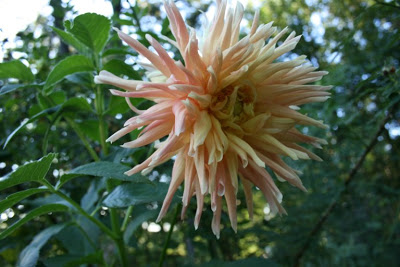 Arab Queen.
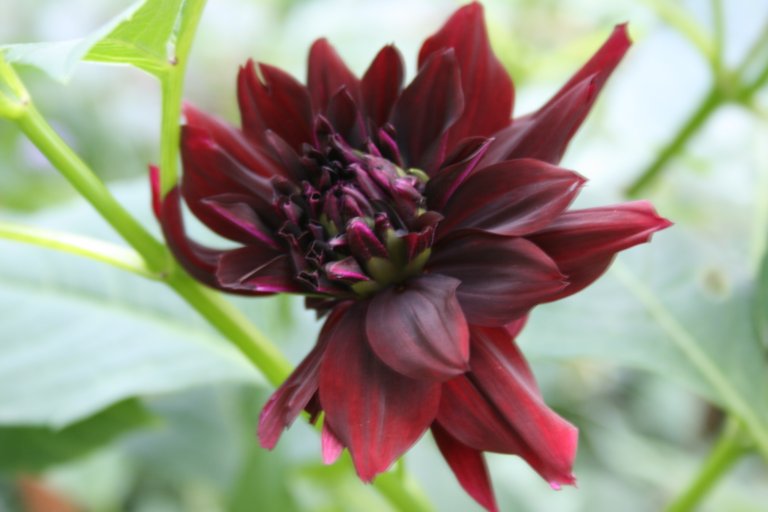 Arabian Knight.
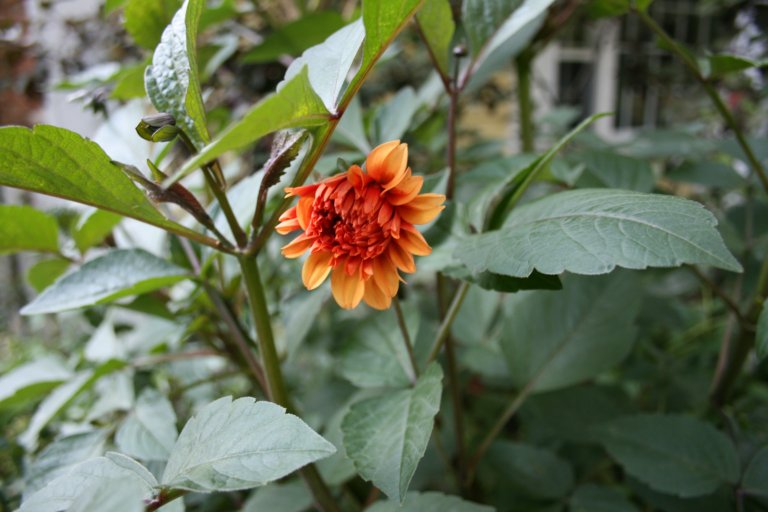 David Howard.
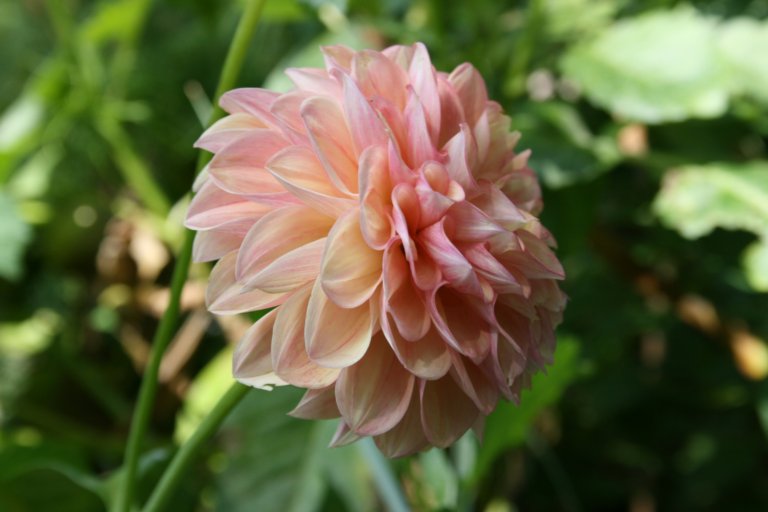 I forget.
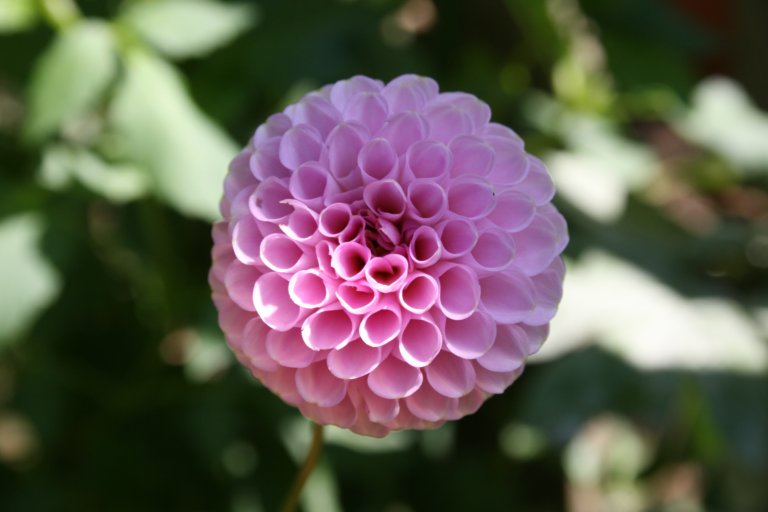 Betty Anne.
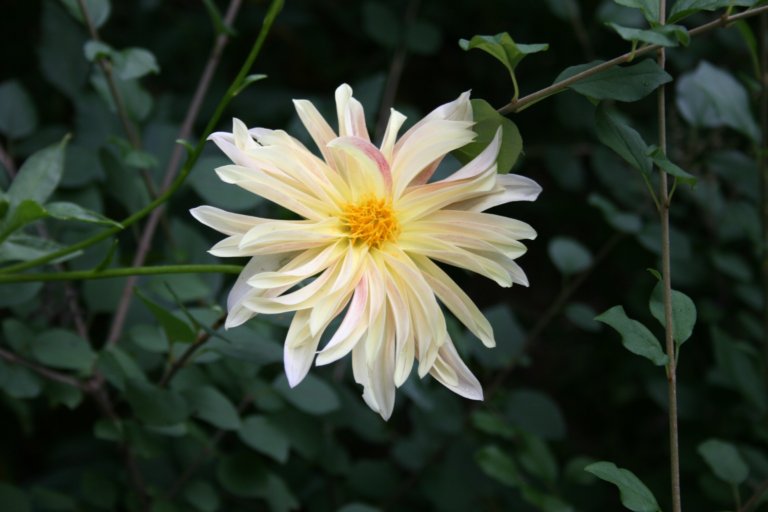 Giraffe.
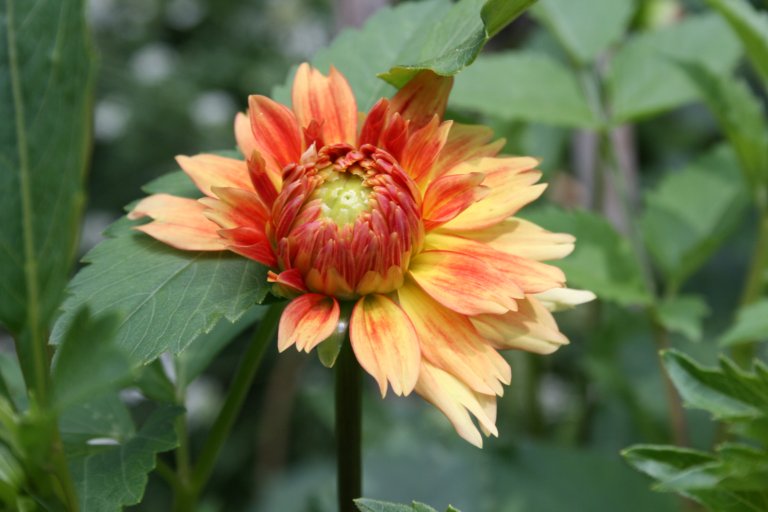 Old Gold.
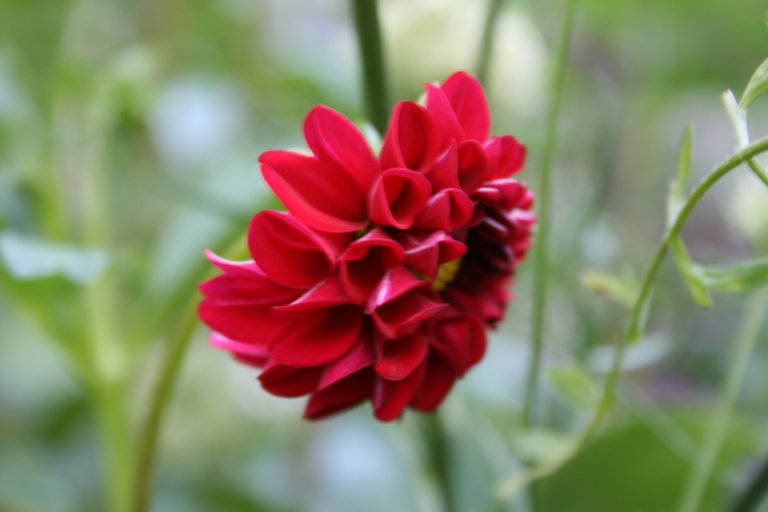 I forget.
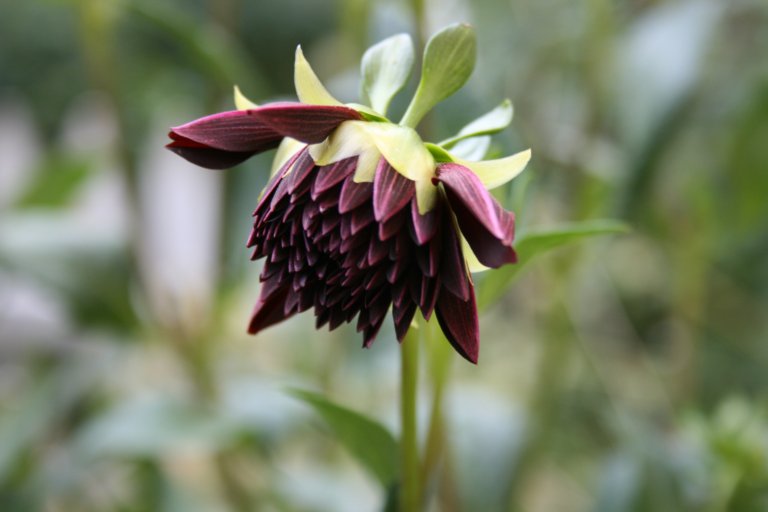 Prince Noir.
The Monarch Butterfly (Danaus plexippus) emerges from its chrysalis and another feeds on a Mexican Sunflower (Tithonia rotundiflora)
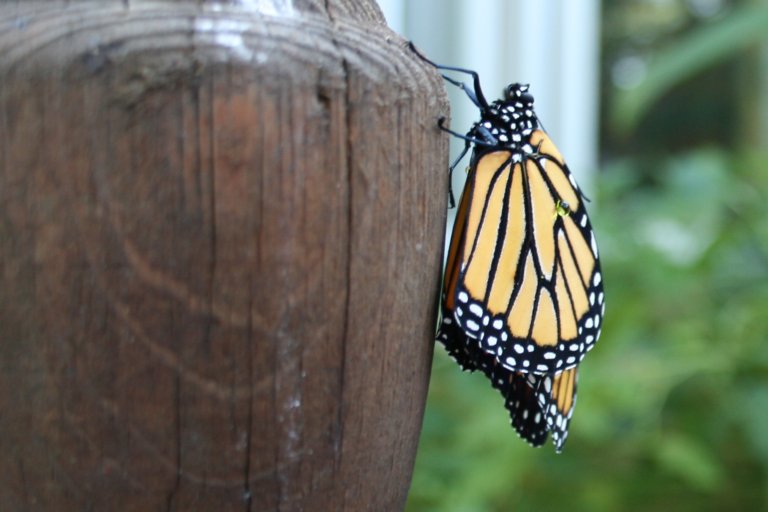 As a follow-up to my prior post about the monarch caterpillars we have been enjoying and the chrysalis we found of our deck, my five year old son actually found the new butterfly after it emerged from its chrysalis. We didn’t see it actually come out, but we knew this was the one because it was was walking on the deck a few inches away from the old chrysalis with its moist, unfurled wings. It didn’t fly away for a few hours.
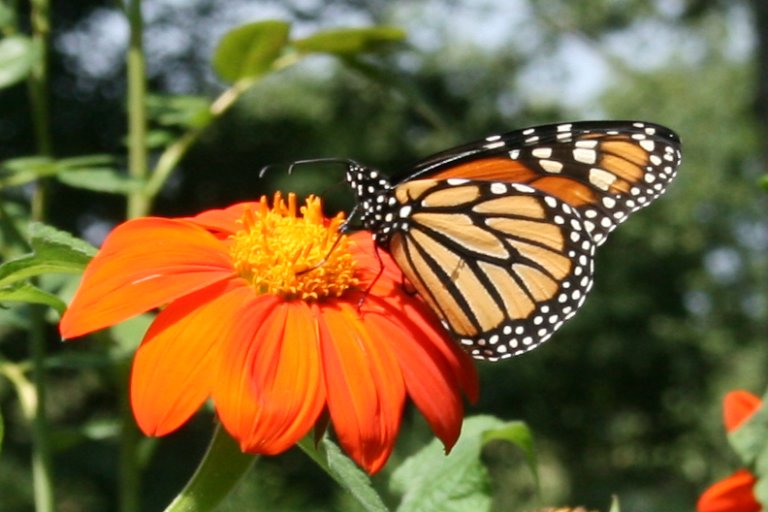 Here’s a picture of another beautiful monarch I caught feeding on our Mexican sunflower in the Children’s Garden. Unlike some other butterflies, I find that these monarchs don’t let you get too close.
  Heirloom Gardener