
Photo Contest: Abundant Harvest
I just squeezed in my entry at the last minute for this month’s Picture This Photo Contest at Gardening Gone Wild. The subject is Abundant Harvest and you can see my entry here.
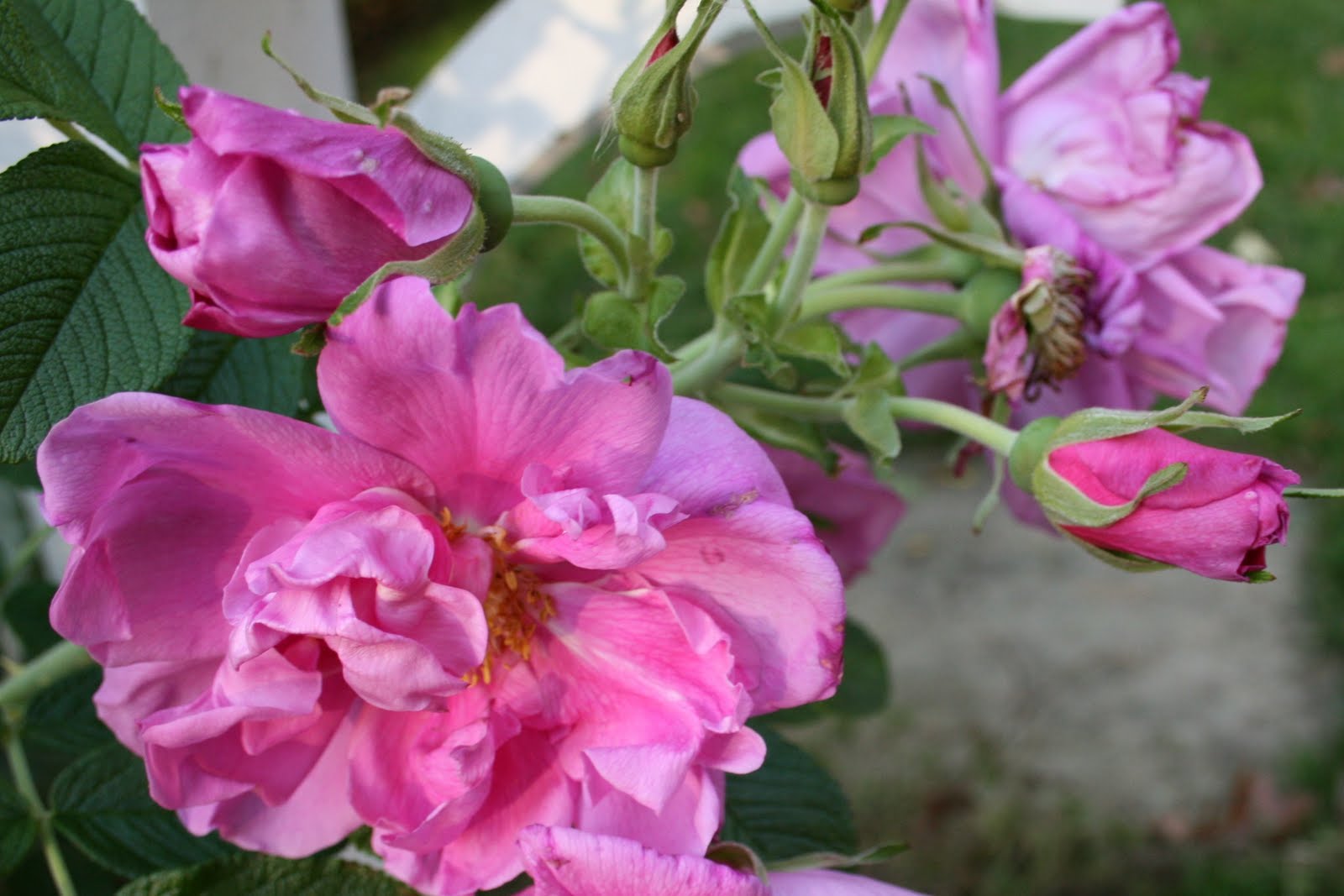
End of Season Roses: Cecil Brunner on Goldberry Hill

Locally Raised Organic Turkeys for Thanksgiving
Do you like to eat fresh, organic meats? Do you serve Turkey for Thanksgiving? Do you like supporting local farms? If yes and you live in northern New Jersey, I highly recommend pre-ordering your Turkey for Thanksgiving from Vacchiano Farms. They just started taking orders last Sunday at the Summit Farmers’ Market. We tried their turkey last year and it was the best we ever had.
Coping with Slopes – Gardening Gone Wild’s Garden Bloggers’ Design Workshop
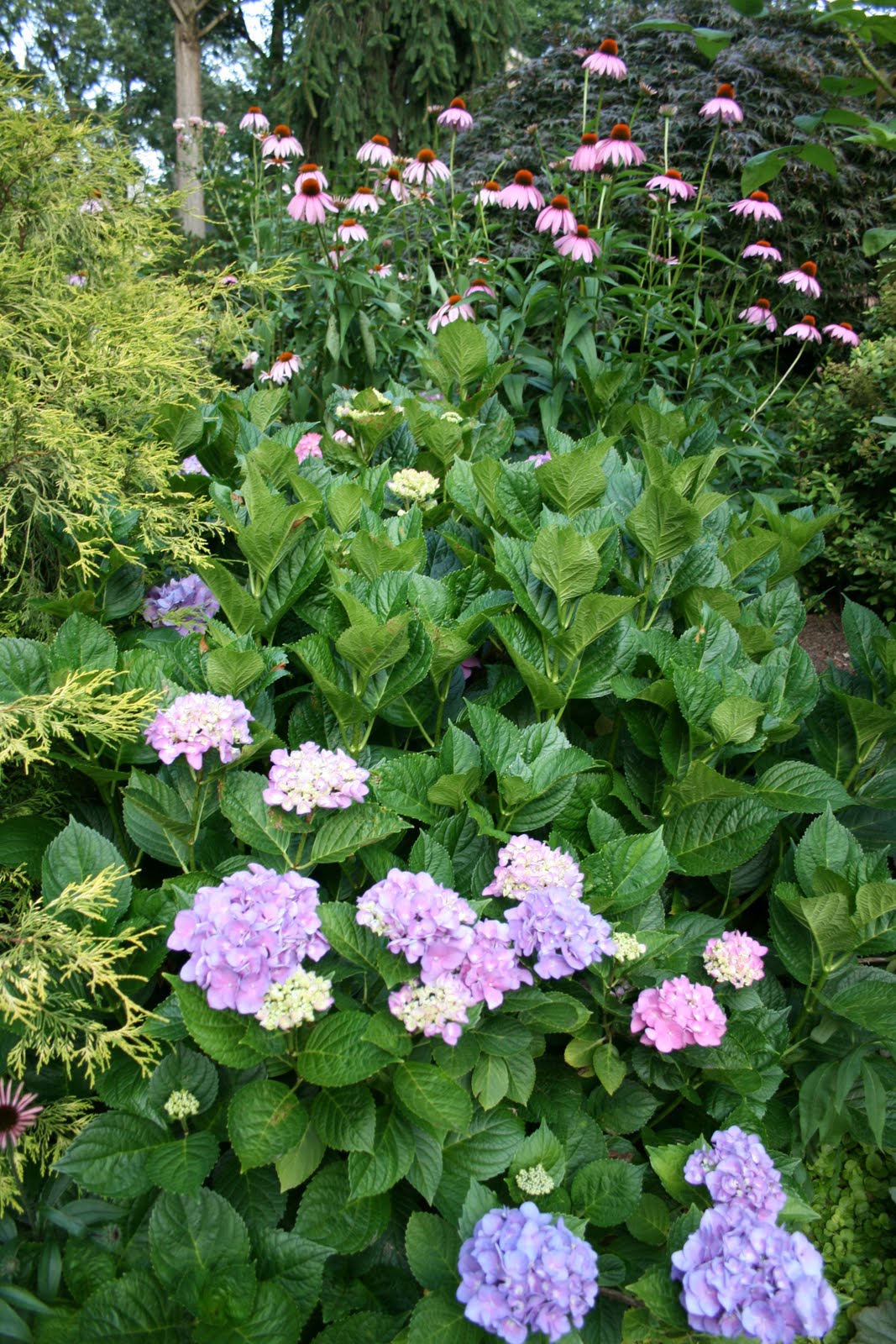 This month’s Garden Bloggers’ Design Workshop at Gardening Gone Wild is on Coping with Slopes. Given that my whole property is one big downward slope, I look forward to reading others’ posts.
.
When we were house hunting back in 2001, I was only a beginning gardener. I had dabbled with gardening in Brooklyn, but wasn’t so serious that how I would garden on this property’s slope wasn’t even a consideration. Once I got more serious about gardening, I wished for a flat property, but worked with what I had.
.
Here are a few prior posts about my experiences:
.
1. Five Ideas for the Downward Sloping Front Yard
2. Creating the Egg Garden on my Front Slope
3. Goldberry Hill Last Summer (pictured above)
4. Goldberry Hill Last Spring
5. How to Build Raised (Vegetable) Beds on a Slope
6. How to Build a Children’s Playhouse (Fort) on a Slope
.
For a map of how the gardens are situated on the property, click here. If I have more time, I’ll write some additional posts about a few more of the sloped areas: Lilac Hill and the new stone staircase to the backyard.
End of Season Roses: Ballerina on Goldberry Hill

End of Season Roses: Dortmund on the Arbor



WSJ: Canning Makes A Combeack
Our vegetable garden isn’t big enough to produces excess for canning, but the children do love making pickles from the cucumbers at the farmers’ market. From Ana Campoy’s article in The Wall Street Journal:
“The worst recession in decades and a trend toward healthier eating are inspiring many Americans to grow their own food. Now the harvest season is turning many of these gardeners into canners looking to stretch the bounty of the garden into the winter…
At Jarden Corp.’s Jarden Home Brands—the maker of Kerr and Ball brand jars—sales of canning equipment are up 30% this year through mid-September, over the same period in 2008. And canning classes from Brooklyn, N.Y., to Boise, Idaho, report seeing skyrocketing enrollments this year.
Canning has been around since the dawn of the 19th century, when, at Napoleon’s behest, a Frenchman developed a method of sealing food in bottles to prevent spoilage on long military campaigns. The process was later adapted to factory-sealed metal cans, but at home, “canning” is still practiced in thick glass jars…”
Teasel Seed Head on Lilac Hill

 Heirloom Gardener