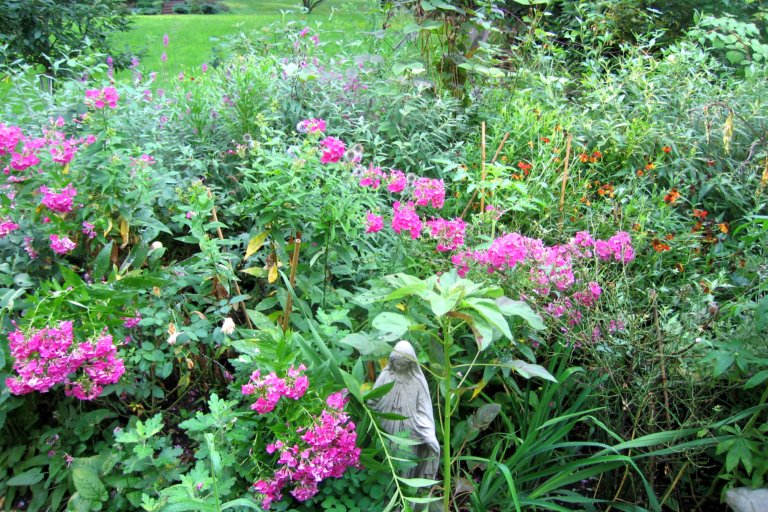
A Garden for Late Summer: the Long Border

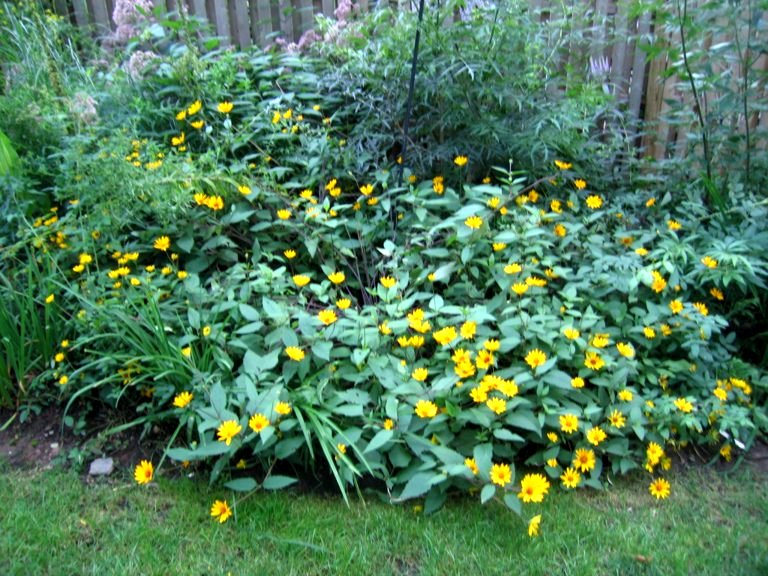
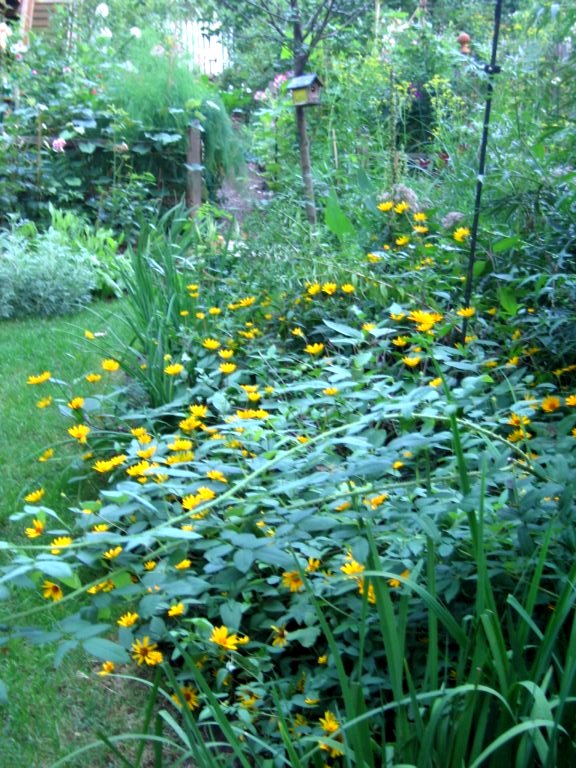
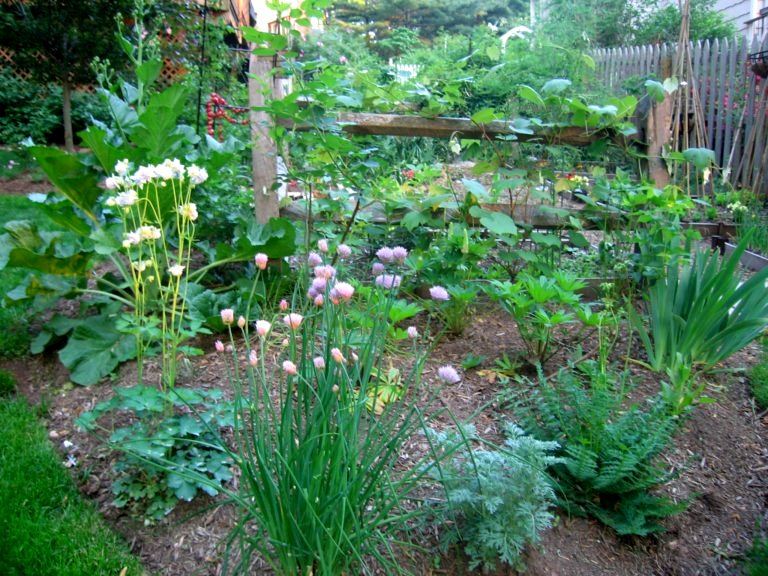
To help me plan for this coming gardening season, I am going through some of my pictures from last year. Here is a picture of the Long Border from last summer. The Long Border is the name of the border in the backyard between the Children’s Garden and the Walled Garden. The Long Border is made of perennials, shrubs and grasses with peak interest in late summer.

For a post on the inspiration for the Long Border, click here: http://heirloomgardener.blogspot.com/2008/02/inspiration-for-long-border-american.html

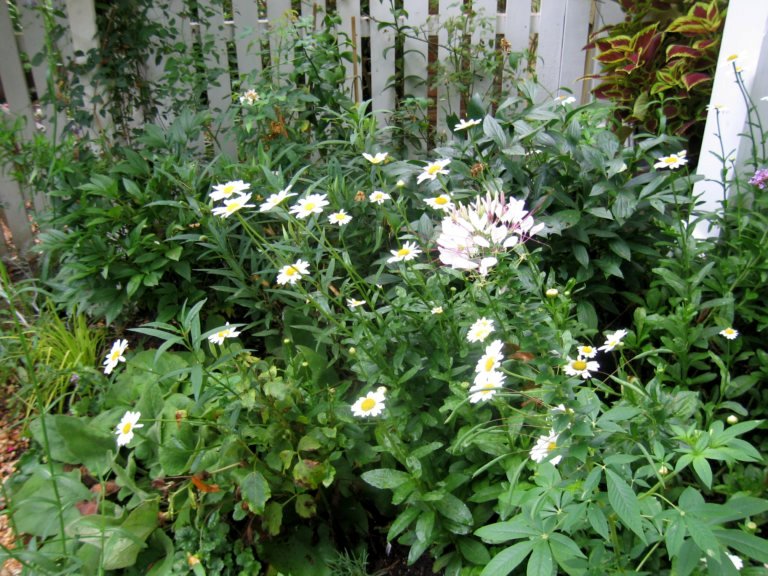
No Space is Too Small for a Garden: the Triangle Garden in Spring

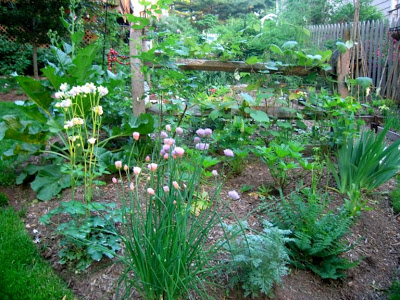
To help me plan for this coming gardening season, I am going through some of my pictures from last year. Here is a picture of the Triangle Garden from last spring. The Triangle Garden is the name of a small bed that is bordered on one side by the fence that encloses the Children’s Garden, on a second side by a grass path that separates it from the Long Border, and a third side by the backyard. Each side of the triangle measures approximately eight feet. The Triangle Garden is made of herbs, perennials, annuals, and shrub roses.

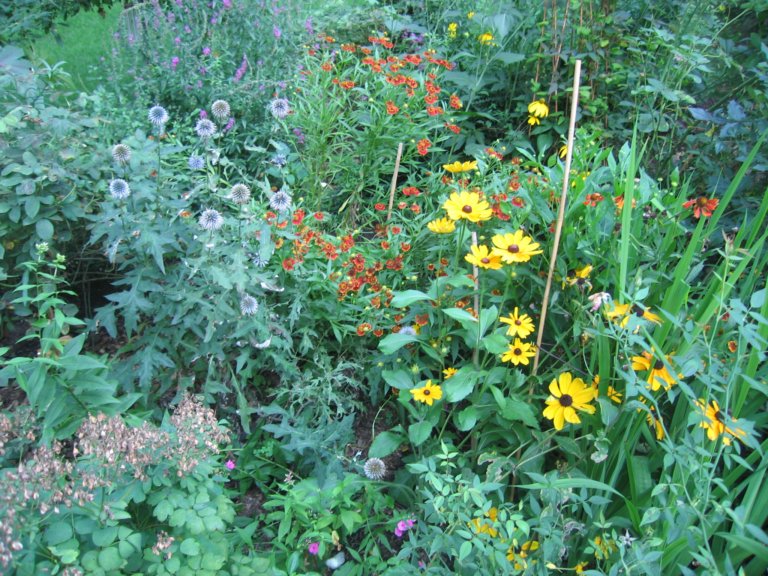
The Egg Garden in Summer

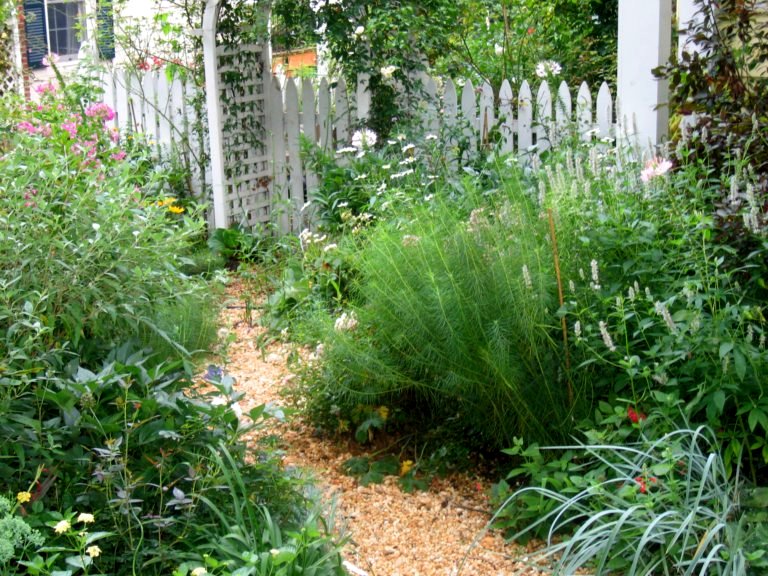
To help me plan for this coming gardening season, I am going through some of my pictures from last year. Here are some of the Egg Garden from last summer. The Egg Garden is the name of the oval garden in the front of my home at the end of the Front Border and in front of the Cutting Garden. The garden is made of perennials, annuals, shrub roses and the crabapple tree. In the garden, there is also a path made of pebbles that connects the front yard to the Cutting Garden.

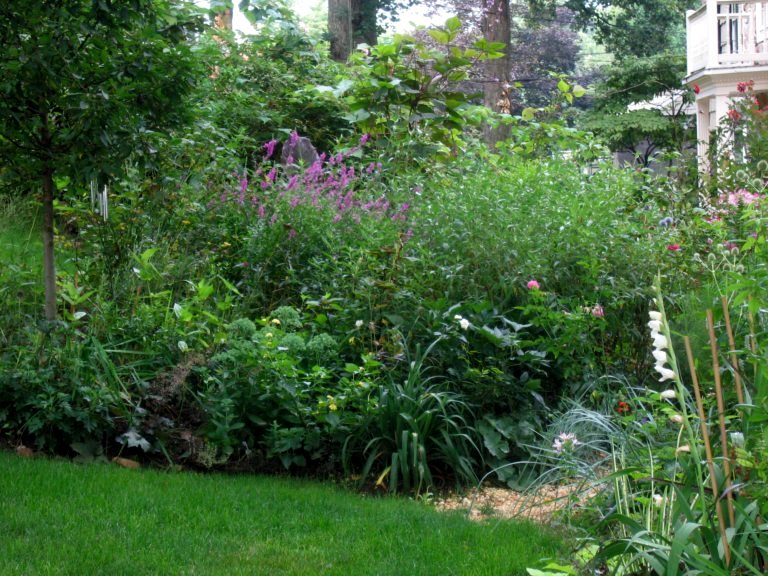
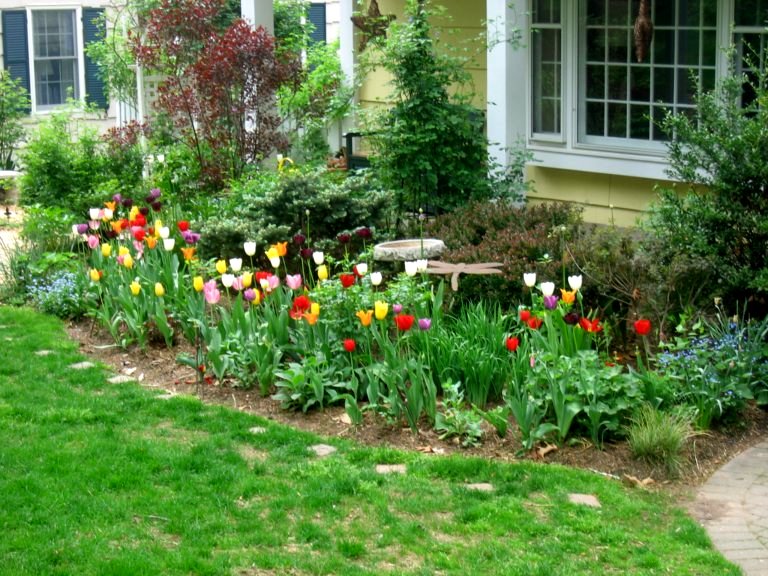
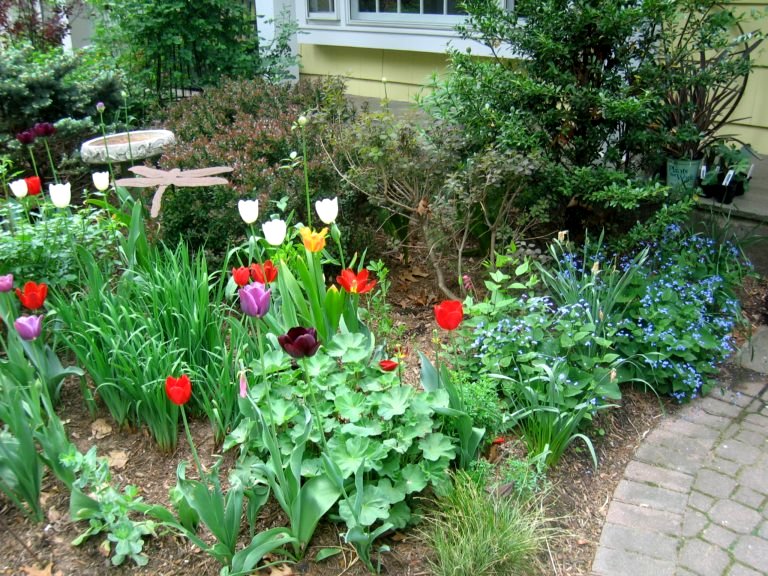
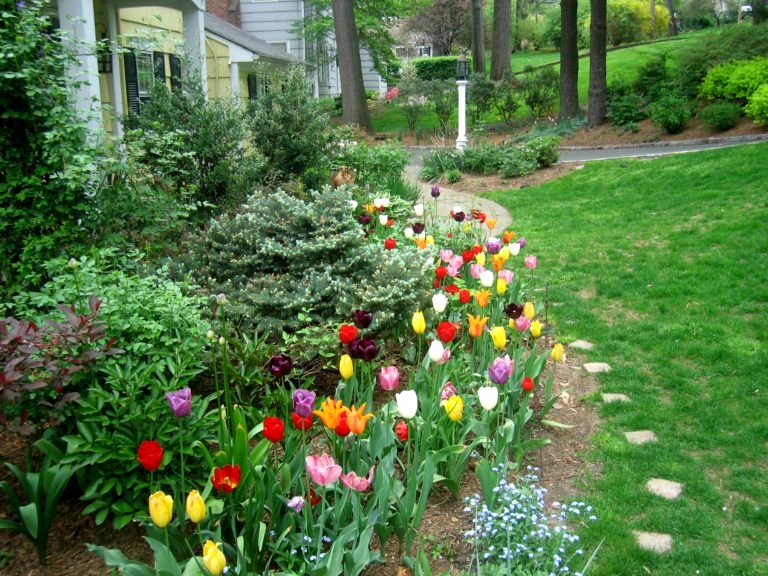
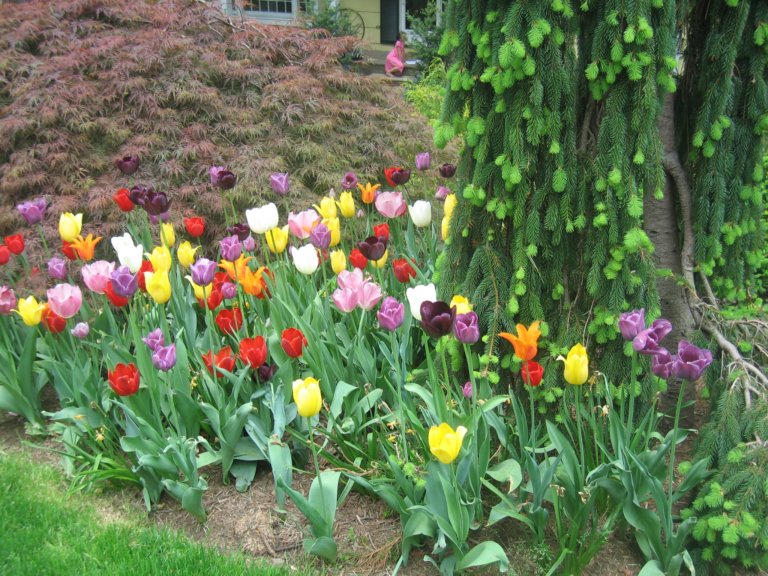
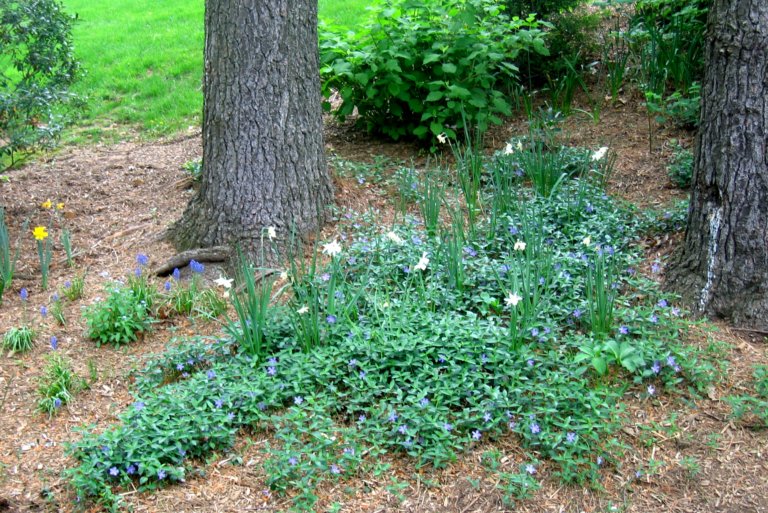
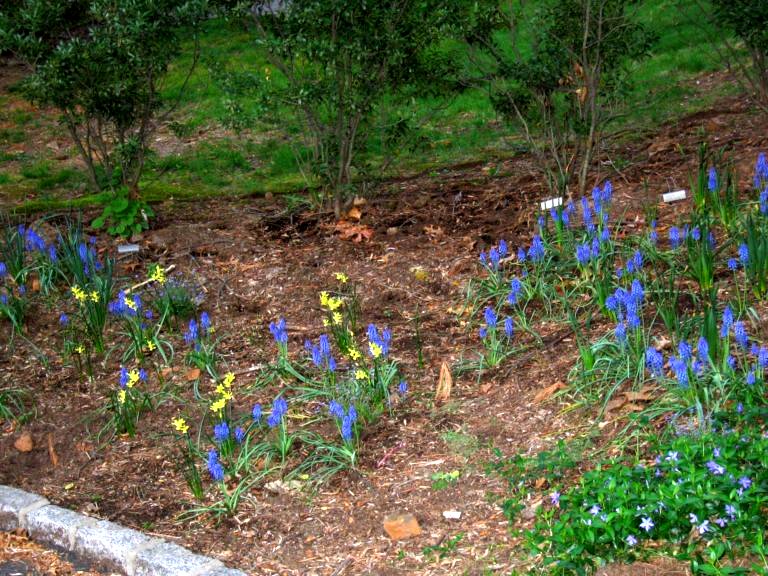
Gardening on a Hill: Goldberry Hill Last Spring with Tulips

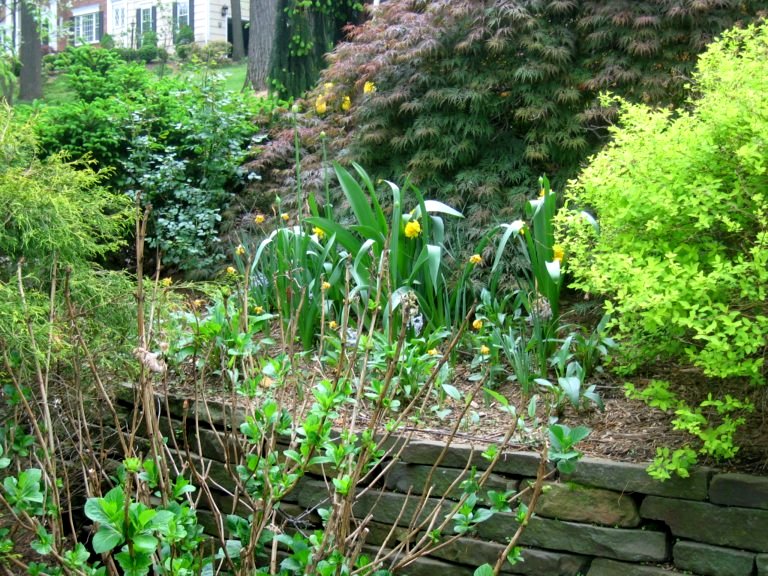
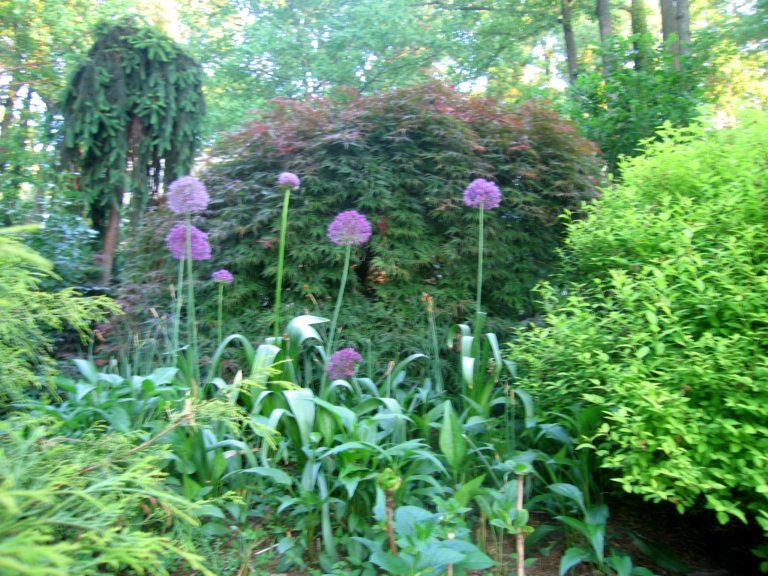
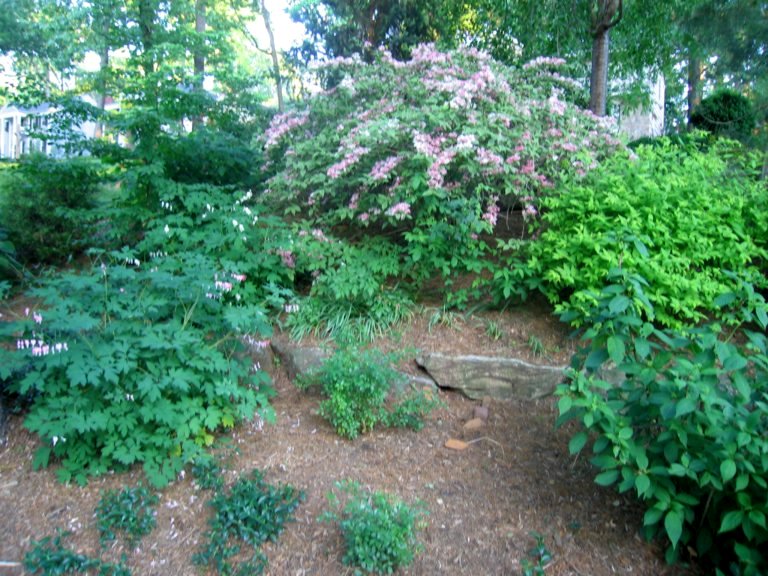
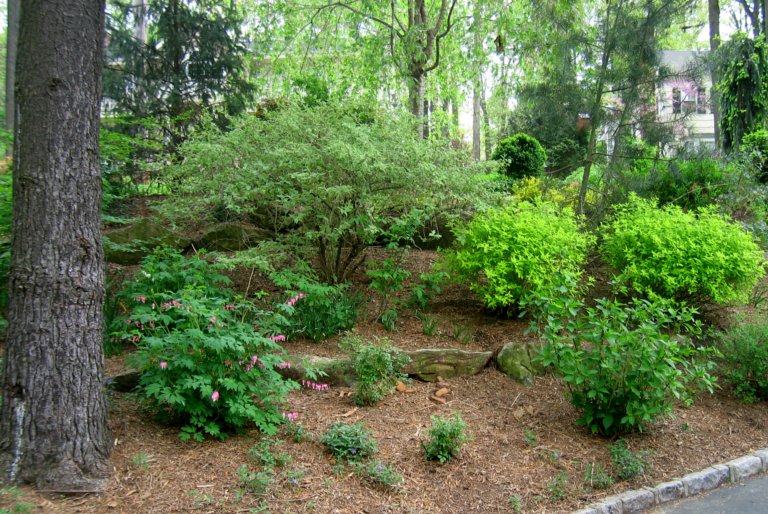
To help me plan for this coming gardening season, I am going through some of my pictures from last year. Here are some of Goldberry Hill from last spring during high tulip season. Goldberry Hill is the name of the garden in the front of my home on the hill between the street and my driveway. Goldberry Hill is made of small trees, shrubs, perennials and grasses.

For pictures from last summer, click here: http://heirloomgardener.blogspot.com/2008/01/gardening-on-hill-goldberry-hill-in.html


Old House Gardens Nursery & Heirloom Dahlias

My garden planning for next year is in full tilt now. I just received the Old House Gardens email newsletter which I had been waiting for to see what web only dahlias, glads, and cannas will be offered. The dahlia ‘Giraffe’ was first in my shopping cart.

Old House Gardens–“Antique Flower Bulbs for Every Garden – Unique, Endangered, Amazing!”–is a great source for heirloom bulbs: cannas, dahlias, glads, tulips, daffodils, hyacinths, lillies, and a few diverse others. Every shipment is carefully checked and packed. Nothing which is sub prime gets out. The bulbs come with detailed instructions on planting, forcing, and winter care.

For the summer, dahlias are my favorite cut flower and are super easy to grow. One dahlia tuber produces loads of blooms which keep getting better and better as the season winds down and other plants are calling it quits. Cut flowers mix well in arrangements and hold well in water. The heirloom dahlias offered at Old House Gardens are not the super sized dahlias that are difficult to mix with other flowers, but come in a range from small pompoms to larger 5-6 inch diameter flowers.

Dahlias can be started inside in pots before the weather warms up for an early start. But, seeing that dahlias grow so quickly, I usually wait until the weather has warmed up and plant them outdoors when I plant my tomatoes. I always topdress the soil and incorporate a little compost into the planting hole when I plant my tubers. After they start growing, begin watering them and watch them grow.

The one thing to be vigilant about, however, is staking. When planting put a tall stake in next to the tuber. Don’t think it’s too tall because in about six weeks you will otherwise be wishing you had. The hollow stems of dahlias break very easily in a summer storm or strong winds, so be careful to begin tying them in when they are about 18 inches tall.

Once blooming, keep deadheading or cutting for the house. The more you cut, the more they bloom.

In the fall, I will post about storing dahlias for the winter.

Something to do with Impatiens at the End of the Season: Bring Them Indoors

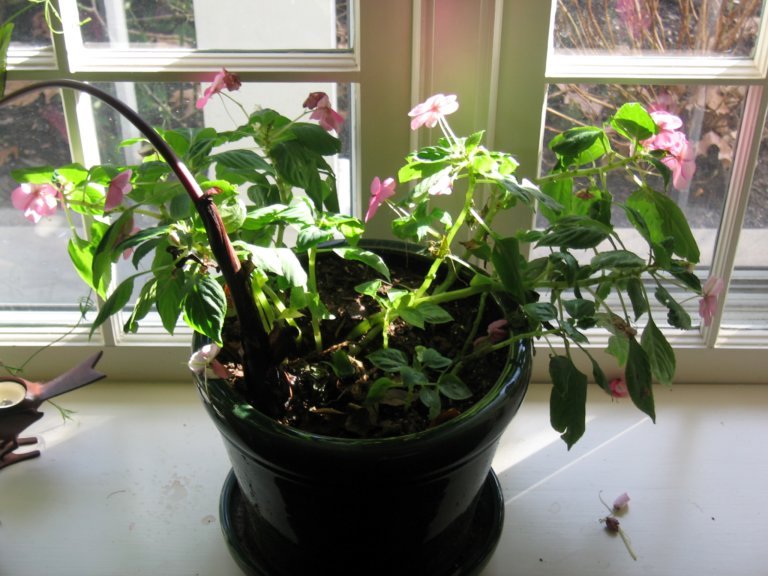
In the front of my home, I have a small covered porch that I decorate with hanging flowering baskets. Because of their shady location, impatiens are the perfect plants for the baskets. In prior years, I have just added the impatiens to my compost pile at the end of the season.

This year during my autumn cleanup, I took some of the impatiens and re-planted them in pots and brought them indoors. I have done this for several years with other non-hardy plants, such as elephant ears, that I return outdoors in the spring. Placed next to a window, I expected the impatiens to last maybe for a few weeks, or if they did continue to live, to stop flowering. Much to my surprise, they have now been indoors for over three months and they are still going strong. They are not the most beautiful flowers, but they do provide some sign of life during this period between the fresh cut flowers and the forced bulbs and branches. Also, given how leggy they become, I don’t think they will be worth re-planting outdoors.

A word of warning: they drop leaves and flowers almost every day and you constantly have to pick up after them. Because of this, I’m not sure if I’ll do this again next year.